
Industries We Serve
Beaverton commercial roof inspections and repair records for restoration projects, with dated photos, scope boundaries and documented open conditions.
Commercial Roofing for Insurance Restoration in Beaverton, OR
Start with the building address, reported damage location and what remains exposed. We document the roof before permanent work, arrange a make-safe visit when needed and separate observed conditions from proposed repairs. Dated photos, a marked roof plan and a scope sheet give the property contact a clear record to share with its chosen reviewer.
A commercial roof inspection records what the crew can observe at the specific address, whether the building sits in Downtown Beaverton or Cedar Hills.
Keep the Event Record Tied to the Property
Cedar Hills sits south of US 26 and west of OR 217, and Downtown Beaverton is a Metro regional center near transit; in either place the property address, roof plan and date of loss or reported event come from the owner or authorized representative.
Property-specific access rules govern entry. We confirm who can authorize the roof walk, where materials may be staged and whether a temporary measure is needed to limit current water entry.
Keep a separate record for each building and roof section. A portfolio or claim file may include several locations, but photos and findings should identify the address, roof zone and date. That prevents a repair note from one site from being treated as evidence about another property.
Document What the Roof Shows
The field review records membrane condition, seam separation, flashing, drains, penetrations, rooftop equipment and prior repairs that are visible. Each photo should connect to a numbered finding and a marked location. If interior water is reported, note the room and compare it with the roof above; water can travel along a deck or framing before becoming visible.
We describe the condition without deciding its cause when the evidence does not establish one. A storm date, ceiling mark or surface split does not alone determine whether an event caused the damage. The report can note observations, access limits and any test needed to understand insulation or deck condition. A roof condition report organizes those findings for review.
If a test opening is proposed, identify its location, purpose and restoration method before it is made. Keep test results separate from the initial surface observation and document any change to the repair boundary. The insurer, adjuster or restoration representative determines coverage and claim decisions; the roofing record supplies field information only. Photographs are taken from the same positions where access allows, so a later visit can show whether a lifted edge or open lap has changed. Where the roof could not be reached safely, the plan marks the area as not inspected rather than leaving it blank.
Separate Interim Protection From Repair
Active water entry may need a temporary cover, seal or drain clearing before a permanent repair can be completed. The record states the date, location, method and limits of that measure, along with what remains open. The crew then returns when the roof condition and access allow the specified preparation and materials to be used.
Beaverton's wettest months are November through January, so note whether continued rain affects the condition or access window. Emergency repair starts with the property address, exposed area, last known leak point and access contact, and a crew goes out on that call.
A permanent repair scope identifies the failed detail, preparation, material and termination at sound roof. If evidence points to a broader area, show a separate replacement option rather than expanding a repair line without explanation. This keeps the event record and the proposed work in view without stating how a claim must be adjusted. The roof log can identify who requested the temporary measure, who received the photos and what condition triggers another inspection. This makes the sequence legible when the property contact, restoration team or claim reviewer changes.
Coordinate With the Owner's Restoration Team
The owner may have a restoration contractor, consultant or adjuster reviewing the same building. We identify the roofing boundary and make the photo set and roof plan available through the owner's approved process. Restoration of ceilings, contents, electrical equipment or interior finishes remains a separate scope unless specifically included.
If work occurs while a building remains open, record the access route, staging area, protection below and person who accepts the area after the crew leaves. Where a general contractor is running repairs, trade boundaries follow the project documents, and a property manager carries the building-file handoffs afterward.
Keep communication factual and dated. Identify what was observed, what was temporarily protected, what was repaired and what still needs testing. If the reviewer asks for a revised scope, show the changed quantity or boundary and the condition that led to it. A clear revision trail is easier to compare than a series of estimates with no explanation. Each version should retain its date, roof area, assumptions and what changed. If new testing alters the repair boundary, attach the result to the related finding rather than replacing the earlier photo or deleting the initial observation. This lets the owner and reviewer follow the sequence from report to decision.

Provide a Record Without Claim Conclusions
Closeout includes dated before-and-after photos, the roof-zone plan, materials, completed details, exclusions and open tests. Note the limits of the inspection, any temporary measure still in place and any separate trade required. The document states the roofing work and observed condition, not the insurer's coverage decision or a payment outcome. Keep notes about access, weather interruption or uninspected areas with the relevant finding so the record shows why a view was limited.
For intake from a Beaverton property, share the building address, affected area, last known water point, event information provided by the owner and access instructions. A make-safe visit goes out first if needed, and the owner then receives a written scope sheet to review.
When a restoration file spans more than one property, maintain one record per address and link each photo set to the correct plan. A follow-up visit should state whether the condition changed, which repair boundary was completed and what remains undecided. That keeps the roof evidence useful without extending it into claim handling or a promise of coverage.
Related Roofing Work
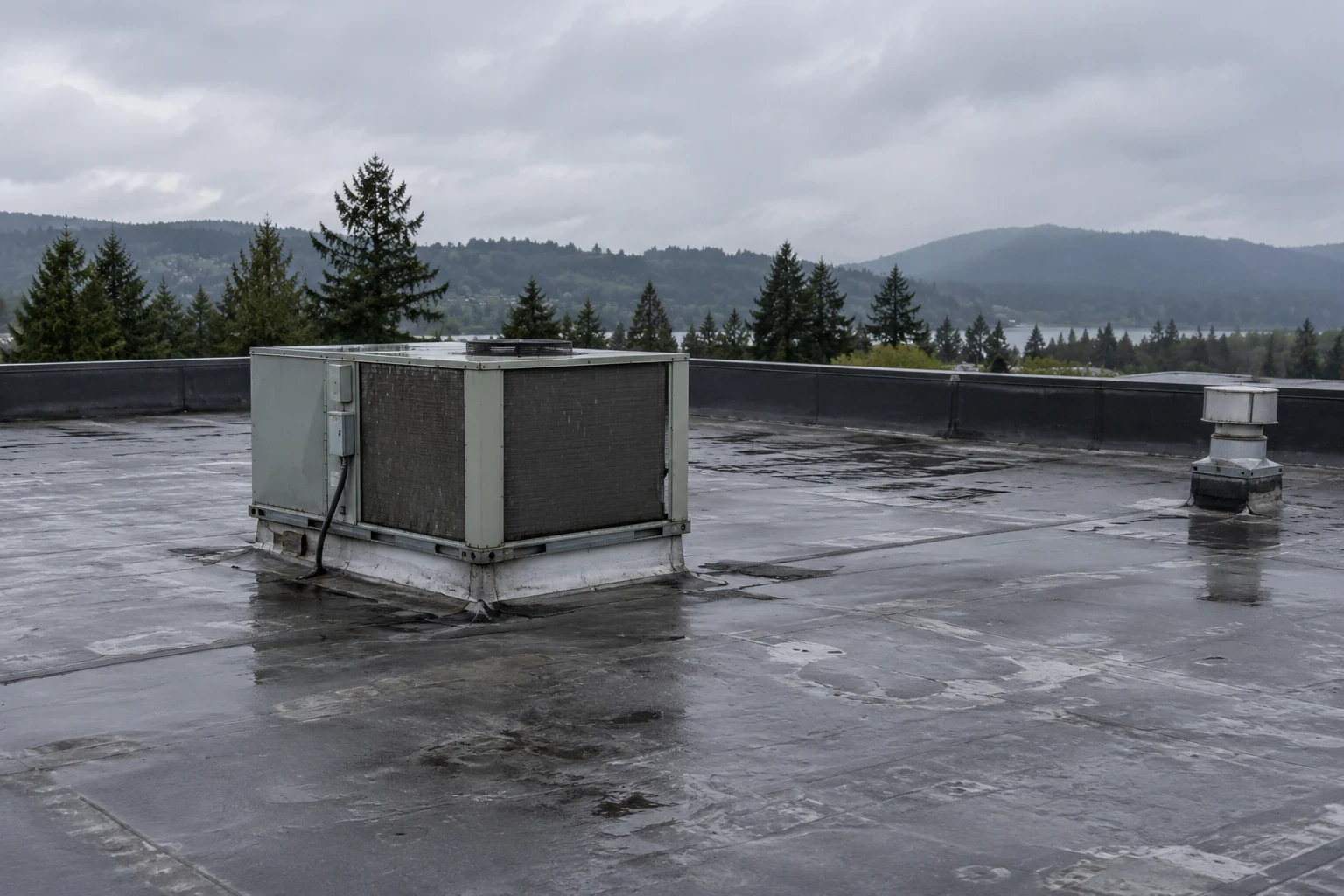
Commercial Roof Inspection

Commercial Roof Condition Reports
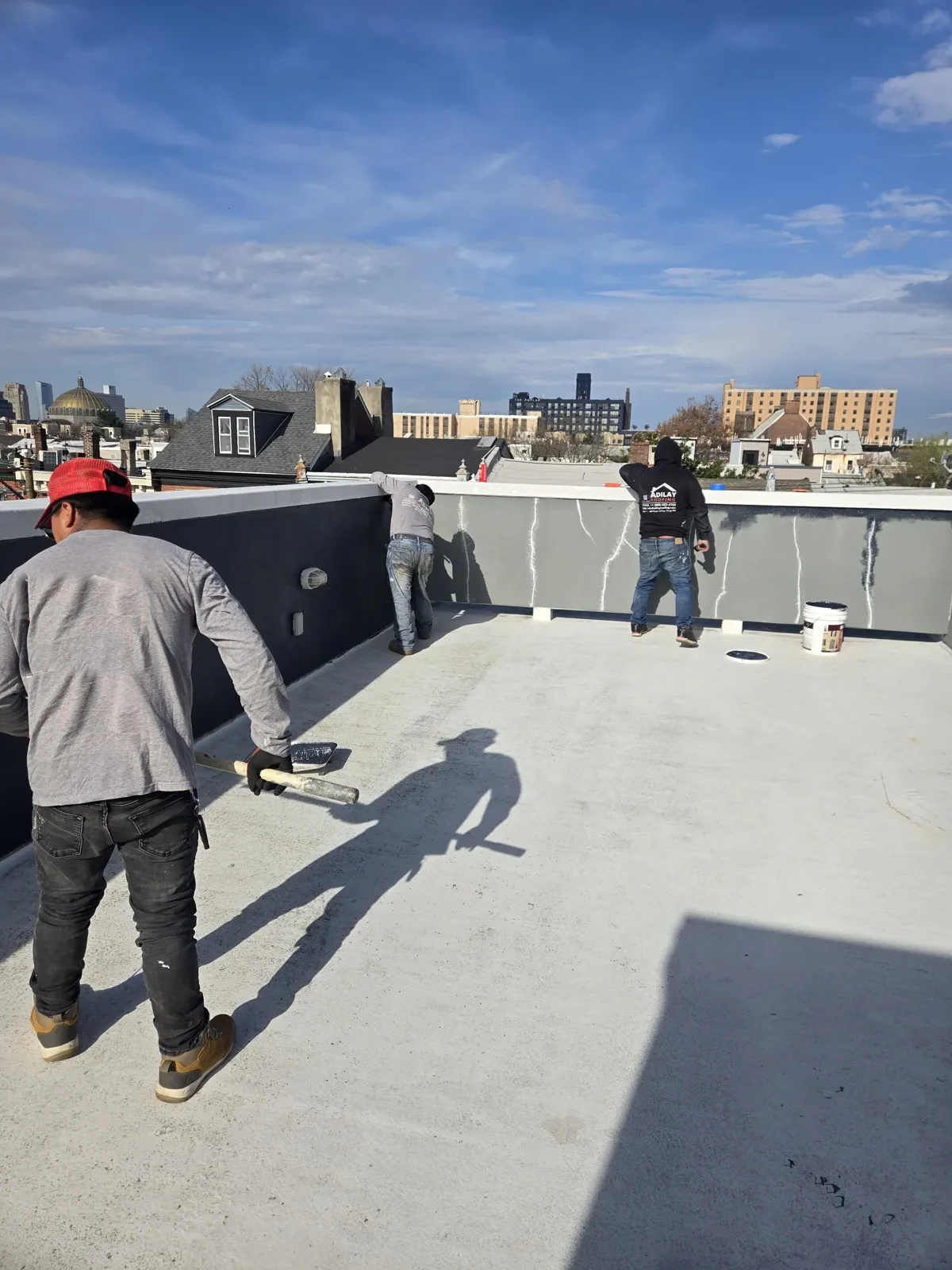
Emergency Roof Repair
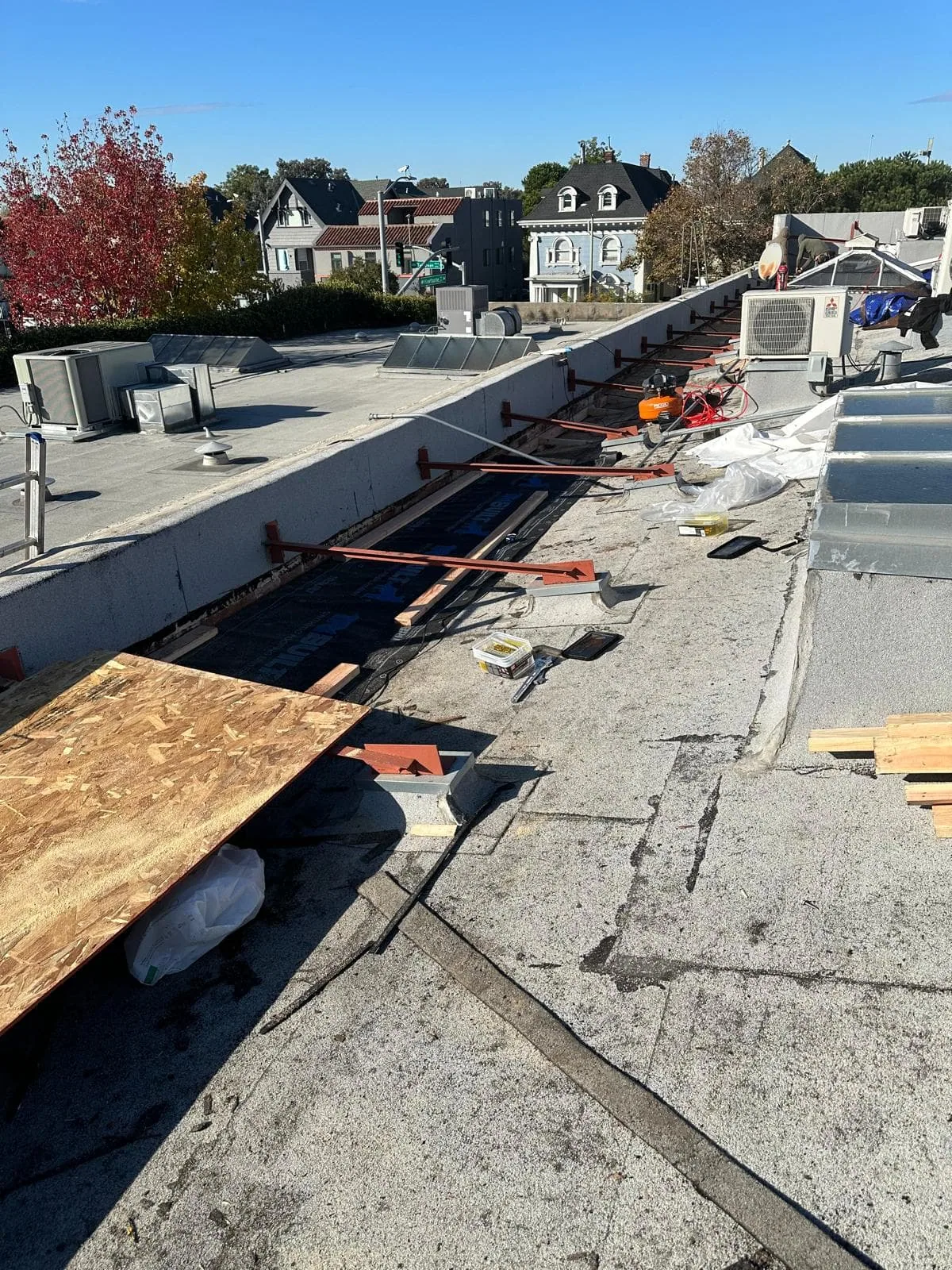
Commercial Roof Repair
Start With the Building Address
Call with the property address, affected roof area and last known water location. We will arrange a make-safe visit when needed and provide a written scope sheet that documents roofing observations and open items.
Questions About Insurance Restoration
Can a roofing report determine insurance coverage?
No. The report documents visible roof conditions, work performed, access limits and any open test. The insurer or authorized claim reviewer determines coverage, cause and payment. A roof report remains limited to the field conditions it records. We keep field observations separate from those decisions.
What should be recorded after a storm-related leak?
Record the building address, affected room or roof zone, date information supplied by the owner, visible damage, dated photos and any temporary protection. A roof walk can identify the observed condition and test needed without deciding the claim.
Is a make-safe visit the same as a permanent repair?
A make-safe measure is temporary. The closeout states what temporary measure was used and its limits. A permanent repair scope separately identifies preparation, materials and completed roof details. Any test or follow-up still needed remains open.
Can you coordinate with an adjuster or restoration contractor?
We can provide the roofing observations, photos, plan references and scope through the owner's approved communication path. The roofing contractor does not decide coverage or replace the owner's claim representative.
What belongs in the restoration file?
Keep the address-level roof plan, dated photos, findings, temporary measures, repair materials, exclusions, access limits and open tests. The file should distinguish the observed roof condition from claim conclusions and interior restoration work.