
Roof Systems
Inspect built-up roofing in Beaverton, OR for open seams, surface wear, wet plies, drainage and flashing before planning repair or replacement.
Built-Up Roofing in Beaverton, OR
Cap-sheet wear, not the roof's age alone, sets the first inspection question after water appears inside a Beaverton, OR building. Before a ply is lifted, the crew photographs the built-up field, drains and wall transitions, having first confirmed which room is wet and made the area safe. Those photographs go into the building file. The next decision is whether water entered at a seam, flashing or worn surface and how far it traveled beneath the assembly.
Beaverton receives about 39 inches of precipitation over roughly 151 days, with November through January the wettest period. On a built-up roof, repeated wetting makes the condition of each layer and the drainage path worth recording together. BUR uses multiple reinforcing plies set in bitumen, often with a surfaced cap or aggregate, but the inspection confirms the actual build-up. We compare it with a modified bitumen assembly only after documenting the layers present.
Read the Surface and Plies
We check the exposed surface for bare asphalt, displaced gravel, cracks, ridges, blisters, open laps and signs of repeated patching. At a wall, drain or curb, the flashing can fail even while the field remains intact. We inspect those transitions separately and mark the path from the interior stain to the likely entry point. If the roof has aggregate, we check where it has moved and whether the bitumen below is exposed or deteriorated.
Portland's Pearl District was formerly warehouses, light industry and rail yards, and North Portland remains largely residential and industrial, so roof assemblies across the metro vary widely. We inspect the roof in front of us and identify the plies, surface and repairs in a condition survey. Photos and work limits are kept in a roof condition record.
Aggregate surfacing can shift under maintenance traffic or collect near low points, so we note where the surface is bare, displaced or covering a visible crack. The scope distinguishes that surface issue from an open ply beneath it. If the roof has several repairs, we map their location and tie each one to the layer that failed instead of pricing a single generic patch.
Find the Failed Layer
A surface crack may be limited to the top ply, while water below can affect insulation and lower plies. We trace the report, check drains and penetrations, and identify whether the roof is dry at the repair boundary. Where the condition is concealed, a test opening can show the bitumen, reinforcement and substrate before a final scope is priced. The report states what was seen and what still needs an opening, instead of treating every stain as proof of a roof-wide failure.
A small patch can fit when the surrounding plies remain bonded and the substrate is dry. We remove loose surface material, prepare the repair area and install a compatible patch that ties into sound membrane. If moisture has spread or multiple seams are opening, we price the larger section separately. The repair scope identifies layers replaced and areas left untouched so the owner can compare the immediate work with a broader capital option.
Control Heat and Site Conditions
Built-up systems can use hot bitumen or other specified application methods, so staging, ventilation, fire controls and access are part of the work plan. We confirm the roof assembly, nearby equipment and site restrictions before materials arrive. The work sequence shows how each ply and flashing will be installed, inspected and protected. A repair method should not be selected without checking the surface and substrate conditions it needs.
The 116 degrees Portland reached on June 28, 2021 is the kind of heat that softens bitumen at the surface, so surface wear and rooftop equipment are inspected with it in mind. On occupied sites, staging should keep access to equipment and service routes clear. A curb and support review maps penetrations before a new surface is applied, and a spray foam assembly may be considered only if the project criteria and substrate fit that system.
Plan the New Build-Up
Replacement begins with tear-off limits, deck inspection, insulation needs and drainage. We remove the specified roof layers, document concealed conditions, correct approved substrate work and install the new plies in sequence. Flashings at walls, drains and curbs need continuity with the field. The scope separates deck repair, insulation and the new roof so an owner can see which condition drives each part of the capital line.
OR 217 runs south through Tigard to I-5, and crews and material trucks follow it between the two cities. Delivery access still depends on the property's entry, lift location and staging space. We confirm those points before mobilization. For an active leak, the make-safe visit can protect the interior while permanent work waits for a suitable surface and approved installation window.
During tear-off, the crew works within a protected boundary and records each newly exposed layer before it is covered. If the deck, insulation or prior assembly differs from the records, we pause at a secure edge, photograph the condition and present the required correction. That keeps the change visible to the owner and gives the next work area a clear starting point.
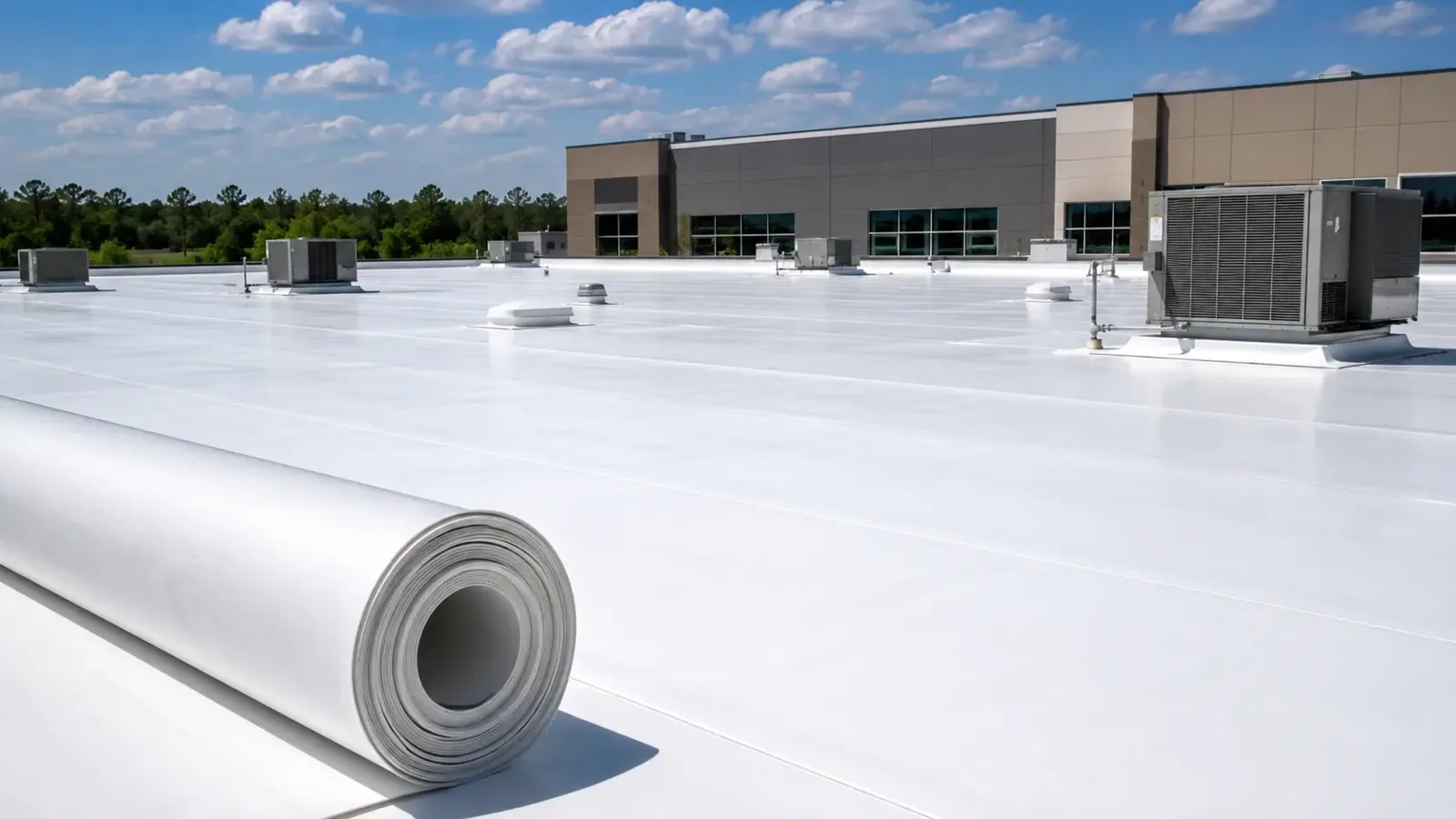
Keep the Ply Record
Closeout should identify the assembly installed, surface type, flashing work, drain condition, repaired locations and photos from before and after the work. We note concealed conditions found during tear-off and any area outside the approved scope. That record helps the next roof walk compare the same details and avoid confusing a repaired area with an uninspected one.
Price follows the number of plies, aggregate removal, tear-off, wet insulation, deck repair, flashing, access and staging. We separate those drivers in the proposal and show where the repair-or-replace threshold lies. A replacement scope and Beaverton roof visit both start with the roof condition, address and last known leak location; the written scope gives the owner the next decision.
Related Roofing Work
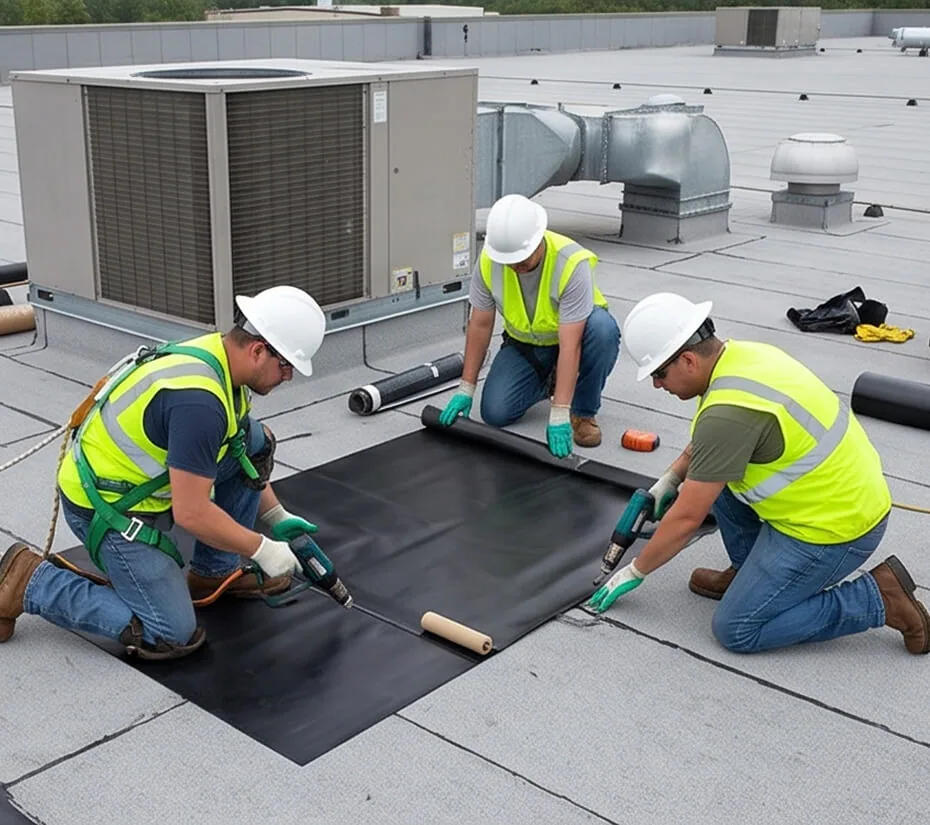
Modified Bitumen Roofing
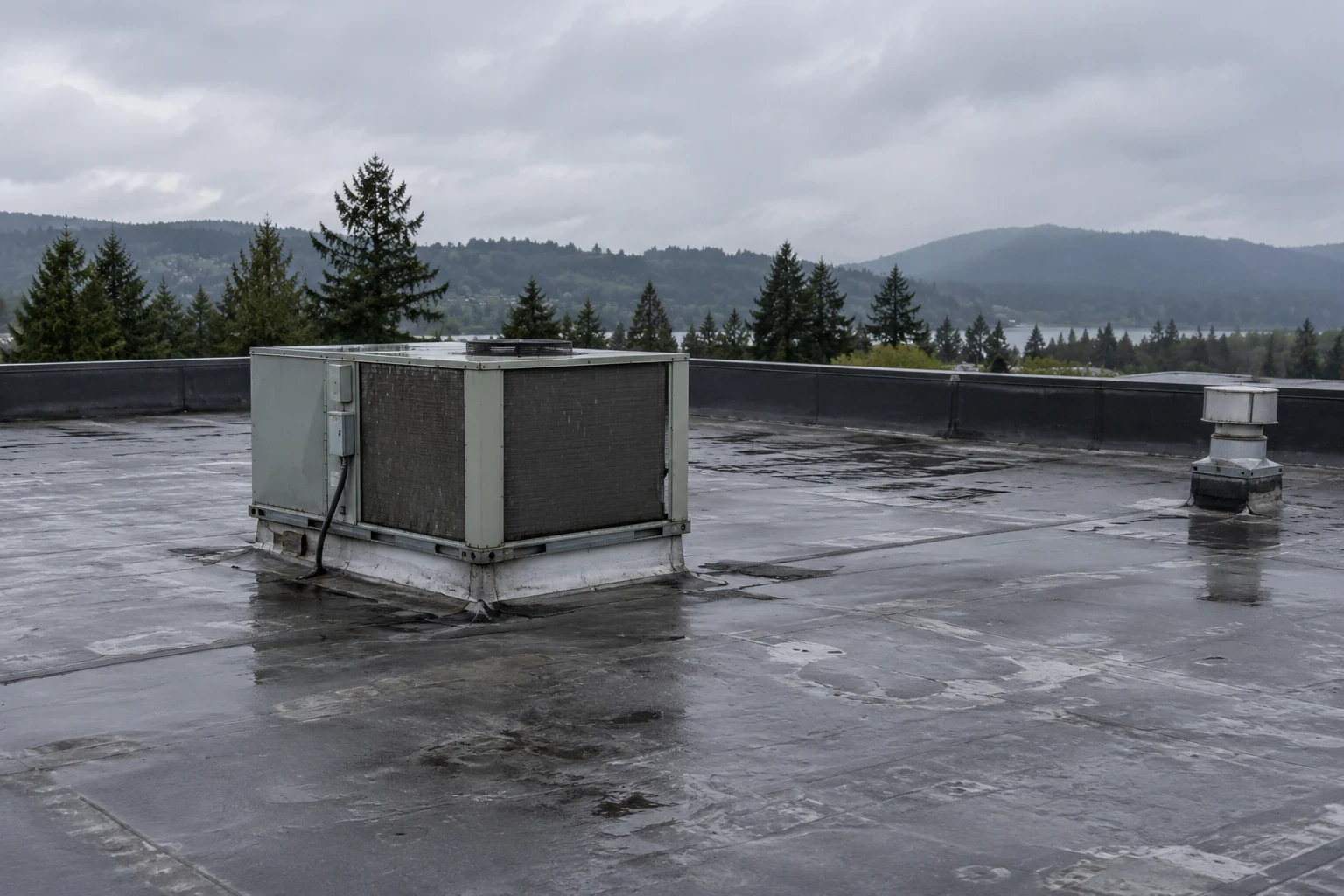
Commercial Roof Inspection

Commercial Roof Condition Reports
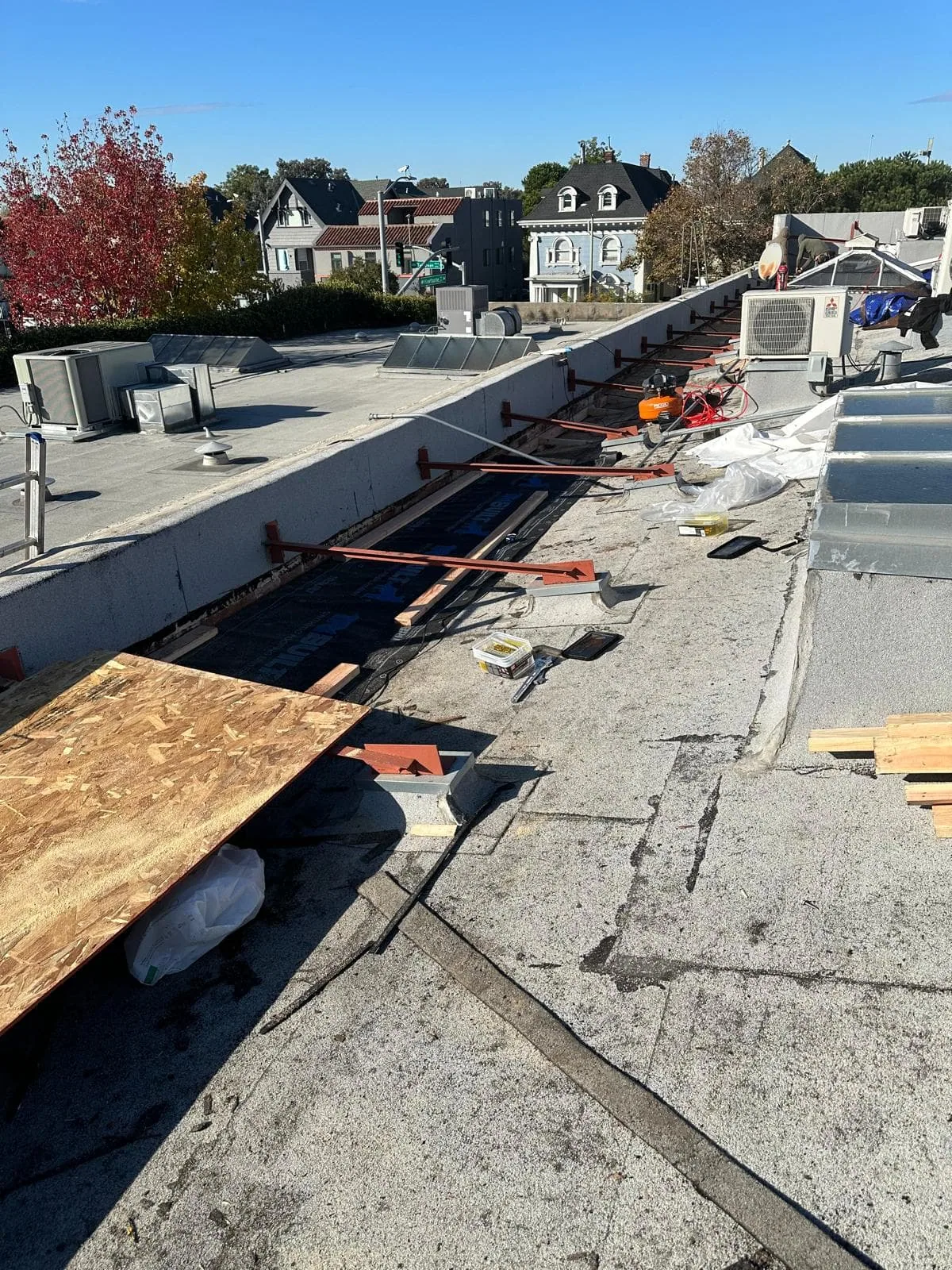
Commercial Roof Repair
Inspect the Built-Up Layers
Place an intake call with the building address and last known leak location. We will arrange a make-safe visit when needed and provide a written scope sheet for the surface, plies and drainage work.
Questions About Built-Up Roofing
How do you know how many plies are in a BUR roof?
We review available records and confirm the assembly through visible edges or an approved test opening. The report notes the layers found and whether insulation or deck needs additional evaluation. A surface appearance alone does not establish the full build-up.
Can a built-up roof be repaired without removing all the gravel?
A repair area may require moving or removing surface aggregate to reach sound bitumen and make a compatible tie-in. We define the work limits and restore the surface included in the scope. If the underlying plies are wet or separated, the repair boundary may need to expand.
What does a blister mean on a built-up roof?
A blister is a raised area that needs evaluation for trapped air, moisture or bond loss. We inspect and test the surrounding plies before deciding whether it can remain, be repaired or be opened. The finding and repair limit go into the building file.
Is a coating a substitute for BUR replacement?
A coating can only be considered after the surface, adhesion, moisture, drainage and flashing are checked. It does not replace failed plies or wet insulation. We list coating as a separate option when the substrate and project requirements support it.
Which items affect a BUR replacement schedule?
Tear-off volume, aggregate handling, deck repairs, weather exposure, installation method, equipment access and site controls all affect sequence. We identify the daily dry-in limit and inspection points before work starts, then record any concealed condition that changes the plan.