Industries We Serve
Roof inspection and repair coordination for Beaverton-area logistics and 3PL properties, with loading access, drainage and closeout documented.
Commercial Roofing for Logistics and 3PL Operators in Beaverton, OR
Start a roof call with the facility address, affected dock or storage bay and what needs to keep moving below the leak. We confirm site access, identify the roof zone and arrange a make-safe visit when water is active. The inspection record follows the route from the reported ceiling mark to seams, curbs and drains, then names the repair boundary and any test still open.
Wilsonville's industrial parks straddle I-5 and include manufacturing and distribution facilities. A commercial roof inspection starts with the site's own plan and loading rules.
Keep Dispatch Context Separate From Site Access
Wilsonville's industrial parks lie along both sides of I-5, and at any one building the gate, trailer court and roof-access route are set by the site contact, who confirms check-in, delivery schedules, escort requirements and where a lift or material drop can be placed.
Tualatin Valley Highway is Hillsboro's primary east-west route, and Metro names it, with 185th Avenue, a regional corridor. For a 3PL manager, the work plan still names the street address, dock number, affected bay and contact who can authorize access.
Distribution buildings may have long roof runs above receiving, storage and office areas. We map shared drains, expansion joints, penetrations and equipment curbs so a water report can be compared with the correct roof section. A property manager carries the building file between tenants, and a manufacturer adds production access and equipment interfaces. For a facility with trailers parked along the building, the lift position and the crew's walking route are marked on the site sketch before anyone goes up, so the yard can keep moving while the roof work proceeds.
Trace the Leak Without Losing the Dock Location
Beaverton's wettest months are November through January, so a dock leak during a steady rain deserves a prompt drainage check. Record the bay, door or rack reference and whether product, controls or charging equipment sit below the affected area. Then compare the interior report with roof slope, seams, drains and wall transitions; water can travel before it appears at a dock ceiling.
Mark each sump, drain and overflow on the roof plan and note debris, ponding or flashing separation. If water may have reached insulation, identify a test opening for approval instead of treating a surface stain as proof of concealed damage. The drain and scupper detail can be scoped apart from a seam or curb repair.
A temporary protection step should be logged with its location and limits. It may reduce immediate exposure but does not establish that the roof is permanently repaired. If access is delayed by freight movement, note the condition and arrange a second visit when the site can safely release the area. In a steady November rain the first check is the drain nearest the dock, because a clogged outlet there can put water against a wall flashing within hours. The roof log notes whether the outlet was clear on arrival and what was removed from it.
Sequence Work Around Receiving and Yard Movement
Before staging, confirm trailer flow, pedestrian routes, operating shifts and the doors that need to remain open. The facility contact approves the lift or ladder location, material path and any temporary dock restriction. We identify which bay or aisle lies below the work and how the crew will keep tools and materials clear of active loading.
Roofing should not assume that a quiet dock is available. A scheduled inbound load, yard maneuver or shift change can alter the safe sequence. The daily plan lists the point of contact, the section to be worked and how a change is communicated. It should also identify where removed material will go, how roof access is secured when the crew leaves and who can release a blocked dock lane after the work area is clear. The occupied-building work sequence records protection and handoff steps when operations continue around the roof zone.
For active water entry, call at any hour. The manager can report whether product or equipment is exposed, whether the leak is spreading and what access window is possible. Those details support a practical make-safe decision.
Separate Roof Work From Warehouse Operations
A repair scope names the preparation, compatible materials, detail and termination at sound membrane. At a drain, curb or roof edge, list the interface and any coordination with a separate trade. Mechanical equipment, dock doors, racks, conveyors and electrical systems stay outside the roofing price unless explicitly included and authorized.
If a building has repeated patches or broad deterioration, compare a bounded repair with replacement on the same mapped roof area. State assumptions for removal, recovery, insulation and flashing. If a test or structural review is open, keep it separate from the base scope. TPO is one material to weigh, while the repair scope identifies the work limits and exclusions.
Where more than one facility is involved, use a separate plan, photo set and scope sheet for each address. A portfolio table can summarize urgency and open actions, but should not merge a dock issue at one property with another building's roof history. The multi-site roof program keeps common reporting fields while preserving site-level evidence.
Give the Operations Team a Clear Handoff
Closeout includes dated photos, roof-zone and dock references, repaired details, materials, exclusions and open tests. Note whether staging or a freight schedule limited the inspection and whether temporary protection remains. The site manager can then compare a new water report with the same bay and roof boundary.
For an intake call from a Beaverton facility, include the address, affected dock or aisle, last known leak point, access contact and receiving window. A make-safe visit goes out when needed, then a written scope sheet follows for review.
A useful file states what the crew observed, what it repaired and what requires another decision. If a later report appears during a different shift, the manager can locate the prior photos and see whether the condition is inside the completed area. That keeps roofing closeout connected to facility operations without replacing their own freight or safety procedures.
Related Roofing Work
Commercial Roof Inspection
Property Management Companies
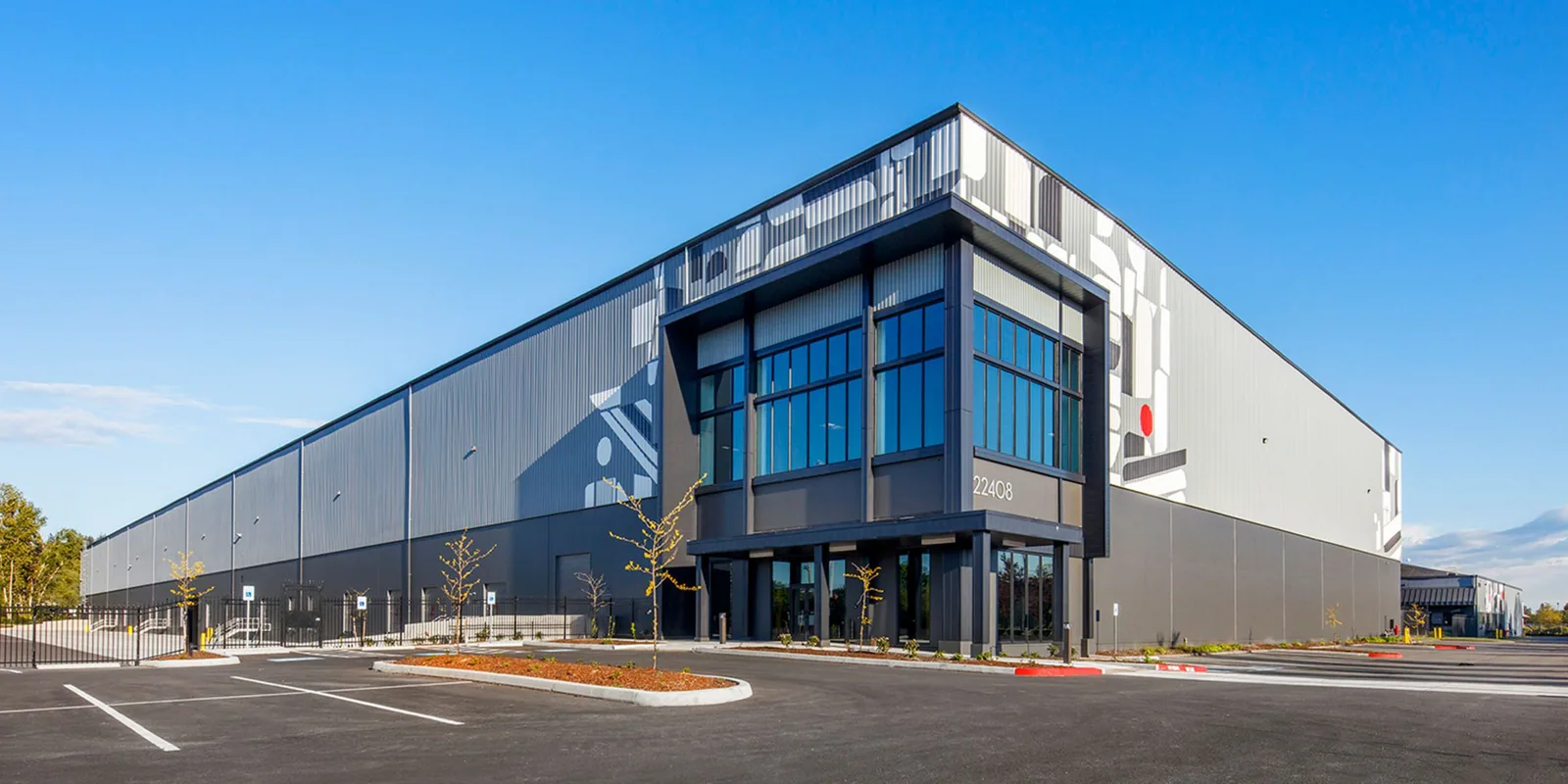
Manufacturers
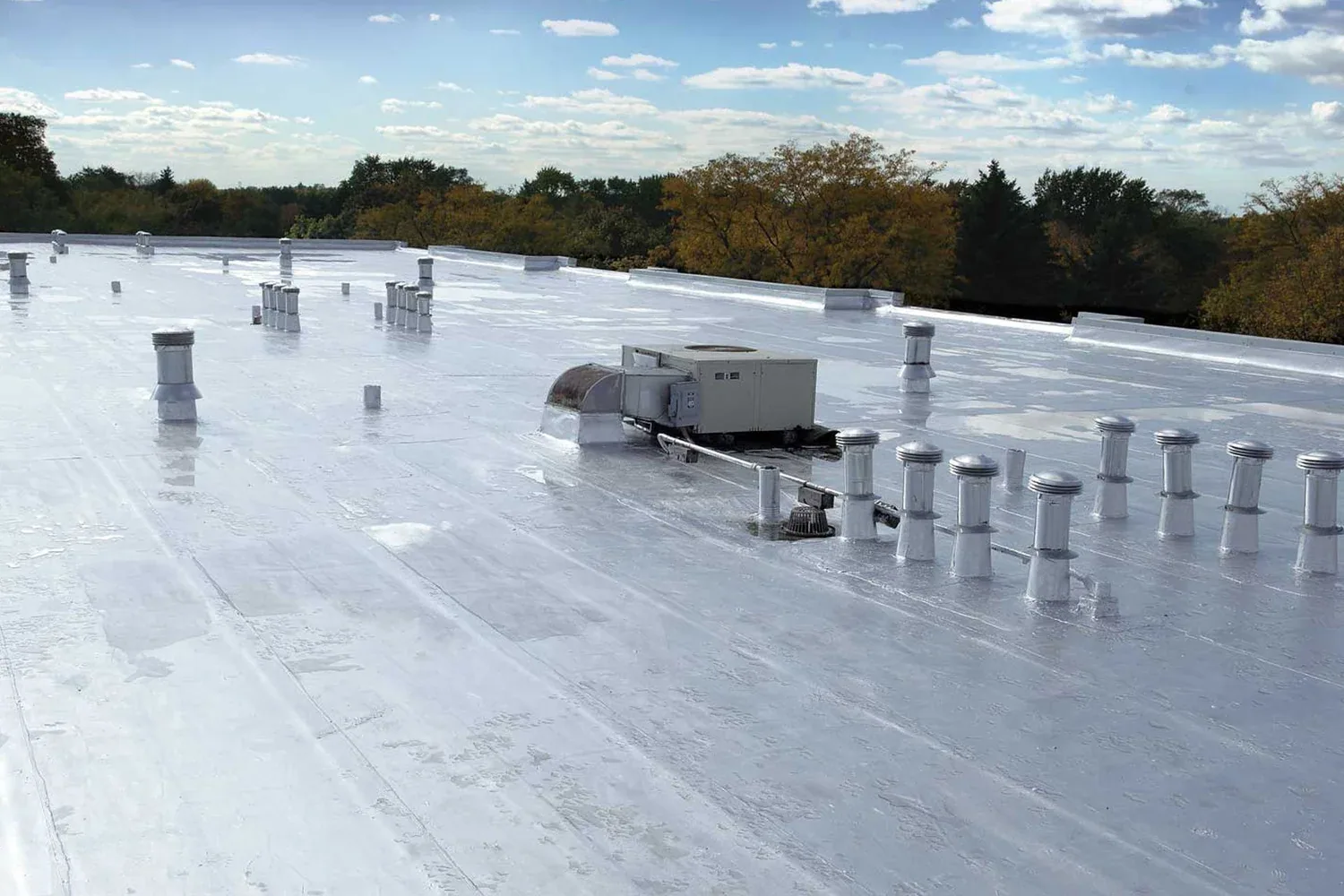
Commercial Roof Drains and Scuppers
Start With the Dock or Bay
Call with the facility address, affected dock or bay, last known leak point and receiving constraints. We will arrange a make-safe visit when needed and provide a written scope sheet for facilities review.
Questions About Logistics and 3PL Operators
What information helps locate a warehouse leak?
Share the property address, dock or bay number, interior mark, last known water point and whether product or equipment is exposed. We compare the report with the roof plan, seams, drains and transitions, then identify what is visible and what needs testing.
Can roof work proceed during loading hours?
The facility contact sets access and operating limits. We document staging, lift location, doors that must stay clear and any temporary restriction before work begins. If the schedule changes, the crew pauses at the agreed boundary and coordinates a revised sequence.
Are dock doors and conveyors part of the roof scope?
Roofing can include membrane and flashing at a roof edge or curb. Door, conveyor, rack, electrical or mechanical work remains separate unless specifically authorized. The estimate identifies those boundaries so the facility can assign the right trade.
How do you handle a temporary protection step?
The location, method and limits are recorded, along with any condition that still needs a permanent repair. Temporary protection is not described as completed restoration. If access was constrained, the report identifies a second visit or test needed to close the item.
What should be in the final building file?
Keep the marked roof plan, dated photos, dock or bay reference, repair materials, completed details, exclusions and open tests. Note access or loading limits that affected the work so another operations manager can interpret the record later.