Service Areas
Commercial roofing service in Aloha, OR, with leak response, roof inspections, drainage checks and repair scopes built from each property's findings.
Commercial Roofing in Aloha, OR
With water reported inside an Aloha, OR building, we confirm the room, last known leak location and roof access before choosing a temporary measure. The first visit protects the area below, checks the details above and records the condition before a patch changes it. The owner receives a dated photo set, a leak-log entry and the next action for the property.
Metro identifies Aloha as a large neighborhood center and names Tualatin Valley Highway and 185th Avenue as a regional corridor. We verify the building's assembly, tenant schedule and drainage on site.
Find the Roof Detail
We compare the interior report with the plan, roof elevations and likely paths around curbs, walls, seams and drains. Water may travel before it appears indoors, so a nearby detail is a candidate to inspect, not a confirmed source. We mark each observation, take close photographs and identify any area blocked by equipment or access limits. That gives the next visit a specific route.
Aloha had 53,828 residents in the 2020 census across about 7.36 square miles. At that scale a single service call can involve many different building uses. For the address being reviewed, the building contact confirms use, roof access, equipment and hours.
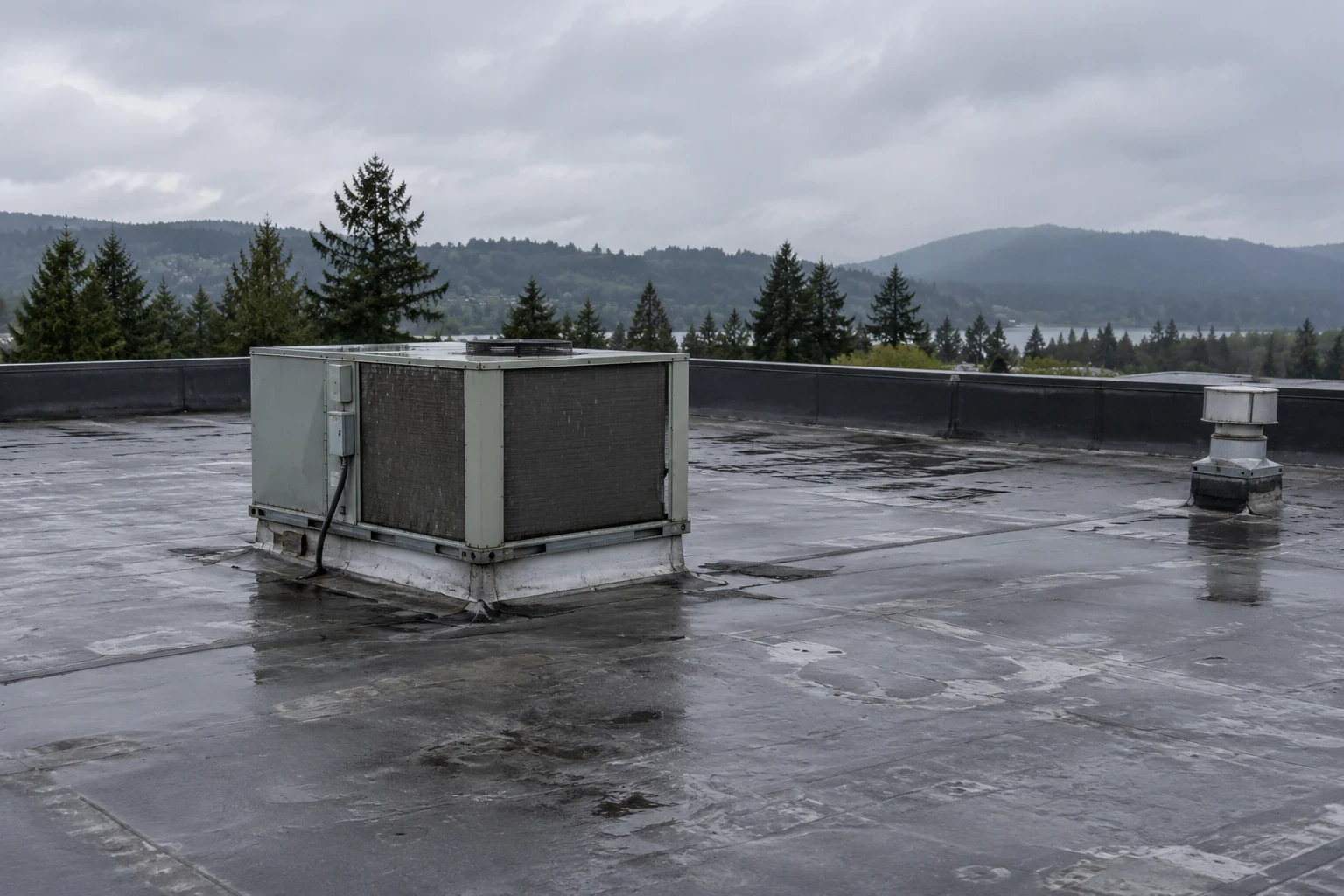
A commercial roof inspection checks membrane seams, edge metal, penetrations, wall flashing and drainage. If the report points to a concealed area, we identify whether infrared screening or a test opening could narrow the work. The report states the method used and what it could establish. A strip shopping center, like the one on Farmington Road at Kinnaman Road, puts several tenant bays under a single roof, so the map separates one tenant's ceiling from the shared field above it and records which suites sit under each roof section.
Protect the Occupied Area
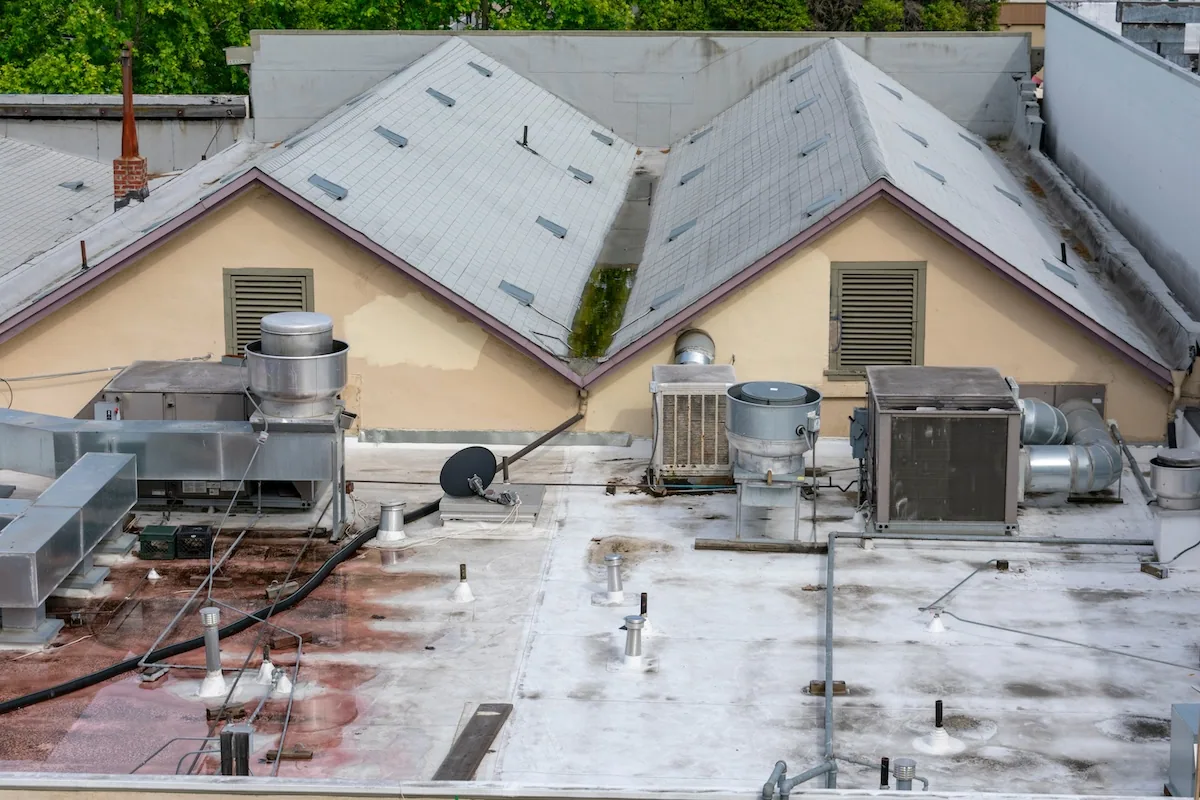
When water is active, the first decision concerns the room below. We identify contents or equipment to protect, document where water is appearing and install a temporary roof measure when access and conditions allow. The note states exactly what the dry-in covers and when it should be checked. Permanent repair remains a separate scope with preparation and tie-in details.
With rain on roughly 151 days a year, follow-up timing matters during the wet season, and the cause stays a question until the roof walk supports it. We name whether water was observed during the visit, reported by the occupant or still needs a post-rain check.
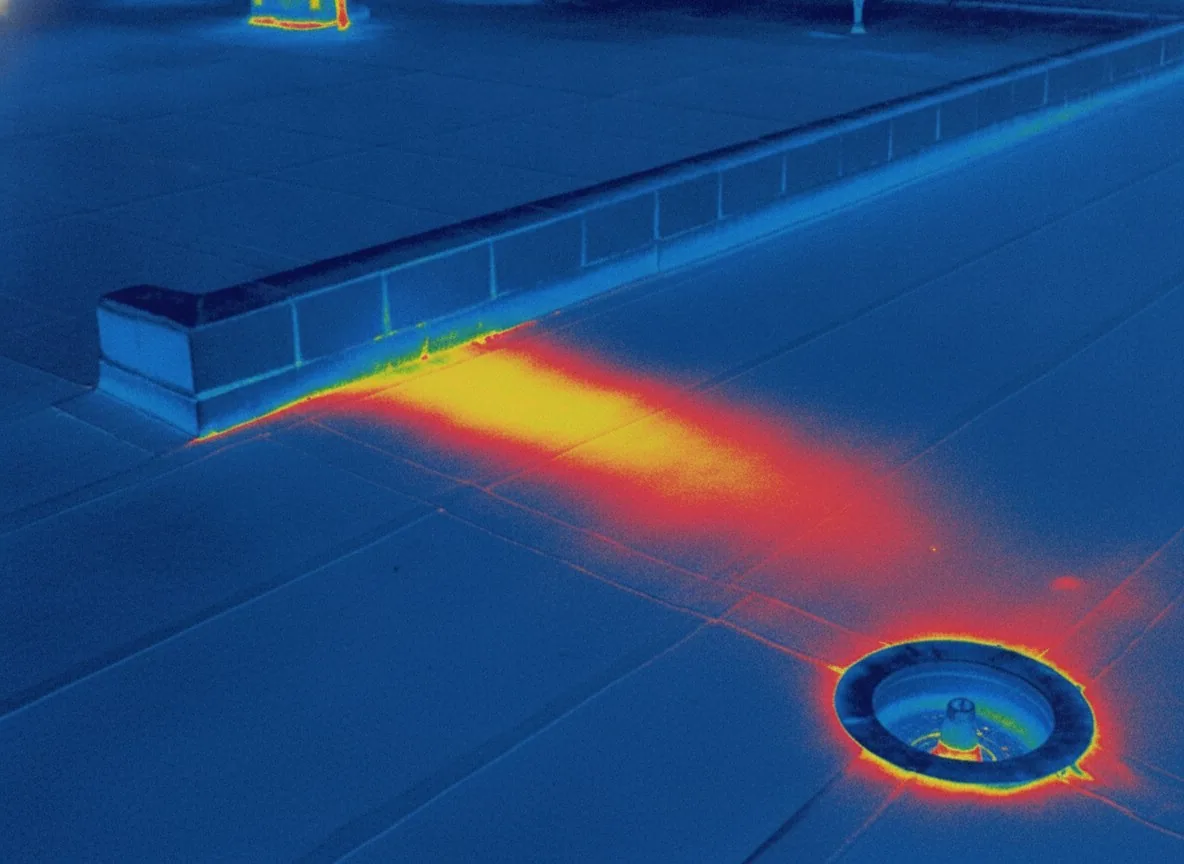
A defined opening or failed flashing can support a leak repair. We show the affected seam or transition, preparation and the material that ties into the existing roof. If water may have moved below the surface, an infrared moisture survey can identify areas for further evaluation. Only the test locations provide direct confirmation of concealed layers.
Keep Water Moving
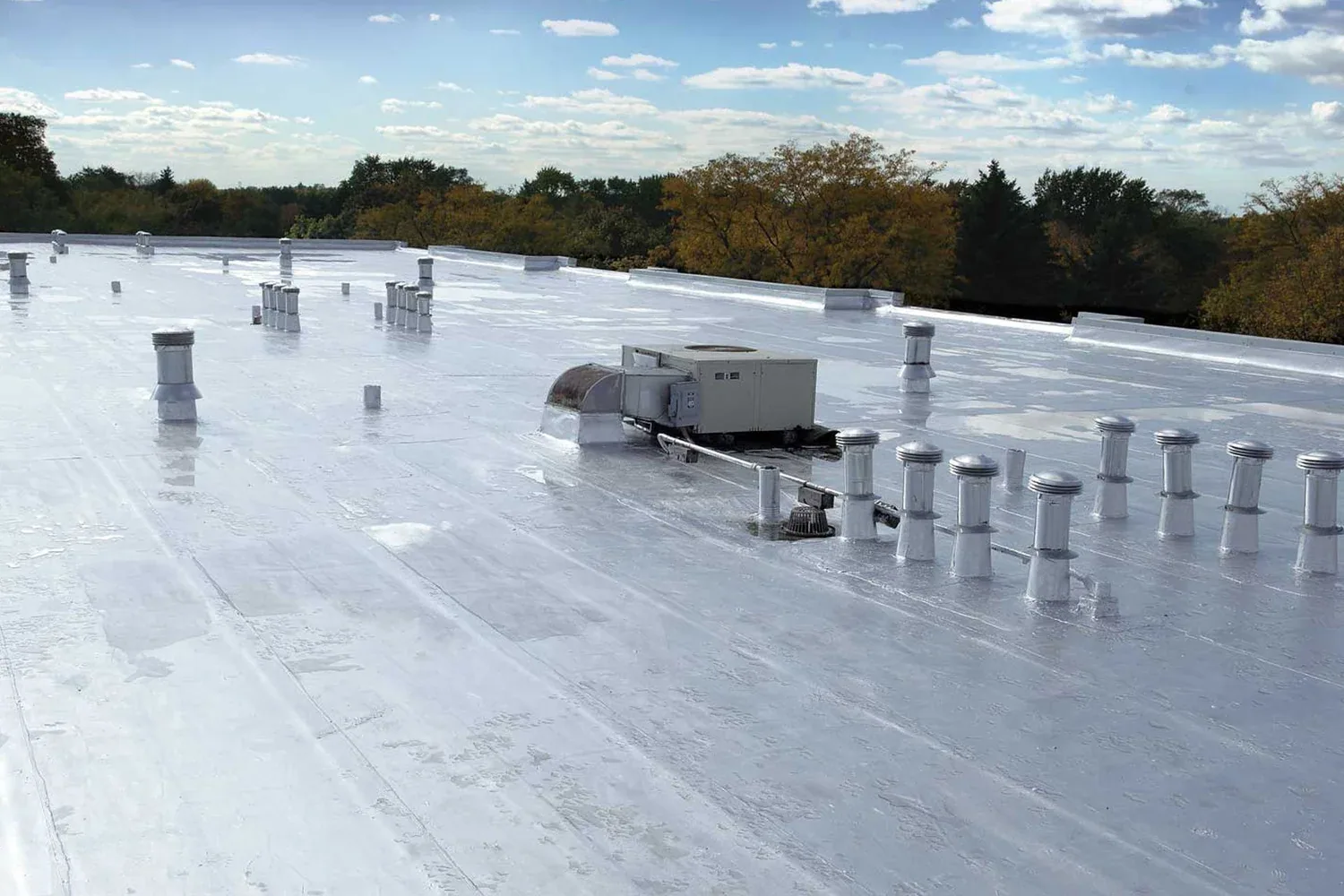
A drainage check follows the route to the outlet. We inspect the drain sump, strainer, clamping ring and surrounding membrane, then look for low areas that hold water. If the surface stays wet after rainfall, we record the location and extent and consider whether insulation slope or deck condition needs testing. Clearing a drain and correcting a low point are different scopes.
The Tualatin Valley Highway and 185th Avenue corridor crosses a broad part of Aloha, and the building's own access plan still governs material delivery, staging and occupied entrances. We confirm the loading point and safe route with the contact.
A drain and scupper repair can define the outlet connection and membrane tie-in. If the drain is sound but water collects in the field, we describe a separate correction and any survey needed to set the slope. The scope lists quantities we can confirm and keeps concealed conditions as assumptions until a test resolves them.
Choose the Right Work
The repair or replace decision follows the boundary and the surrounding materials. We look for repeated patches, open seams, brittle flashing, wet insulation, damaged deck and drainage that cannot be corrected with a local detail. A localized repair stays on the table when sound material remains for a tie-in. If the evidence points wider, the scope presents recovery and replacement as separate choices.
Intel opened its Aloha plant in 1976, its first plant outside California. A plant that old shares the area with newer commercial frontage, so for the building under review we verify the use, assembly and operating limits before describing a work sequence.
A roof recover evaluation checks attachment, drainage, compatibility and existing layers before another system is considered. A replacement scope sets removal boundaries, substrate contingencies, edge transitions and access assumptions. If coating or insulation work is being considered, we identify the test or design question that needs to be answered first.
Coordinate the Work Area
Before staging, we confirm the roof entry, gate or key contact, material route, equipment clearance and work hours. If the building remains occupied, we identify the area that can be closed and the sequence that keeps other operations available. A delivery window on Tualatin Valley Highway does not replace the property contact's loading instructions. Those details go into the work scope.
In Aloha, neighborhood commercial areas include locations along Farmington Road and the Tualatin Valley Highway corridor. A building near an active retail route receives a property-specific access plan and an inspection record for its own roof.
A phased occupied-building scope can arrange protection and work areas around approved operating hours. The schedule names any shutdown, tenant notice or second visit required. A separate property in Beaverton or Cedar Mill receives separate findings and staging instructions rather than sharing an assumption.
Timing depends on access, material lead time, the roof condition and a suitable dry interval. The scope states what can be made safe now and what needs a dry surface for permanent work. If a test could change the repair boundary, we identify the sample location and owner approval before setting final quantities.
Related Roofing Work
Commercial Roof Inspection
Commercial Roof Leak Repair
Infrared Moisture Survey
Commercial Roof Drains and Scuppers
Place an Aloha intake call
Send the property address and last known leak location. We will arrange a make-safe visit, record the roof details and return a written scope sheet with the next decision.
Questions About Aloha
What should I include in an Aloha leak report?
Give us the address, room where water appeared, last known leak location and a contact who can arrange roof access. Note any equipment or contents below that need protection. We use those details to plan the first visit and start the leak log.
Can you work around an operating retail or production schedule?
We confirm hours, delivery routes, roof access and any shutdown before staging. The scope identifies the active work zone and the sequence that needs approval. If a second visit is needed, we state what must be ready before it is scheduled.
Does a wet ceiling mean the roof membrane has failed?
It points to a water entry problem, but the source may be a seam, curb, wall transition or drain path. We trace the report and mark confirmed findings separately from possible routes. Testing is proposed when hidden layers could change the repair.
What is the difference between a dry-in and a roof repair?
A dry-in is temporary protection with a defined boundary and follow-up check. A permanent repair includes preparation and a durable tie-in to the existing roof. The visit record names which work was done and what remains to be approved.
How do you price a recover versus replacement option?
We compare the existing layers, attachment, drainage, wet material, deck condition, access and removal needs. A recover option includes its prerequisites; replacement lists removal and substrate assumptions. If testing can change the quantities, we show that before presenting a final scope.