
Roof Systems
Inspect modified bitumen roofing in Beaverton, OR for split laps, cap-sheet wear, wet insulation and drainage before pricing repair or replacement.
Modified Bitumen Roofing in Beaverton, OR
A split lap or blister can be several feet from the first ceiling mark in a Beaverton, OR building. Room and leak location come first, then a make-safe step if water is moving, then photographs of the modified bitumen roof, nearby drains and transitions before a layer is lifted. Photos and leak log join the building file, and together they show whether the failure is at a lap, flashing, cap sheet or another roof detail.
Beaverton's wet season brings the most rain from November through January, so small openings can stay under pressure between clear days. The inspection checks cap-sheet condition and the assembly below it before a repair is priced. Modified bitumen uses asphalt-modified sheets with reinforcement, installed in plies according to the specified system. The built-up roof alternative has a different layer sequence and should be compared by its actual assembly.
Read Each Ply
We inspect laps, end joints, flashing turns, penetrations and areas where repairs have been added over time. A split cap sheet may expose the reinforcing layer; a blister can trap air or moisture; a worn granule surface may need a different response than an open lap. We mark the exact area and look for movement or moisture around it before recommending a patch, section repair or tear-off.
Beaverton averages about 39 inches of precipitation across roughly 151 days each year, while Wilsonville, in the same metro, has recorded 116 degrees in June 2021 and minus 15 in December 1998. Swings like that open laps and loosen penetrations, so both get reviewed after seasonal movement. We check the actual membrane and substrate, then record the finding in a roof inspection and condition report.
Choose the Repair Method
Modified bitumen can be installed using different methods, including torch-applied, hot-asphalt, cold-adhesive or self-adhered systems, depending on the specified product and site conditions. The repair must match the existing assembly and follow its installation requirements. Before recommending heat or adhesive work, we confirm the substrate, nearby materials, fire controls and access limits in the work area.
A localized patch can fit when the surrounding ply remains bonded and dry. If water has traveled beneath several layers, replacing only the visible cap sheet may leave the cause intact. We identify the tear-off boundary and show whether insulation or deck needs correction. A repair scope lists the layers touched, while a replacement comparison includes the new assembly, flashings and perimeter details. When the project compares roof types, a standing-seam metal assembly brings different attachment, movement and edge details that should be priced against the same building requirements.
Check the Low Areas
Modified bitumen does not remove the need for positive drainage. We check low spots, drain sumps, scuppers and the transitions where water can collect against a curb or parapet. A blocked drain can leave a repair area wet, while repeated ponding can expose an underlying slope or insulation issue. The scope records what is cleared, what is repaired and which area needs further evaluation before new plies are applied.
Modified bitumen's reinforcement and cap sheet work together: the lower plies build continuity, while the exposed surface receives foot traffic and weather. A worn mineral surface, exposed reinforcement and a displaced lap are different findings. We document which layer is damaged, whether the substrate is dry and how the repair will tie into sound material. That level of detail keeps an overlay decision tied to the roof condition.
At Portland Airport about 36.9 inches of precipitation falls over roughly 157 days, and some 32 nights a year sit at or below freezing, which is why drains and flashing are checked first. If the sump or overflow path is part of the failure, the drain and scupper detail should be corrected with the membrane work rather than left as a separate recurring leak.
Sequence the New Layers
Replacement work begins at a boundary that can be opened and protected before crews leave. We remove the specified layers, inspect the exposed deck and insulation, correct approved substrate issues and install each ply in the listed sequence. The final cap sheet turns into flashings and terminations with details suited to the roof and adjoining walls. We photograph the work as each area closes, so the owner has a record below the finished surface.
Work method and access affect timing. A torch application requires site controls for heat and fire risk; adhesive systems depend on surface conditions and manufacturer installation requirements. Delivery staging depends on the property's access and lift points, which differ between a retail center at Cedar Hills Crossing and a factory on the south side of Tualatin, so we confirm the route with the site contact before material arrives. We coordinate HVAC and piping through a curb and support review, keep drains available and set a daily dry-in plan. The owner receives the work limits, open items and next visit in a written scope sheet.
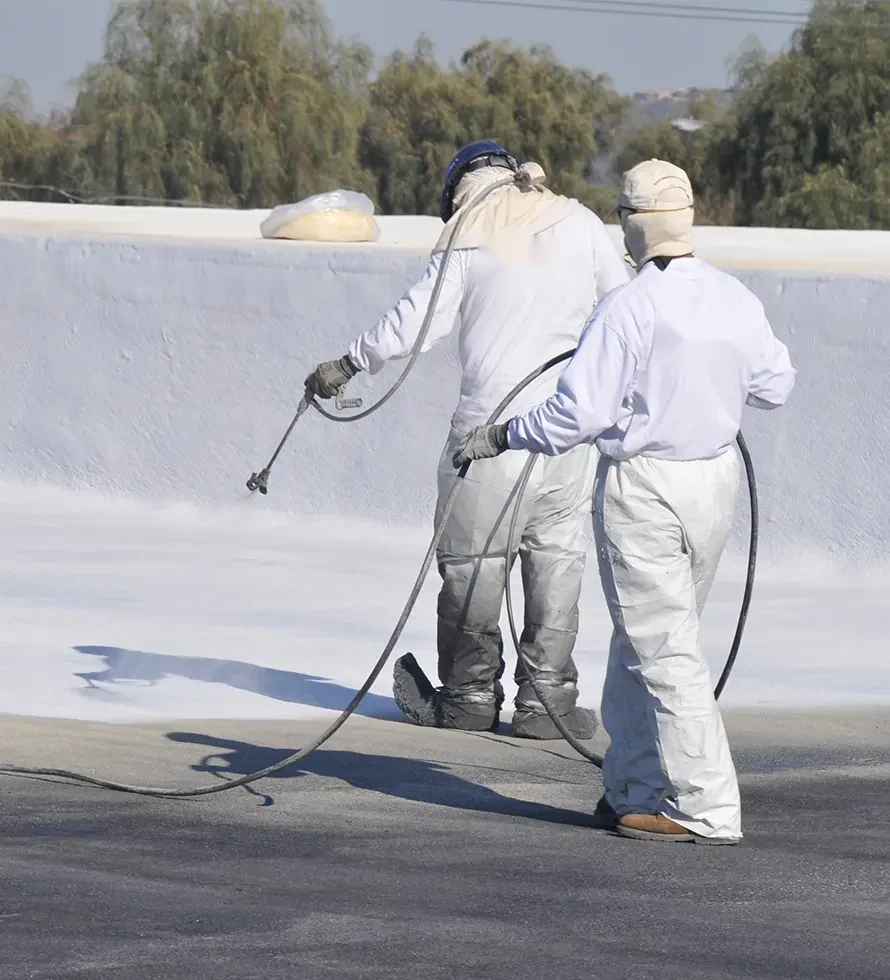
Compare Full Scope Costs
Cost follows the number of plies, roof area, tear-off, wet insulation, deck repairs, cap sheet, flashing, drains, perimeter metal and selected application method. Restricted access, occupied operations and fire controls can affect staging and crew sequence. We list those drivers separately so an owner can compare a repair with a full replacement without assuming that the visible surface tells the whole story.
Closeout should identify the installed layers, repair locations, photos, drainage work and any condition left outside the scope. A cover board and insulation review helps clarify the assembly when replacement is considered. For a Beaverton roof visit, place an intake call with the building address and last known leak location; we will arrange a make-safe visit when needed and provide a written scope sheet.
Related Roofing Work
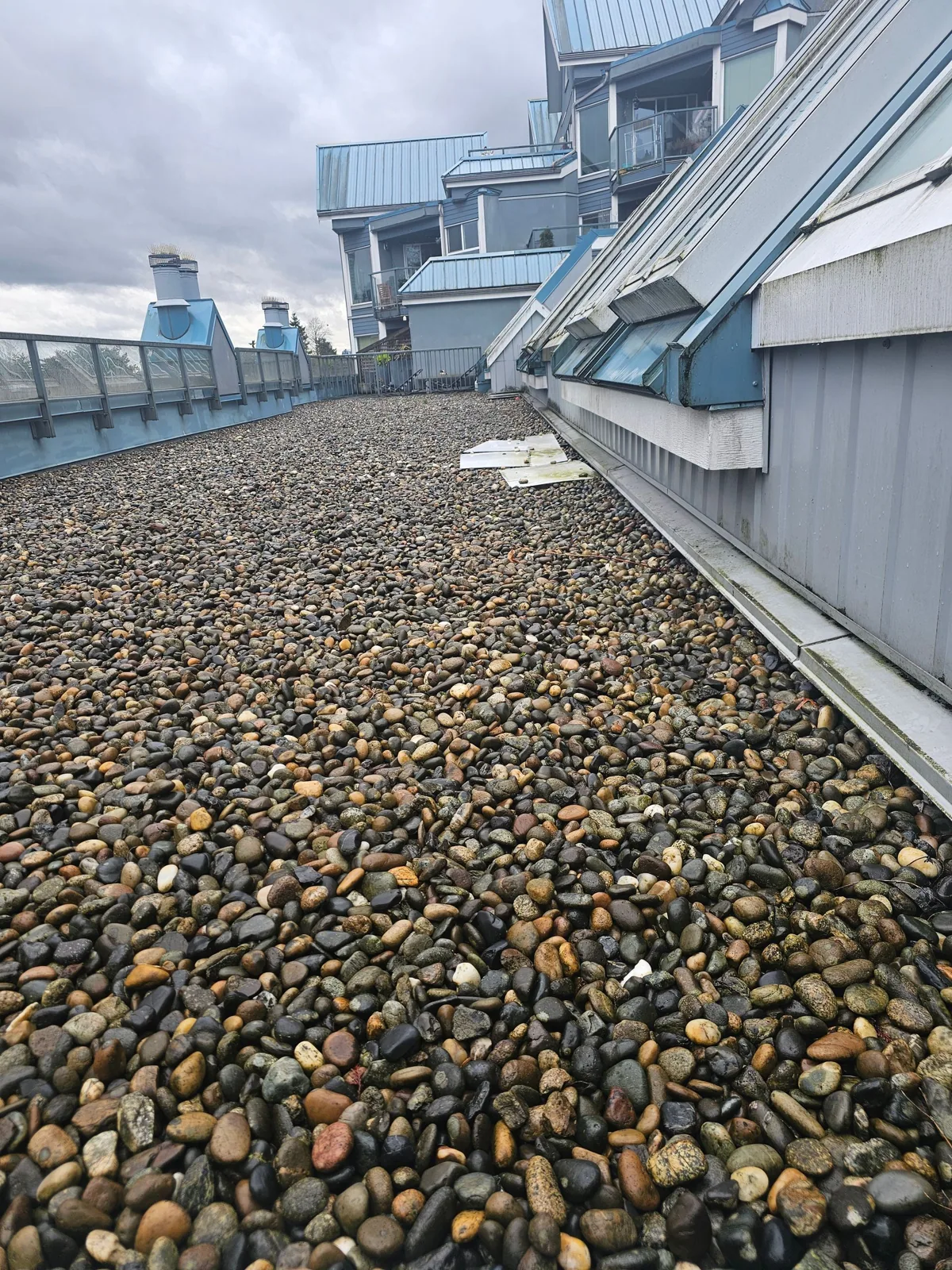
Built-Up Roofing
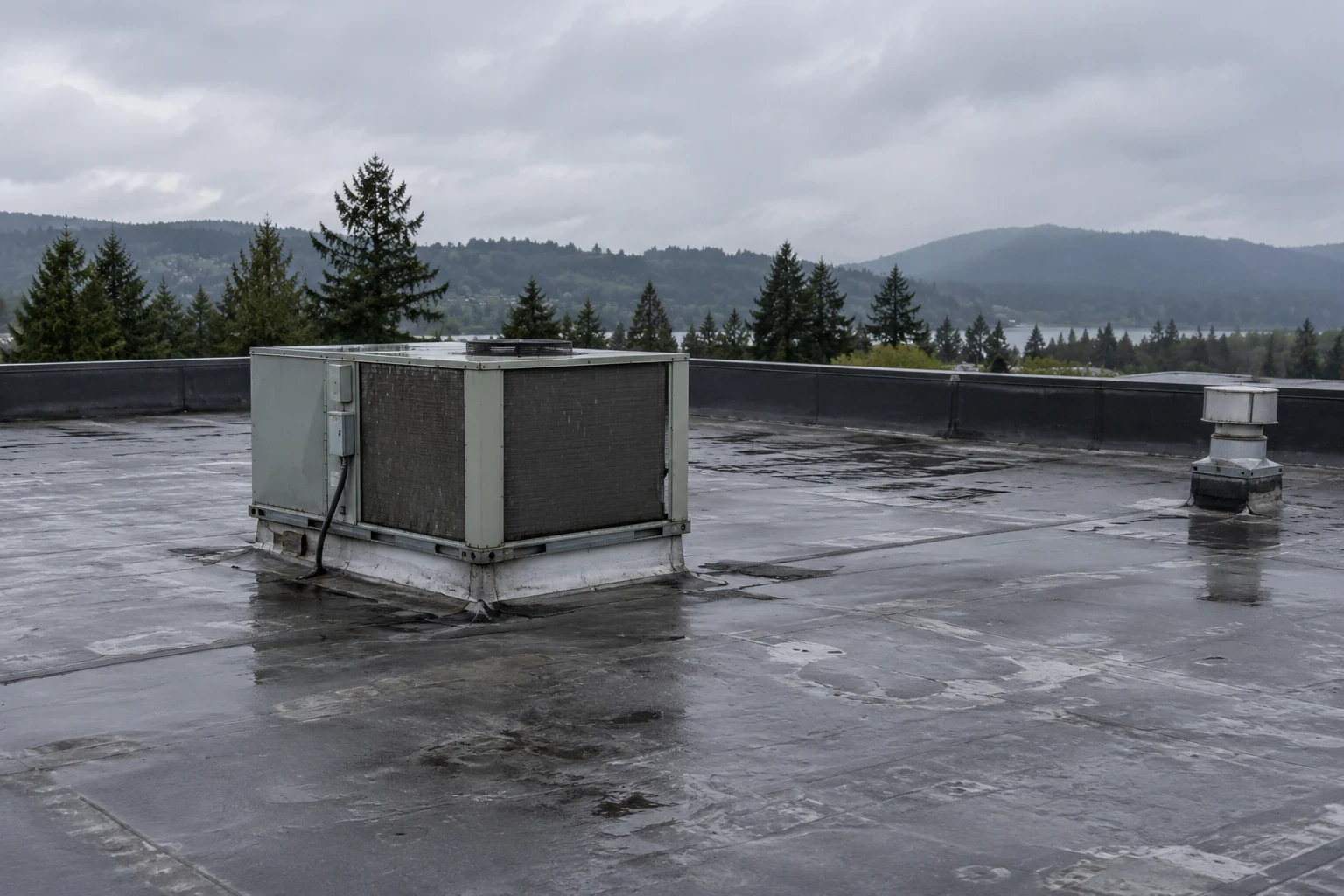
Commercial Roof Inspection

Commercial Roof Condition Reports
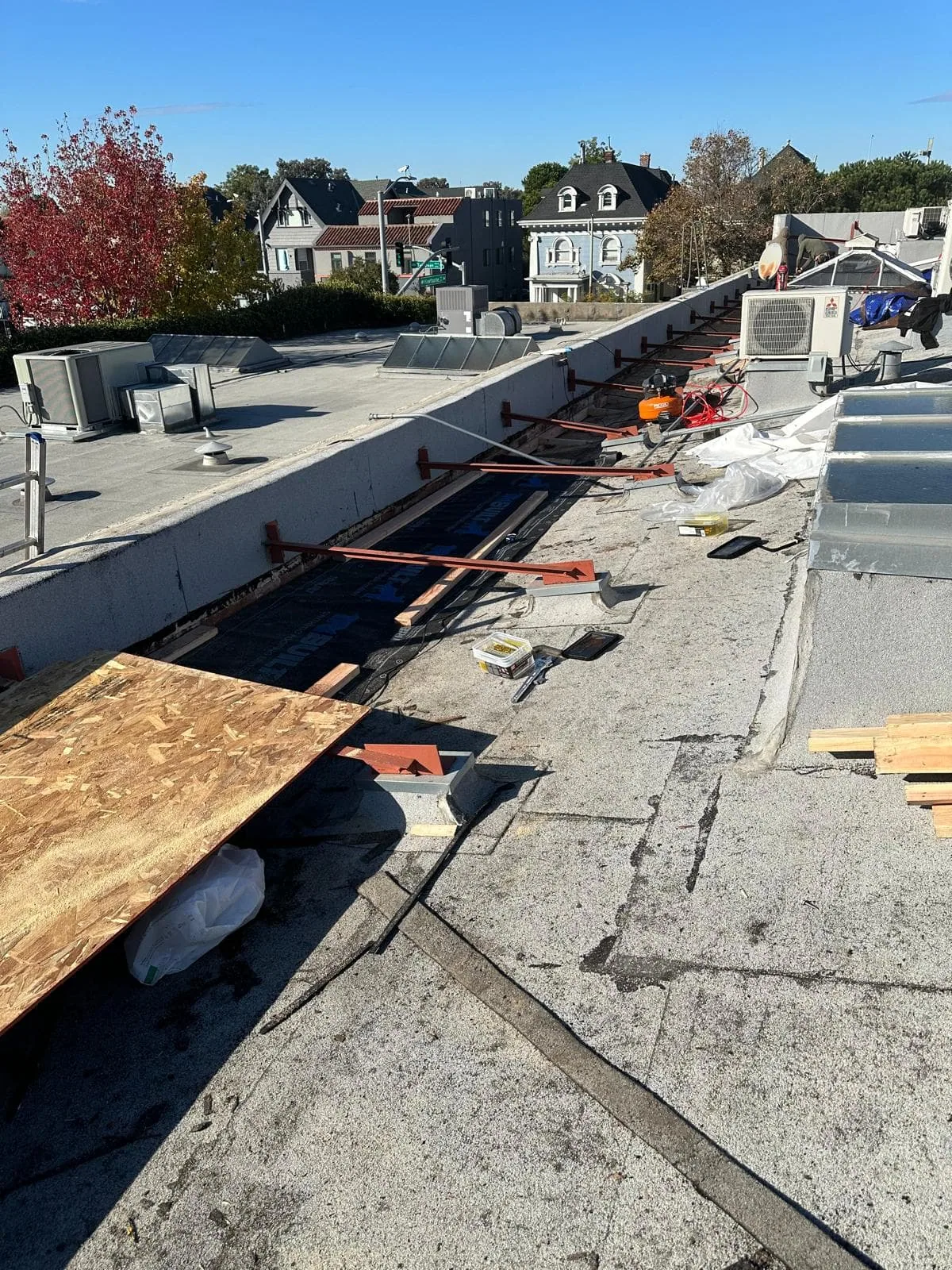
Commercial Roof Repair
Map the Modified Bitumen Layers
Place an intake call with the building address and last known leak location. We will arrange a make-safe visit when needed and provide a written scope sheet for the plies, flashing and drainage work.
Questions About Modified Bitumen Roofing
How can I tell whether a split is in the cap sheet or lower ply?
A surface split can expose reinforcement or another layer, but the scope should establish how far the opening extends. We inspect the lap and nearby plies, then open a limited area if the condition below cannot be confirmed from the surface. Photos show what was found before a repair is selected.
Can a modified bitumen roof be patched during wet weather?
The repair surface needs conditions suited to the material and method. We can make the interior safe and protect an opening, then schedule permanent work when the substrate is suitable. The report identifies the temporary protection separately from the permanent ply repair.
Does every modified bitumen repair use a torch?
No. Application depends on the original assembly, repair product, adjacent materials and site controls. We identify the method in the scope and confirm the preparation and safety requirements before work starts. A product or method is not assumed from the roof's age or appearance.
When is a full replacement worth comparing?
Compare replacement when failures recur across multiple plies, insulation is wet in several areas, or flashing and deck conditions are no longer isolated. We map the affected zones and identify the test openings that support the recommendation. The proposal separates the new assembly from repairs to the deck and drainage.
What should I keep after the project?
Keep the layer description, application method, repair locations, closeout photos, drain notes and any open condition with the building file. We provide those details so a later inspection can follow the same roof areas and compare the current condition with the work completed.