
Roof Systems
Compare KEE roofing in Beaverton, OR by membrane condition, chemical exposure, seam details, drainage and project requirements before selecting a scope.
KEE Roofing in Beaverton, OR
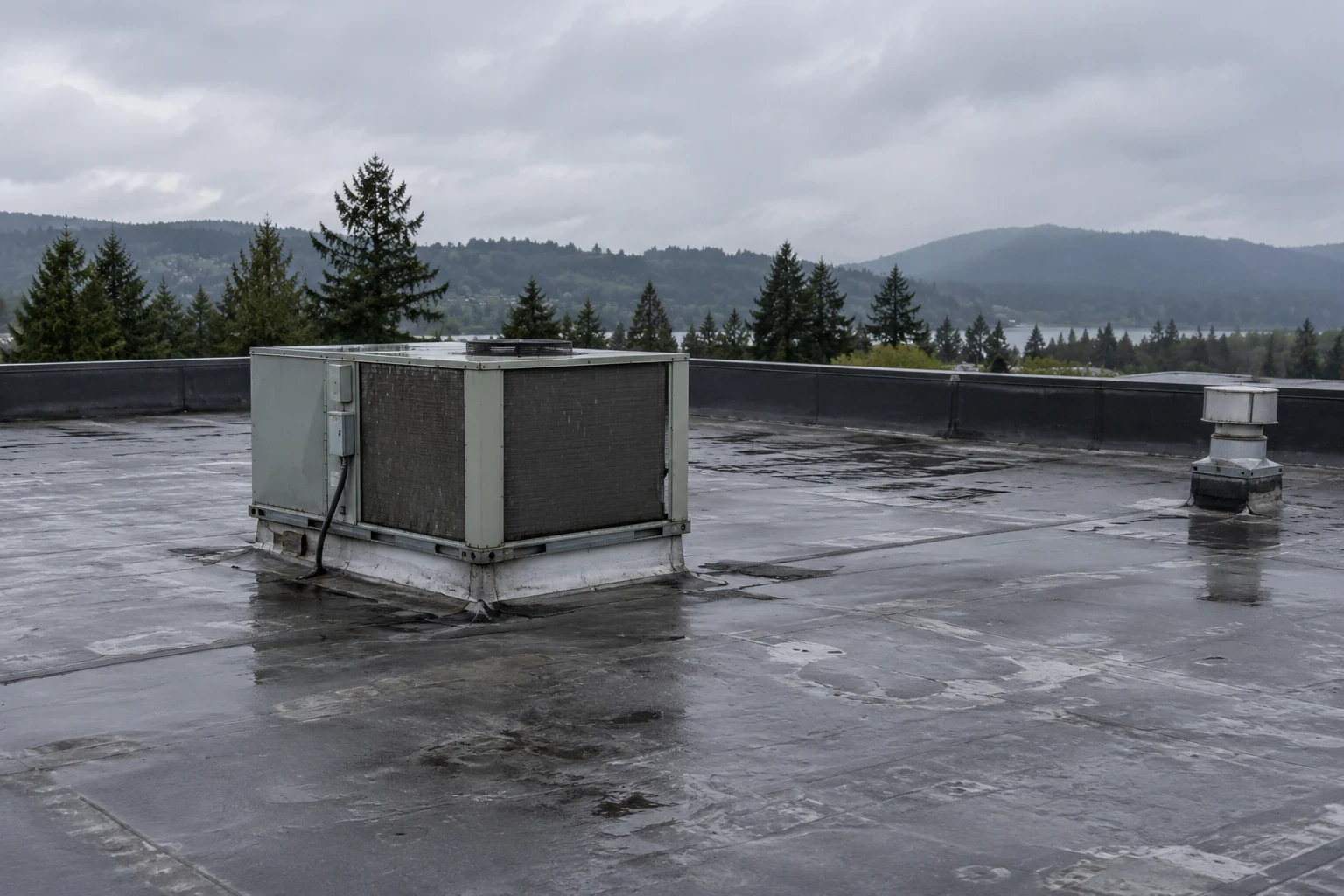
On a thermoplastic roof the first-hour check begins at the seam, once a Beaverton, OR building has reported water. The crew confirms the room and leak location, makes the area safe, and photographs membrane, flashing and drains before any detail is opened. Those pictures join the building file beside the next repair decision. KEE is a PVC-alloy membrane, so the inspection records the actual sheet and system components before comparing a repair with a new assembly.
Technology, optics, test-and-measurement and food-processing operations stretch toward Hillsboro, and process equipment and roof access are worth mapping before anyone quotes. We identify the exhaust paths, service routes, seams and penetrations at the property before deciding whether KEE fits the project requirements or whether a different PVC membrane should be considered.
Identify the Existing Sheet
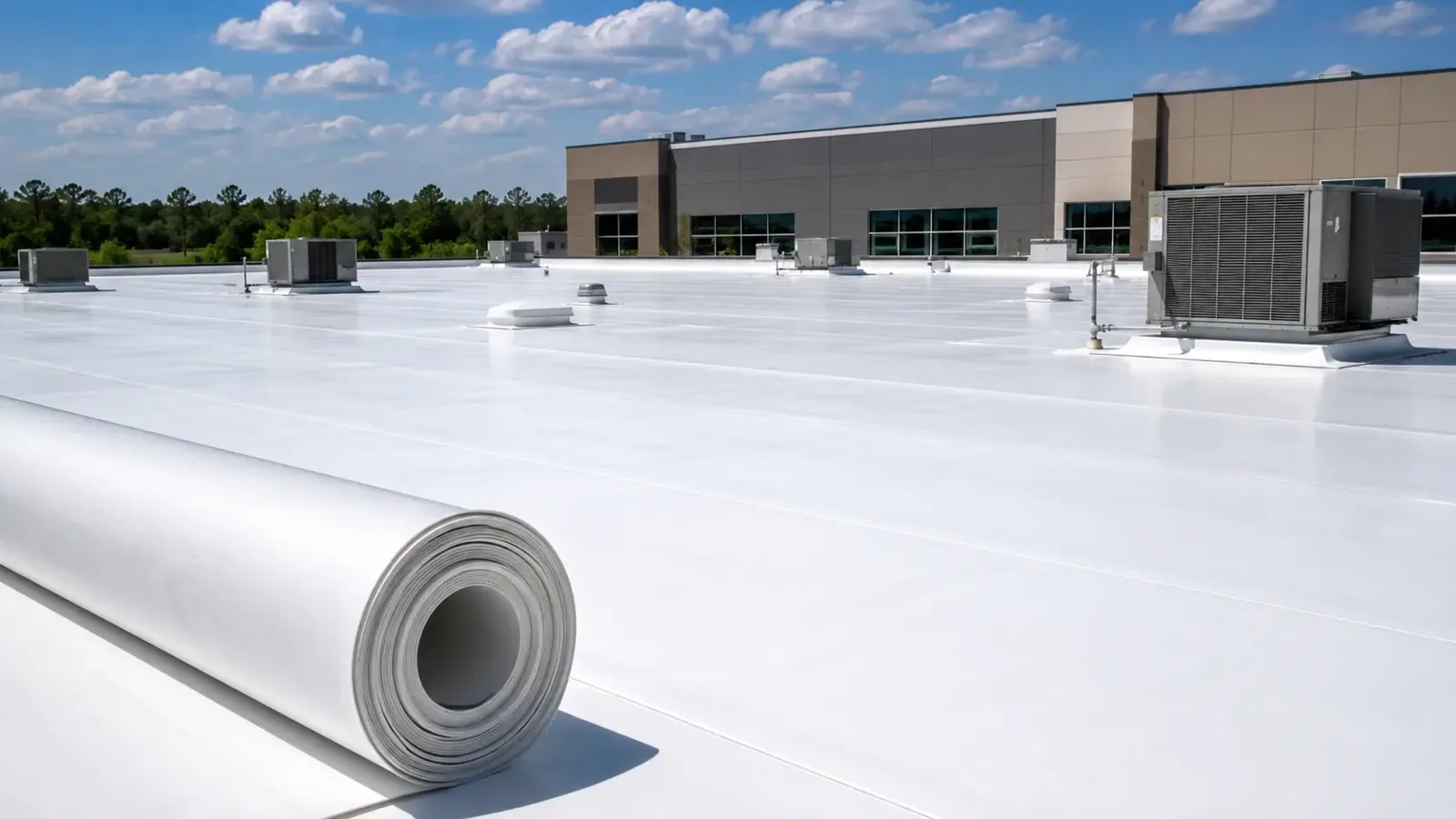
KEE and standard PVC both use heat-welded seams, but the membrane formulation and accessory requirements must be confirmed from the installed system. We inspect sheet markings where visible, review available building records and compare the field with the details at walls, curbs and drains. A repair material should be compatible with the membrane and flashing, not selected by color or a generic product label.
Tanasbourne and AmberGlen, a regional center in western Washington County, and the mixed-use core of Orenco Station each carry their own equipment and service needs. The building's actual equipment is noted before seam condition goes into a roof inspection and photo record.
Match Exposure to the Assembly
A KEE selection should follow the expected exposure and the design requirements for the roof. We ask what materials contact the membrane, how exhaust is routed and whether equipment service repeatedly crosses the same area. Surface changes, brittle flashing or lifted edges are clues to investigate, not enough by themselves to assign a cause. If chemical exposure is part of the decision, the owner or design professional should identify the substance and compatibility criteria before the roofing assembly is specified.
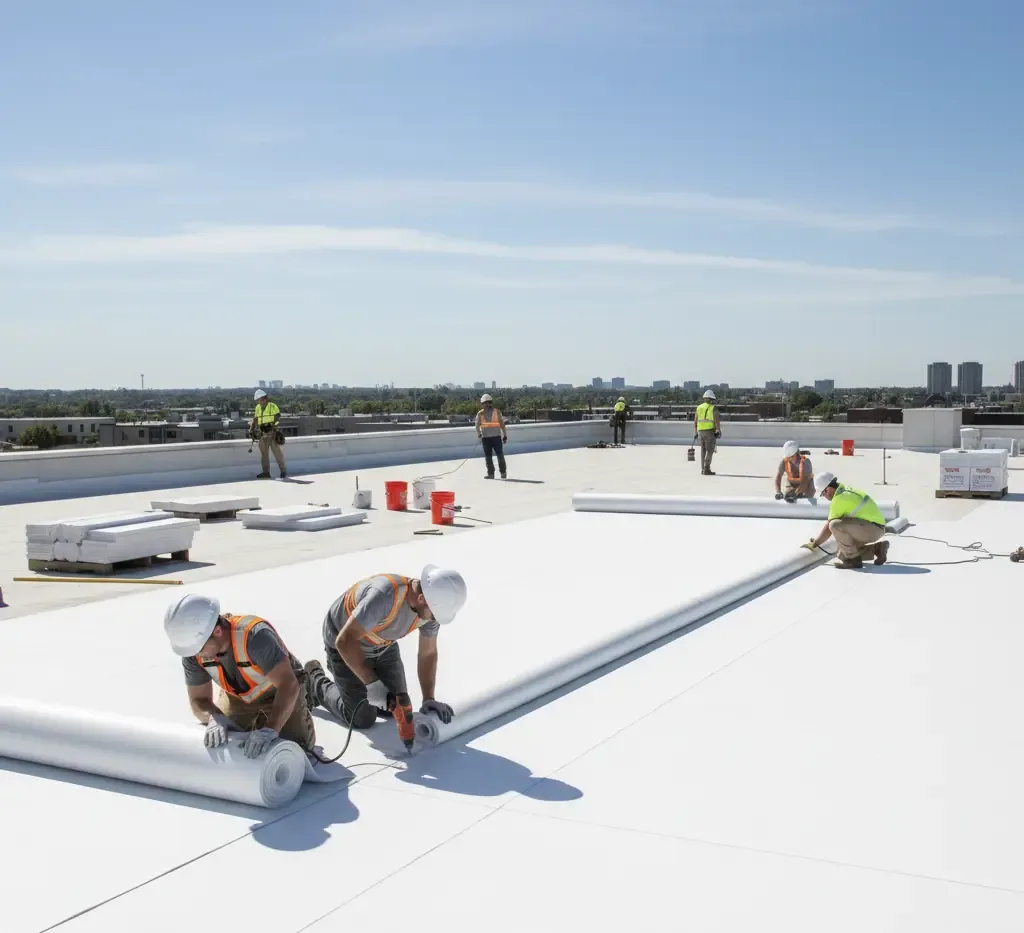
On June 28, 2021 Portland hit a record 116 degrees and a record warm low of 75, and heat like that makes temperature and rooftop equipment part of roof planning. We check seams, terminations and exposed flashing for the actual condition. A TPO assembly may be an alternative under the project criteria, while a rubber membrane uses different bonding and seam details.
The project record should distinguish the installed sheet from flashing accessories and cover strips, because a repair may cross more than one material. We record where the field membrane ends, what detail turns up at each penetration and whether an earlier patch changes the weld area. Those notes help the owner compare the proposed repair with the actual roof build-up instead of relying on a system name alone.
Test the Failure Point
When water appears below a KEE roof, we trace the path from the interior report to the nearest seam, curb, pipe boot or wall transition. A failed patch, open weld or loose termination can admit water even when most of the field remains serviceable. We test representative seams, mark the affected area and check for wet insulation before selecting a localized repair. If moisture has spread, the scope identifies where an opening or additional test is needed.
A repair uses compatible membrane, prepared surfaces and a weld that can be checked after cooling. We document the patch limits and the transition to existing material. If the field has repeated failures or the substrate has lost support, a targeted repair may not be the right capital choice. We compare it with a replacement scope that lists tear-off, insulation, deck corrections and perimeter details separately. Each weld is checked along its edge after it cools, and the check points are marked on the plan so the next visit can find them.
Plan the New Tie-Ins
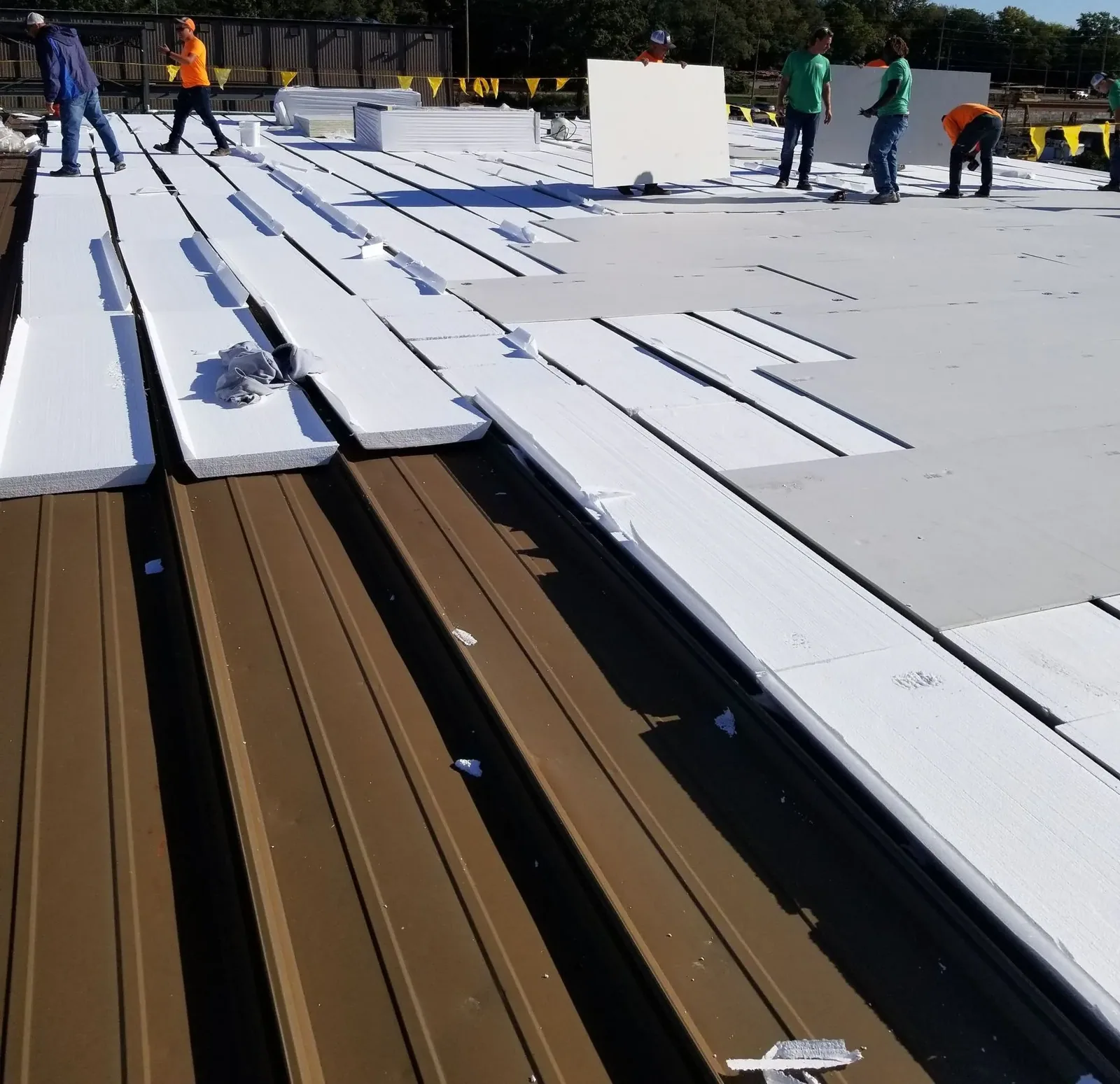
Replacement starts with the deck, insulation, attachment and perimeter details, then carries the KEE membrane through each curb, drain and parapet. We define the dry-in area and close each zone before leaving the roof. A new membrane cannot correct a blocked drain or an unstable curb, so those items are repaired and documented as part of the assembly. The scope sheet records which trade moves equipment and who is responsible for final flashing at each penetration.
During a wet Beaverton winter, exposed roof area and surface conditions limit how much work can proceed at once. We plan tear-off around the dry-in method, protect open edges and keep moisture from being sealed beneath the new sheet. Equipment clearances and roof access remain available where required. A curb and support detail should be coordinated before the membrane closes around the unit, and the owner receives photos at each transition.
Before crews arrive, we also confirm staging, lift access and the sequence for any equipment that must remain in service. The plan marks daily dry-in limits, where materials can be placed and which drain paths must remain open. Photos at the phase boundary show the work completed and the area protected for the next visit, giving the building manager a record of each transition.
Price the Complete Roof
Cost depends on membrane area, removal, insulation, deck repairs, attachment, flashing, drain work, chemical-exposure review and access. A KEE product choice alone does not determine the scope. We list the existing condition, proposed build-up, detail work and concealed-condition allowance so the owner can compare repair, recover and replacement on equal terms. If the specifications require compatibility documentation or project submittals, those review steps are listed before work starts.
Closeout includes installed membrane identification, seam and flashing photos, drain notes, work limits and maintenance items. The record stays in the building file for the next inspection. A cover board review may address an assembly layer separately from the membrane choice, and a Beaverton roof visit starts with the building address. The owner receives a written scope sheet for the next capital decision.
Related Roofing Work
PVC Roofing
Commercial Roof Inspection

Commercial Roof Condition Reports
TPO Roofing
Set the KEE System Scope
Place an intake call with the building address and last known leak location. We will arrange a make-safe visit when needed and provide a written scope sheet for membrane compatibility, seams and roof details.
Questions About KEE Roofing
What does KEE change compared with PVC?
KEE is a PVC-alloy formulation, while each installed system has its own membrane and accessory requirements. We identify the existing product and project criteria before pricing. The assembly decision also considers exposure, attachment, seams, flashing and the roof substrate.
Can a KEE membrane be repaired with any PVC patch?
The repair material must be compatible with the installed membrane and system details. We check the sheet, prepare the surface and weld the patch using the applicable procedure, then inspect its perimeter. If the product cannot be confirmed, we resolve that before installing a permanent repair.
How do you evaluate chemical exposure?
We map exhaust and discharge locations, record visible changes and ask the building operator to identify the material involved. The owner or design professional supplies the compatibility criteria where a specific chemical is part of the decision. A roofing recommendation follows those details rather than assuming exposure from the building type.
When should I consider replacing a KEE roof?
Replacement enters the comparison when failures recur across the field, wet insulation extends beyond a detail or the deck and attachment no longer support a localized repair. We document the affected areas, test limits and remaining assembly condition, then show the repair-or-replace threshold in the scope.
What should the KEE closeout record include?
Keep membrane identification, seam and flashing photos, drain work, repair limits and any compatibility documentation with the building file. We note where new material joins the existing roof and identify the maintenance checks that remain after the project.