Commercial Roofing Services
Planned commercial roof repair in Beaverton, OR: repair boundaries, dry substrate, cold-weather methods and a dated log of every patch and detail rebuilt.
Commercial Roof Repair in Beaverton, OR
Repair work starts after the make-safe visit, once the water has stopped and the roof can be read. That sequence matters. A patch laid over a wet substrate fails by the next storm, and a patch laid without a clear boundary leaves the original problem in place. Our commercial roof repair in Beaverton, OR follows a set order: locate the failure, mark the repair boundary, dry or remove what is wet, make the repair, then log it.
The log is the point for asset managers. Each repair becomes a dated entry with a photo, a location on the roof plan and a note on what failed, so the building file shows patterns rather than isolated tickets.
Mark the Failure, Then the Boundary
The visible damage is rarely the whole problem. A split seam may have opened along a longer line, and a punctured area may sit over insulation that has taken on water. We walk the area around the defect and mark where sound material begins. That line is the repair boundary, and every repair stops on good ground rather than inside weak material.
Probing and moisture checks around the opening show how far the water traveled. Some repairs stay small. Others reveal that a larger section of membrane has aged past a patch, and we say so before work begins. The point is a repair that holds, not a ticket closed quickly.
Details Fail Before Fields
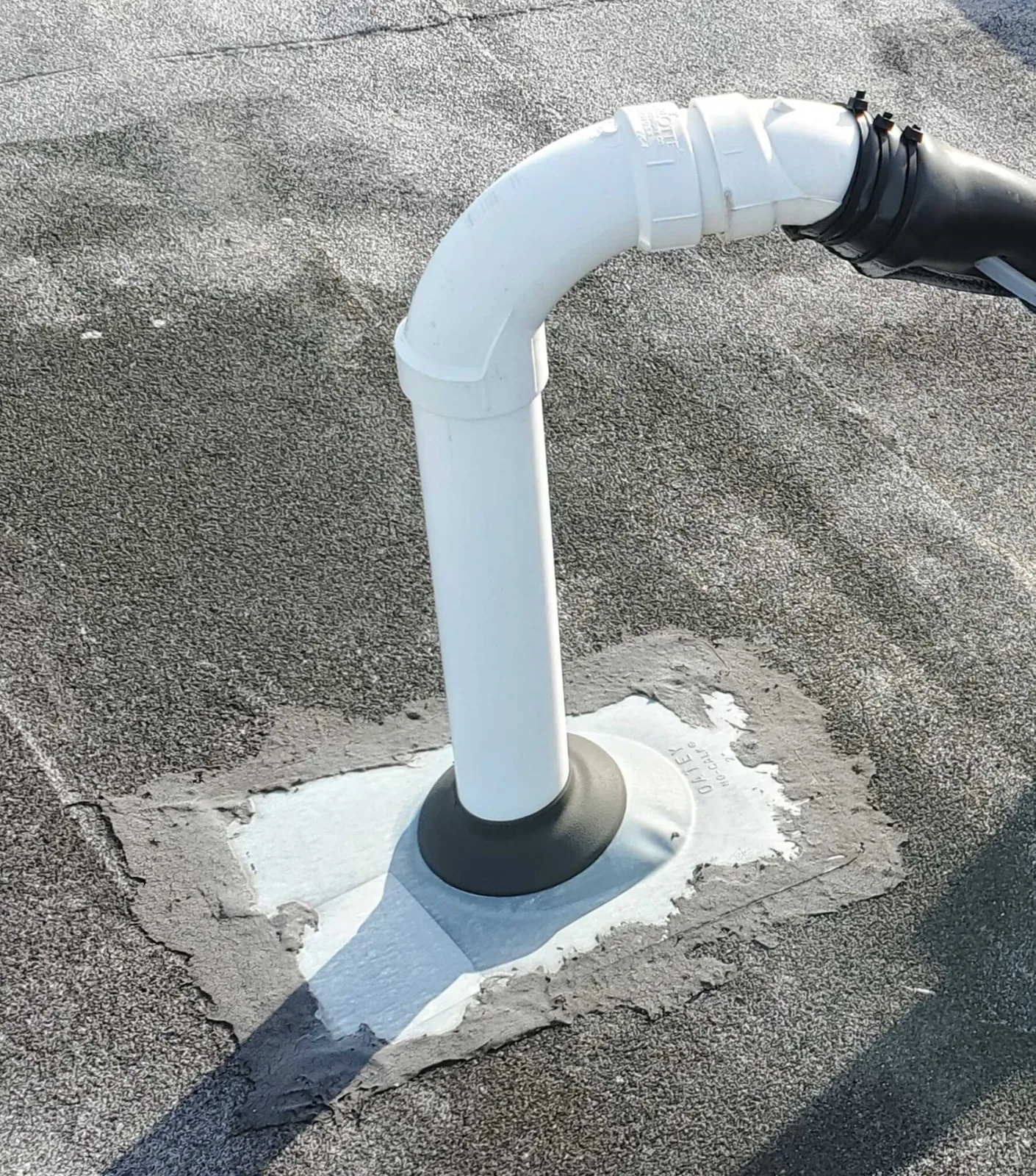
On most low-slope roofs the open field of membrane outlasts its details. Flashings at walls and curbs, pitch pockets, pipe boots, drain bowls and terminations carry movement and weather exposure that a field sheet never sees. When a leak shows up in a Cedar Mill office or a retail unit near Cedar Hills Crossing, the entry point is more often a detail than a hole in the middle of the roof.
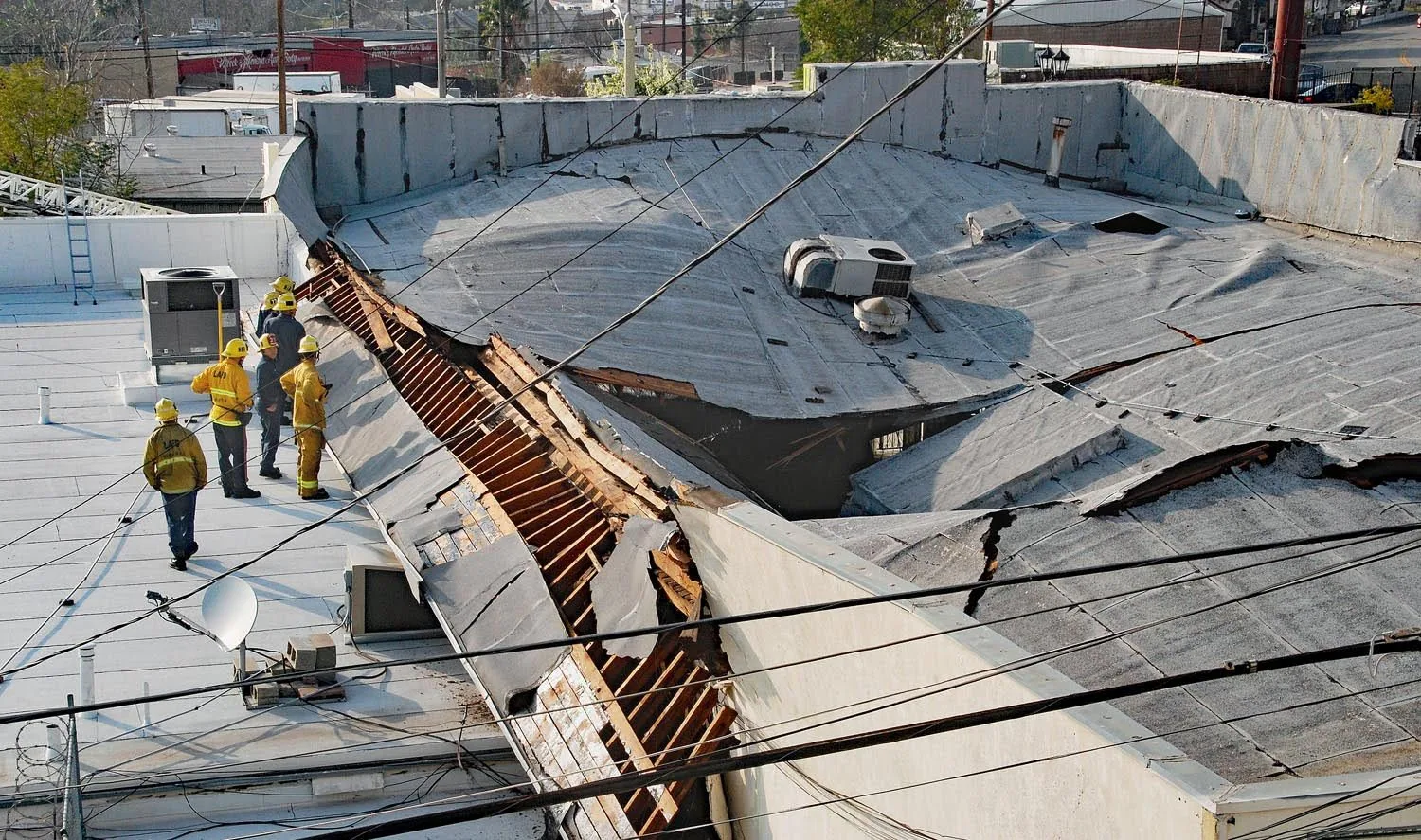
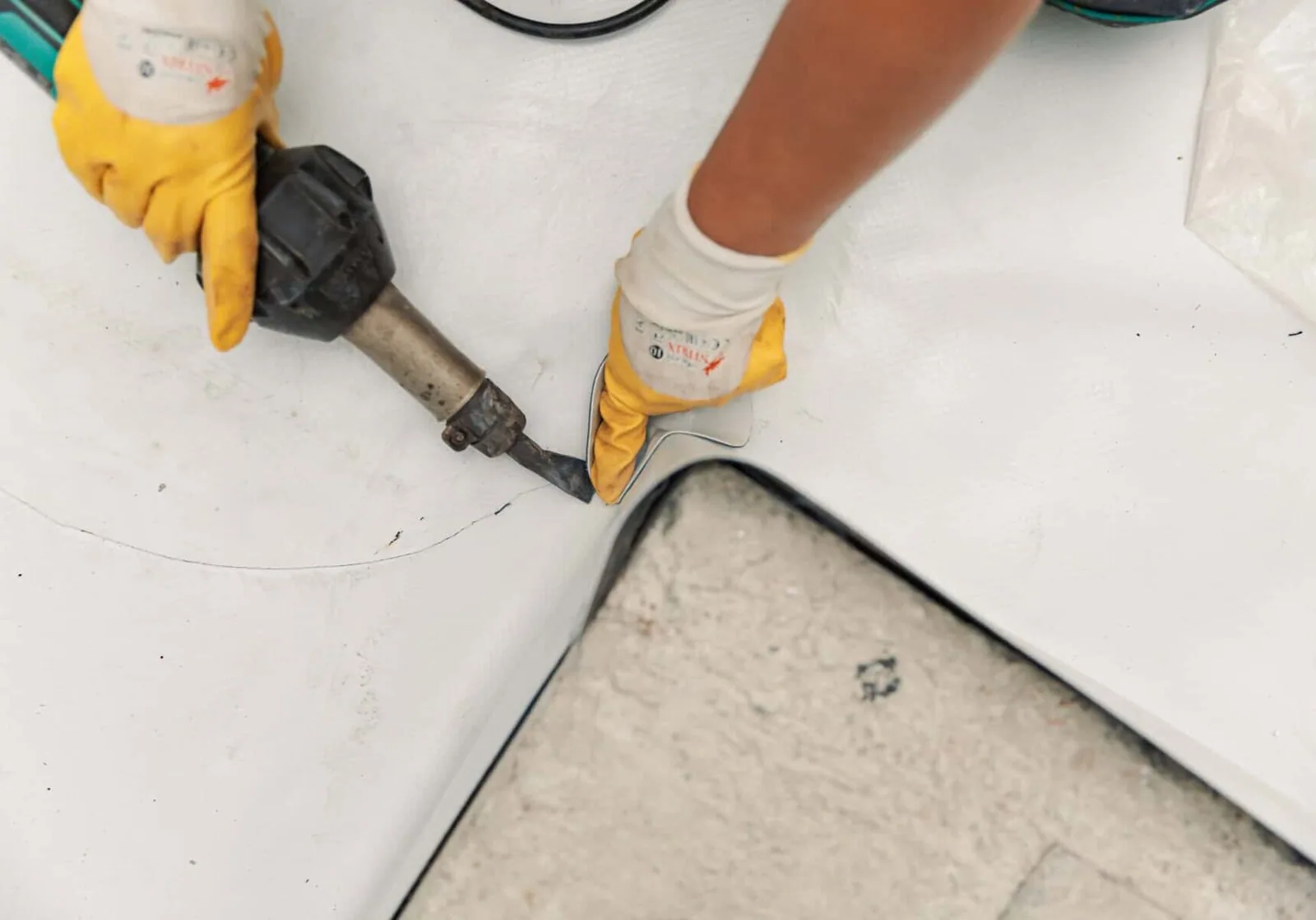
We treat flashing failure by rebuilding the detail with compatible material, not by smearing sealant over it. Sealant has a place as a temporary measure, but a sealed-over failure keeps moving and opens again. For punctures from foot traffic or equipment service, membrane puncture repair uses a patch sized to the damage with proper overlap and, where the system calls for it, welded seams.
Dry Material Takes the Patch
Adhesion depends on a clean, dry surface. Beaverton records roughly 151 days of precipitation a year, so we plan repairs for the dry hours and carry means to dry small areas on site. A patch applied in a damp film trap moisture under itself, and the damp spot grows.
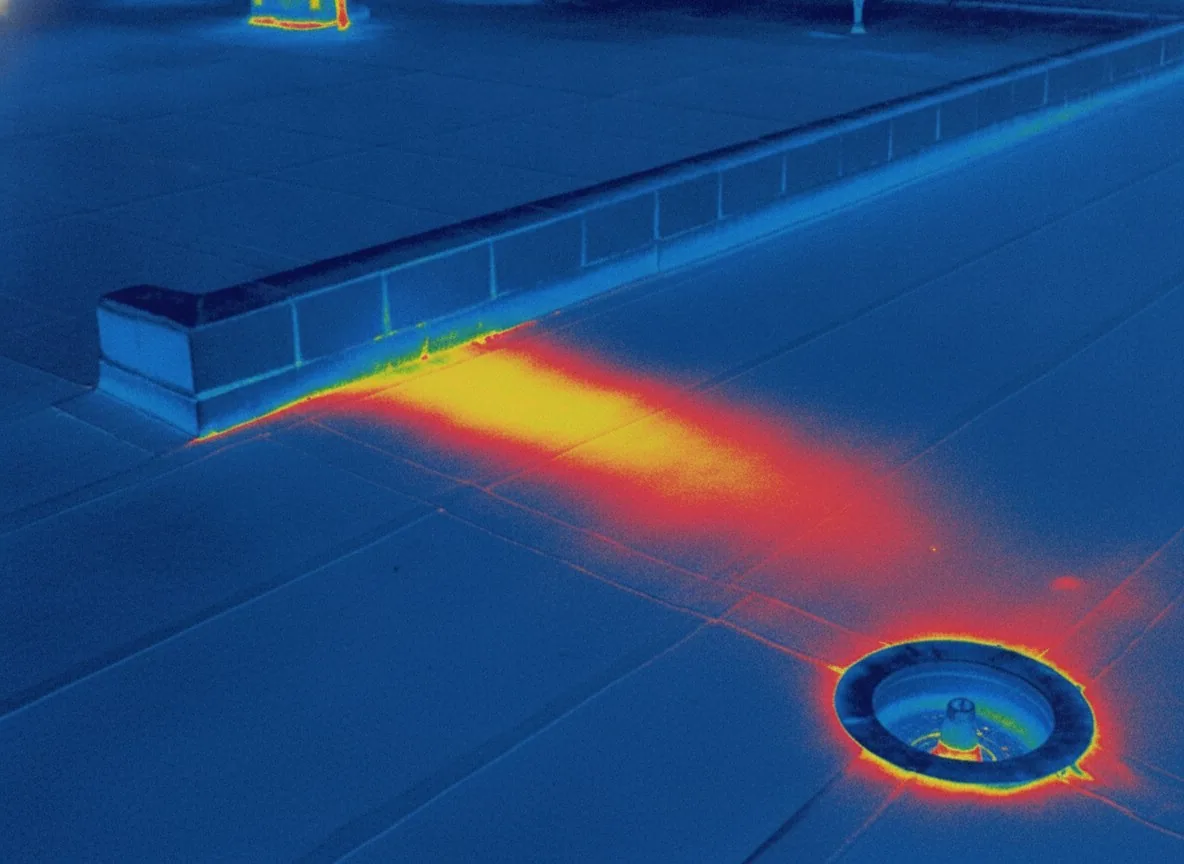
Where insulation beneath the failure is wet, it comes out. We cut back to dry, sound board, replace it with matching thickness, and tie the new membrane into the existing one with the overlap the manufacturer calls for. This is slower than a quick patch and it holds up through the next November. For larger wet areas a moisture survey maps the zone before we cut.
Seams and Ponding Share a Cause
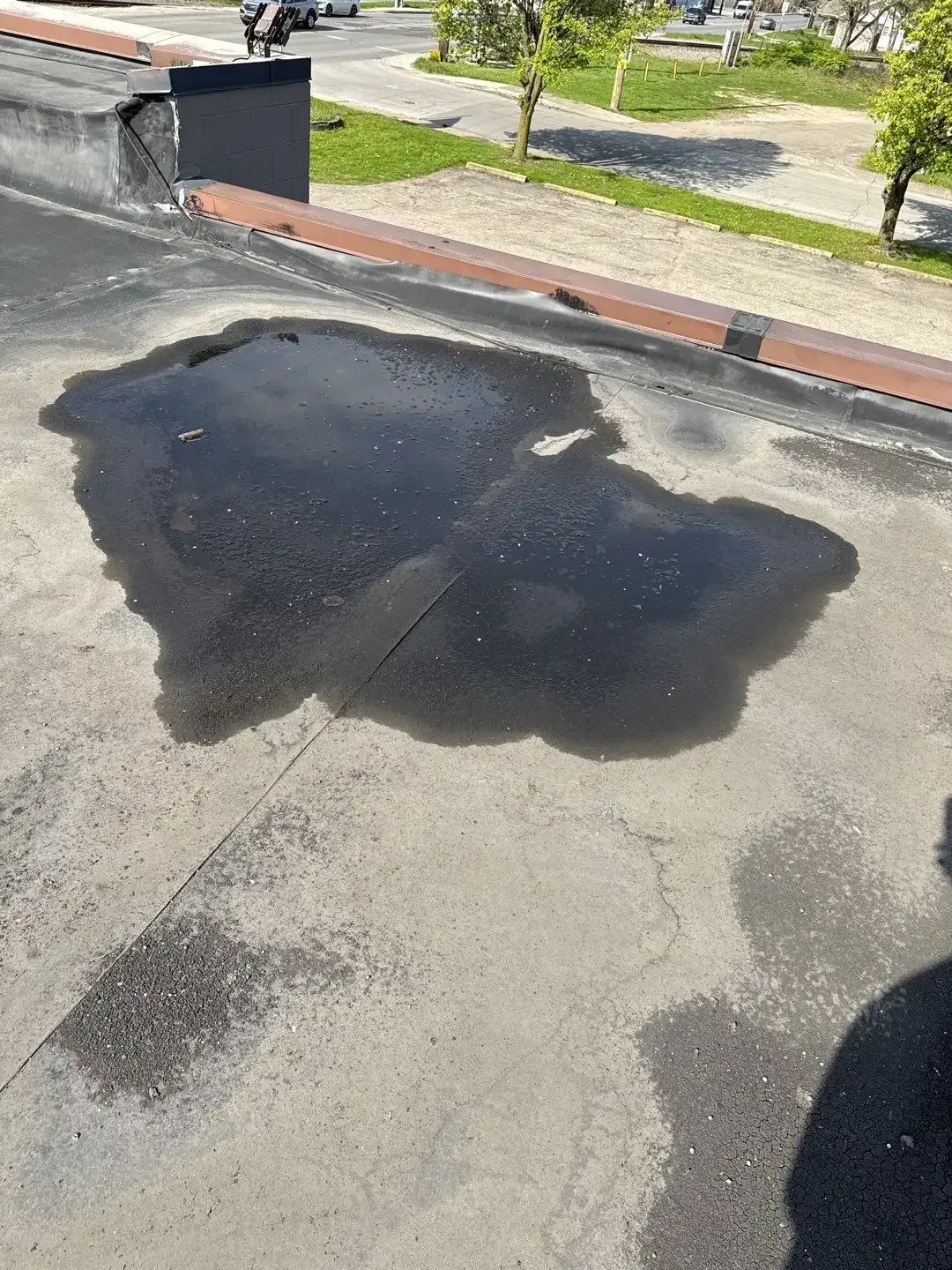
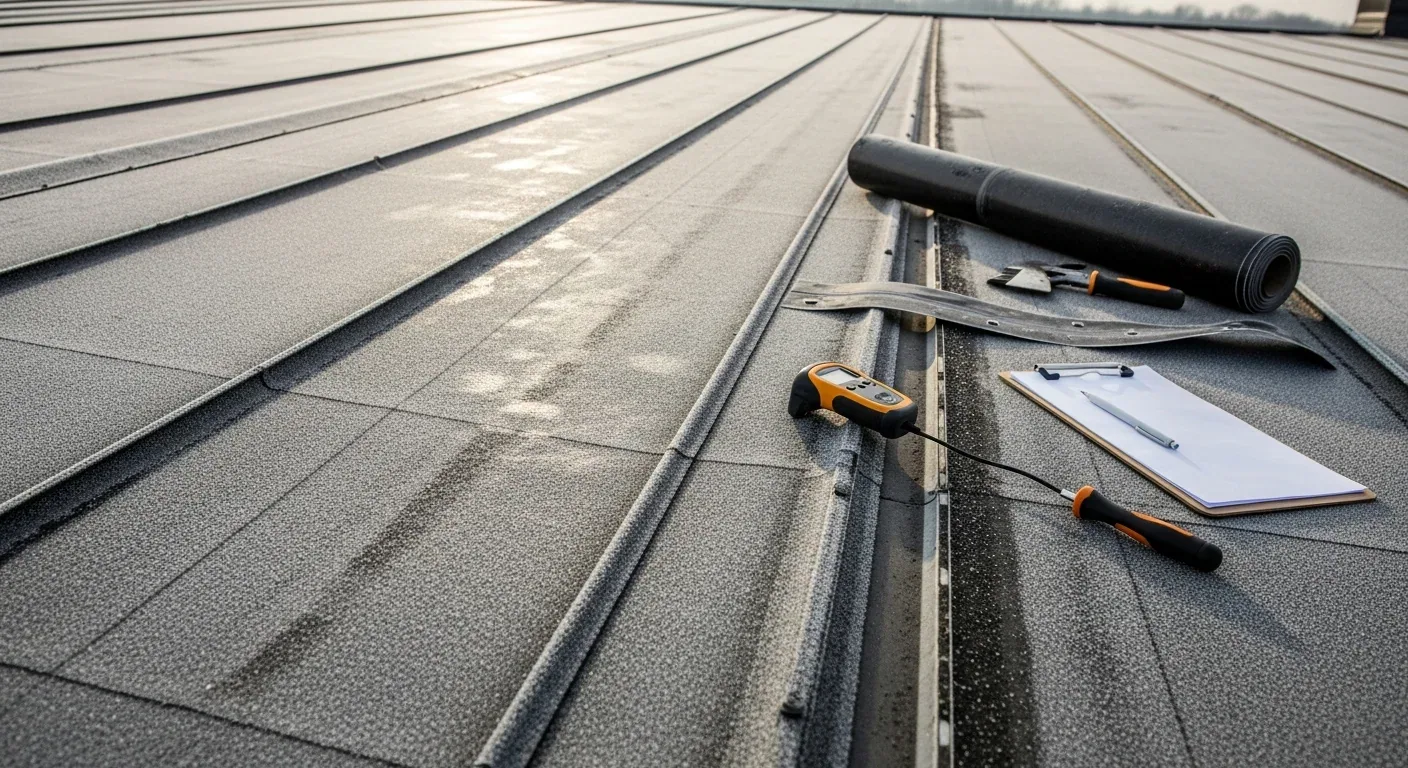
Water that stands on a membrane for more than a day or two ages the seams beneath it. Ponding speeds up the breakdown of seam adhesive, collects debris and gives freezing nights a pool to work on. When a seam opens in a low spot, replacing the seam alone treats the symptom. We check the slope, the drain bowl and any sagging deck, and we raise the question of tapered insulation or an added drain when the water has nowhere to go.
That is why a repair visit includes a drainage look even when the leak is somewhere else. Clearing a clogged drain is a small job, and it often prevents the next ticket. Where a ponding area keeps returning, the repair log shows it, and the conversation moves to a permanent correction instead of another patch on a seam that keeps losing the fight.
Debris is a quieter cause. Leaves, tree litter and windblown grit collect around drains and behind parapets, and Beaverton gets about 151 wet days a year to turn that debris into a dam. A routine clearing visit costs far less than a repair on a seam that sat under standing water all winter.
Cold Nights Change the Method
Beaverton sees little snow, about 1.9 inches in a year, yet it has recorded a low of minus 8, and a freezing night can arrive after a wet week. Cold stiffens membranes, slows adhesives and affects how welds and bonds cure. A repair made in near-freezing conditions needs different materials or a heated work area, and some products simply are not rated for it.
When the temperature drops, the crew lead checks the product data before choosing a method. A cold-weather patch is sometimes a temporary seal tied into sound material, with the permanent repair scheduled for a dry, mild day. We tell you which one you are getting and when the final repair will happen, so a temporary fix never gets mistaken for the finished one.
Every Repair Gets a Number and a Date
Cost follows the size of the repair boundary, the amount of wet material removed, the access needed and the system involved. Reaching a roof over a working retail floor costs more than reaching one over a vacant bay. A repair on a membrane with a current warranty may need the manufacturer's approved method, which affects both material and process.
You receive an itemized scope with the work area marked on the roof plan, a price for each item, and photos before and after. The repair log collects those entries across your buildings. Owners who manage several roofs use it with a condition report to decide which building is next for a larger investment, and which is fine for another year of patches.
Access and Tenants Set the Visit
A repair visit still has to fit around people. We coordinate with property managers on roof access, parking for the truck, rooftop unit shutdowns and tenant notice. In Cedar Mill, where the commercial strip runs along Cornell Road to the Milltowner Shopping Center, and across the Sunset corridor, the first call is about who holds the roof key and who needs notice before we walk the roof.
Where repairs repeat in the same area, we recommend a full roof inspection so the cause gets addressed rather than the symptom.
Related Roofing Work
Flashing Failure Repair
Commercial Membrane Puncture Repair
Infrared Moisture Survey
Ponding Water Roof Repair
Open a repair ticket
Call with the address, the leak location and any earlier repair dates. We send a make-safe visit first if water is active, then a written scope with the repair boundary marked.
Questions About Commercial Roof Repair
How do I tell a repair from a symptom of a failing roof?
Pattern tells the story. Scattered failures in separate details usually mean repair. Repeated trouble across one drainage zone, or wet insulation beneath intact membrane, suggests the roof is aging out. We mark each entry in the log so the pattern is visible.
What makes one repair last and another fail by spring?
Surface preparation and boundary. A patch on clean, dry material that extends past the damage onto sound membrane holds. A patch over moisture or inside weak material does not. We cut back until the substrate is sound.
Can repairs be done in winter around Beaverton?
Often yes, with the right material. Cold affects adhesives and welds, so the crew lead matches the method to the temperature. Some repairs go in as temporary seals first, with the permanent work set for milder, drier conditions.
Will a repair affect my existing roof warranty?
It can. Manufacturers set conditions for who repairs a warranted roof and which materials are used. We review the warranty terms before we write the scope and use the method that keeps your coverage intact.
What do I receive after the repair is finished?
A dated photo set, the marked roof plan showing exactly where the work happened, an itemized invoice, and a log entry. The record helps your next inspection, your insurer or a buyer's due diligence.