Property Types We Roof
Plan warehouse roof repair, recovery or replacement in Beaverton, OR with drainage checks, documented seams and work phases fitted to receiving operations.
Warehouse Roofing in Beaverton, OR
A wet pallet report changes the first hour on a Beaverton, OR warehouse roof. We confirm the affected bay, last known leak point and whether stock below needs protection, then arrange a make-safe visit and photograph the roof before moving material. The leak log places the interior report beside the roof plan, so we can test seams, drains and wall transitions instead of guessing from the ceiling.
Forklift lanes, receiving doors and stored goods follow different schedules. We inspect the field, penetrations and drainage, then the scope sheet states where repair stops paying for that roof. Along the Beaverton to Hillsboro Silicon Forest corridor, technology, optics and food-processing operations make access planning part of the work, while each building determines the system and method.
Trace the Bay
We map the bay, rack aisle or dock where water appeared. The roof directly above may be dry because water can travel along insulation joints or deck flutes before reaching a ceiling. We mark the likely path, probe seams and inspect curbs, drains, scuppers and wall flashings. Each finding receives a location and photograph before repair changes the evidence.
Rain on roughly 151 days a year pushes leaves and grit into outlets, so we record debris, slow drawdown, ponding and low areas once the outlets are clear. A hands-on inspection separates a blocked drain from a membrane opening and assigns findings by bay or work phase.
Service traffic can disturb flashing or leave a puncture. We compare access history with the leak log, inspect travel paths and separate confirmed damage from items to monitor. A distribution-center roof review may also track dock-side phases, while a plant roof assessment can account for equipment areas.
Choose the Right Repair Boundary
A patch is the right scope when the sheet is still bonded, the substrate is sound and the opening stops at one seam, puncture or flashing. We remove wet or loose material within the boundary, dry the substrate and tie compatible material into sound roof. Moisture across bays, repeated seam openings or a weak deck can make a small patch the wrong scope. We state the finding and boundary before work begins.
A recover or replacement calls for a check of roof layers, insulation, deck, drainage and perimeter details. A recover may retain sound material when the assembly allows it. Replacement may fit when broad failures or wet insulation require opening the roof.
We document the deck, attachment, penetrations and access before choosing a TPO system or another assembly. The scope separates tear-off, substrate repairs, insulation, membrane, flashing and metal, so the capital decision can be reviewed by item.
Keep Water Moving
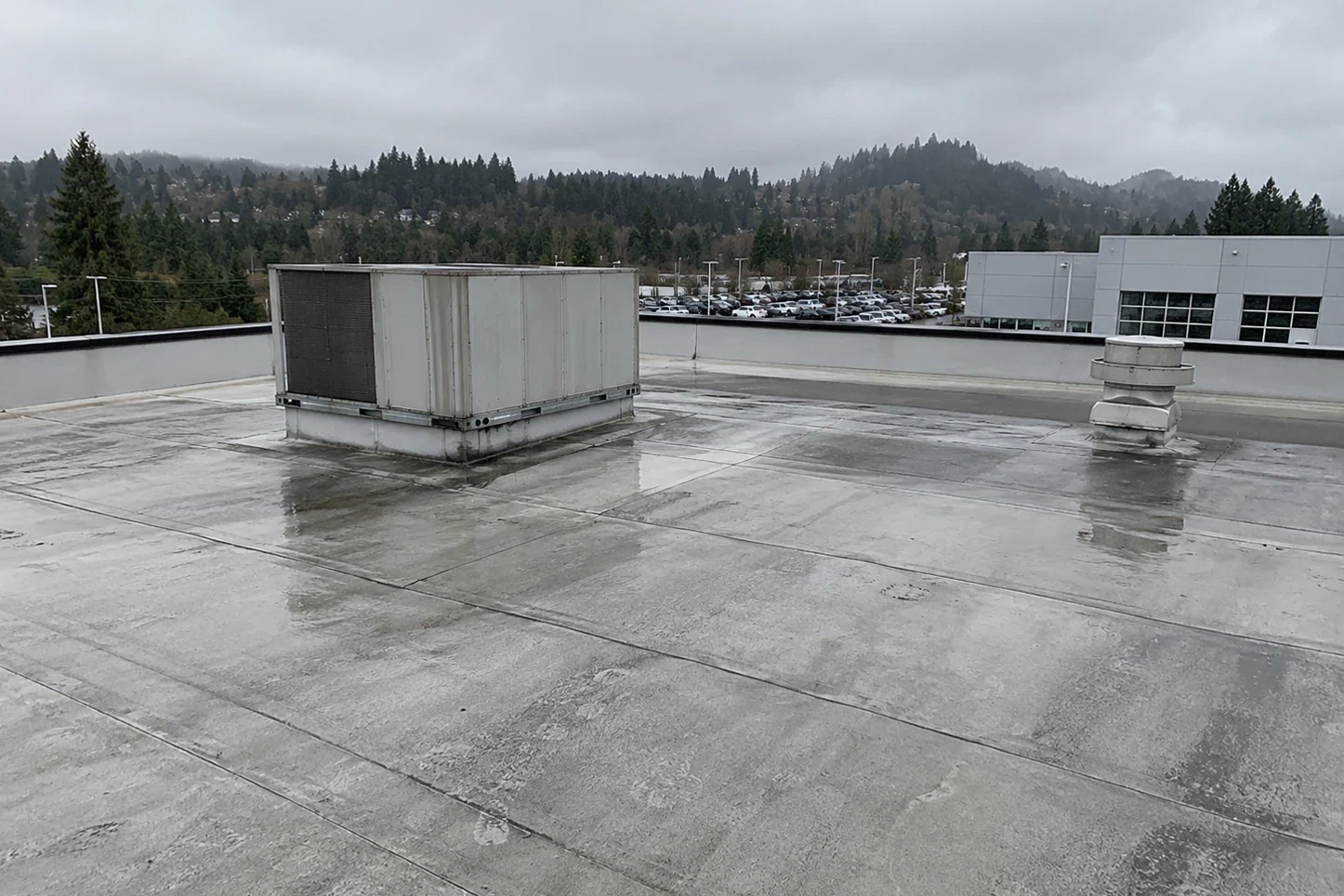
Drainage belongs in the warehouse roof scope. We check each bowl, strainer, scupper and leader, then look for low areas after outlets are clear. Debris can slow flow; a deflected deck or uneven insulation can leave a pond. The report separates visible conditions from corrections needing design review.
Beaverton's wet months keep seams and flashings exposed. Water against a curb tests corners and terminations, while a pond can conceal a split or patch edge. We photograph the outline, record depth and compare it with the roof plan. A continuing low area may call for tapered insulation or another engineered correction.
Operators need to know if work affects a dock, hatch or staging area. We plan phases around those constraints and secure each opened area before the shift ends. The leak log records completed work, the next dry-window task and any interior protection still needed.
Phase Around Receiving
Roof work competes with deliveries, inventory moves and equipment access. We coordinate entry, truck position, material lifts, noise periods and shutdowns with the facility contact. The phase plan ties roof areas to interior use, helping the receiving lead keep a route open while work moves elsewhere. We state the daily boundary and update it if concealed conditions change the sequence.
Receiving doors, trailer positions and lift locations set the site plan. We confirm staging and roof access with the property manager before work starts.
A phased occupied-building scope sequences removal, dry-in and closeout by roof section. We coordinate with mechanical and electrical trades at curbs, supports and service paths. Each new penetration is recorded, and rain delays are documented with the temporary protection and remaining work.
Separate the Cost Drivers
Price follows the work area and conditions below the membrane. Tear-off, wet insulation, deck repair, roof height, lift access, perimeter metal, drain changes and curbs affect labor and material. An open field differs from a roof with dense equipment and active loading below. We list these items by area and flag unknown deck conditions separately.
A photo set and marked plan show the assumptions. If test cuts are needed, we identify their locations and how results could change the scope. Repair, recover and replacement options use the same boundaries so an owner can compare what stays and what comes out. Several buildings can feed a capital plan for the budget cycle.
Beaverton's wet season can narrow installation windows when substrate must be dry. We account for delivery lead time, weather exposure, tenant notice and end-of-shift dry-in, then record schedule changes on the scope sheet.
Leave a Useful Building File
Closeout should let a future manager locate the work. We provide dated photographs, a roof plan marked with completed repairs, membrane and flashing notes, drain findings and monitored items. Each entry names its roof area and boundary, helping the next inspection distinguish a repeat leak from a separate detail.
For a multi-building warehouse portfolio, consistent records help sort urgent work from planned replacement. Preventive maintenance can revisit drains, seams and penetrations on a Beaverton warehouse before each wet season. Industrial parks straddle I-5 in the Wilsonville Employment Area, where manufacturing and distribution buildings sit side by side and each one gets its own roof file.
Emergency calls are taken day and night, holidays included. With active water, the first visit makes the area safe and records the protection, and the permanent work follows when conditions allow.
Related Roofing Work
Commercial Roof Inspection
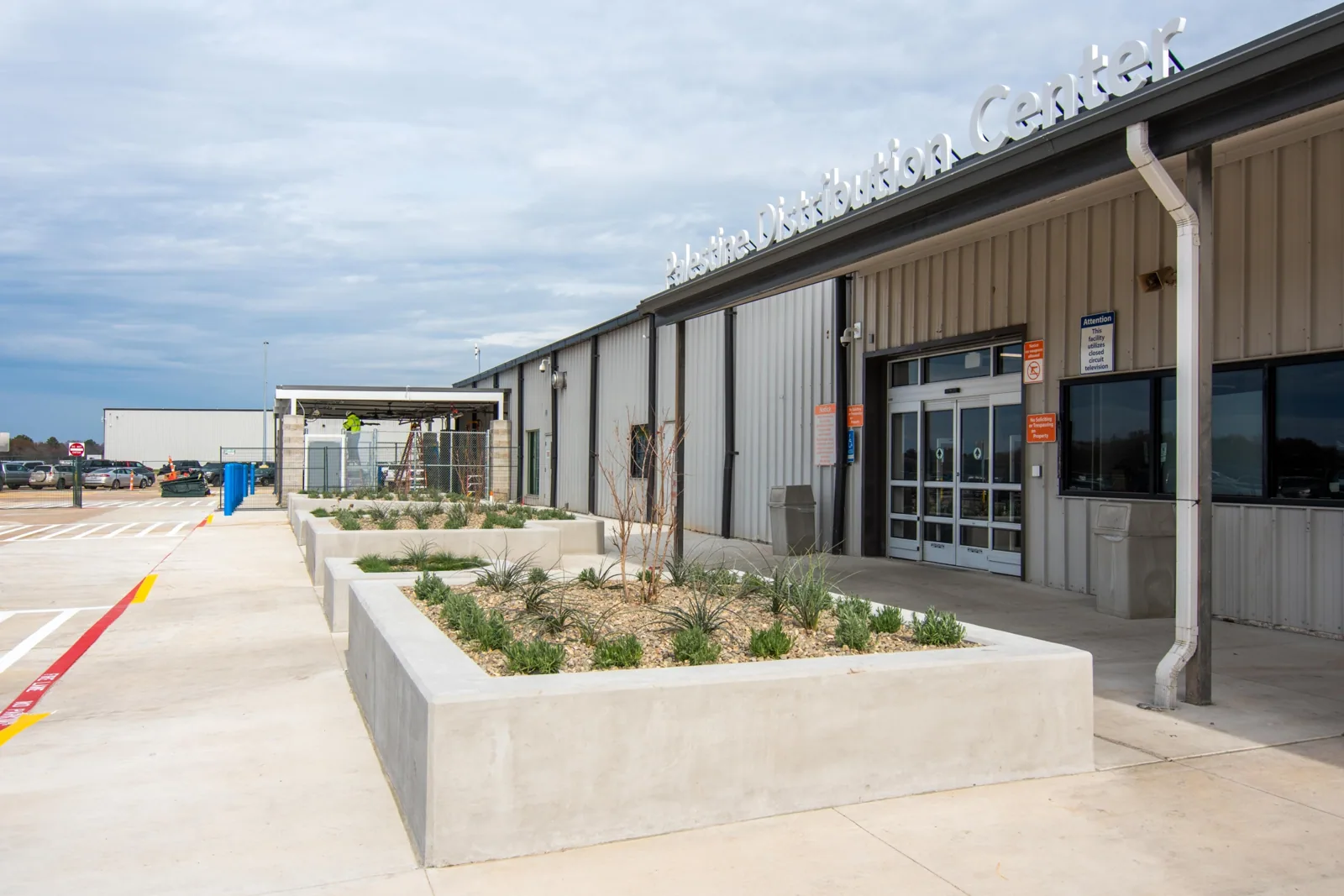
Distribution Center Roofing
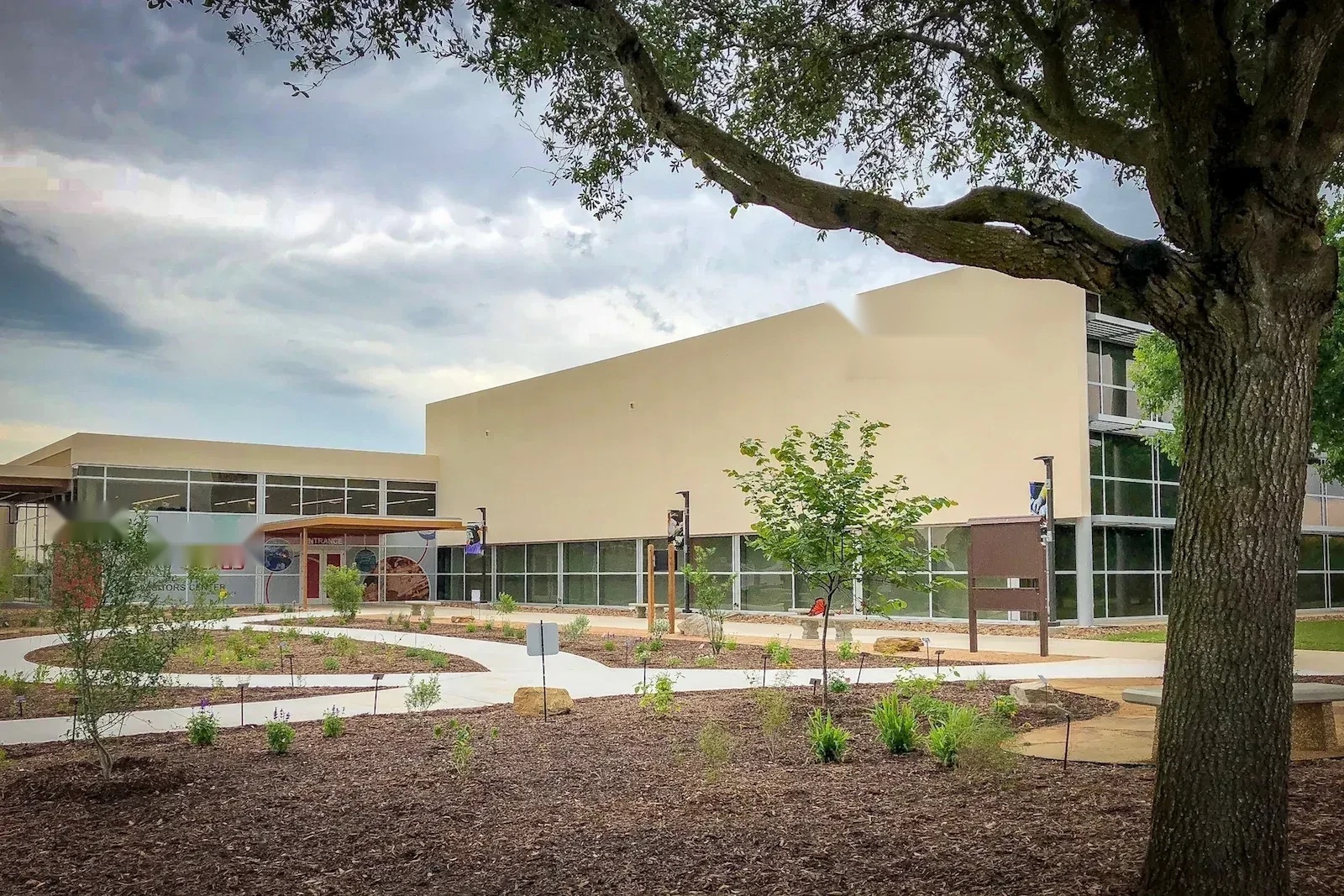
Manufacturing Plant Roofing
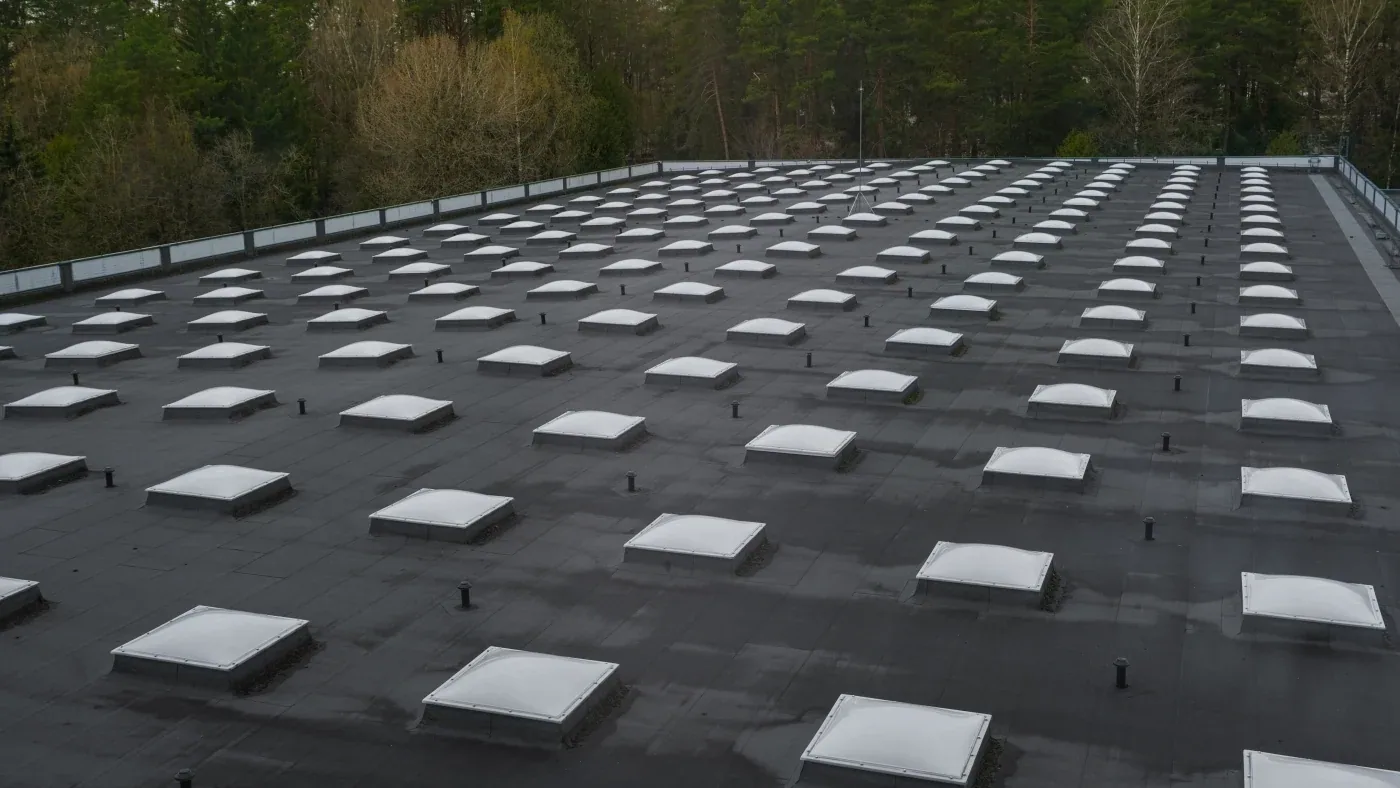
Roof Recover and Overlay
Start with the Leak Location
Place an intake call with the warehouse address, affected bay and last known leak point. We arrange a make-safe visit when needed, then provide a written scope sheet with the repair boundary, operating phases and next step.
Questions About Warehouse Roofing
Water is showing in one warehouse bay. How do you find the roof entry?
We begin with the bay, last known leak location and conditions below it, then trace the likely path above rather than assuming the opening sits directly over the stain. Seams, drains, curbs and prior repairs are checked and photographed. The leak log ties the evidence to a marked roof plan, so the proposed repair boundary is visible.
Can deliveries continue while a warehouse roof is repaired?
The phase plan follows dock and interior use. We agree on access, truck staging, material lifts and shutdowns with the facility contact, then open only what can be protected before shift end. A delivery route that must stay clear is written into the sequence.
What would move the recommendation from repair to replacement?
Repeated failures across separate areas, widespread wet insulation, a compromised deck or details that cannot be tied into sound material can change the repair-or-replace threshold. We document the condition and identify what remains uncertain, then separate repair, recover and replacement scopes by the same roof boundaries.
Does standing water mean the membrane has failed?
A pond does not prove a leak, but it deserves a measured check. We clear or inspect the outlet, record how long water remains and look for a low deck, blocked drain or seam distress. The report distinguishes a drainage correction from a membrane repair and notes when further design review is needed.
What should the warehouse manager keep after the work?
Keep the marked roof plan, dated photo set, material and flashing notes, drain findings and work limits with the building file. Those records show which bay received attention and what the next visit should compare, especially when several buildings share one maintenance team.