
Commercial Roofing Services
Round-the-clock emergency roof repair in Beaverton, OR: a short intake, a make-safe visit with tarping and dry-in, and a written scope once the building is dry.
Emergency Roof Repair in Beaverton, OR
Four questions open the emergency call: where is the water, what is under it, who can reach the roof, and is anything electrical exposed. The answers decide what rides in the truck and who goes first. Emergency roof repair in Beaverton, OR runs around the clock, every day of the week, holidays included, and it follows the same short sequence whether the call lands at noon or at three in the morning.
Speed matters, but order matters more. A crew that rushes onto a wet roof without a plan can add damage. That sequence keeps the first hour useful.
The First Hour Has a Script
The call opens with the intake. We note the address, the entry point if known, the interior damage and a contact on site. Dispatch follows at once: a crew lead is assigned, the truck is loaded with tarps, sheet goods, temporary sealants, sandbags and pumps, and the property manager receives an arrival estimate.
On arrival the crew lead walks the roof before anyone sets up. Wet surfaces, loose metal and exposed edges are marked. Interior protection starts in parallel when tenants allow it, and the crew lead photographs the roof before anything is moved so the as-found condition is on record. Buckets, plastic and moved contents are low-tech measures that cost little and save a great deal of cleanup.
Make-Safe Comes Before Repair
The goal of the first visit is to stop water entering and leave the building safe. That can mean a tarp secured to sound material, a temporary membrane patch, a sealed penetration or a cleared drain that releases ponded water. Sealant and tarps are temporary, and we label them that way in the log.
Nothing about a make-safe visit commits you to a repair scope. It buys time. Once the building is dry and tenants are protected, the next decision belongs to you, and it rests on photographs, not pressure. The follow-up is a written repair or replacement scope, preceded by a full leak trace that finds the actual source and checks the insulation below it for water.
Oregon Rain Is the Usual Trigger
Beaverton averages about 39 inches of precipitation a year across roughly 151 days, with the heaviest months from November through January. Long rain exposes weak seams, plugged drains and aging flashings, and calls cluster after a stretch of wet days, not only after a single storm.
The city sees little snow, around 1.9 inches in a year, though it has recorded a record low of minus 8. Portland Airport averages about 32 nights at or below freezing, so the metro does see ice that locks drains and splits sealant. Wind damage matters too, and a wind-lifted edge can open a roof to rain within minutes. In each case the first move is the same: close the opening, clear the drain, record what failed.
Dry-In Before Diagnosis
Finding the root cause can wait for daylight and dry conditions. Protecting the building cannot. Our crews dry in first, which means making the roof watertight for the night even if the repair is crude. Diagnosis follows when conditions allow a full inspection.
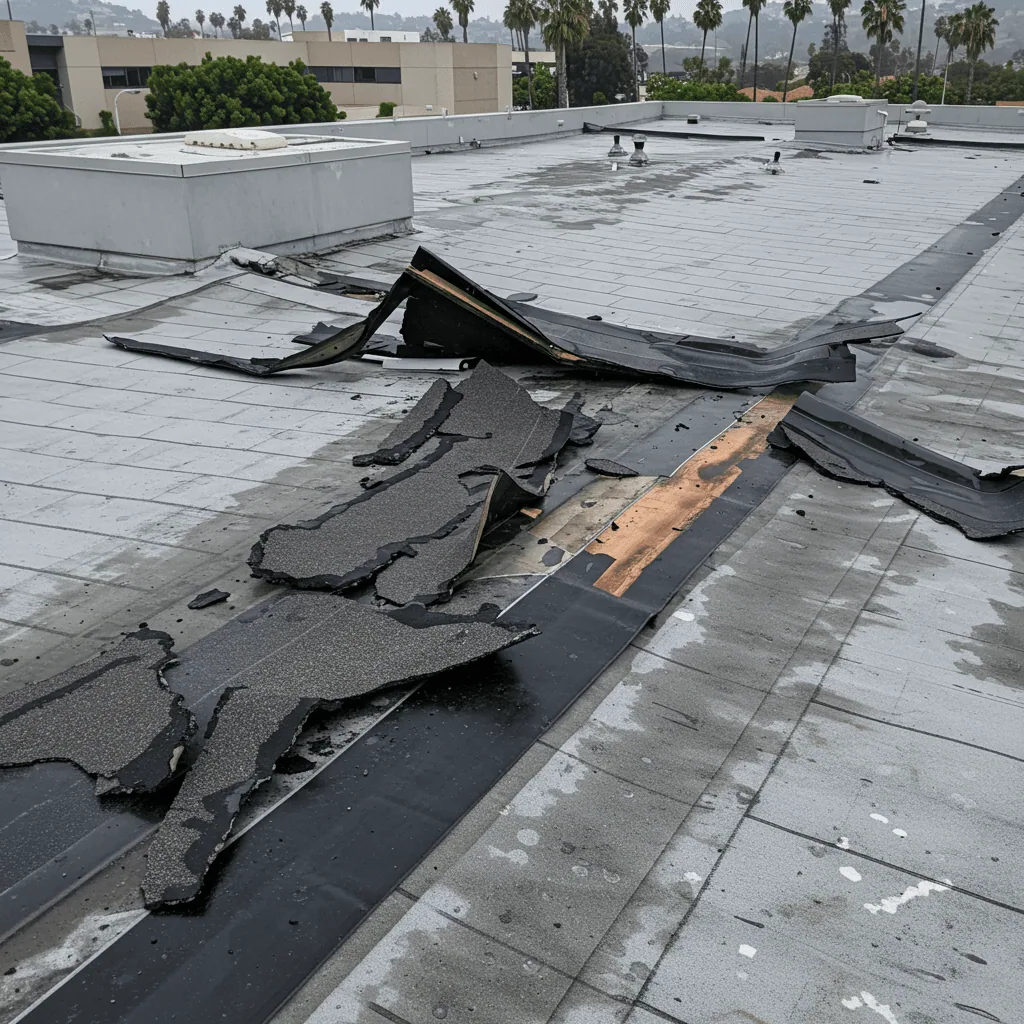
This order also protects your records. Photos taken during dry-in show the as-found condition, and a later inspection compares against them. If a storm damaged the roof, the documentation supports a claim, and the first photographs often carry the most weight with an adjuster because they show the roof before anyone altered it.
Night Access and Building Systems
After-hours roof work involves details that daytime visits skip. We confirm who can open the roof hatch or ladder, whether alarms are armed, and where the building's shutoffs and rooftop disconnects sit. Water near electrical gear is a safety question as much as a roofing one, and we ask for the electrician's number early.
For commercial buildings in Hillsboro, where manufacturing employs about 24 percent of the workforce, a water intrusion can touch equipment and production schedules, so the crew lead asks which areas are most sensitive. A retail center in Aloha raises a different concern: customers, storefronts and signage.
Standing Water and Overflow
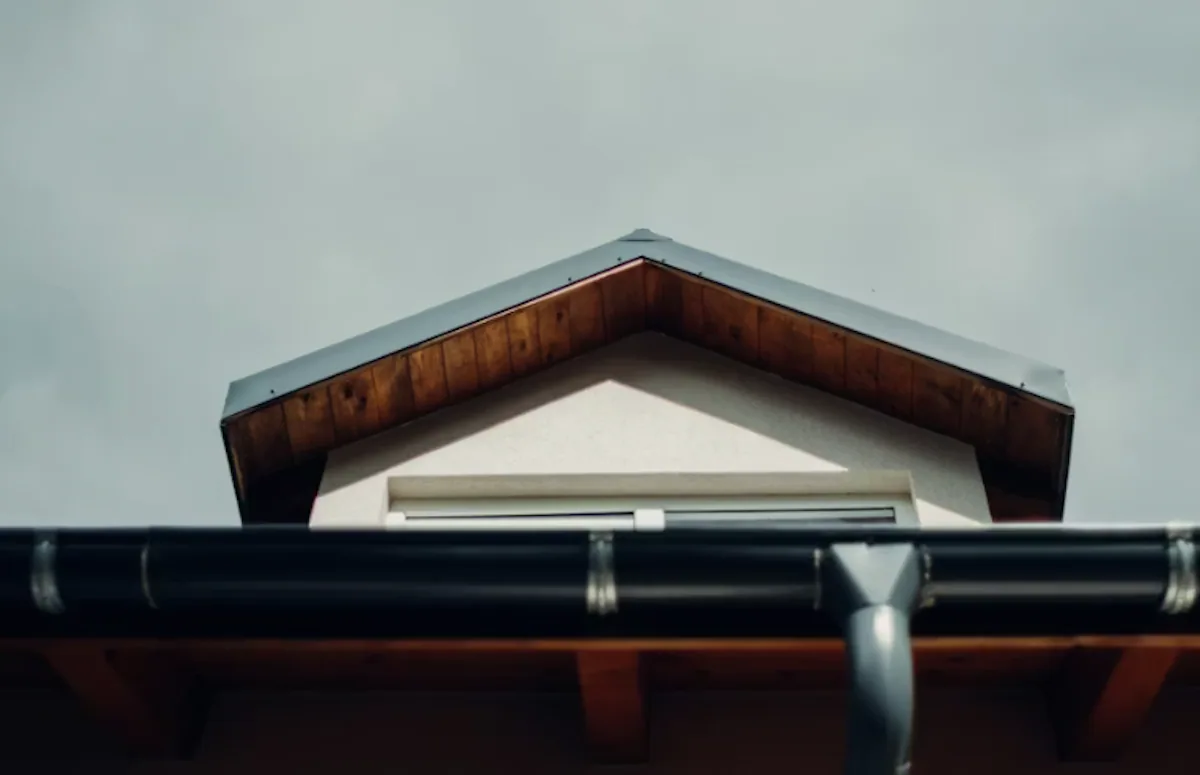
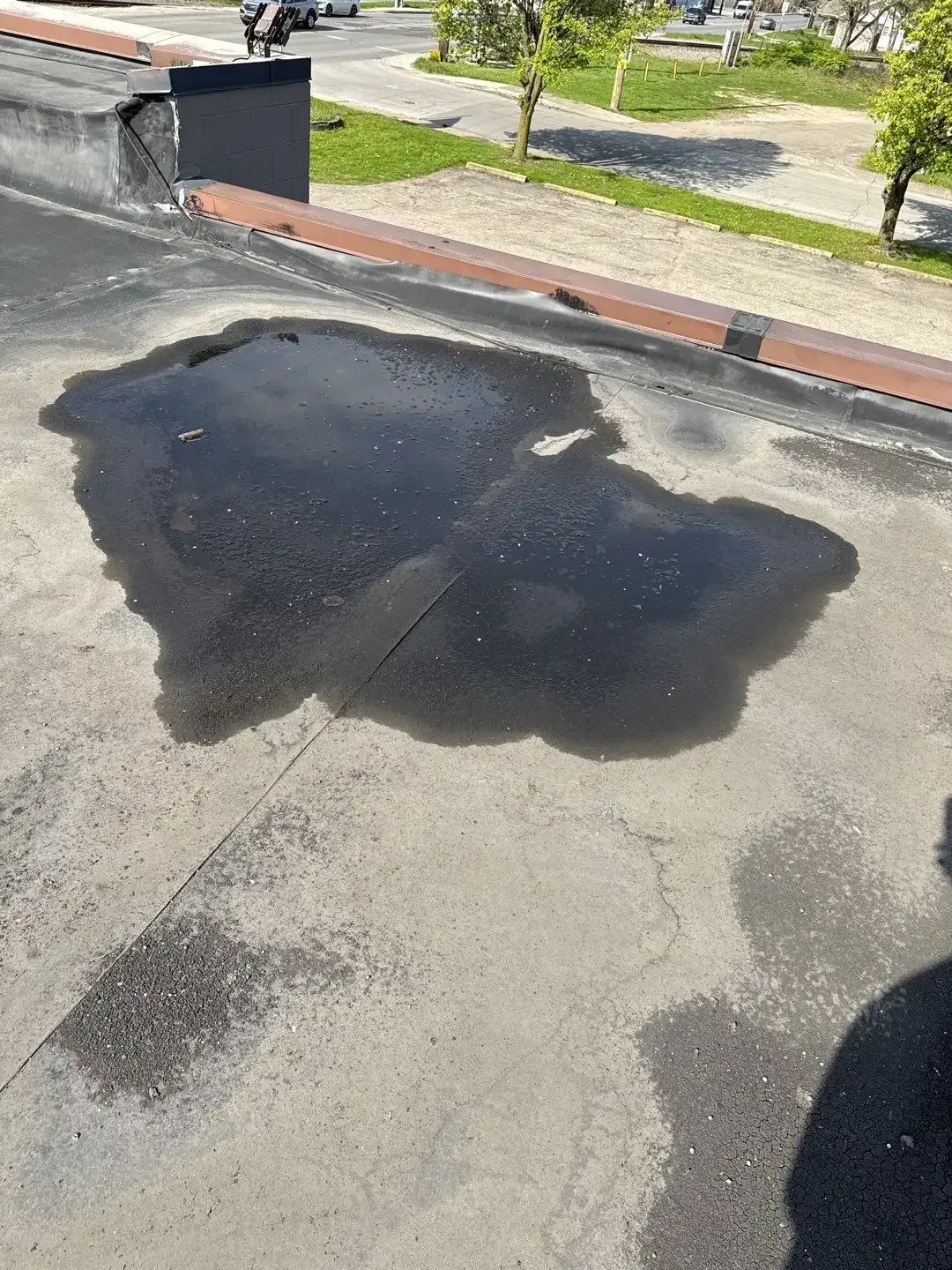
Some emergencies are not a hole at all. A drain blocks, water rises on a low-slope roof, and the load climbs until it finds a way into the building or stresses the structure. Standing water is heavy, and a roof holding more than the design expects deserves a prompt response. The crew clears the drain, opens the overflow if one exists, and pumps where needed.
We then look at why it happened. Leaves and grit in the strainer, a collapsed pipe, or a ponded area that never drained properly each call for a different follow-up. A ponding repair can end in a new low-point drain or a tapered build-up, and the emergency visit gives us the first photograph of the problem as it appeared.
Tenants and Managers Get Updates
During an emergency, the property manager needs clear messages: when the crew arrives, what they are doing, what is still wet and when the next visit happens. We send a short update at arrival and another at departure, with a photo set attached. Tenants receive a plain-language note on what to expect, including any noise or access limits.
That communication has a practical purpose. It lets the manager decide whether to move staff, close a department or notify an insurer without chasing information. It also builds the file. When the same building calls again, the earlier visit is in front of us, along with what worked and what did not.
The second visit, once the roof is secure, brings a fuller assessment: hidden wet insulation, fastener back-out, torn flashings and debris damage. We separate what the storm caused from what was already worn, because insurers ask and the plan depends on it. Some roofs return to a normal planned repair. Others turn out to be at the end of their life, and the temporary measure becomes the bridge to a replacement. Either way you leave with a dated record, a marked roof plan and a written next step with a price attached to it.
Related Roofing Work
Commercial Roof Leak Repair
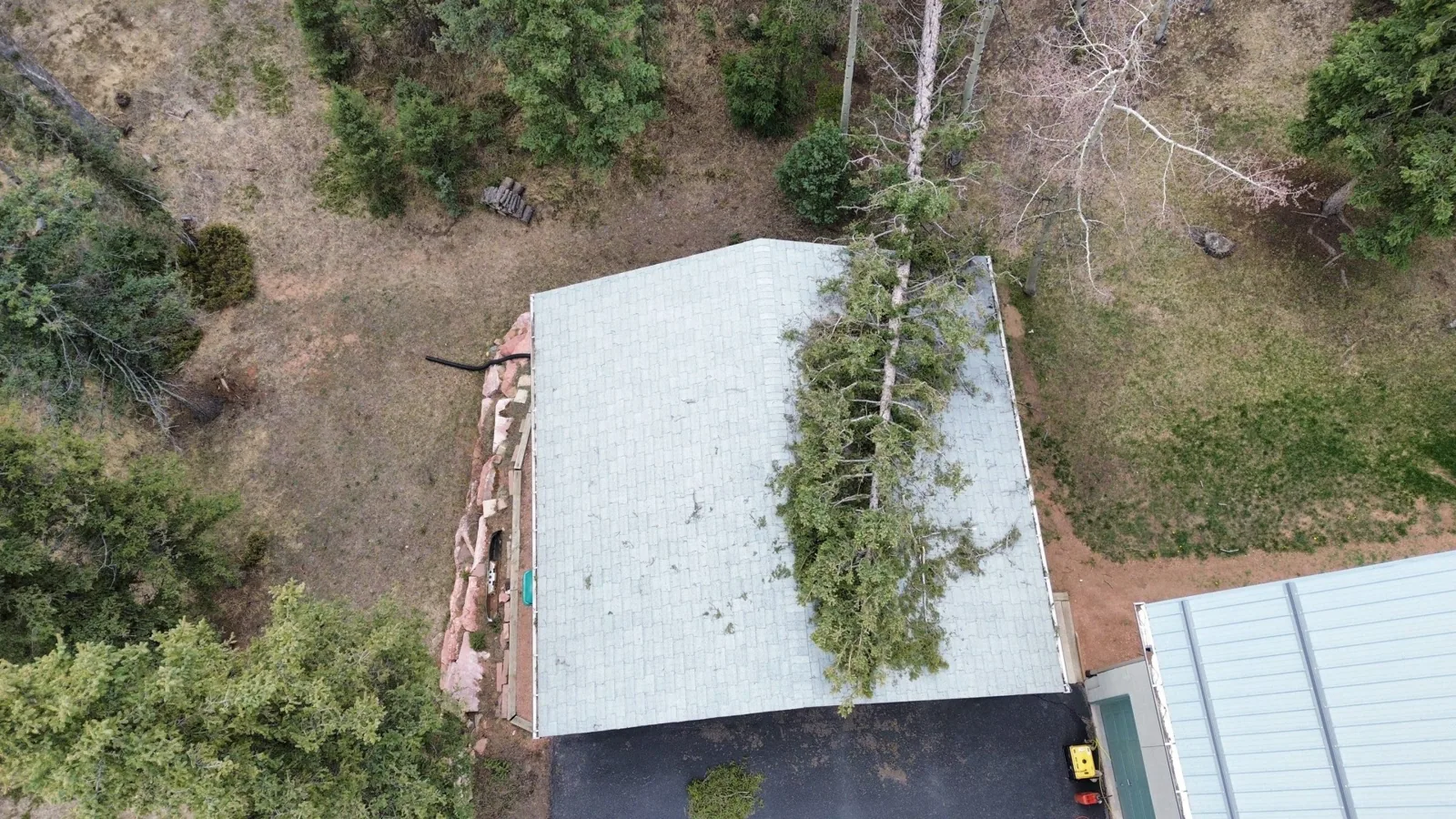
Wind Damage Roof Repair
Roof Insurance Claim Assistance
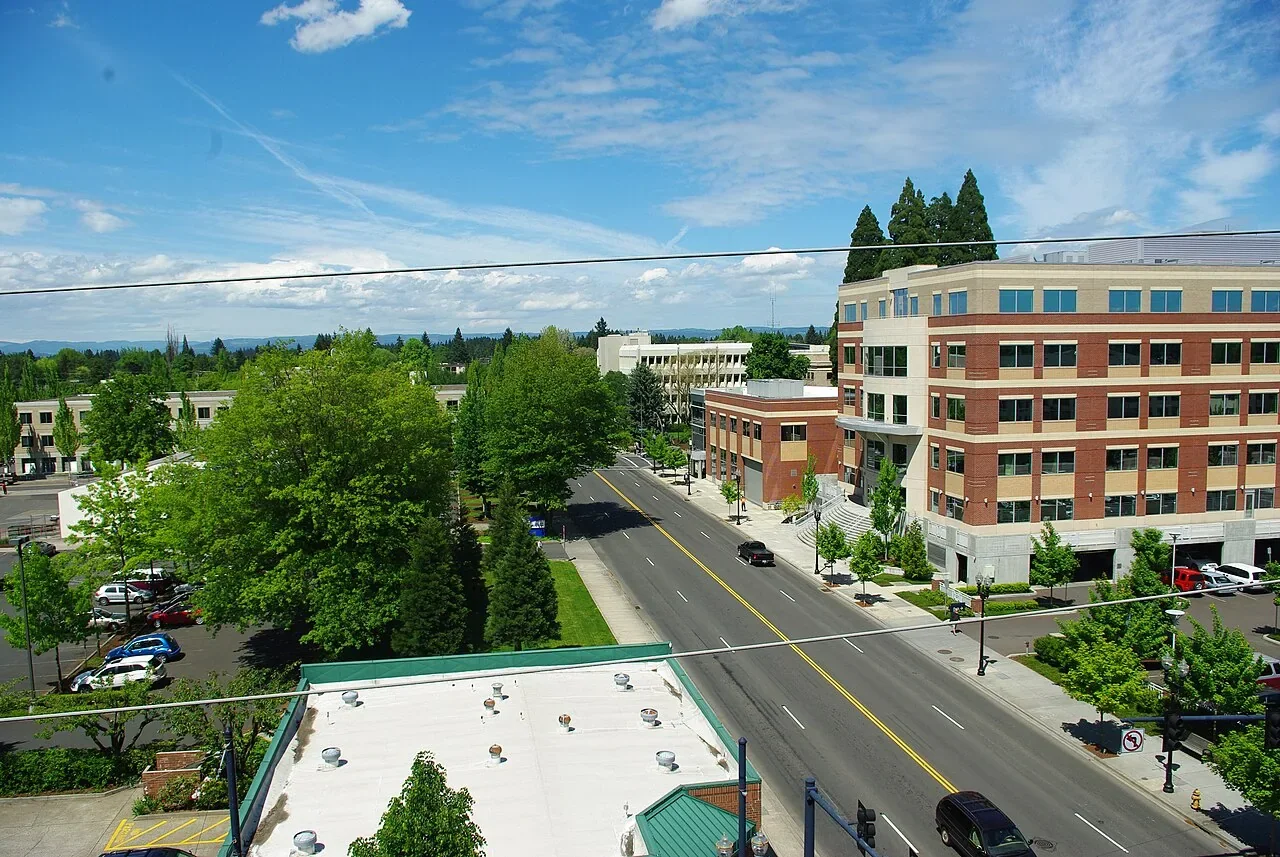
Hillsboro
Call now with four details
Give us the address, where water is landing, what sits beneath it and who can reach the roof. A crew lead is assigned the same hour and a make-safe visit follows.
Questions About Emergency Roof Repair
Who actually answers an after-hours roof call?
A dispatcher takes the intake and assigns a crew lead the same hour. You speak with a person who asks about the water, the interior damage and building access, then receives an arrival estimate and a contact for the crew.
What does a tarp or temporary seal accomplish?
It stops water entering until a permanent repair can be made. It is not a substitute for repair. Tarps need secure attachment to sound material, and temporary seals need to tie into dry surfaces, both of which we confirm on arrival.
Should I move equipment or inventory myself?
Only if it is safe and quick. Cover and move what can be moved without risk near wet floors or exposed wiring. The crew can help with protection once on site, and an electrician should handle anything near water and power.
Will the emergency visit commit me to a full replacement?
No. The first visit is a make-safe step. The scope that follows may call for repair or replacement, and the numbers come from a full inspection with photographs, not from the emergency itself.
What should I photograph before the crew arrives?
The interior damage, the date and time, and any visible sky or exterior signs. Do not climb on a wet roof. We take the roof photographs on arrival, and yours help establish when the damage began.