
Service Areas
Commercial roofing in Raleigh Hills, Beaverton, OR, with leak tracing, roof access planning, drainage checks and repair scopes tied to field findings.
Commercial Roofing in Raleigh Hills, Beaverton, OR
On a water report from a Raleigh Hills, Beaverton, OR building, the first hour is for locating the room, confirming roof access and protecting the space while the leak is still active. We record the last known entry point, compare it with the roof plan and photograph the details before applying a temporary measure. The manager receives the date, protection boundary and next check in the building file.
Oregon Routes 10 and 210 meet in Raleigh Hills, and the Beaverton-Hillsdale Highway carries a commercial strip through the area. That setting makes access and occupied-use coordination part of the intake. We confirm the actual membrane, elevations, drains and transitions at the address.
Trace the Report to the Roof
The reported room gives us a direction to investigate, not proof of the roof source. We check the roof area above it, then follow seams, curbs, penetrations, wall lines and drainage paths that could carry water. Each finding receives a plan mark and a close photograph. If the likely path crosses several details, the notes distinguish them rather than combining them into one repair quantity.
Raleigh Hills is a broad district with commercial frontage along Beaverton-Hillsdale Highway, and the first New Seasons Market opened here. The owner gets a building-specific record of what was accessed and observed.
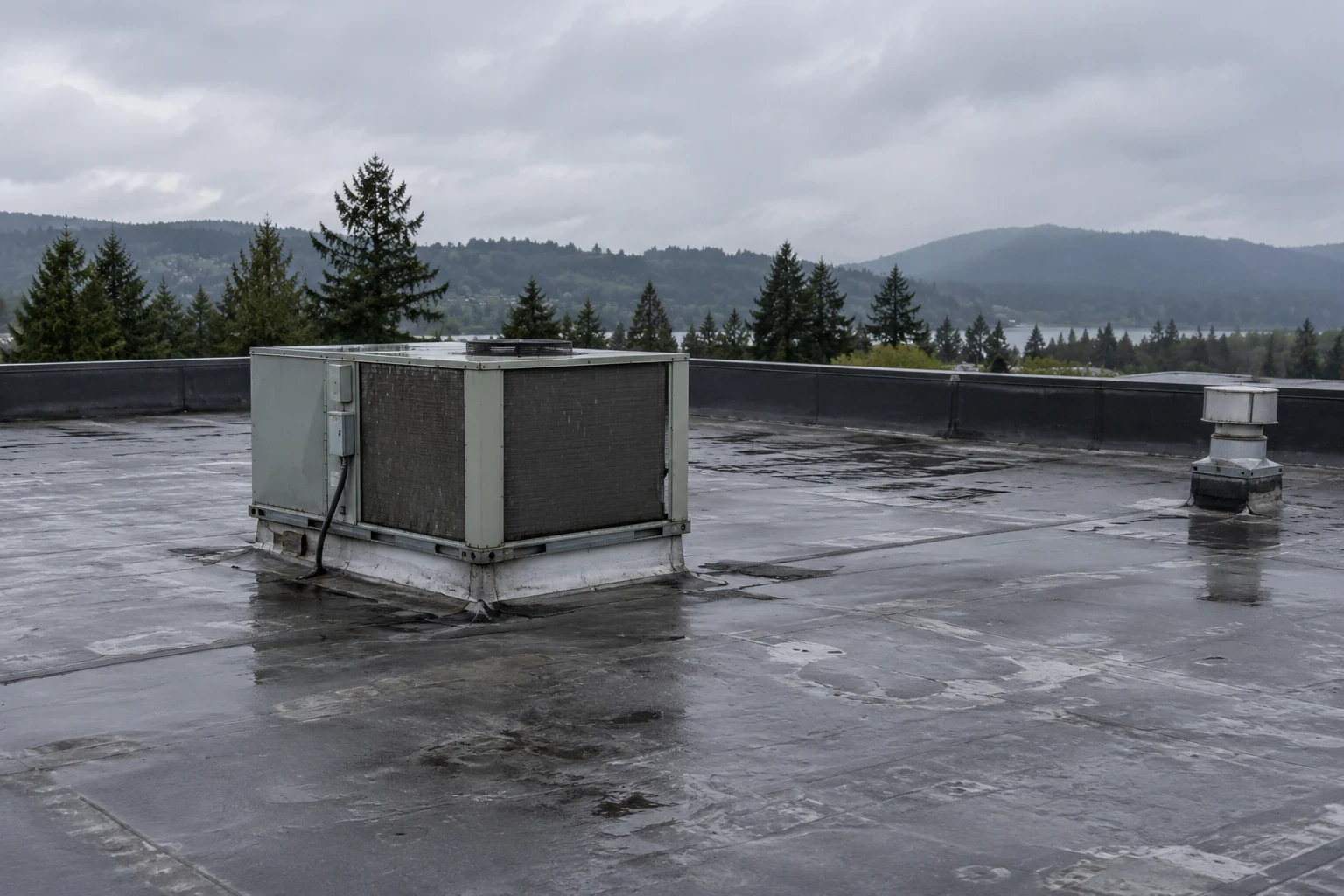
A roof inspection checks field seams, penetrations, flashing edges and drainage. If a roof area is blocked or access is limited, we list that boundary and identify whether another contact or lift plan would make the next visit useful. A written condition report can preserve photographs and findings for a property file or capital review. The commercial strip along Beaverton-Hillsdale Highway puts several storefronts under shared roof lines, so the leak log names the suite as well as the roof section.
Protect First, Repair Next
When water remains active, the first visit addresses the interior exposure and a temporary roof measure that fits the observed condition. We can cover or seal a defined opening where safe access permits, and we record where that protection begins and ends. If the membrane is wet or a permanent tie-in cannot be made in current conditions, the scope states what needs a second visit. A dry-in is not represented as a finished repair.
Rain on roughly 151 days a year shapes the planning for a dry surface. The leak log notes whether water was observed at the visit, reported earlier or left for a follow-up check after rain.
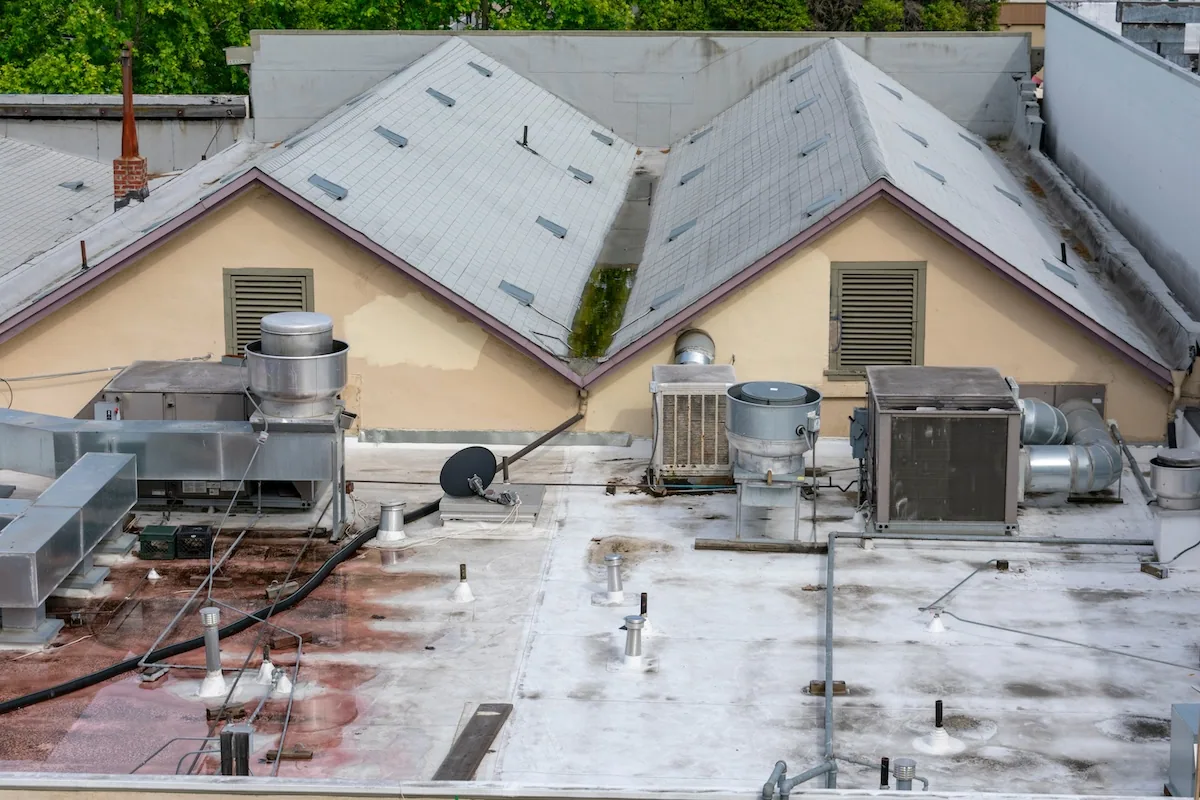
A defined seam, curb or flashing failure can support a localized leak repair. We specify preparation, material transition and nearby details to examine. If moisture may extend under the membrane, an infrared survey can help identify test areas; a test cut confirms only the layers opened at that point.
Check the Full Drain Path
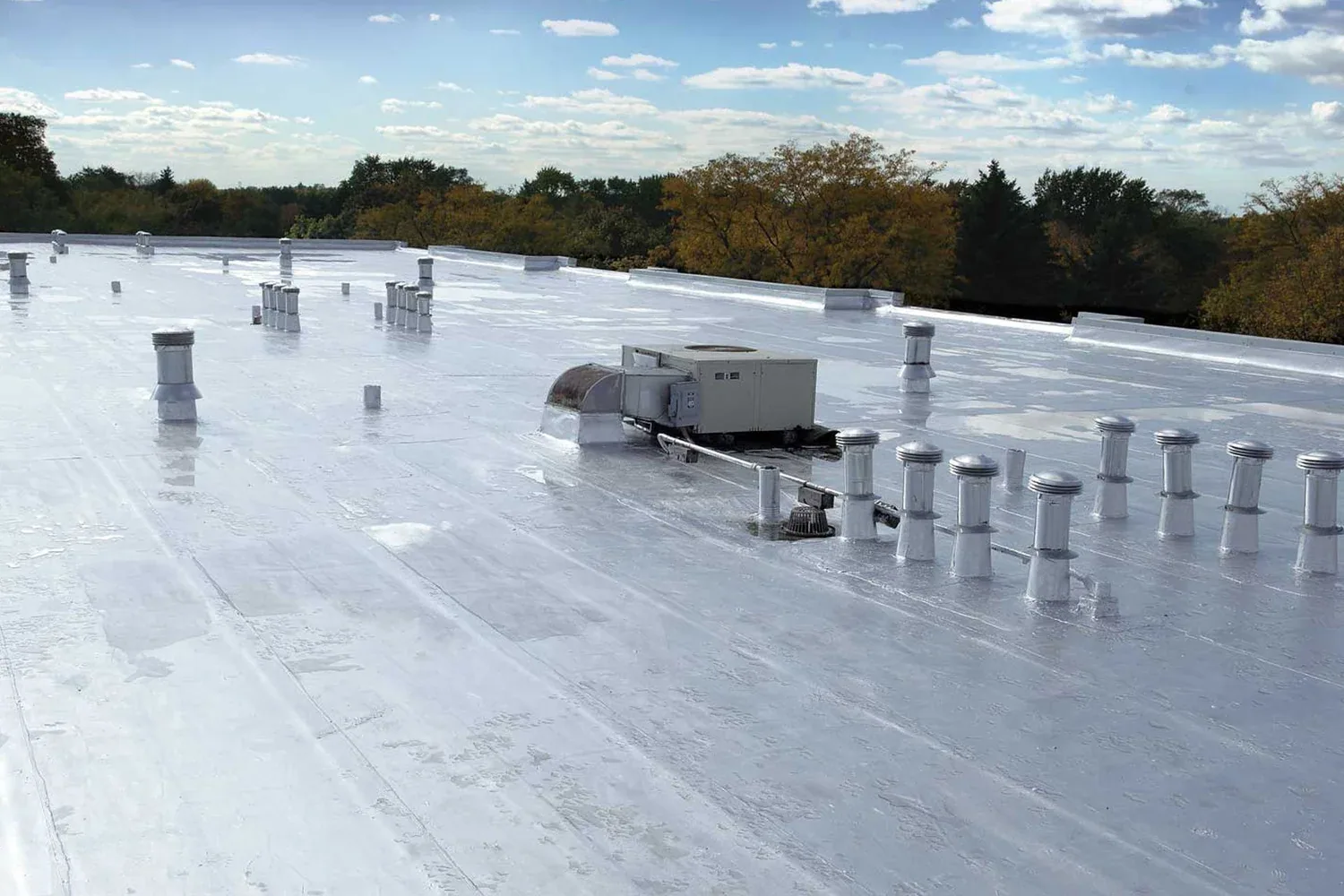
Water at a low point can have more than one cause. We check whether the drain is obstructed, whether the strainer and clamping ring hold, and whether the surrounding field directs water to the sump. We note standing water after a rain event and whether it remains after drainage should have occurred. The report keeps an observed condition separate from a possible insulation or deck concern.
Long wet periods in Beaverton put repeated demand on drains and watertight transitions. For a Raleigh Hills building, we check the outlet, roof slope, flashing and nearby seams together, then identify the smallest useful next step. A drain and scupper repair can specify outlet work without silently expanding the project to unrelated roof areas.
If the existing assembly has broader deterioration, we compare repair, recovery and replacement with the same roof map. A recover assessment reviews drainage and compatibility before a new layer is proposed. Where removal is the stronger option, a replacement scope lists deck contingencies, edge transitions and staging assumptions for owner review.
Set a Safe Work Boundary
Access planning covers more than reaching a ladder. We confirm the entry point, route across the building, rooftop equipment clearance, material staging and any tenant restrictions. Where work sits near a public-facing commercial strip, the property contact may need to coordinate deliveries or keep an entrance clear. We record the confirmed route and work zone, then state any approval needed before staging.
Beaverton-Hillsdale Highway and Scholls Ferry Road meet in Raleigh Hills, and the property address, gate instructions and loading rules still set the crew's route. We confirm those with the building contact before the crew arrives. A phased occupied-building scope can sequence noisy work, roof openings and protection around the operating schedule when the project conditions allow.
Timing follows material lead time, access, roof condition and the next suitable dry period. If the leak can be made safe before permanent work, the scope separates those dates. The owner sees the open decision, required contact and record needed to move it forward.
Keep the File Specific
After the walk, we return a photo set, marked findings, temporary work performed and the next scope decision. The record identifies whether the inspection was visual, whether moisture screening was used and where a test opening occurred. If an area could not be accessed, it stays listed as an exclusion rather than becoming a confirmed clear roof section.
Repeated repairs may point to a larger assembly issue, but the recommendation must show why. We compare the boundary of each failure, the condition of surrounding membrane, wet material and drainage. Where more testing could change quantity or system choice, the owner can authorize it before a broad scope is priced. A capital planning review can carry those documented options into a budget cycle.
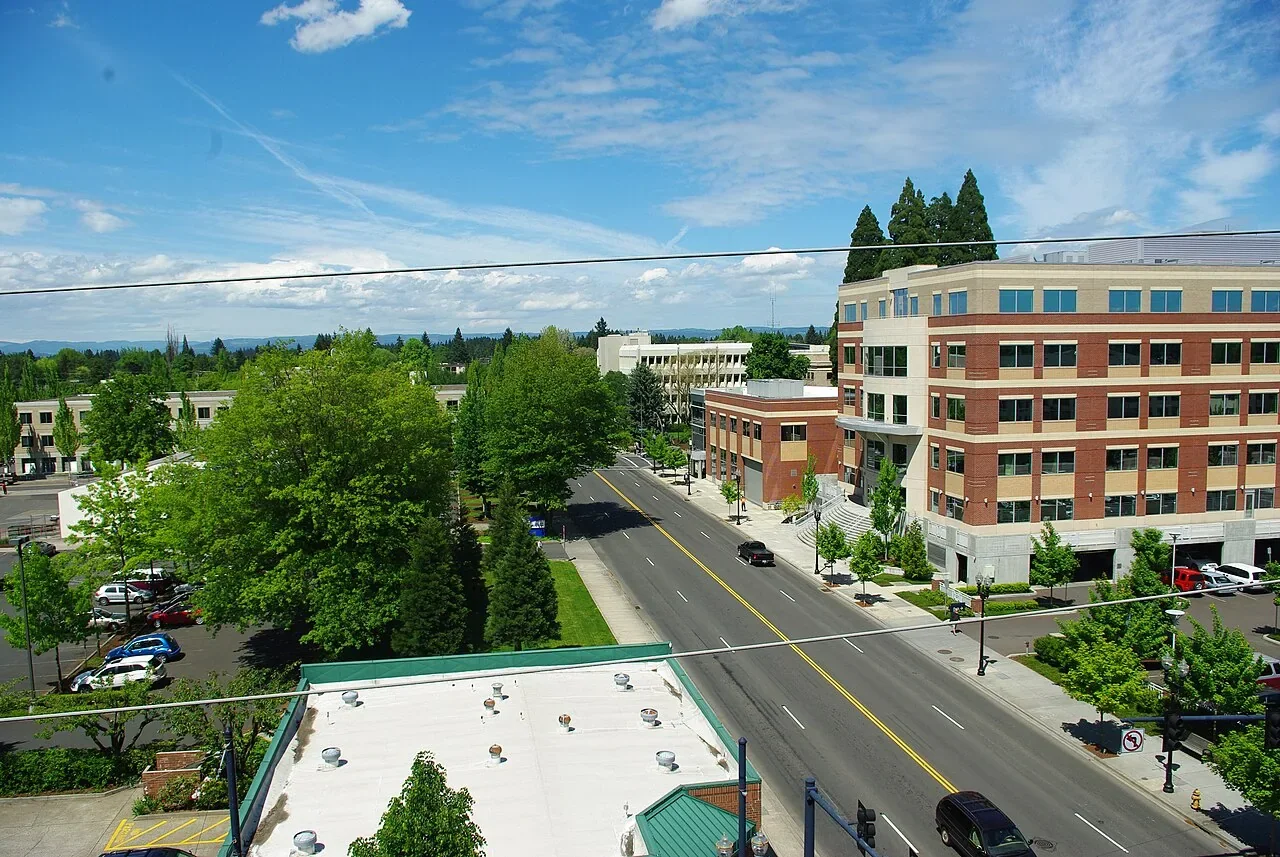
A roof visit in Downtown Beaverton or Cedar Hills receives its own property record. We keep each address, access note and roof finding separate so one building's repairs are not treated as evidence for another. Raleigh Hills sits at the crossing of Oregon Routes 10 and 210 in the southwest hills, on about 1.52 square miles, so a commercial roof there is rarely far from a through road. That makes the delivery window and the lift position the first two items settled with the property contact.
Related Roofing Work
Commercial Roof Inspection
Commercial Roof Leak Repair
Commercial Roof Drains and Scuppers
Roof Recover and Overlay
Arrange a Raleigh Hills roof visit
Place an intake call with the property address and last known leak location. We will arrange a make-safe visit, document the roof condition and return a written scope sheet with the next step.
Questions About Raleigh Hills
What do you need to start a Raleigh Hills leak call?
The property address, the room with water, the last known leak location and a contact for roof access come first. Say whether water is still active and whether contents or equipment below need protection at once, and the first visit is planned.
Can a roof repair be limited to one area?
It can when the failed detail has a defined boundary and sound material for a tie-in. We inspect nearby seams, penetrations and drainage, then state whether testing is needed before the repair quantity is set.
How do you document roof access restrictions?
We list the route, unavailable areas, equipment clearances and any contact or approval still needed. If those limits affect the recommendation, the scope says what a second visit must reach.
Does standing water always mean the deck is damaged?
Standing water shows a drainage condition, not a confirmed deck finding. We document extent and timing, inspect the drain and nearby membrane, and identify a test if concealed materials could change the work.
What is included in the permanent repair scope?
The scope states preparation, affected roof details, material transition, protection and cleanup. It also separates confirmed work from assumptions, so the owner can see what may require authorization if concealed conditions appear.