
Roofing Capabilities
Get a Beaverton, OR roof condition report with a marked plan, dated photographs, repair priorities and clear limits for each inspection or test area.
Commercial Roof Condition Reports in Beaverton, OR
A report should let a second reader find the same roof detail without calling the person who walked it. In Beaverton, OR, we tie each observation to a plan location, a dated photograph and a next action. The property manager can pass the file to an owner, lender or incoming facilities lead and keep the condition decision intact.
We separate visible wear from confirmed water entry and suspected moisture. If a test opening was not made, that limit stays in the record. The recommendation follows the evidence available, with an inspection or test assigned when it could change the repair or replace decision.
Make Each Finding Findable
Every item receives a roof section, detail description, photograph and condition note. We identify which seam, curb, drain, penetration or edge appears affected and whether nearby material was checked. A photo without a location is difficult to use after a staff change; a plan mark without a close view can leave the repair boundary unclear. The two belong together.
We also record sound areas when they frame a repair. If coating remains adhered around a failed drain, the note distinguishes the outlet work from the surrounding field. If a patch is holding, the file states what was observed and what should be rechecked. The next crew receives a clear starting point rather than a broad label such as “roof issue.”
The note also records the inspection method, the roof area covered and any materials or equipment that limited access. If the roof has multiple levels, we label each elevation separately so a repair crew can follow the same route. The photographs remain tied to the finding number, and the recommendation states whether a repair can proceed or needs a second visit.
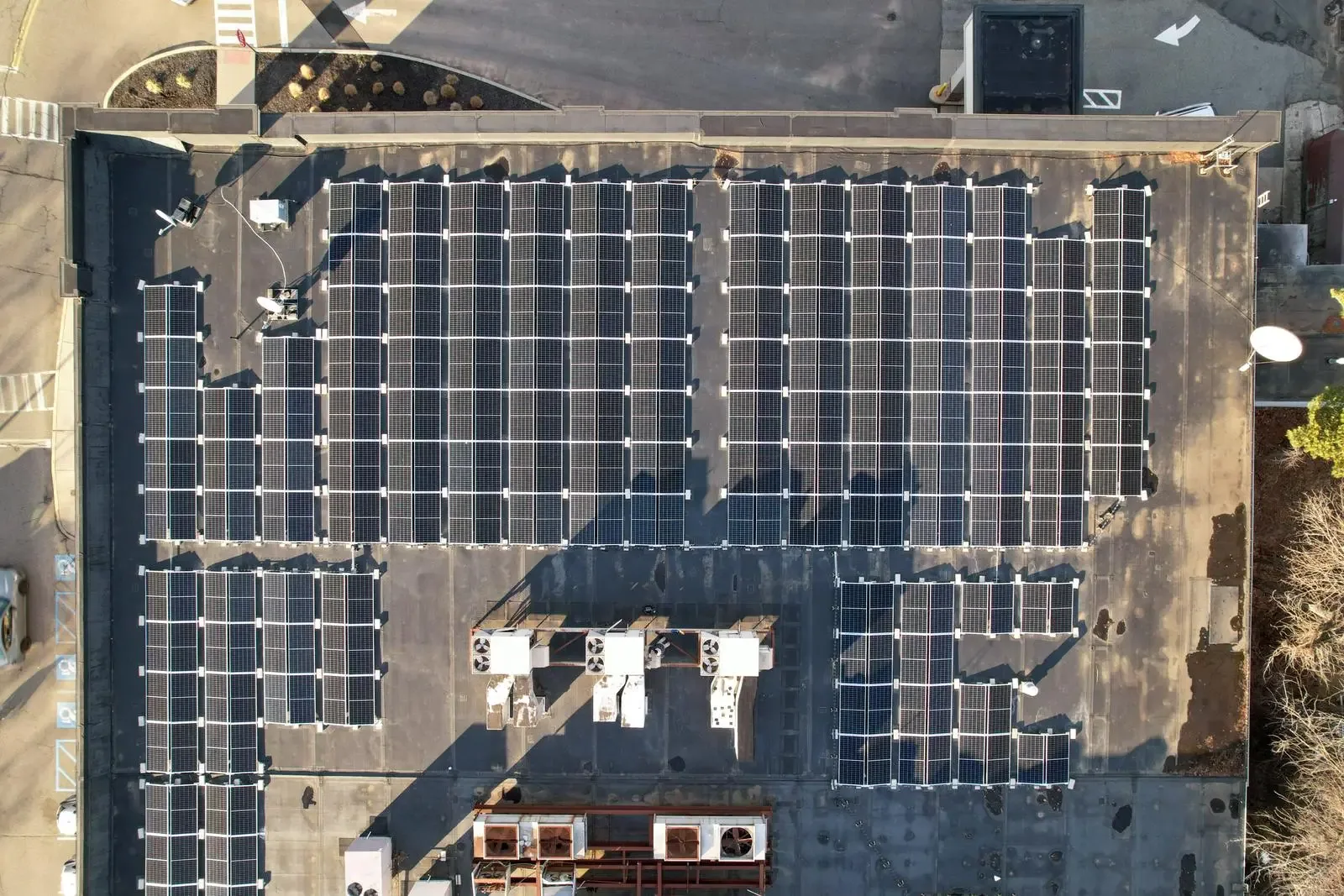
A hands-on roof inspection supplies the field observations, and a drone survey can show broad surface context before close inspection of a detail.
Show the Limits
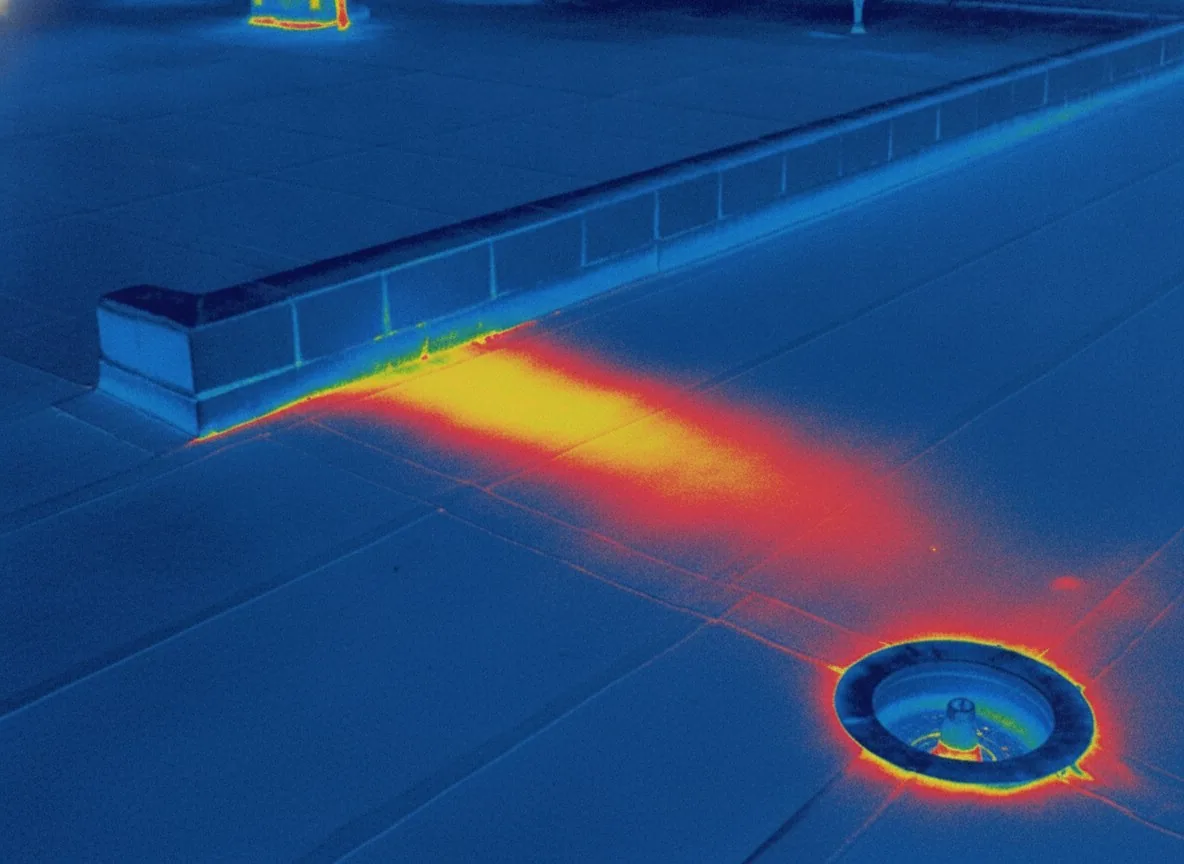
A visual walk cannot confirm every concealed layer. We list areas that were blocked by equipment, unsafe to reach or outside the authorized scope. When moisture is suspected, we mark its visible boundary and note whether infrared screening or a test cut was used. A moisture survey can guide the next opening; the report does not describe untested insulation as confirmed wet.
Beaverton averages roughly 39 inches of precipitation across about 151 days each year, with November through January the wettest months. A record made after extended rain should distinguish water observed at the visit from a stain or leak reported earlier. We date the evidence and identify whether a return check is needed after the next dry period.
Where the test area reveals wet insulation, the report marks the opening, observed layers and edge of the confirmed condition. We keep a suspected zone separate from a confirmed one and identify whether more sampling would change the scope. That prevents one test cut from being treated as a finding for an entire building.
The final page of the report gives the manager a short list of decisions still open: approve a repair, authorize testing, monitor a stable detail or request a broader scope. Each decision points back to a plan mark and photograph. A report names the date the roof was last dry.
Put Work in Order
Findings are grouped by consequence and timing. Active water entry, open seams and drainage failures may need immediate protection. Aging sealant or isolated coating wear may fit planned work if the surrounding material remains sound. We explain why each item sits in its category and list the condition that would move it to a higher priority.
After a high-heat period like Portland's 116 degrees on June 28, 2021, we document visible stress at sealants, seams and equipment transitions when found, then identify any area that merits closer review.
Where a repair boundary is clear, a repair scope can state preparation, tie-in and protection. A broader replacement option is separated when the field condition or repeated failure supports that discussion.
Write for the Next Reviewer
A lender or buyer needs to understand the survey date, inspected areas, system identification and remaining questions. We state whether the review included roof access, records supplied, moisture testing and any requested follow-up. The report does not turn a limited walk into a full warranty evaluation or a structural review.
For a refinancing review, we can list the roof areas inspected and the ones excluded, then state which open work affects near-term planning. A buyer can compare that record with repair invoices and the seller's available roof documents. If the evidence does not support a remaining-life estimate, we leave that conclusion open and recommend the survey needed to answer it.
Metro's 2040 plan expects regional centers such as Downtown Beaverton and Washington Square to combine compact employment and housing near transit. A property in those areas may have tenant, delivery and access constraints that affect a roof visit. We record the contact and restrictions for the specific building, while keeping the report focused on the observed roof.
For a purchase or refinancing, a due-diligence roof survey can set a time-limited scope. A capital planning review can carry the findings into budget timing without changing the field evidence.
Keep the File Useful
At closeout, the owner receives a marked plan, numbered findings, dated photographs, completed work and unresolved items. We identify which repairs were made and which remain recommendations. If a temporary dry-in protects an opening, the record calls it temporary and names the permanent action still required.
When a follow-up visit checks the same location, the new note links back to the earlier mark and states what changed. A building file can retain that history, while a multi-site reporting program can use consistent fields across properties without combining unlike assemblies.
For a Beaverton roof review, send the address, any available roof plan and the last known leak location. We arrange the walk, confirm its boundaries and return a report the next decision-maker can use.
Related Roofing Work
Commercial Roof Inspection
Drone Roof Inspection
Infrared Moisture Survey
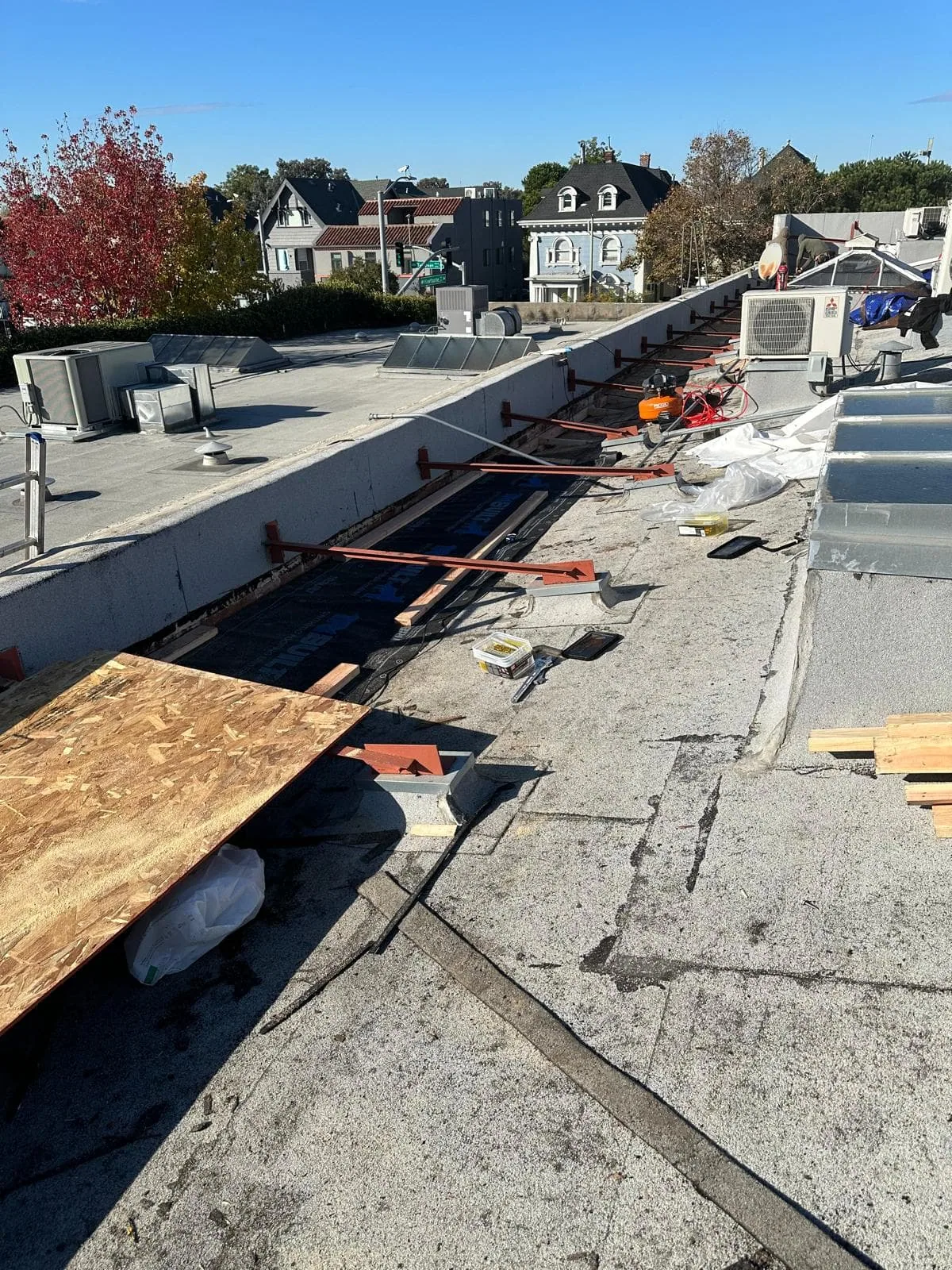
Commercial Roof Repair
Request a report-ready roof walk
Send the Beaverton property address, any roof plan and the last known leak location. We will confirm the inspection boundary, arrange access and return dated findings tied to a marked plan.
Questions About Commercial Roof Condition Reports
What makes a roof condition report useful to a buyer?
The report states what was inspected, when it was inspected, how findings were located and what remains unknown. A marked plan and dated photo set let the buyer connect each recommendation to a roof detail instead of relying on a general condition label.
Can the report confirm hidden moisture?
Only the method used can support that conclusion. Infrared screening can identify areas for further checking, while a test cut can confirm the layers opened at that point. We label the surveyed boundary and do not extend a sample result across untested roof sections.
How do you handle a roof area that could not be accessed?
We identify the blocked or restricted area on the plan and explain why it was not inspected. The recommendation can include an access arrangement or follow-up visit if the condition matters to a pending repair or transaction.
Will the report say whether to repair or replace?
It will explain the observed conditions that support a repair, continued monitoring or a broader replacement discussion. Where testing or concealed deck review could change the recommendation, the report lists that step before treating the option as final.
What records should accompany the roof report?
Provide current roof plans, known system information, warranties and earlier repair notes when available. We list which records informed the survey and keep new photographs, test locations and work recommendations with the building file.