Commercial Roofing Services
Recovering a commercial roof in Beaverton, OR: moisture survey, code limits on layers, fastening and drainage checks before a new membrane goes over the old.
Roof Recover and Overlay in Beaverton, OR
A recover is a bet that the roof underneath is dry. Win the bet and you skip a tear-off, keep the building quiet and move on quickly. Lose it and you have buried a wet layer under a new membrane, where it will stay for years. Our intake process for a roof recover in Beaverton, OR starts by deciding if the bet is even available. That means a roof walk, a moisture survey, a look at the layers already on the deck, and a written yes or no.
The answer is often yes for a single sound membrane with a dry core. It is no for a roof with trapped water or earlier overlays already in place.
Moisture Decides Eligibility
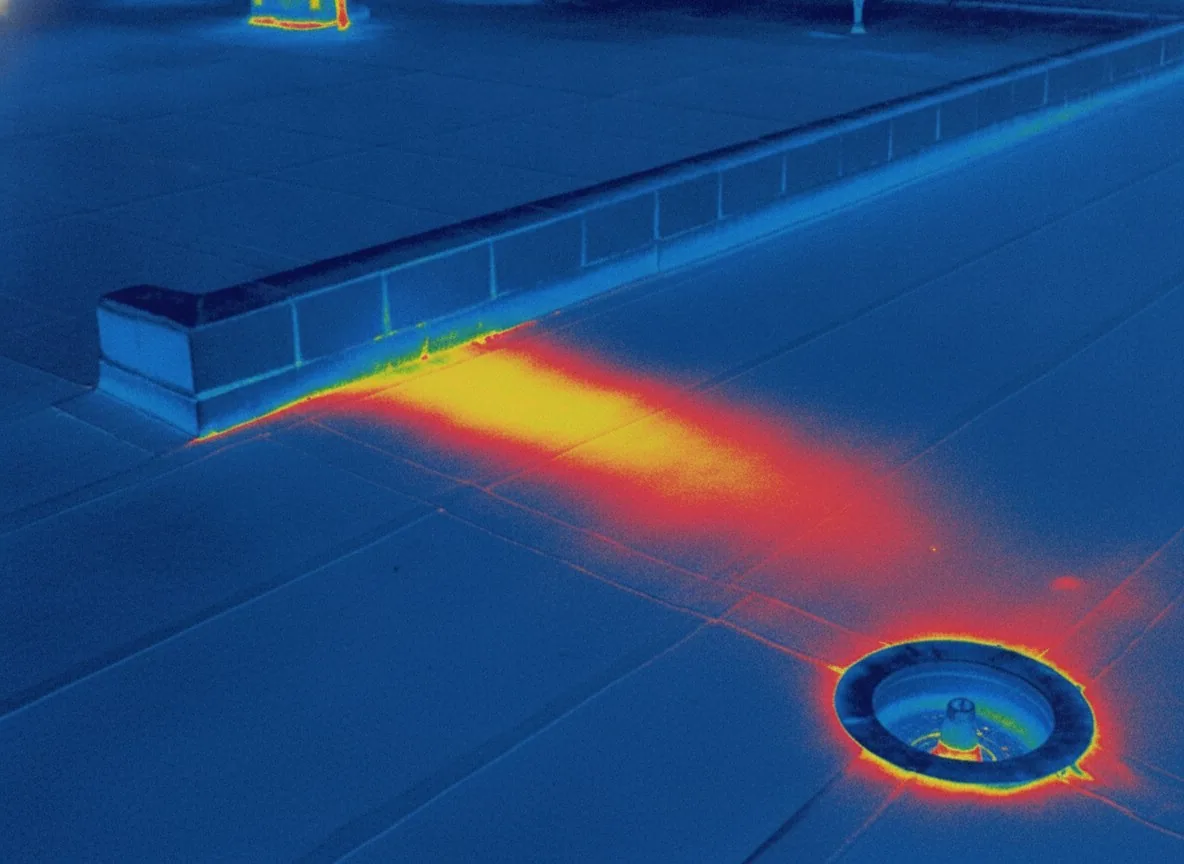
Wet insulation is the first disqualifier. A new sheet over wet board seals the water in, and the board keeps losing strength and insulating value. We mark the roof with an infrared scan after a dry spell, then confirm the suspect zones with cores. The result is a plan that shows dry areas, wet areas and the border between them.
Small wet zones do not always end the recover plan. We can cut out and replace the wet insulation inside a marked boundary, then cover the whole roof with new board and membrane. Large or scattered wet zones push the answer toward a full tear-off, because opening that much of the roof erases the savings. Beaverton gets about 151 days of precipitation a year, so a roof with a weak detail has had many chances to take on water, and the survey is how you see what happened.
Code Limits the Layers
Building code restricts how many roof coverings can stack on one deck, and it bars a recover over certain damaged or saturated materials. The state's 2025 structural code, which builds on the 2024 International Building Code, has applied to new permits since April 1, 2026. We read the existing layers, check them against the adopted code and the manufacturer's requirements, and note the result in the scope sheet.
The energy code has a say too. The 2025 Oregon energy code, built on ASHRAE 90.1-2022, can require more insulation when the roof is altered. Sometimes a recover is the right route and a layer of new polyiso goes between old and new membranes. Other times the numbers favor replacement, and we show the comparison side by side.
Weight and Fastening Come Next
Every new layer adds load and needs something to hold it down. A structural check confirms the deck and framing can carry the added weight, particularly with ballast or a tapered insulation system. Fastener pullout tests on the existing deck tell us what attachment method will work. Steel deck with corrosion, thin wood decks, and light gauge purlins can limit options.
Wind lifts a roof at its perimeter and corners first, so edge metal and corner zones receive the heaviest fastening pattern. We also look at drainage. A recover can raise the roof surface relative to drains and scuppers, which changes flow. Tapered insulation or drain and scupper changes may be needed to keep water from standing.
Where a Recover Fits Best
The best candidates share a profile: a single existing membrane, a dry core, a sound deck and a building where noise and disruption cost real money. A single-membrane retail strip in Aloha or a one-layer light-industrial roof in Tualatin would be the kind of setting where a recover can make sense, provided the building passes the tests above. The moisture plan, the layer count and the deck check each have to come back clean before a recover is priced as an option.
A recover also suits an owner who needs a roof secure before a refinance or sale and wants a documented, warrantable system without a long project. The savings show up mostly in disposal and labor, and in fewer days with an open roof during a wet season. On a roof with a clear defect pattern, a recover can be paired with targeted seam failure repair so the old layer is sound before the new one goes over it.
Cost and Timing Follow the Prep
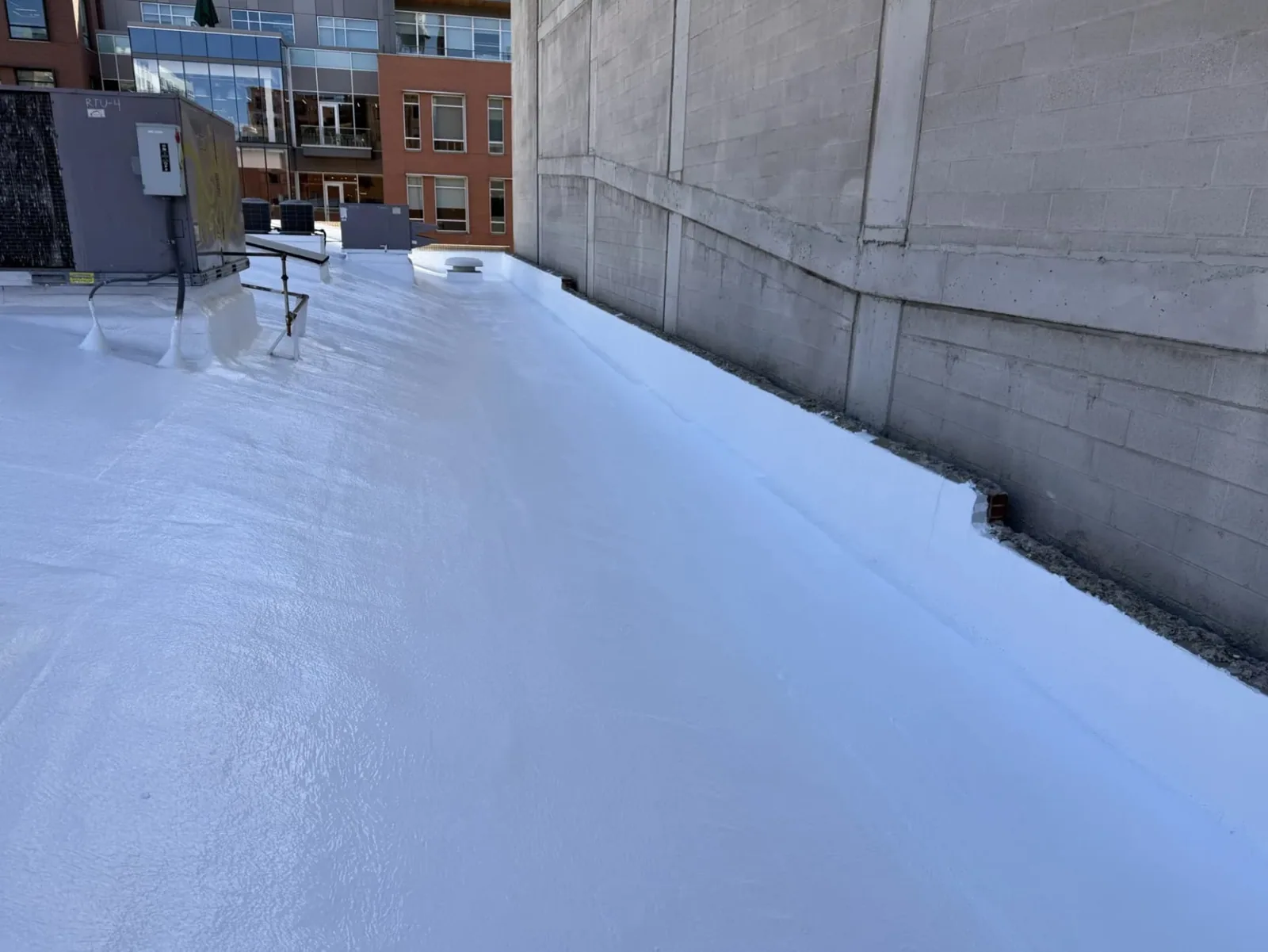
A recover looks cheaper on paper because it skips the tear-off and the haul-away. The saving is real, but it moves around depending on how much preparation the old roof needs. A smooth, dry membrane with few defects takes a quick cleaning and a few patches. A blistered, cracked or heavily patched surface takes much longer, and the labor eats into what you saved.
Timing follows the same logic. A recover keeps the building enclosed throughout, which matters for tenants with inventory, food handling or sensitive equipment under the roof. It also shortens the exposure period during Oregon's wet months, when an open deck is the largest risk to schedule. We give you a phase plan with start and stop dates by area, and we price the prep as its own line so you can see what the old roof is costing you before the new one goes on.
The long view counts as well. A recover resets the clock on the membrane but does not reset the deck, so the building file should show a plan for the eventual full replacement. Owners who treat the recover as a bridge, with a date for the next decision, get the most from it.
The Work Moves in Order
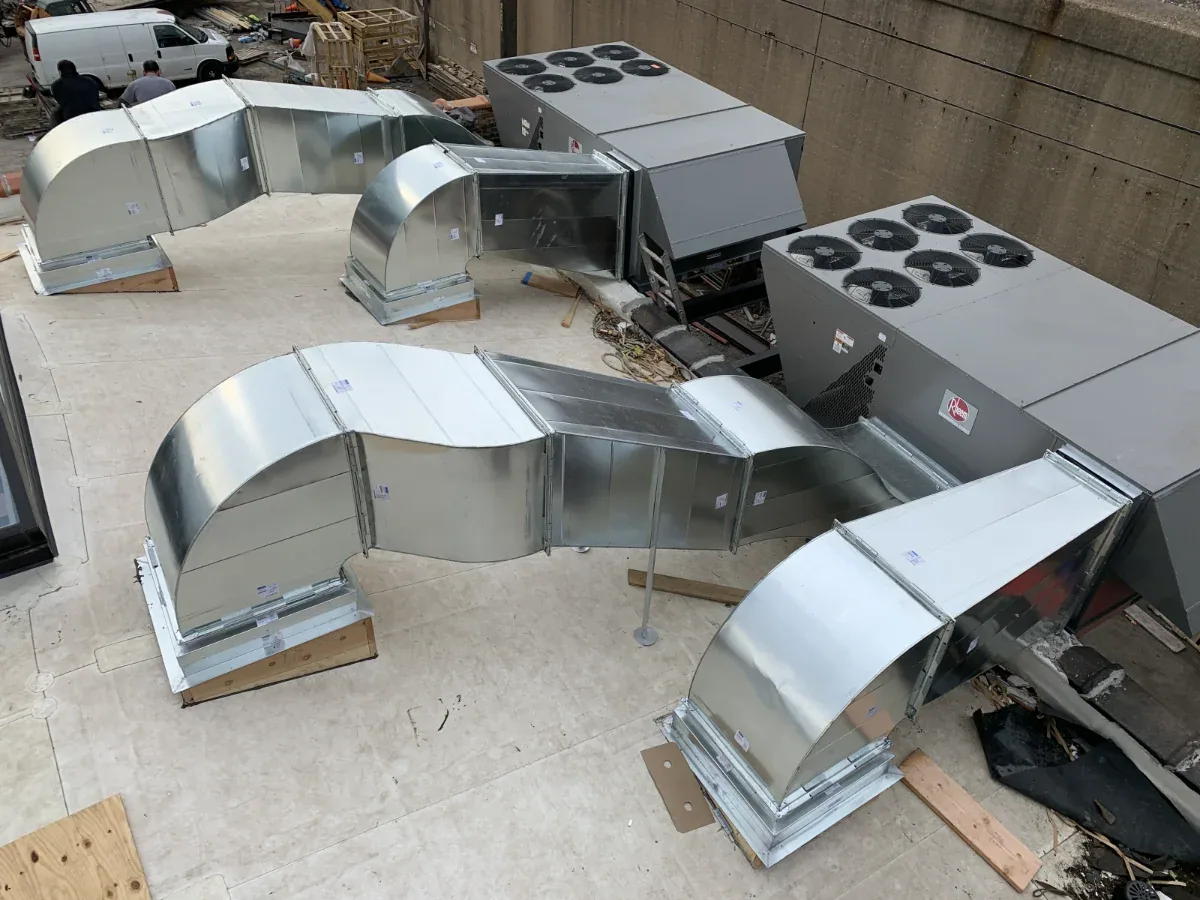
Preparation comes first: sweeping, removing loose gravel, cutting out blisters and repairing damaged areas of the existing membrane. Then insulation or cover board is mechanically fastened or adhered, followed by the new membrane. A single-ply such as TPO is a common choice, though the right system depends on the existing roof, the exposure and your budget.
We detail every edge, drain and penetration as if it were new construction, since those details are what fail first. Photos are taken at each stage and filed with the scope sheet, so the layer sequence and fastener pattern are on record for whoever manages the roof after us. If a surprise appears, such as hidden wet material in a spot the survey missed, we stop, document it, and price the change before work continues.
Related Roofing Work
Infrared Moisture Survey
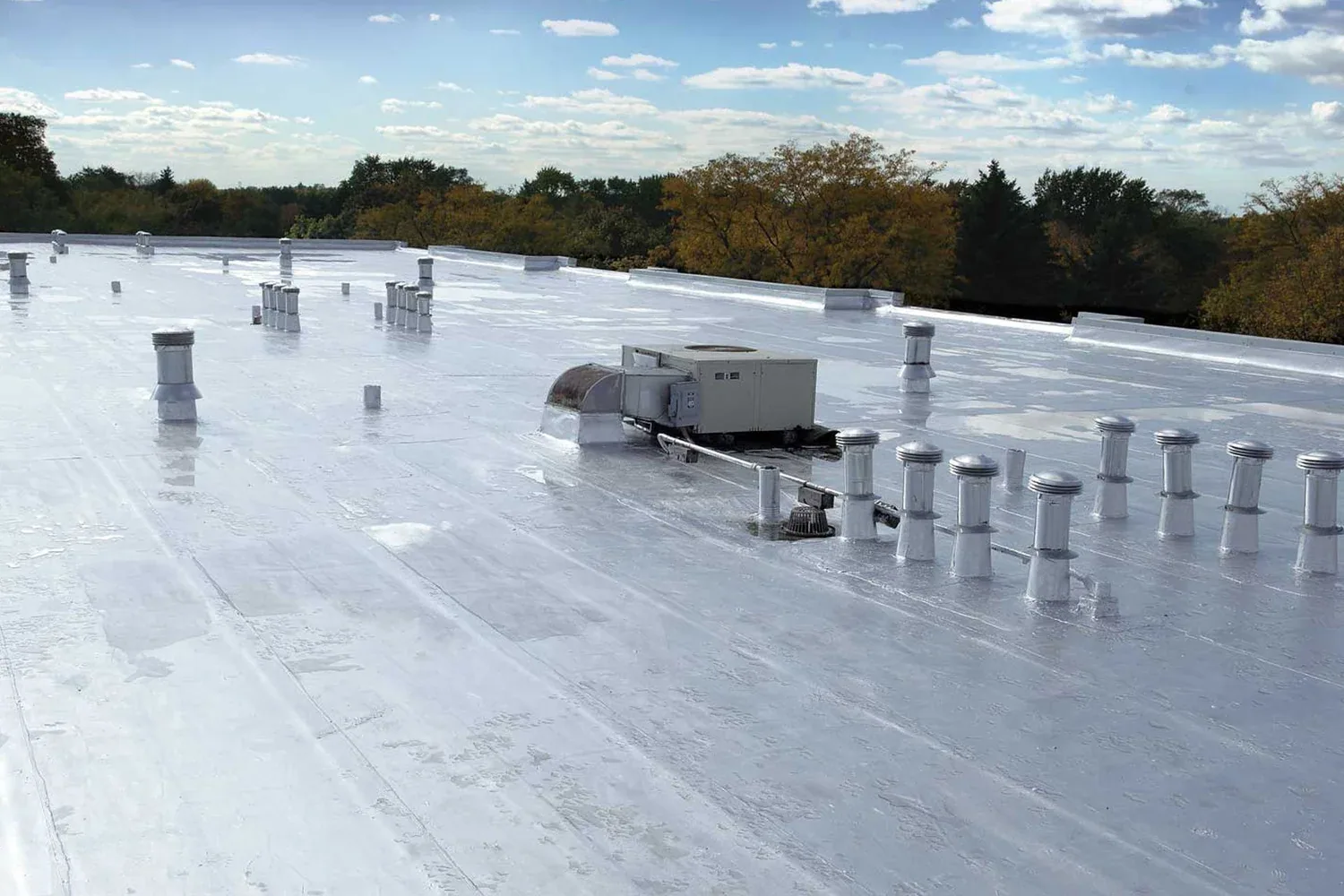
Commercial Roof Drains and Scuppers
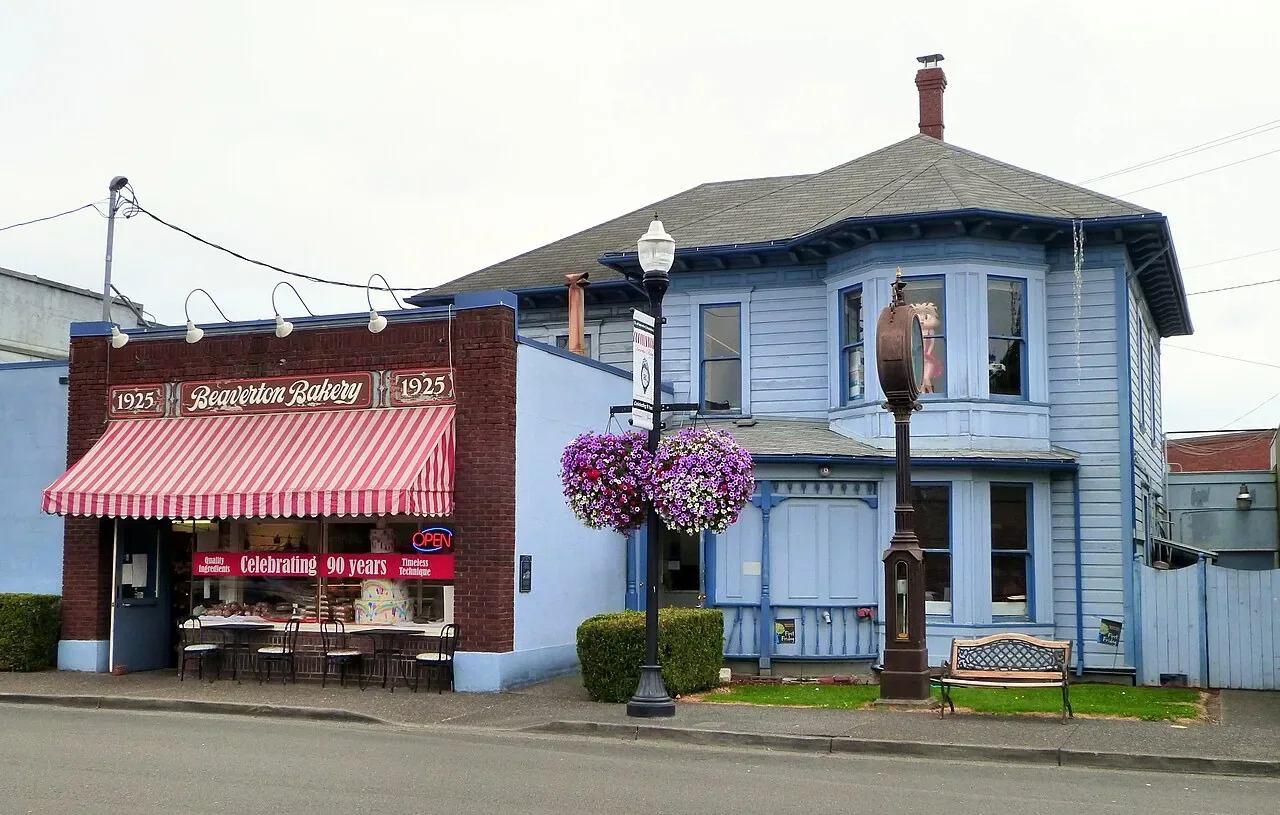
Aloha
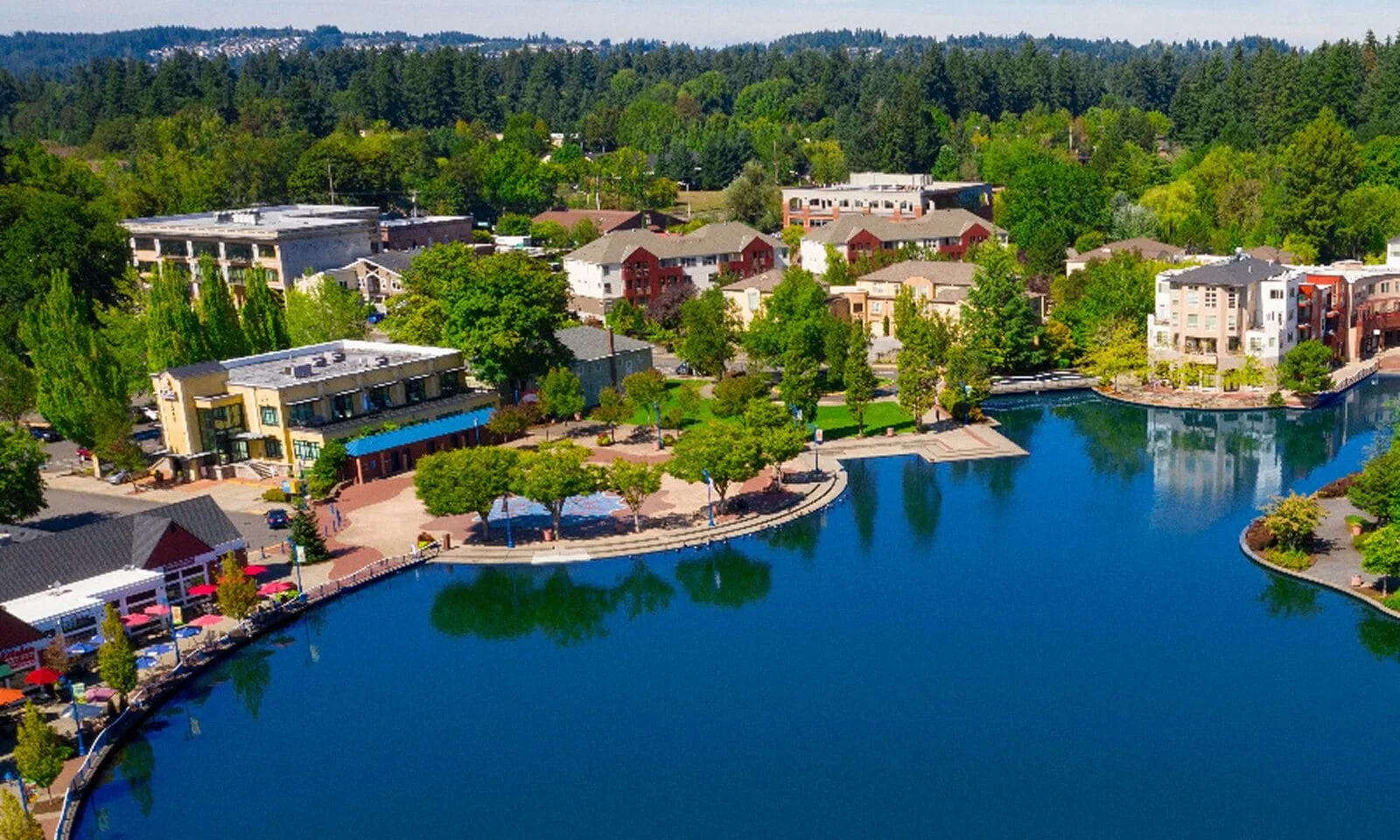
Tualatin
Start with a survey
Send the building address and any leak history. We scan, core and report back with a clear yes or no on recovering, plus the replacement option if the answer is no.
Questions About Roof Recover and Overlay
Can any Beaverton roof be recovered instead of replaced?
No. Eligibility rests on the layers already on the deck, the moisture condition and the structure. A single dry membrane over sound deck qualifies most often. Saturated insulation, multiple earlier layers or a weak deck rules it out.
How do you confirm the insulation is dry before we commit?
An infrared scan finds anomalies, and cores confirm them. We mark the results on a plan. Cut-outs of wet zones can be built into the scope, which is how some roofs with limited damage still qualify.
Will a recover change how water drains?
It can. A thicker roof build-up raises the surface relative to drains and scuppers, so we model flow and add tapered insulation or drain adjustments where needed. Ponding after the work would defeat its purpose.
What is the main risk of choosing a recover?
Hidden moisture. A thorough survey reduces that risk but nothing replaces it. If cores show water in more places than expected, we say so, and the conversation turns to a full replacement with the numbers in front of you.
Is the warranty different on a recover?
Manufacturers set the terms, and their requirements for recovers differ from those for new roofs. We provide the system data and confirm the manufacturer's conditions in writing before you decide.