
Service Areas
Commercial roofing in Hillsboro, OR for industrial, data and distribution buildings: leak response, moisture surveys, repair scopes and planned replacement.
Commercial Roofing in Hillsboro, OR
A leak call from a Hillsboro, OR production or distribution building opens with questions about what sits under the water: process equipment, stored product, a clean area, or an office corner. We take the intake, send a crew to make the area safe, and photograph the roof before any seam is touched. The make-safe visit may be a tarp, a temporary seal or a cleared drain. It protects whatever the building does, and the photo set joins the building file with the date and the leak location.
Hillsboro is the western end of the Silicon Forest corridor that runs from Beaverton, and much of its roof work is industrial: manufacturing, data, food and distribution use. That makes the second visit matter. It is where we price the repair, show the point at which replacement belongs on the capital line, and agree access with the people who run the floor below.
The industrial roof first
Over half of Hillsboro's employment is in the Hillsboro Industrial District, and Intel alone employs about 20,000 workers in the city. Manufacturing makes up about 24 percent of the workforce. A building where production depends on a controlled interior treats a roof leak as an operations problem before it is a repair problem, so the first questions are about the equipment, the clean areas and the shifts below the leak.
We set the make-safe work around those answers. A temporary seal that needs two hours on the roof is one thing above a warehouse aisle and another over a line that cannot be interrupted. Where a plant has several roof levels or additions, we mark which section took the water so the scope sheet separates a local repair from a broader manufacturing plant roofing decision.
Records matter in a plant. We ask who holds the last roof report, whether tenants made changes to equipment or ductwork, and whether any past repair was recorded. Those answers shape the scope sheet, because a penetration added years after the roof went on is a likelier leak path than a field seam that has stayed dry. The sheet we leave with the owner lists each item as patch, local replacement or capital line, with a photo for each.
Data halls and rooftop plant
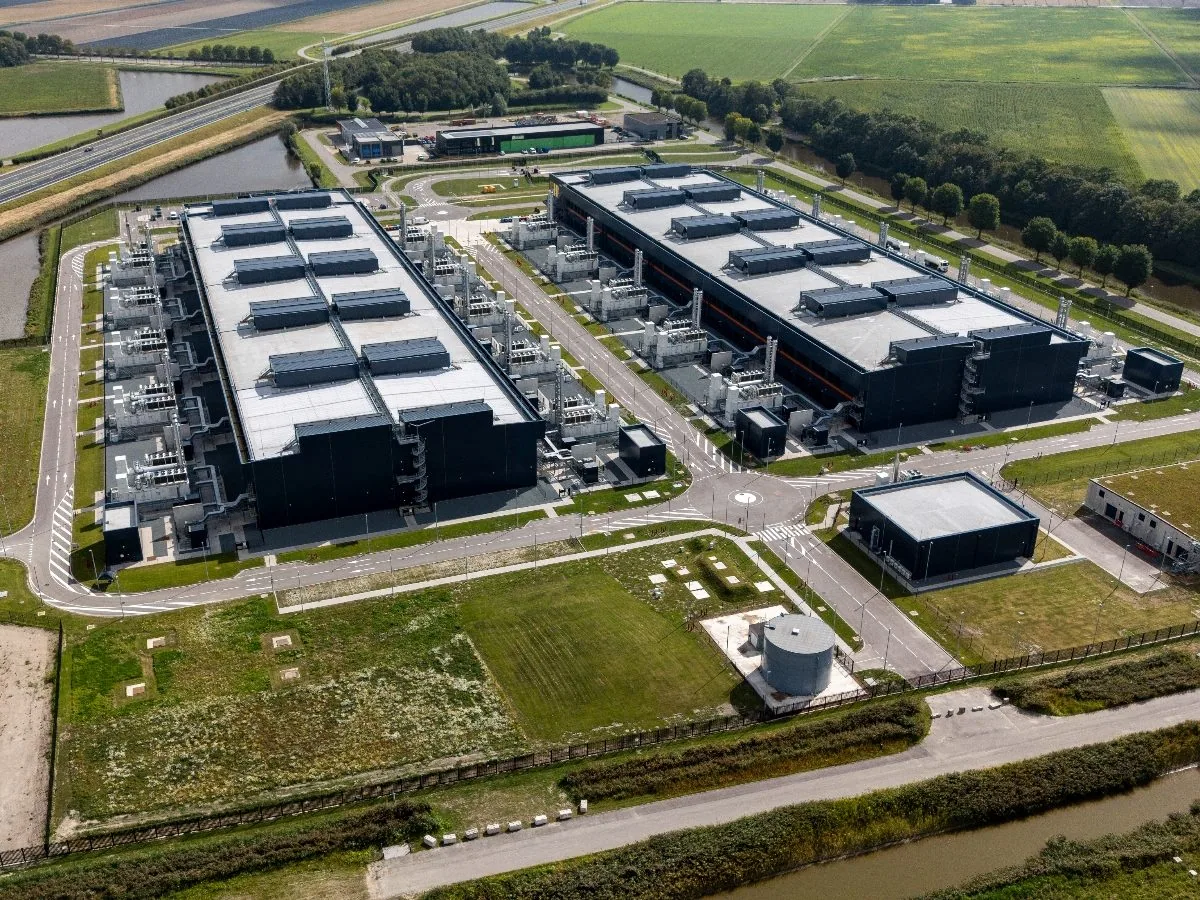
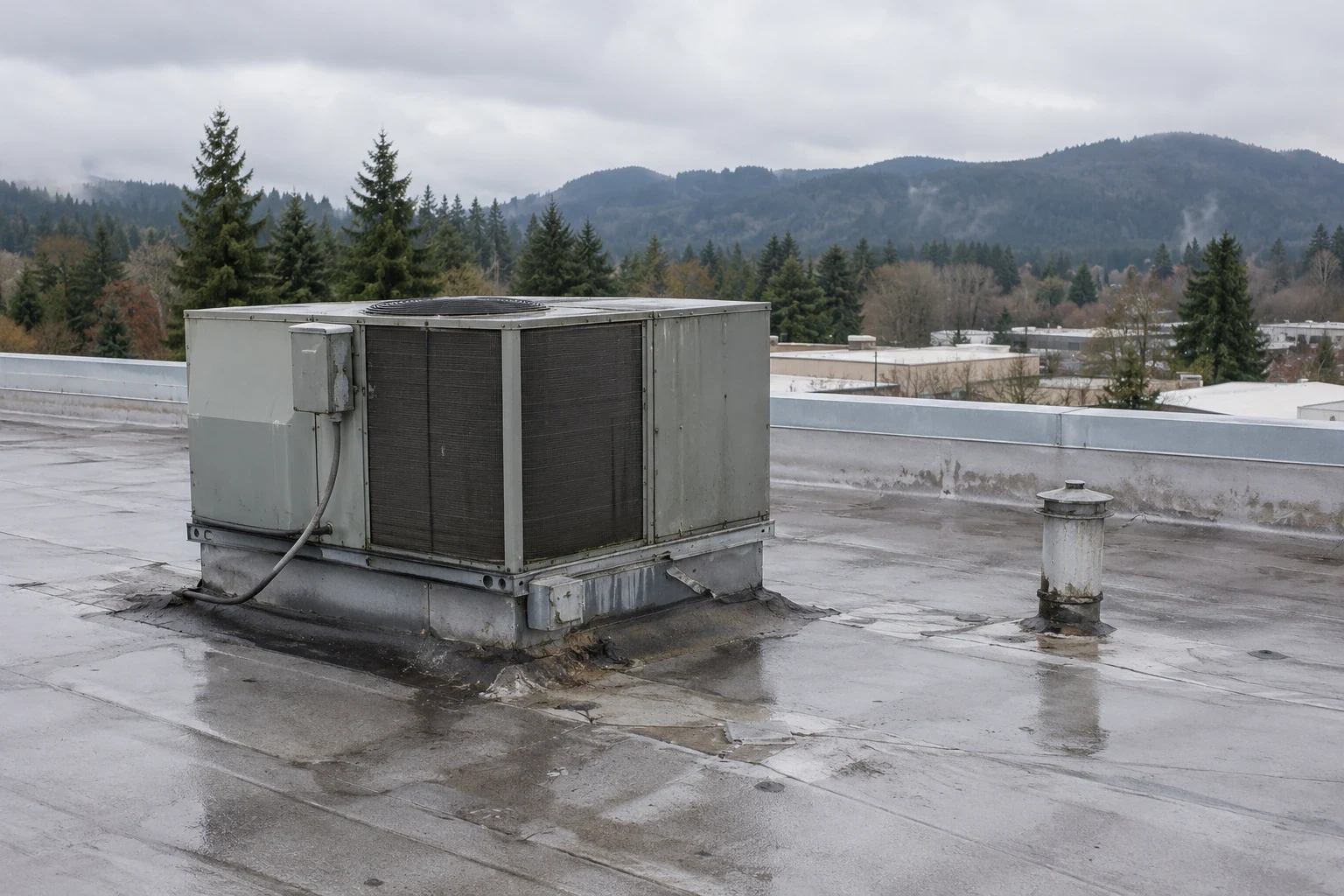
Data centers have expanded across Hillsboro since about 2010, and a roof over a data hall carries a different risk than one over storage. Water at the wrong spot can reach racks or power gear, so the response plan names the shutoff point and the person who authorizes roof access before the crew climbs. Rooftop cooling equipment adds penetrations, curbs and supports that need their own checks.
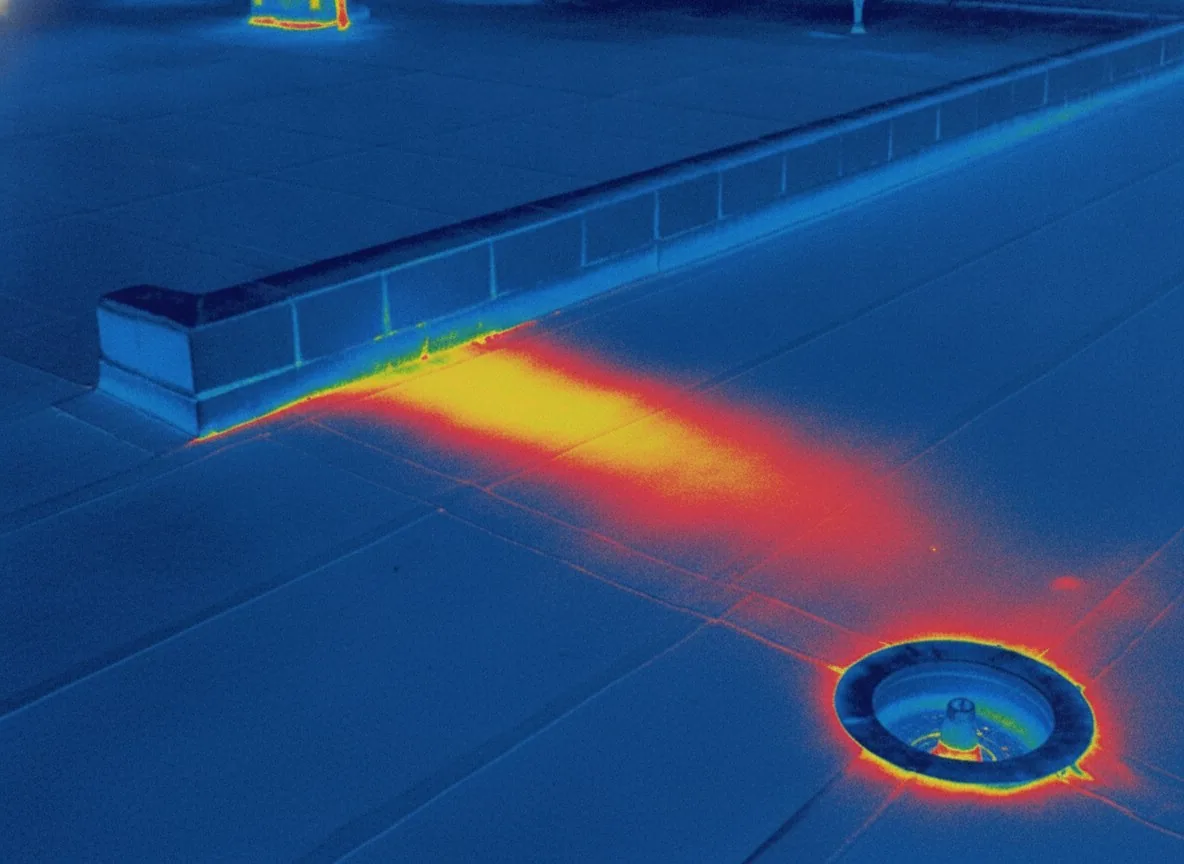
On a data center roof we favor a quiet, planned approach: moisture survey, drain test, equipment curb inspection and a written maintenance interval. An infrared pass after a dry day shows where insulation holds water without cutting the roof open, which is why an infrared moisture survey often comes before any capital decision for a building like this.
Wet fall, dry-in first
Beaverton, OR, at the other end of the corridor, gets rain on roughly 151 days a year, and Hillsboro roofs live through the same season. Drains that were clear in September fill with leaves and debris by November, and ponding at a drain sump shows up first as a stain at a ceiling below.
The pattern we follow is the same each time: dry-in first, permanent repair at the next dry window, second visit with a scope sheet. In a heavy wet spell the permanent work can wait while the temporary seal holds, and the leak log records any change. A planned fall visit, with drains cleared and flashings checked, catches the problems that November rain would otherwise find. That is the idea behind preventive roof maintenance for a building that cannot lose production days to a leak.
Cold nights add a second test. Portland Airport records about 32 nights a year at or below freezing, and water that sits in a seam or behind a flashing expands when it freezes. A small gap in November can become a wider one by February, so we mark any seam or termination that shows a hairline opening and schedule the second visit before the coldest weeks.
Distribution and freight buildings
Freight rail runs through Hillsboro on the Portland and Western Railroad, with connections to BNSF and Union Pacific, which gives goods movement a place in the local economy. Genentech runs a $400 million packaging and distribution facility on 100 acres. For any building that stores or stages product, a leak near dock doors or a staging aisle puts goods at risk faster than it harms the structure, so the first photo goes to what is stored below the opening.
Docks, canopies and mixed roof heights create many transitions. Those wall-to-roof joints are where we start a survey, since they gather water and carry movement. The scope sheet for a flex industrial building separates field work from detail work, so a tenant or owner can decide what to do now and what to put on the capital line.
One file for several buildings
An owner here may hold more than one building, in the industrial district and in the nearby centers at Tanasbourne and AmberGlen or Orenco Station. We keep one building file per address and use the same photo angles, the same leak-log format and the same drain list each time. That makes a roof across the portfolio comparable to a roof across town.
When an owner is ready to rank roofs by condition, the multi-site roof program approach sorts them by moisture readings, repair history and remaining service life. Place the intake call with the building address and the last known leak location; a make-safe visit comes first and the scope sheet follows.
Related Roofing Work
Manufacturing Plant Roofing
Data Center Roofing
Infrared Moisture Survey
Preventive Roof Maintenance
Place an intake call for your Hillsboro building
Call with the building address and the last known leak location. We will send a crew for a make-safe visit and follow with a written scope sheet that shows the repair boundary and the point where replacement belongs on your capital line.
Questions About Hillsboro
What should I tell you first when water appears in a production area?
Give us the room, what sits beneath the water and who can authorize roof access. That tells us whether the first visit is a tarp, a temporary seal or a drain clearing, and whether any equipment needs to be covered. The building address and the last known leak location complete the intake.
Can a leak over a data hall be handled without a shutdown?
The shutoff plan decides it, and the building operator owns that plan. We agree the access path, the work zone and the stopping point before we step onto the roof. A temporary seal is usually the first step, and permanent work follows on a scheduled visit set around the operator's windows.
How do I know whether Hillsboro roofs need replacement rather than another repair?
Moisture readings and repair history draw the line. If the insulation is wet across a wide area, or the same section has failed twice, the scope sheet shows replacement beside the repair so the capital line can be set with numbers. A single flashing failure on a dry roof does not trigger replacement.
What changes between a fall leak and a summer leak?
Fall leaks come with continuing rain, so we dry in first and wait for a window before the permanent fix. Summer leaks give us dry surfaces for welding or bonding, so the repair can often finish on the second visit. The date and weather go into the leak log either way.
Do you keep roof records for owners with buildings in several cities?
Yes, in a building file per address with photo sets, leak logs, moisture readings and scope sheets. Owners with roofs in Hillsboro and Beaverton can compare them from the same format. The file also shows when each roof last had a drain cleaning and a flashing check.