
Property Types We Roof
Protect cold storage roofs in Beaverton, OR with vapor-aware inspections, insulated assembly reviews, phased dry-in and coordinated refrigeration access.
Cold Storage Roofing in Beaverton, OR
A warm seam can become a refrigeration problem before an interior leak appears. For cold storage roofing in Beaverton, OR, we start with the address, operating temperature concerns and last moisture report, then map the affected room to the roof plan. If water is active, a make-safe visit protects the area below. Photos record the membrane, curb and perimeter before repair changes the evidence.
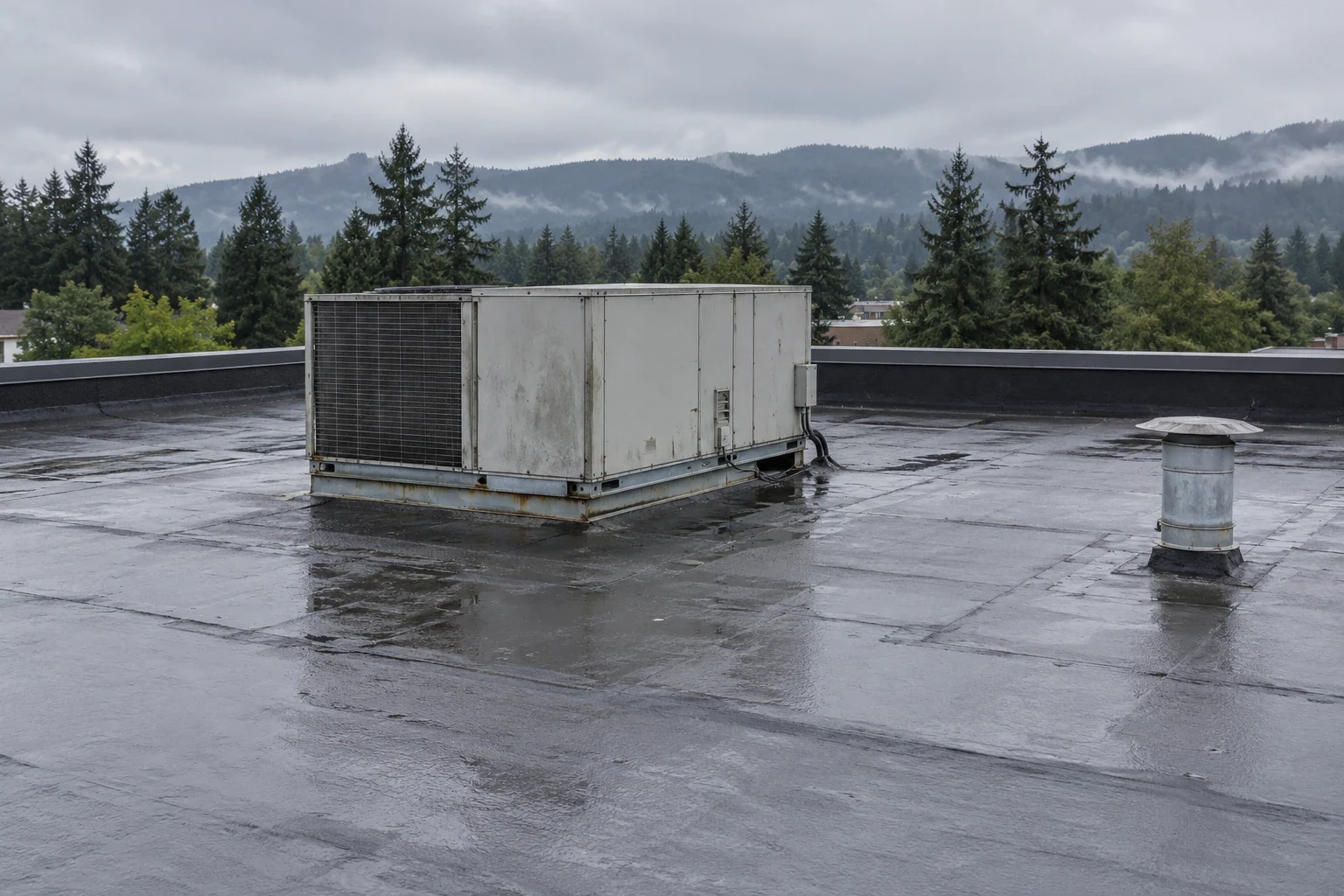
Cold rooms put pressure on insulation, vapor control, penetrations and equipment curbs. A surface patch cannot correct moisture inside the assembly. We inspect the layers and drainage, coordinate access with refrigeration staff, and put the repair-or-replace threshold on a scope sheet. The owner sees what is known, what needs testing and what can proceed without disrupting temperature control.
Follow the Warm-Side Detail
We identify deck, insulation, membrane, vapor retarder and transitions at walls and curbs. Temperature differences can move moisture through small discontinuities, so we inspect penetrations and changes in plane. Photos note condensation, loose flashing, damaged sealant or wet insulation without assuming cause from a ceiling mark.
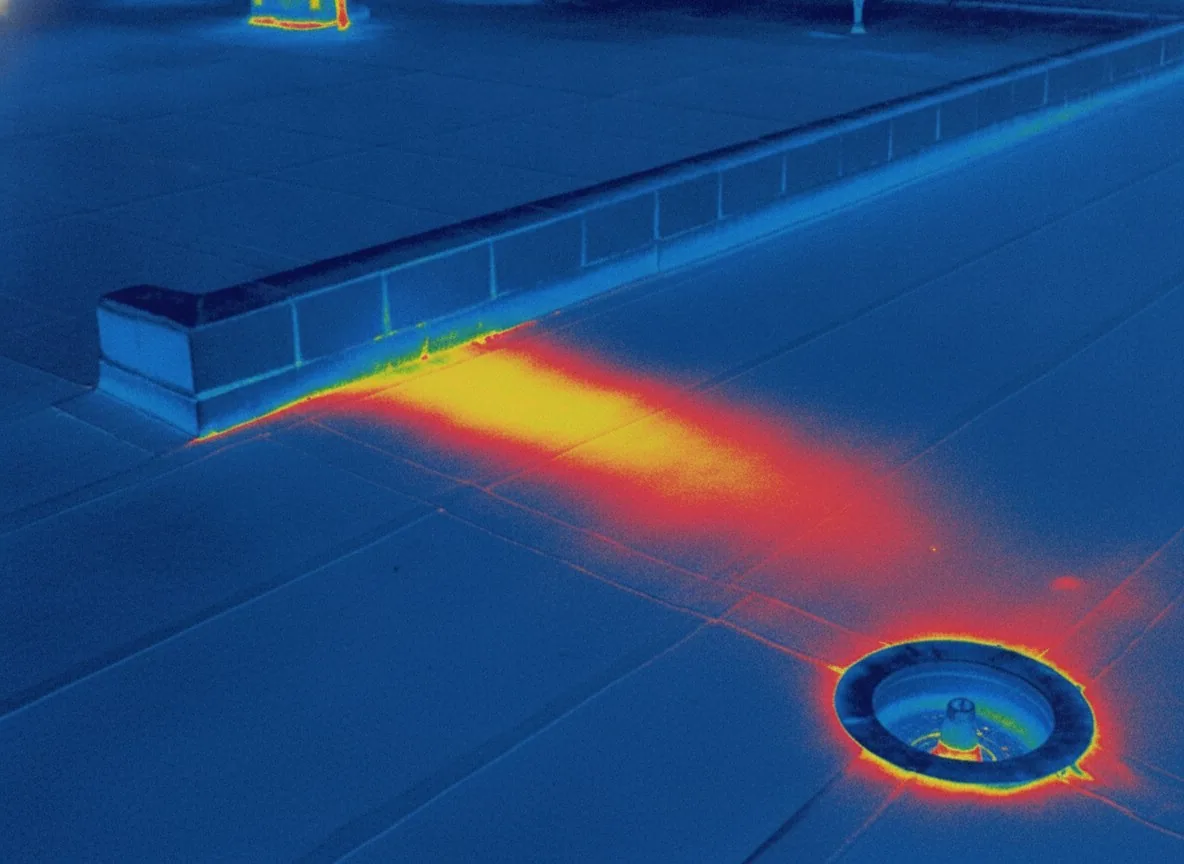
Data centers have expanded across Hillsboro's industrial area since about 2010, so equipment coordination on roofs is nothing new in the region, and a cold-storage roof still gets its own assessment. Our hands-on inspection records actual conditions. An infrared survey can flag areas for follow-up testing; it does not confirm the assembly alone.
We coordinate access, alarms, work periods and equipment status with the refrigeration lead. If a curb or pipe route changes, the scope identifies disconnect and reset responsibilities and the roofing detail to restore. We also record which side of the envelope the observed moisture appears on, since that affects what the next opening needs to examine.
Find the Moisture Path
Condensation, a roof leak and moisture in insulation can look similar. We compare the report location with seams, drains, flashings, penetrations and equipment, then check whether timing follows an operating cycle. The log records the facility's location and timing; the plan shows nearby roof details.
Beaverton averages about 39 inches of precipitation over 151 days yearly, with November through January wettest. A small opening at a curb or termination can admit water repeatedly. We inspect those details, note slow drawdown and photograph the membrane. A flashing repair scope addresses a confirmed split; broader moisture may need test cuts.
Water can collect at a curb or low area and test seams while the interior stays cold. We check outlets and mark where slope or insulation may contribute. A drain review sits beside the membrane and vapor-control inspection. Condensation tends to follow the refrigeration cycle, while a roof leak follows the rain, and the two logs side by side usually settle which one is at work.
Choose a Repair That Respects the Assembly
A local repair fits when the membrane and surrounding layers remain sound and the detail can tie into compatible material. We remove damage within the boundary, dry the substrate and rebuild the transition. Wet insulation beyond the opening can make a surface patch incomplete. The scope names any test needed and what result would change the recommendation.
For broad deterioration, a recover or replacement comparison starts with layer count, insulation, deck, vapor control, drainage and perimeter. A recover option may fit if the assembly can remain and moisture is not concealed. Replacement can expose the deck and rebuild insulation or vapor details. We separate those items for comparison.
Material follows the assembly and project requirements. A TPO roof uses heat-welded seams. We document the membrane and transitions at cold-room walls, drains and curbs, then list new material and tie-in locations.
Phase Without Losing Temperature Control
We coordinate roof access, lifts, noise, alarms and shutdowns with facility staff. The crew opens only what it can protect and close before shift end. Each phase has a dry-in boundary and daily note recording completed work, temporary protection and the return point.
Beaverton's wet months make substrate preparation a schedule issue. We identify steps needing a dry surface. If rain interrupts work, a secured termination protects the section while the record lists remaining seams, insulation or flashing.
The loading access and cold-room schedule set the delivery window. We confirm staging and roof-entry authorization before arrival.
Price the Hidden Work Clearly
Cost depends on membrane area, insulation depth, wet material, deck repair, vapor transitions, curbs, drainage, access and protected phases. A compact mechanical area can require more coordination than a larger clear field. We list the drivers and identify test cuts needed for concealed conditions. If results change the boundary, the owner reviews the added scope.
Industrial parks along I-5 in the Wilsonville Employment Area hold manufacturing and distribution buildings, and each scope comes from the facility's records and the site walk. Dated photos, test locations and a recommended sequence stay in the building file.
Cold storage and general warehousing need separate assembly notes. A warehouse roof review addresses another interior use; a distribution center phase plan addresses dock access. Each record keeps its own operating constraints.
Keep the Temperature-Critical Record
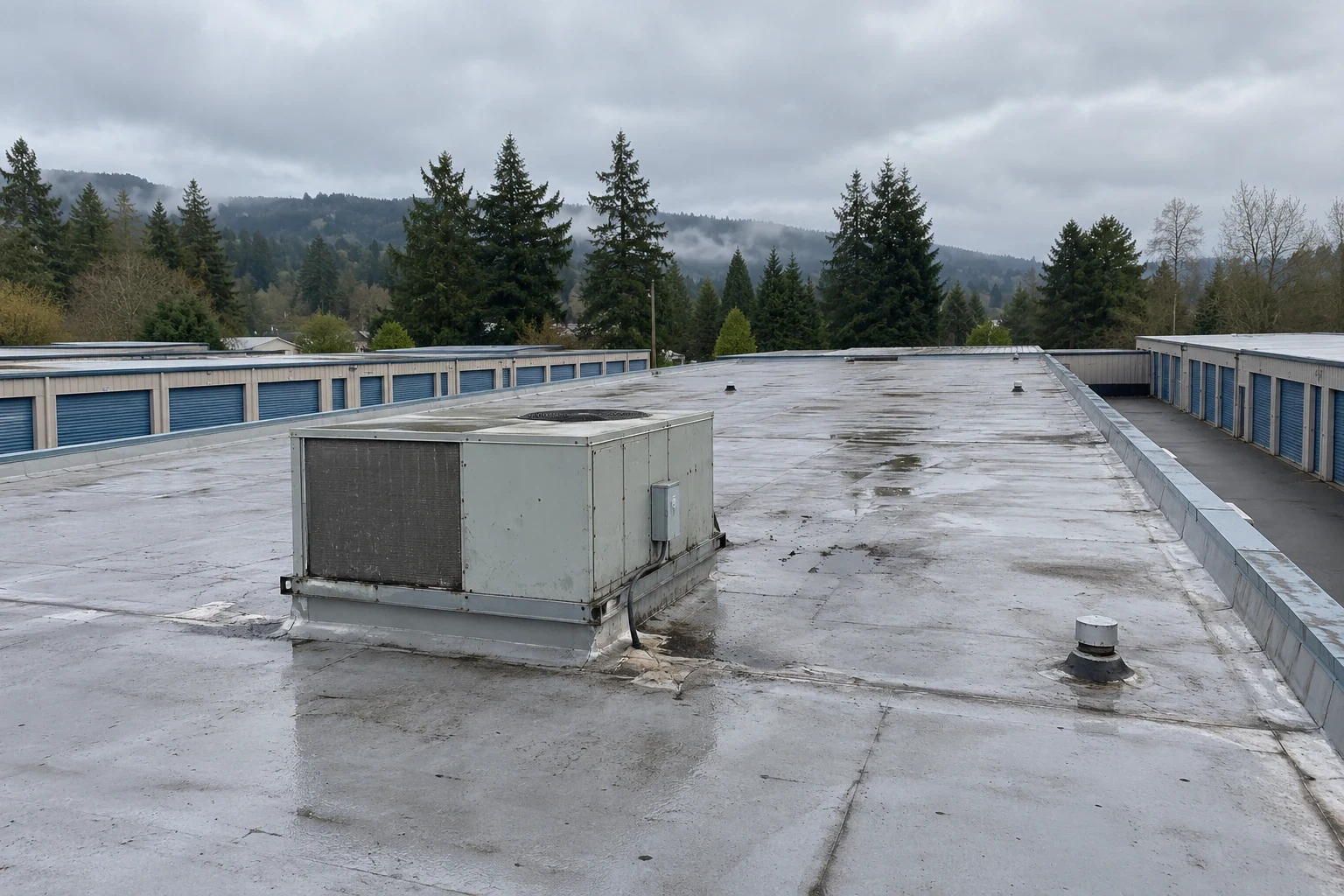
Closeout includes dated photos, a marked roof plan, insulation and membrane notes, curb and drain details, phase boundaries and test results. We state what was repaired, what remained inaccessible and what needs monitoring. The building file gives maintenance a location and condition to compare; refrigeration staff can retain the schedule notes with equipment records.
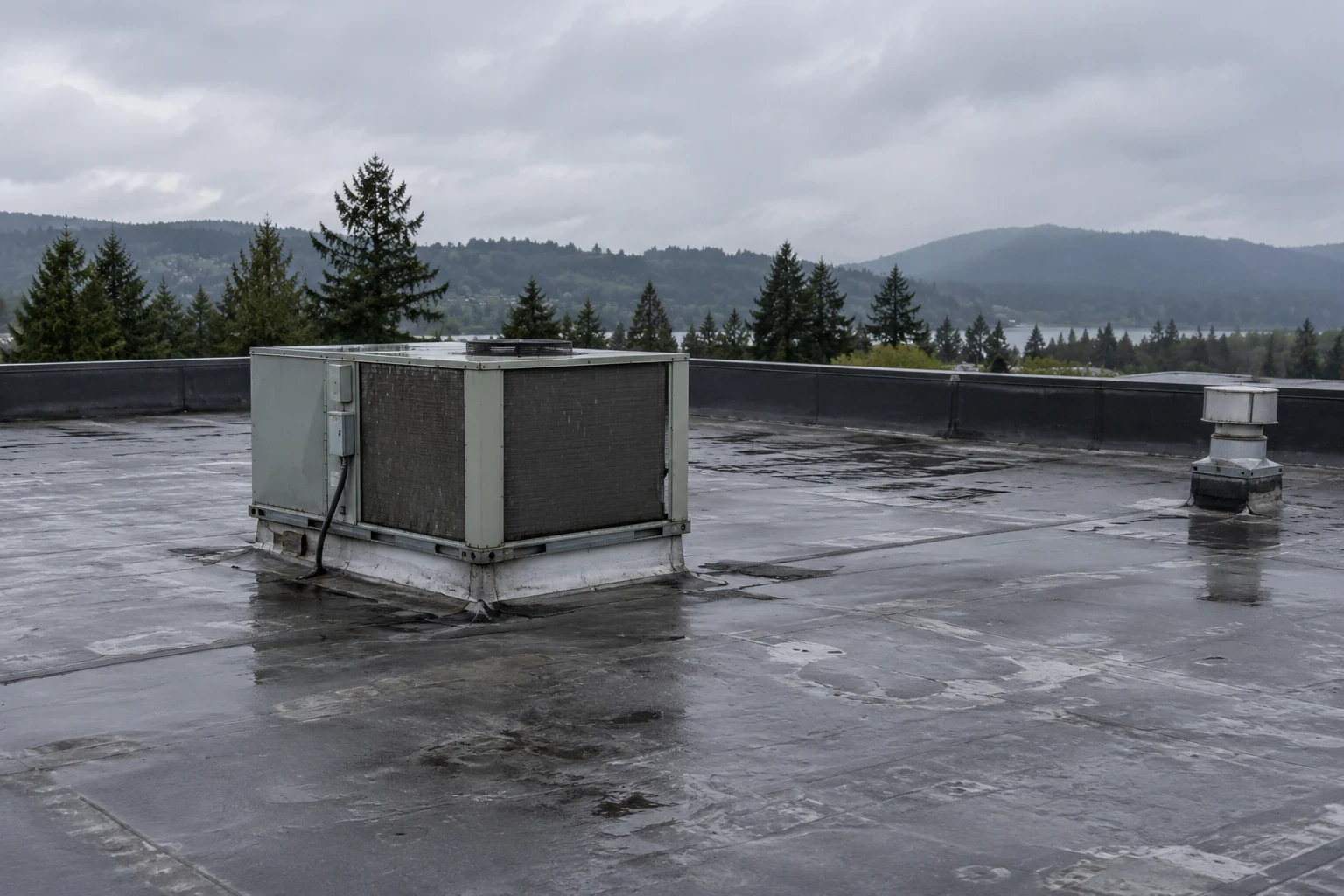
We repair and replace low-slope and metal roofs, conduct hands-on inspections, use drone and infrared moisture surveys when useful, and provide photo reports. Maintenance can revisit drains, seams and penetrations before the wet season. Service in Beaverton begins with the address and last moisture report. For active water, response runs around the clock, holidays included, with a make-safe visit followed by a permanent scope when conditions allow.
The repair-or-replace threshold should reflect the tested assembly and operating need. Our scope sheet separates work limits, phases and unresolved conditions. We also note who received the closeout record, where photos are stored in the building file and which detail should be checked during the next roof visit. That gives the facility one point of reference for the next shutdown or capital window.
Related Roofing Work
Commercial Roof Inspection
Infrared Moisture Survey
Flashing Failure Repair
Commercial Roof Drains and Scuppers
Review the Cold-Room Roof Assembly
Place an intake call with the facility address, operating constraints and last known moisture location. We arrange a make-safe visit when needed, then provide a written scope sheet with test needs, phases and the repair-or-replace threshold.
Questions About Cold Storage Roofing
Does condensation mean the roof is leaking?
Not by itself. We compare the timing and location with interior temperature conditions, roof penetrations, seams and drainage. The inspection records what is visible and identifies any test needed to distinguish condensation from water entering through the assembly.
Can you repair the roof while refrigeration stays on?
Often, with a phase plan that keeps the work area controlled and coordinates access with refrigeration staff. We confirm alarms, shutdown needs and the room below before opening the roof. The daily boundary shows what can proceed while equipment remains in service.
Why would an infrared survey be followed by test cuts?
An infrared survey identifies areas that may have different thermal behavior. A test cut can confirm whether insulation is wet and how far the condition extends. We state which locations need confirmation before pricing a broader replacement or recovery scope.
When does cold-storage roofing need replacement instead of a patch?
Repeated moisture, wet insulation across a broad area, deteriorated deck or failed transitions can make a patch too narrow. We inspect and document the assembly, then state the boundary and the test results supporting a replacement recommendation.
What does the facility receive after the roof work?
A marked plan, dated photographs, material and transition notes, drain findings, phase closeout and any test results. The record identifies remaining monitoring items and gives refrigeration and maintenance staff a shared reference.