
Roofing Capabilities
Coordinate a Beaverton, OR multi-site roof program with building-level findings, clear repair priorities, access planning and consistent portfolio records.
Multi-Site Commercial Roof Programs in Beaverton, OR
A multi-site program needs one reporting method and a separate roof decision for every building. In Beaverton, OR, we organize the property list, confirm access contacts and map findings by site before comparing the work. A leak at one address does not change the condition of another; each recommendation stays attached to its own plan and photographs.
The portfolio view helps a manager set priorities without losing assembly details. We show which roof needs water control, which can enter a planned repair cycle and which requires testing before a capital choice. The building file remains the record of what was actually inspected.
Start With the Property List
We collect each address, available roof plan, known system, active leak report, warranty record and preferred access contact. Then we sort the buildings by urgency, schedule and documentation needs. If a roof plan is missing or a prior repair has no closeout record, we mark that gap before the first walk instead of carrying an assumption into the scope.
Beaverton to Hillsboro holds plants in technology, optics, test-and-measurement and food processing, so one portfolio can carry different rooftop equipment and operating windows within a single service area. We verify each building's entry route and equipment restrictions before setting a crew sequence.
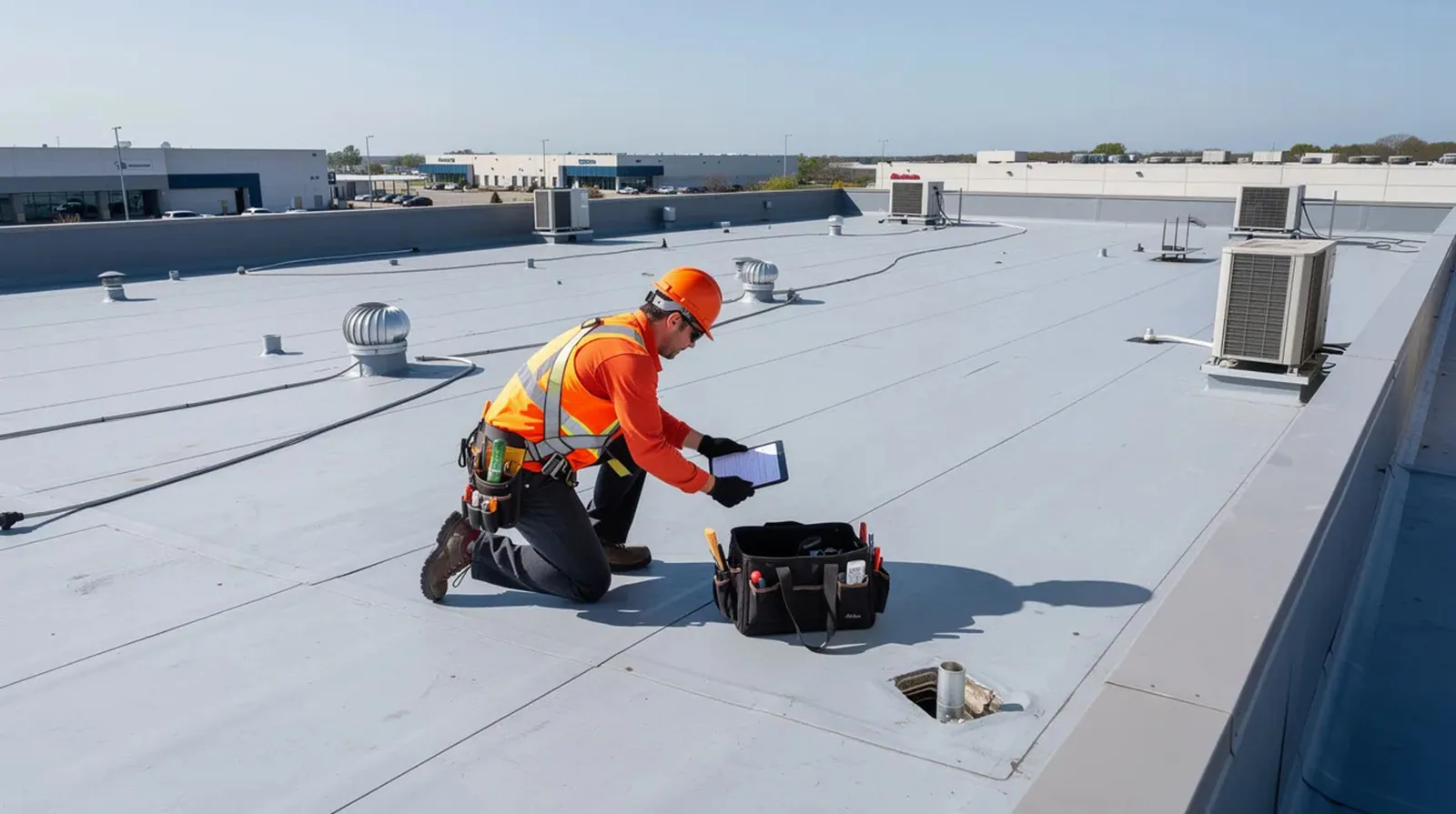
A roof asset record can hold the address-level history, while a field inspection confirms the assembly and reported conditions. Site names stay identical from the property list to the closeout photograph, which keeps invoices matched to the right roof.
Use One Record Method
Every site uses consistent fields for roof section, system, condition, drainage, penetrations, repairs, photographs and next action. The fields make a portfolio summary easier to compare, but the observations remain building-specific. We do not transfer a wet-area result, membrane type or repair boundary from one address to another.
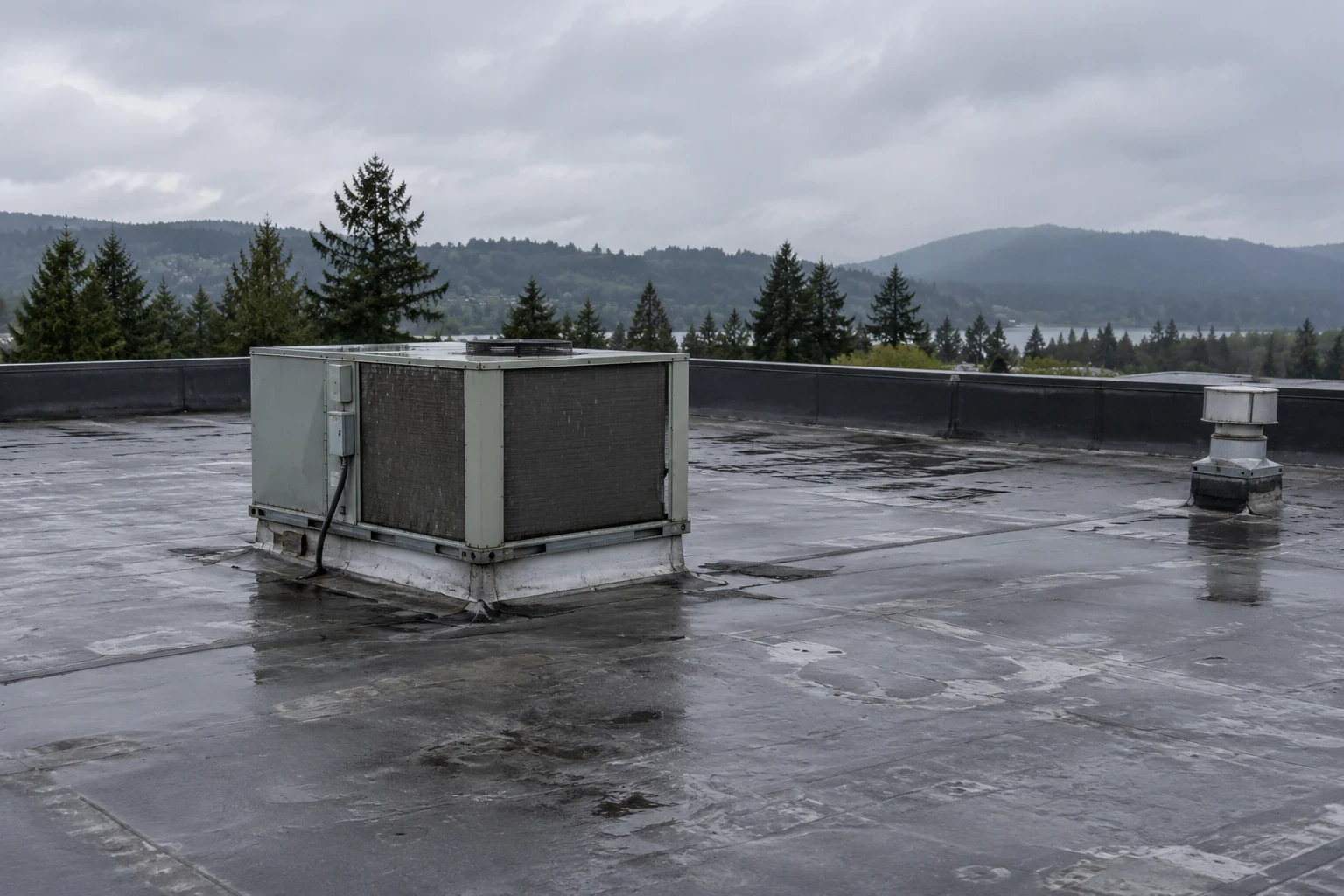
With rain on roughly 151 days a year and November through January the wettest, the service calendar can place drain and flashing reviews ahead of the wettest period, while each roof file notes what was checked and which defects remain open.
A portfolio record needs a stable building identifier and a consistent roof-area label. We preserve the same naming in the site list, plan mark, photograph and repair closeout. If an owner changes how a property is labeled, we retain the former identifier in the file so older invoices and warranties still match the right location.
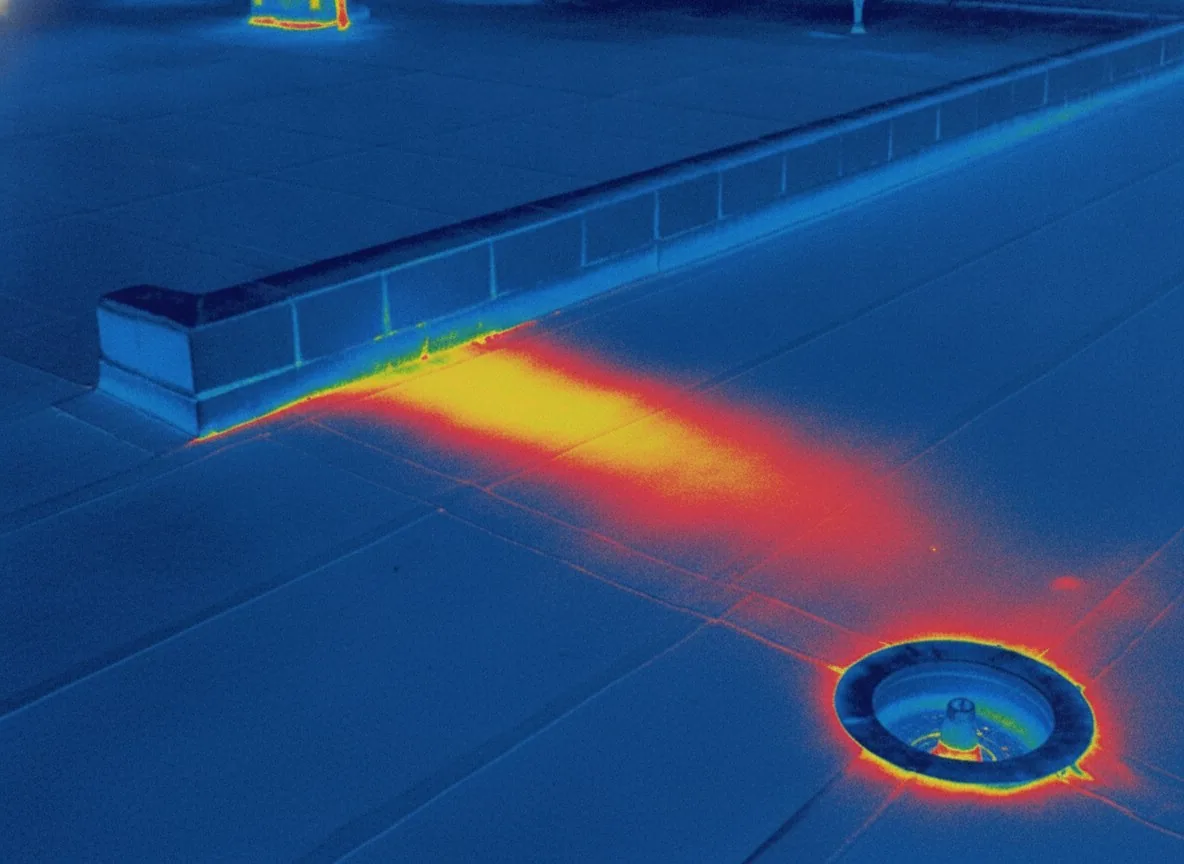
A condition report gives the next manager a dated photo set and marked plan. Where a survey finds suspected moisture, an infrared review can help select areas for test openings. Each label is checked against the site list before the first walk.
Sequence the Field Work
We group visits by geography and access window only after active water and safety concerns are assigned. A make-safe visit can protect an interior while a permanent repair waits for testing or suitable installation conditions. The dispatch record names the contact, roof entry, equipment shutdown, material staging area and the section approved for work.
Crews move between sites along US 26 and OR 217, but receiving hours, tenant notice and roof access still set the building schedule. We confirm the work window with each property contact before committing a sequence.
For routine service, a maintenance visit can include drain clearing and detail checks. If the inspection finds an active opening, an emergency response can address water control around the clock, including holidays.
Rank by the Roof Finding
The program separates immediate water entry from work that can be planned. We list the location, consequence, temporary protection and approval needed for each urgent item. Stable wear and repeat maintenance go into scheduled work; widespread moisture, deck concerns or several failing details can trigger a broader scope review.
The work sequence can be grouped into immediate protection, approved repair, planned renewal and monitoring. We record the reason for each category, the person who can authorize the next step and the date for review. That gives the property team a way to update priorities when a leak returns, a test result arrives or access changes at a site.
Each option uses a defined boundary. A repair is tied to the tested defect; a recover or replacement estimate identifies the additional layers, insulation, perimeter work and access assumptions. A capital plan can compare timing and work across buildings without turning unlike systems into one average condition.
Where a building is being refinanced or transferred, a roof diligence survey can give the transaction team a dated snapshot and a list of unresolved items.
Keep the Portfolio Current
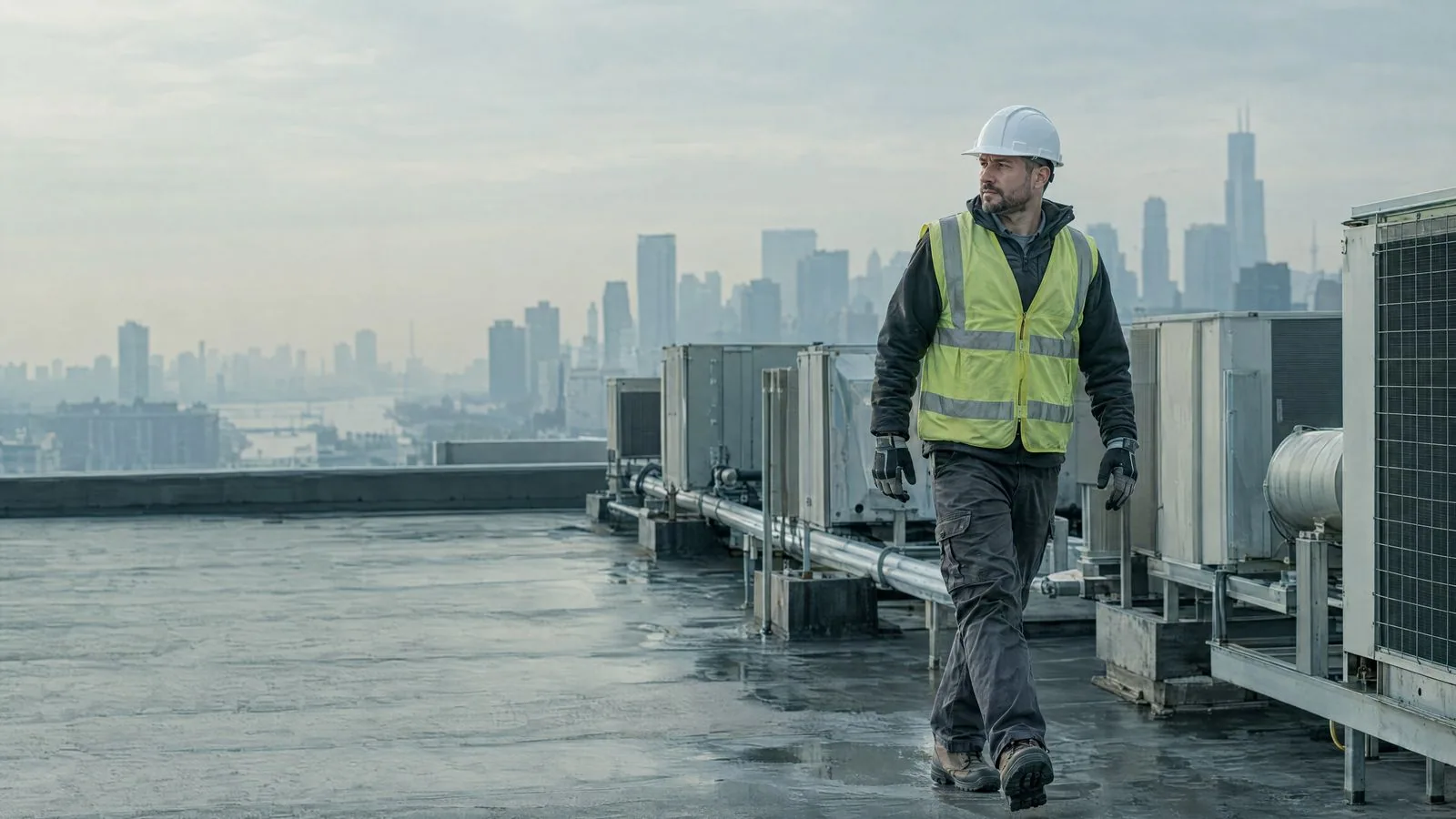
After each visit, we update the site record with completed work, photographs, materials noted, open repairs and the next review date. A temporary seal stays labeled as temporary. A drain that was cleared is tied to its location, and a roof area outside the access scope remains listed for follow-up.
Metro designates Tanasbourne and AmberGlen as a regional center in western Washington County. In a multi-site program, that broader commercial setting can sit alongside properties in Downtown Beaverton or the Hillsboro industrial area. We keep the reports consistent while recording the operating contact and roof conditions at each address.
At a review meeting, we can sort the open list by consequence, timing or site access. A manager can then confirm which line is approved and which remains under discussion. The site file keeps the photo and Diligence Notes beside the decision, so the next report starts from the last documented condition. A site with restricted roof access remains listed until the agreed field check is complete. If several buildings share an open item, we assign each location its own contact and next date.
If a warranty document or maintenance requirement affects the next visit, a warranty record review can identify the item to confirm. A Beaverton roof visit can start with one building and expand to the rest of the property list once access and scope are clear.
The portfolio summary shows open work, scheduled repairs and monitored items. Each line points to a building file so a manager can check the evidence before approving the next phase.
Related Roofing Work
Commercial Roof Asset Management
Commercial Roof Inspection

Commercial Roof Condition Reports
Infrared Moisture Survey
Set the first portfolio review
Send the property list, current roof plans, active leak locations and access contacts. We will arrange an intake call, prioritize urgent buildings and return a field sequence with a separate record for each roof.
Questions About Multi-Site Commercial Roof Programs
How do you keep one roof's condition from affecting another site's rating?
Every finding stays attached to its building, roof section and photograph. We use common fields to compare priority, but a moisture result, repair or system assumption is never copied to another address without its own inspection.
Can a program include emergency repairs and planned maintenance?
Yes. Active water entry is assigned for make-safe response, while routine visits follow the agreed service calendar. We keep those scopes separate and update the site record when temporary protection becomes a permanent repair.
What information is needed to begin a multi-site review?
Provide the addresses, available plans, known roof systems, leak locations, repair records and access contacts. We identify missing items and agree on which buildings need an immediate visit before setting the broader sequence.
How should a property team compare repair and replacement?
Use the same roof boundaries and quantities for each option. We show the confirmed defect, moisture evidence, access needs and concealed-condition assumptions so the manager can compare what remains in service with what would be removed.
What happens when a roof cannot be accessed during the scheduled visit?
We record the access limit, affected section and contact needed to return. The site remains an open item in the portfolio summary, rather than appearing as inspected, until the crew completes the agreed scope.