Roofing Manufacturers
Review GAF commercial roof options in Beaverton, OR through assembly, seams, drainage and access checks before repair, recovery or replacement is scoped.
GAF Commercial Roofing in Beaverton, OR
A water report starts with the room, the last known leak location and a make-safe decision. In Beaverton, OR, we photograph the roof before touching a seam, then identify the proposed GAF system against the deck, insulation, drainage and existing details. That sequence puts the condition in the building file before a repair changes it, and gives the owner a record of what the assembly can keep.
The same check matters across the Silicon Forest corridor between Beaverton and Hillsboro, where technology, optics, test-and-measurement and food-processing operations sit beside very different commercial properties. Similar business names do not mean similar roofs. We confirm what is installed, what the specification calls for and how a proposed GAF assembly would meet drains, walls and rooftop equipment before pricing work.
Start with the Assembly
A product family does not tell us whether a roof is mechanically attached, adhered, built up or coated. We read the submittal, then check the field: deck, insulation layers, cover board, perimeter attachment, penetrations and previous repairs. The scope sheet names each proposed layer and transition. Where records stop short, we mark that gap instead of treating an assumed build-up as confirmed.
For replacement, tear-off depends on wet insulation, deck condition, existing layers and the project requirements. A recover may retain sound material only when the assembly allows it. We compare the proposed system against the actual roof, including drain sumps and edge terminations, and place concealed-condition allowances outside the confirmed work. A replacement scope should show the layers and transitions in language an owner can check. For a different sheet system, the Carlisle SynTec assembly and Johns Manville materials still need the same field review.
Read the Surface and Seams
The field sheet is only one part of the roof. We examine seams or laps, patches, wall flashings, curbs, skylights, drains and perimeter metal, looking for movement, open edges, trapped moisture and repairs that have lost adhesion. A moisture survey can map suspect areas, but the roof walk still records what is visible and what needs a test cut. Each finding receives a location and photo, not a blanket note.
Rain on roughly 151 days a year gives an open termination little time to dry. The inspection notes where water enters and whether its path begins at a seam, penetration or drain. A focused commercial roof inspection and photo condition report make the next repair decision easier to compare.
We check the repair history against the roof surface. A patch that looks intact may sit beside a seam that is opening, and a clean-looking field can hide wet insulation below it. Probe checks, moisture readings and selective openings answer different questions; none should be described as a complete picture unless the scope says what was tested. The report separates observed condition from the next step needed to confirm it.
Check Repair Compatibility
A repair on a GAF-labeled roof still depends on the installed materials and the boundary. We identify the membrane, review available product records and inspect whether the surface is clean, dry and sound for the planned method. A patch that crosses incompatible materials or covers wet insulation can move the failure rather than close it. The scope names the repair area and what remains outside it.
Heat-welded thermoplastic seams require suitable preparation and controlled welding; adhered membranes depend on compatible adhesives and sound bonding surfaces. Coated assemblies need their own substrate and adhesion checks. We do not assume one method fits every labeled system. If the record is incomplete, we take a verification step or write the uncertainty into the scope. Compare a TPO roof assembly with an EPDM system by actual material behavior.
Keep Water Moving
Water at a drain is a roof-system issue, not just a plumbing note. We clear the immediate blockage, inspect the bowl, check surrounding membrane and note whether deck or insulation may be holding a low area. Standing water keeps seams and flashings wet, carries debris and can obscure a small opening. A recurring pool belongs on the marked roof plan so the next visit can compare the same location.
At Beaverton properties, visits account for the long wet season, but the repair method follows the actual system. A drain adjustment, tapered insulation, new sump or local membrane repair changes the scope in a different way. We separate a clearing task from a permanent slope correction and state when dry conditions are needed before the assembly can be closed.
Overflow paths need the same attention as primary drains. We look for blocked scuppers, loose edge metal, staining at parapets and debris trapped near equipment. A maintenance visit can clear accessible drains and record conditions, while a recurring low spot may call for design work. The proposal marks which condition is confirmed and whether added testing or a deck review could change the recommended correction.
Schedule Around the Building
Properties along the Beaverton to Hillsboro corridor can have sensitive equipment, controlled access or production windows. We ask who releases roof access, which units need coordination and what areas must stay clear. Those instructions go on the visit plan; the roof inspection establishes the work boundary.
A 116-degree day in Portland, as on June 28, 2021, is a reminder that membrane surfaces run hotter than the air reading. For installation or repair, we follow the selected product's published conditions, document the work area and protect exposed edges before leaving. The crew plan identifies where work stops if rain arrives and what remains for the next dry window. A sequenced occupied-building reroof keeps those limits visible.
Put Options on One Scope Sheet
Repair, recovery and replacement are separate decisions. We show the condition supporting each option, work area, drainage implications, access needs and any testing that could change the recommendation. Cost follows tear-off, insulation replacement, deck repair, perimeter details, lift access and interior protection. Each driver is listed so a manager can compare the same roof areas instead of one combined allowance.
A written record also helps when the roof is reviewed later. We keep dated photographs, seam or detail locations, materials observed and follow-up items in the building file. If the inspection found a suspected wet zone, the report states which test could confirm it. The decision then moves from a manufacturer name to a scope that can be checked against the roof itself, with a clear repair-or-replace threshold for the capital line.
Related Roofing Work
Commercial Roof Replacement
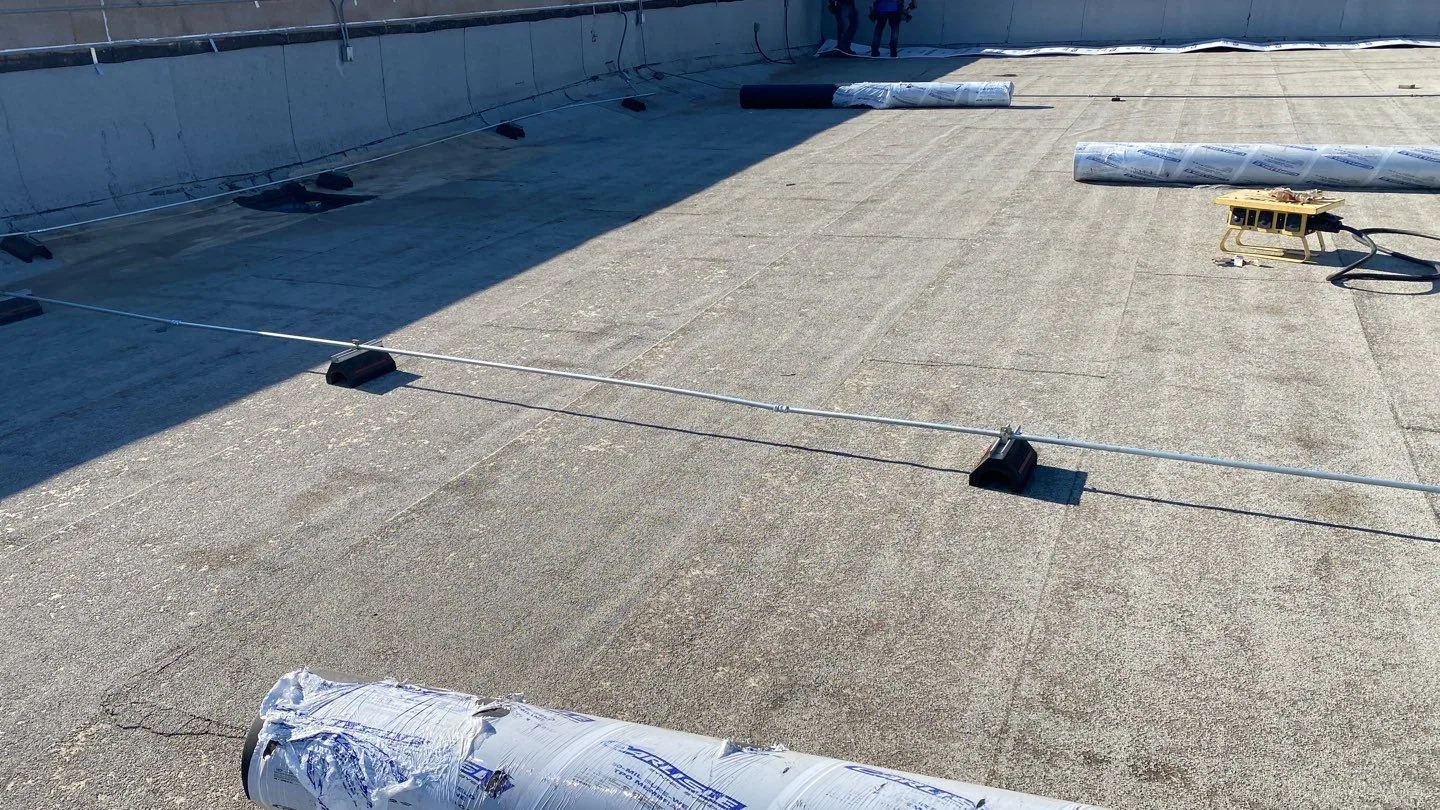
Carlisle SynTec Roofing
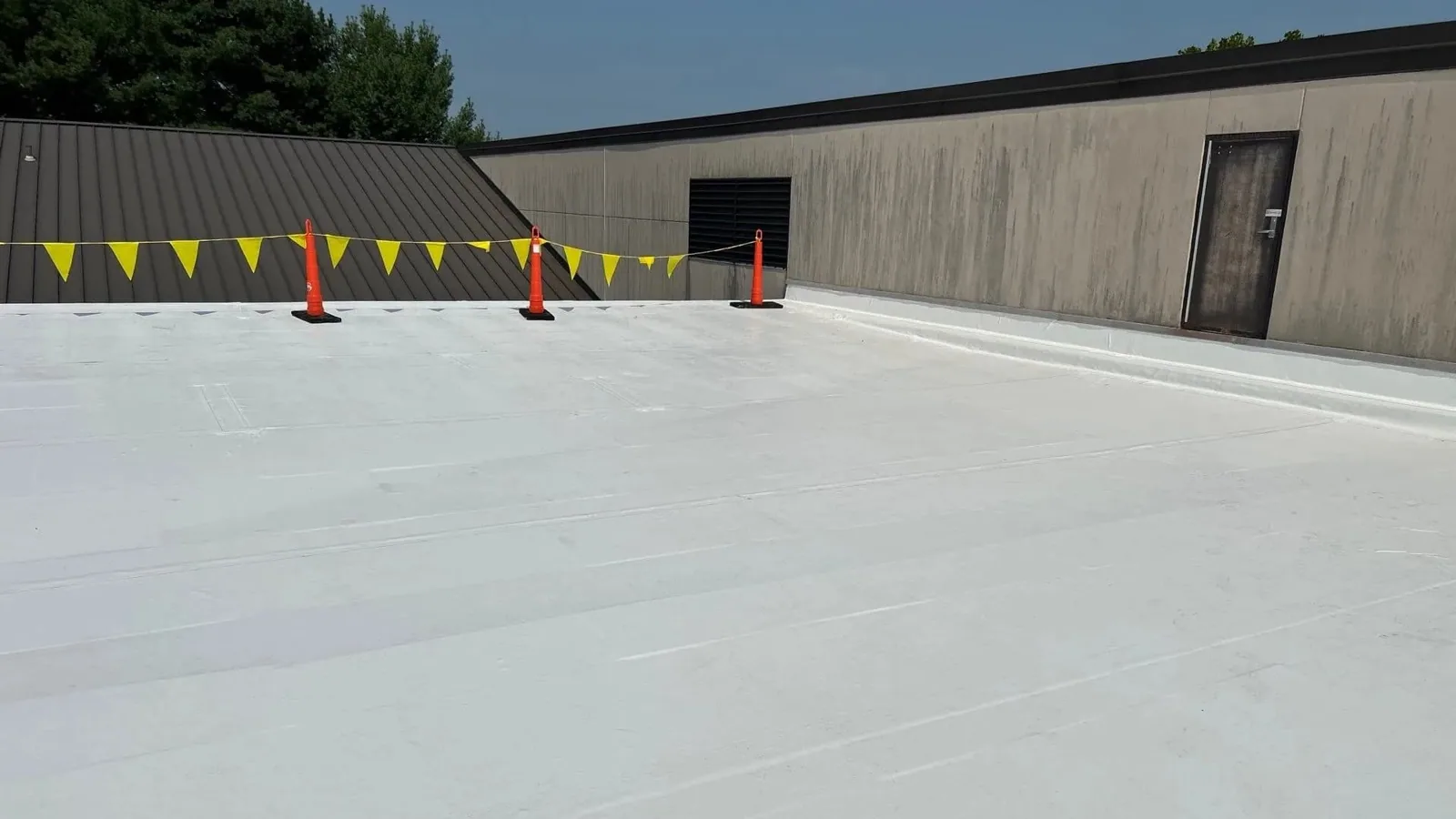
Johns Manville Commercial Roofing
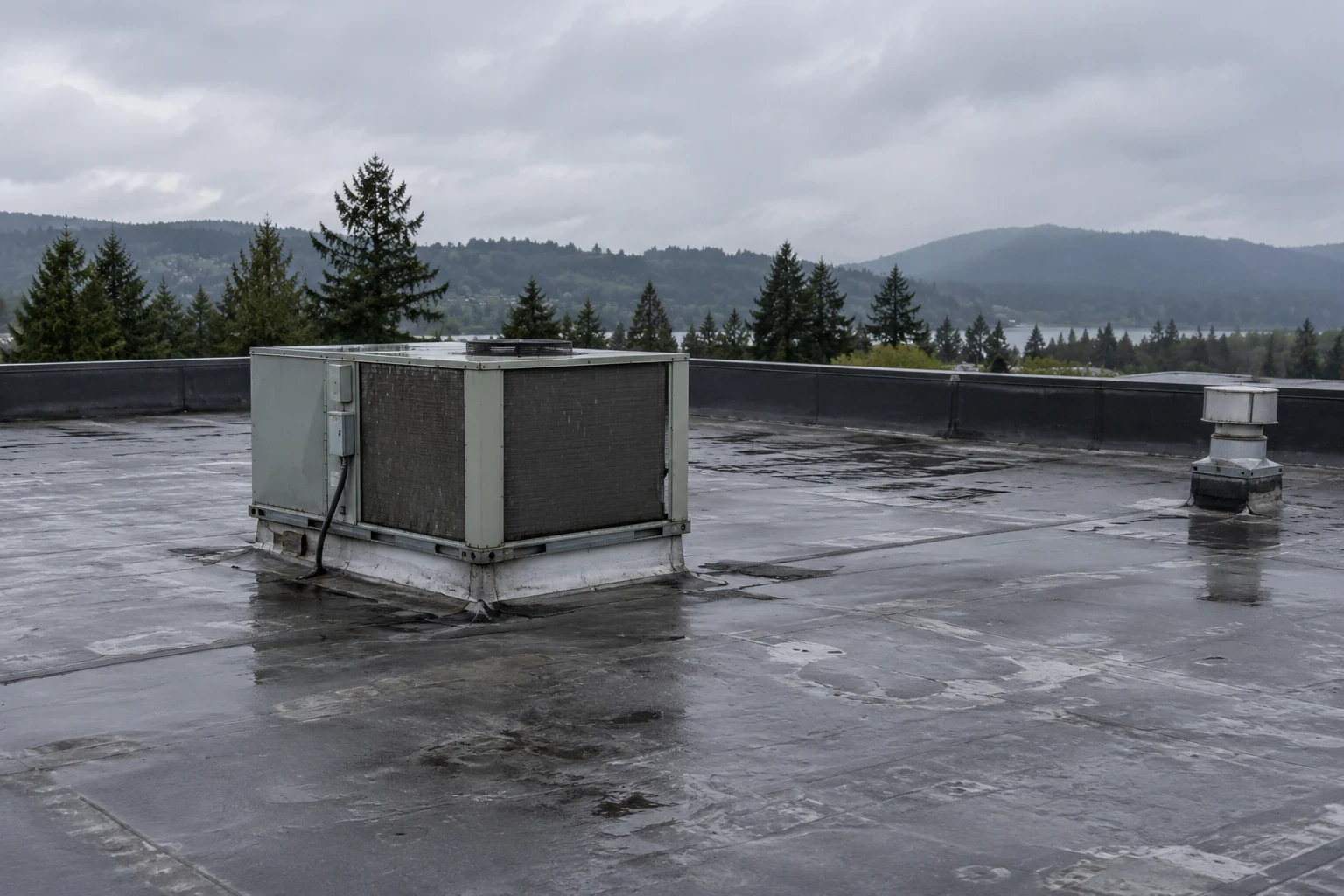
Commercial Roof Inspection
Review the proposed assembly
Place an intake call with the building address, roof plans and last known leak location. We will arrange a make-safe visit when active water needs attention, then provide a written scope sheet for the system and details.
Questions About GAF Commercial Roofing
Does a GAF label identify the membrane on my building?
The label is a starting point. We compare product records, visible membrane, seams and details before naming the installed assembly. When those clues conflict, the scope records what remains uncertain and which inspection step would settle it.
Can you repair a GAF commercial roof without replacing the field?
A limited seam, flashing or penetration failure may support repair when surrounding material is sound and the tie-in is compatible. We map the boundary, check for wet insulation and price that work separately from broader options.
What belongs in a GAF replacement proposal?
The proposal should identify tear-off or recover assumptions, deck and insulation work, attachment, perimeter details, penetrations, drainage and access. We list concealed conditions separately so approval does not hide an unresolved roof question.
How does Beaverton rain affect scheduling?
The wet season can shorten the time available for open-roof work. We limit each day's exposure to what can be secured and dried in, photograph the stop point, and return when conditions meet the selected system's requirements.
Will the manufacturer name establish the repair method?
The installed product, current condition and published instructions govern that choice. We verify them before selecting materials, then record preparation, repair limits and any follow-up check in the building file.