Roofing Manufacturers
Evaluate Johns Manville roofing in Beaverton, OR through product records, insulation, membrane details and drainage before repair or replacement decisions.
Johns Manville Commercial Roofing in Beaverton, OR
The first Johns Manville check is a match between the building file and the roof. In Beaverton, OR, we read the available submittal, locate the reported leak and compare the listed materials with the field before writing a repair scope. If water is entering, the first visit is a make-safe visit; photographs follow before a seam, curb or drain is changed.
Beaverton and Hillsboro share the Silicon Forest, a corridor of technology, optics, test-and-measurement and food-processing operations beside other building types, and roof systems and access rules vary by property. We confirm both at the building.
Read the Layers Together
Membrane selection and insulation design belong in the same assembly. We identify the deck, existing insulation, cover board, attachment, membrane and perimeter details, then note which pieces remain in a recover or leave during tear-off. If the roof plan is old, the field check updates the drawing with drains, curbs, skylights and transitions that affect the proposed scope.
A Johns Manville product record may identify a membrane or insulation component, but the roof still has to be read as a complete build-up. We check compatibility, attachment and the condition of materials beneath visible surfaces. A replacement proposal separates the confirmed assembly from any hidden condition requiring an opening. The replacement scope records those assumptions, while a Holcim Elevate system or Sika Sarnafil roof is evaluated by its own product documentation.
Insulation affects slope, thermal performance and the transition height at doors, curbs and parapets. Adding thickness can change metal edges and equipment clearances; retaining existing layers can leave a drainage problem untouched. We mark those effects before approval. If wet areas are suspected, an infrared moisture survey may help define where testing is useful, followed by selective verification where the result could change the recommendation.
Confirm the Installed Surface
We compare the visible sheet, seams, repairs and flashing with the documents in hand. A single brand name cannot establish the exact product, installation method or warranty status. The inspection records markings where they can be read, checks the perimeter and field details, and labels unknown layers clearly. That prevents a proposal from treating an old description as a current roof condition.
With rain on around 151 days a year, small openings at seams, drains and wall transitions stay in play through a long season. Our roof inspection traces the water path and photographs the location; a dated condition report carries the finding into later budgeting.
Surface appearance is not enough to approve a recover. We check adhesion, seams, blisters, patch history, ponding and signs that moisture may be trapped below. A test cut answers a narrower question about the layers at that point, so its position and result go on the roof plan. If an opening is not authorized, the scope states how that limits the repair or replacement recommendation.
Repair at a Sound Boundary
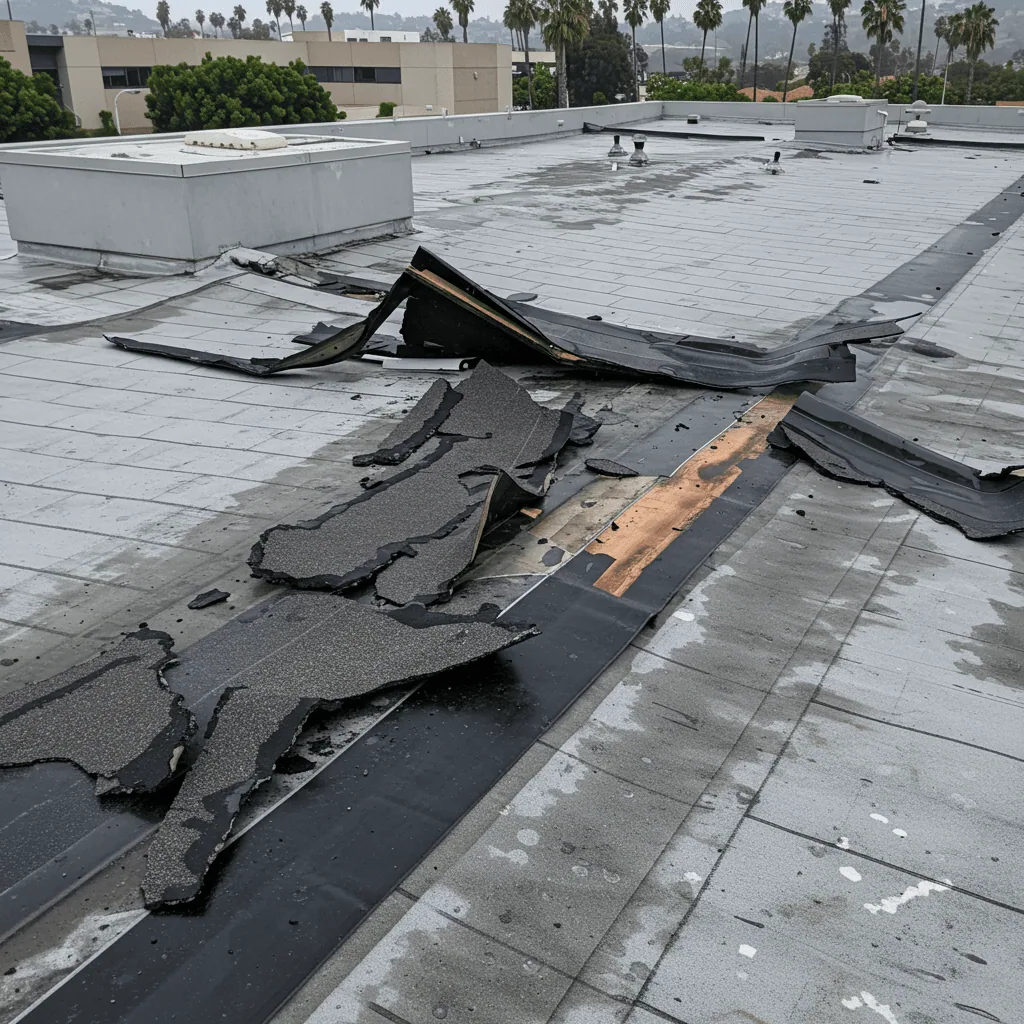
A Johns Manville roof repair begins with identifying the installed material and finding sound substrate around the failure. We remove loose material, dry the repair area and use a compatible method called for by the actual system. If wet insulation extends past the visible damage, we set a larger boundary and show the added work before closing the roof.
Thermoplastic seams rely on heat-welded laps; other systems use different adhesives, fasteners or surfacing. A method that works on one membrane may not bond to another. We document the material observed and do not assume that a generic patch or sealant is enough. Where a flashing detail has opened, the transition may need rebuilding; a seam repair remains limited to the confirmed area.
Temporary water control and permanent repair are separate line items. A tarp or temporary seal can protect an interior during active leakage, but the record names the return visit and the permanent work still due. We provide emergency response around the clock, including holidays, and document the make-safe work so it is not mistaken for a finished membrane repair.
Trace the Drainage Path
A slow drain can keep an otherwise sound surface under water. We clear debris where accessible, inspect the bowl and overflow, then check for a low area that repeatedly collects ponding. The repair scope distinguishes the maintenance task from a permanent slope or sump correction. If water remains after clearing, the roof plan shows where it sits and what a follow-up visit should measure.
Washington County's long wet season makes that distinction useful on roofs from downtown Beaverton toward Cedar Hills Crossing and along the US 26 route toward Hillsboro. A drain and scupper check or a focused ponding-water repair scope can address the specific finding without disguising drainage work inside a membrane allowance.
Plan the Roof Visit
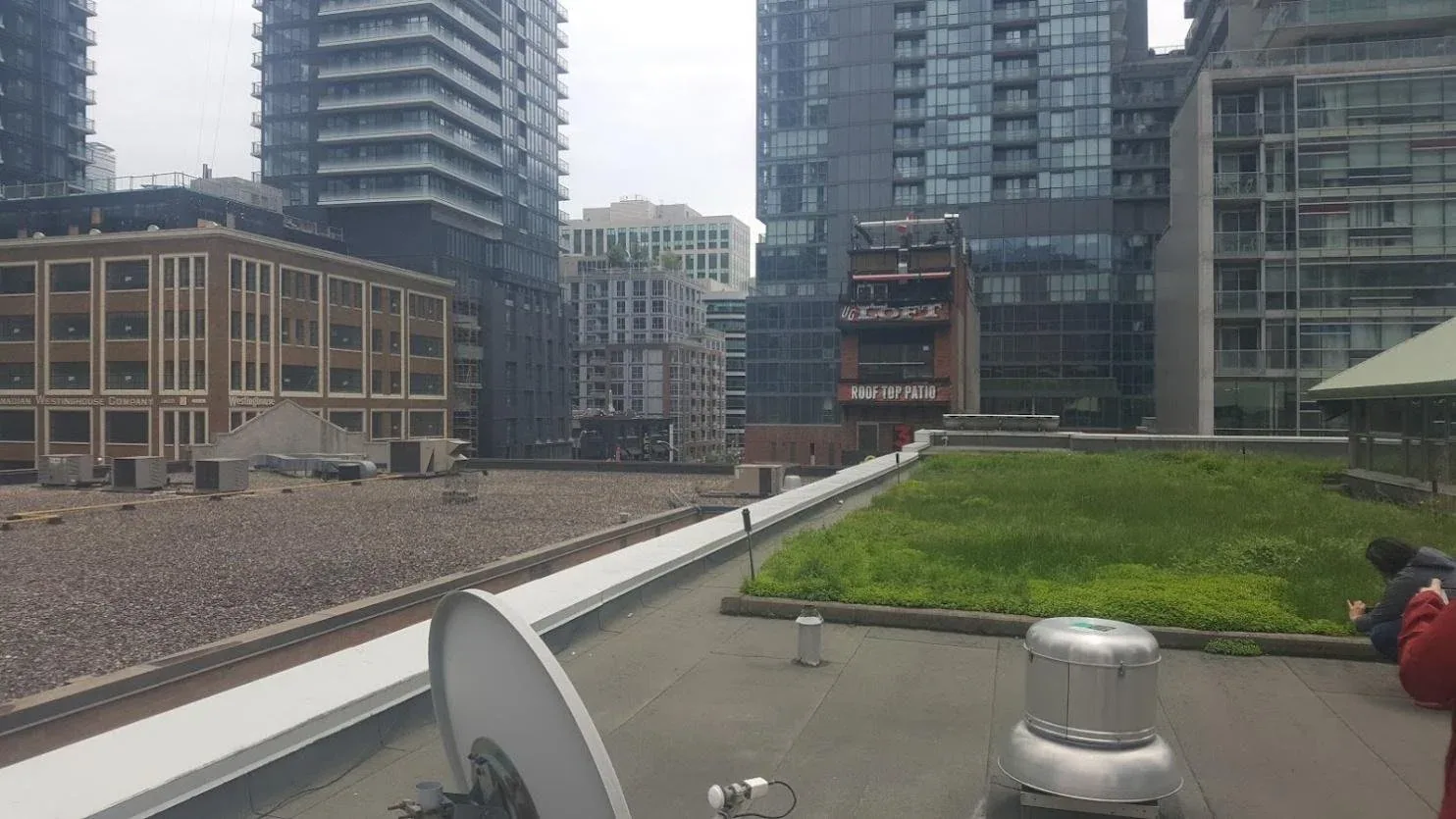
Occupied facilities often need roof access coordinated with a production contact, property manager or security desk. We confirm roof keys, equipment shutdown limits, delivery routes and the parts of the building that cannot be interrupted. The visit plan names the work zone and a safe stop point for the day. If rain interrupts installation, the crew protects the exposed edge and records what remains for the next dry window.
On a hot day like Portland's 116 degrees on June 28, 2021, surface temperature can affect material handling, adhesion and when work may proceed, so the published instructions for the selected product govern. We track actual conditions and the installed work, then schedule around the building's operating needs. A sequenced occupied-building project keeps tenant coordination and daily dry-in limits within the written scope.
Leave a Useful Record
Owners need a comparison they can carry into the capital review. We separate localized repair, recover and tear-off options, with cost drivers such as access, deck work, wet insulation, perimeter metal and interior protection listed by work area. If testing could change the recommendation, we identify it before the manager approves a broader scope.
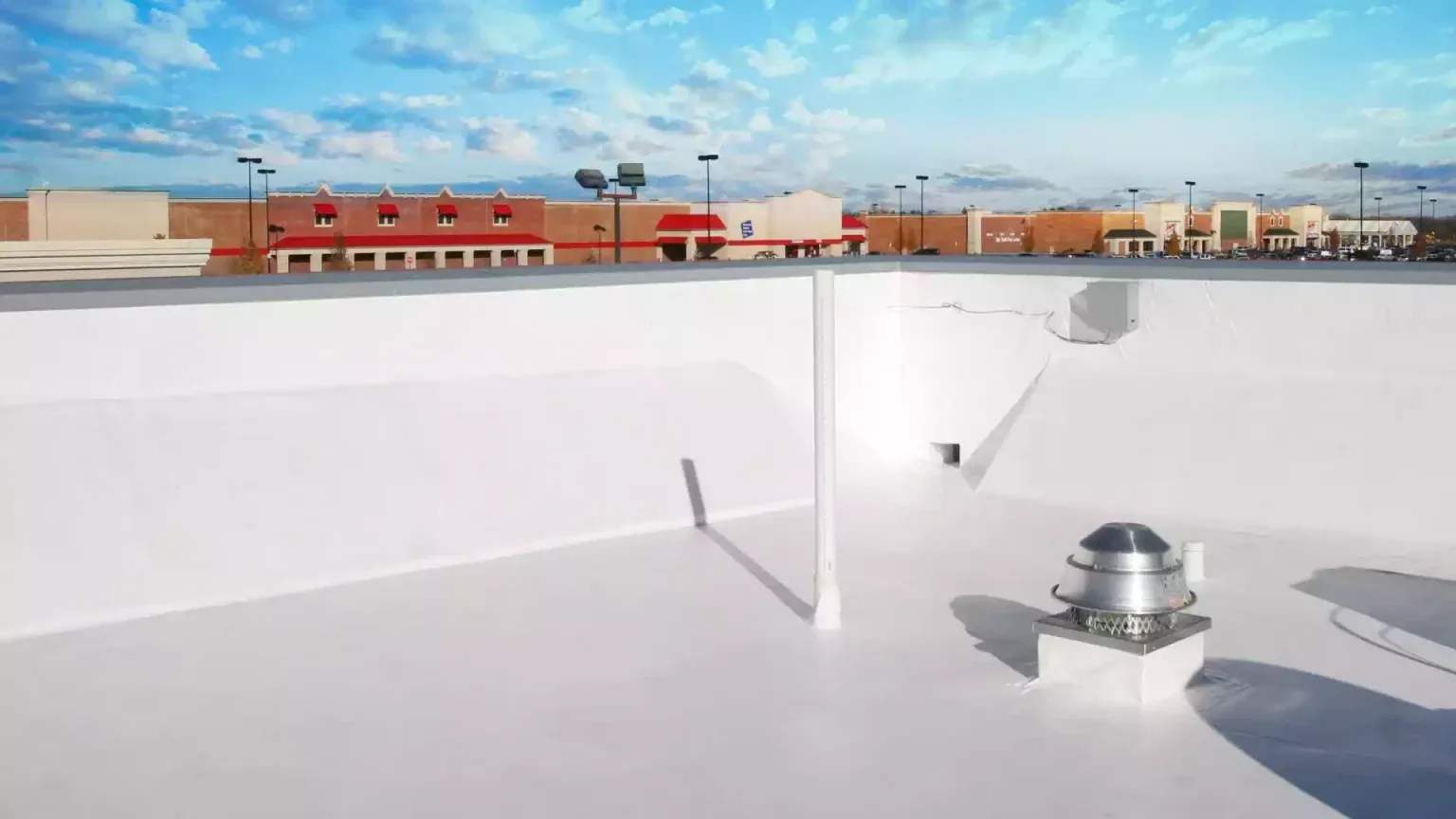
The completed file holds the product information reviewed, dated photographs, marked roof plan, repair limits and follow-up date. It also says what was not opened or could not be confirmed. That level of detail helps another building contact understand why the selected work matches the current roof, whether the assembly is Johns Manville or another documented system.
Related Roofing Work
Commercial Roof Replacement
Holcim Elevate Commercial Roofing
Sika Sarnafil Commercial Roofing

Commercial Roof Condition Reports
Review the roof layers
Call with the building address, Johns Manville paperwork if available and the latest leak location. We will arrange a make-safe visit for active water, then provide a written inspection and repair or replacement scope.
Questions About Johns Manville Commercial Roofing
How do you identify a Johns Manville roof system?
We compare the product records with visible markings, seam construction, flashing and repair history. If several layers or later repairs obscure the original build-up, the report lists confirmed components and identifies any test needed to resolve the rest.
Can the existing insulation stay in a replacement?
It can remain only when condition, moisture, attachment and project requirements support that choice. We check suspect areas, note the limits of testing and state what removal or recover assumptions appear in the proposal.
What makes a repair compatible with the membrane?
The installed material, surface condition and product instructions determine the repair method. We verify the boundary, dry the surface and use compatible materials; when identification is incomplete, we record the uncertainty before proceeding.
What does wet-season work require in Beaverton?
We keep each open area within a daily dry-in limit, protect the edge before stopping and photograph the work location. Permanent seams proceed only when substrate and product conditions allow the method to be completed.
What records should accompany a Johns Manville repair?
Keep the product paperwork with the dated photos, repair location, material observed, work limits and any follow-up item. We provide a scope and closeout record that shows what was completed and what remains to check.