Property Types We Roof
Auto dealership roofing in Beaverton separates showroom leaks from service-bay issues with a clear roof map, access plan and repair scope.
Auto Dealership Roofing in Beaverton, OR
The service-bay ceiling is the first place to check after a Beaverton dealership reports water. We confirm whether a vehicle, lift or electrical area is exposed, identify who can provide roof access and arrange a make-safe visit for active entry. On the roof we mark the likely opening, the drains nearby and any equipment curbs. Photos connect the interior report to the roof map before a permanent repair is priced.
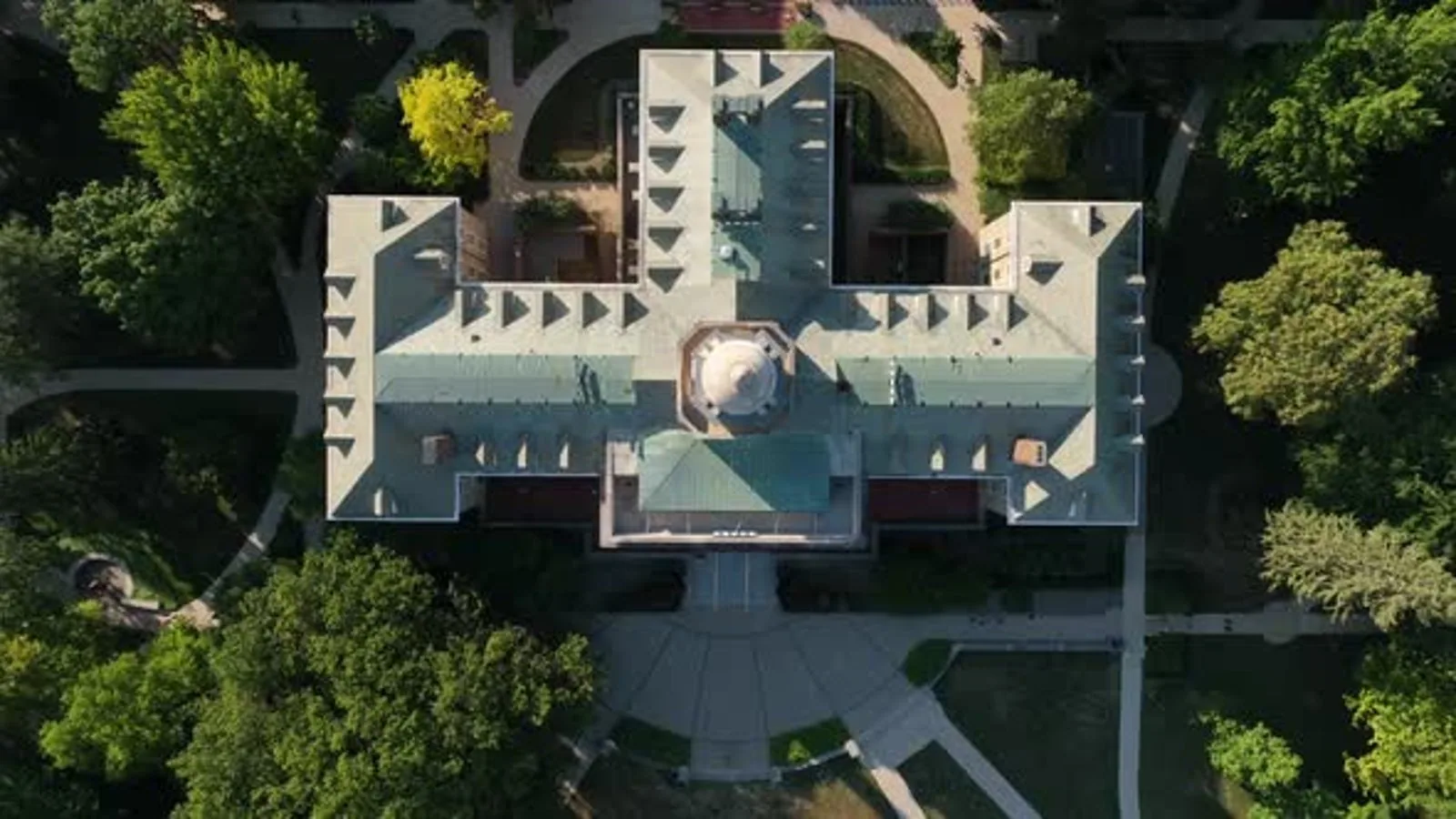
A dealership can combine a customer-facing showroom, offices and service bays under different roof sections. We inspect the actual field and keep each use area separate in the record. The inspection scope gives the property contact a repair boundary and any open test item.
Separate the Showroom From the Shop
Beaverton's retail settings include Cedar Hills Crossing south of US 26 and the Progress Ridge Town Square lifestyle center. On a dealership we map the actual showroom, service bay, parts area and office, then identify shared drains or transitions that connect them.
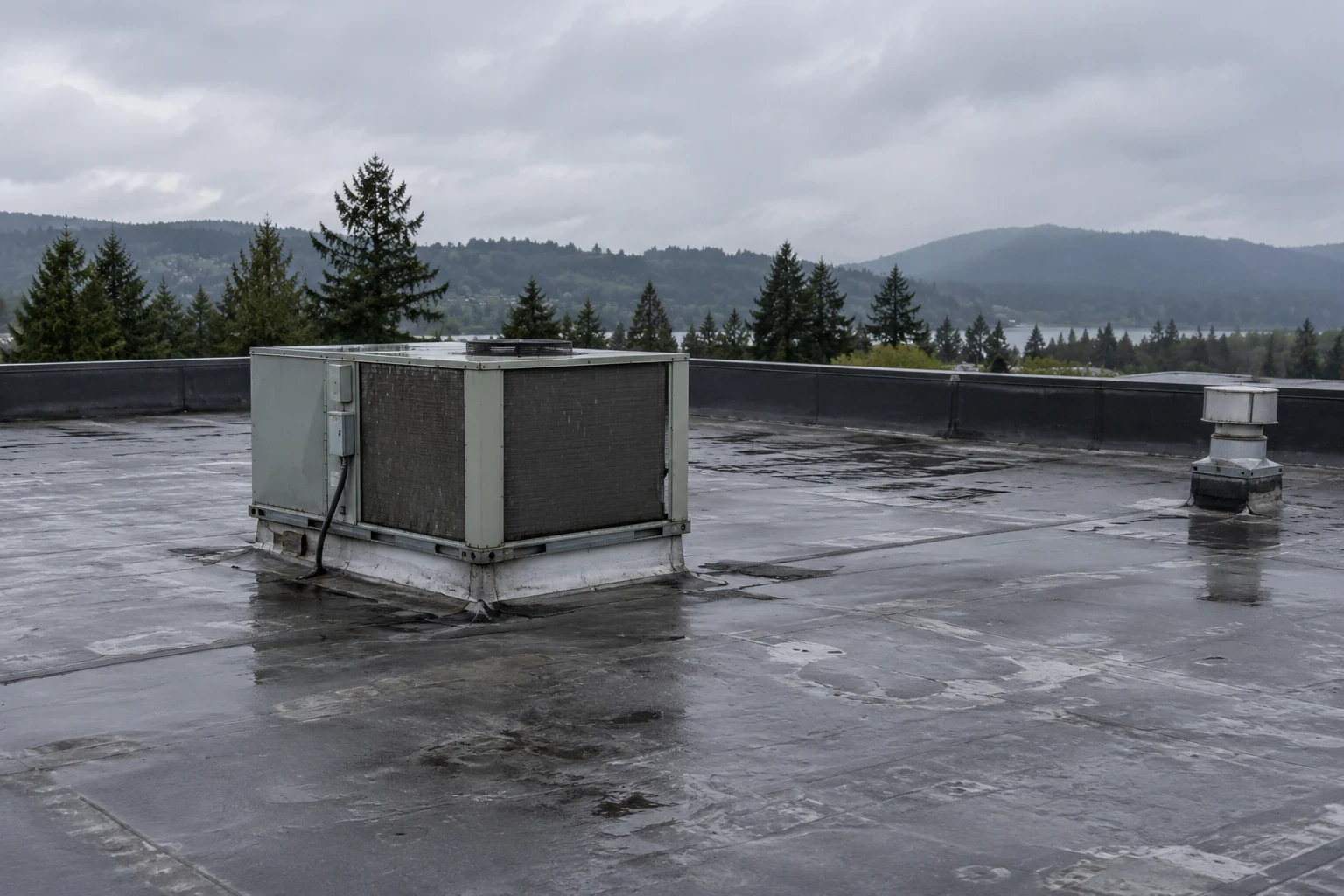
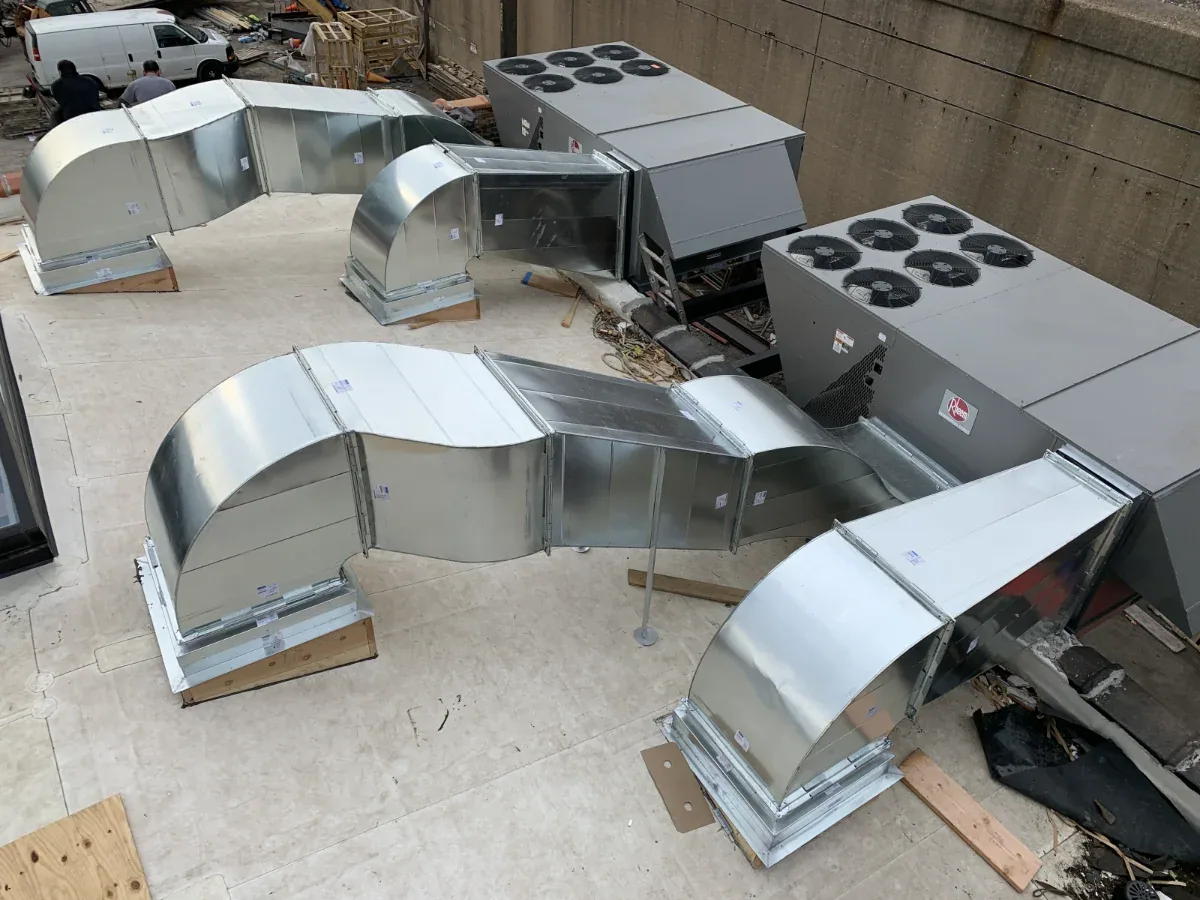
At a service bay, exhaust, unit curbs and lighting penetrations can affect the roof detail and access route. We check flashing around each opening and note whether equipment clearance or a shutdown needs coordination with the site contact. The curb and support review lists roofing interfaces separately from mechanical or lift equipment work.
Trace the Water Past Equipment
Beaverton's wettest months are November through January, when a blocked drain can hold water at an equipment curb or seam. We inspect the sump, overflow, membrane laps and nearby penetrations, then check whether the water route reaches the showroom or shop ceiling. If insulation may be wet, a test opening is listed before the scope closes the roof. A ceiling stain is recorded by department and grid location, then compared with the roof plan; the path can run along a deck flute or framing member before it reaches the visible room. We avoid calling the nearest penetration the cause until the surrounding laps, curb corners and drainage path have been checked.
A small opening at a curb may need a repair that reaches sound membrane, not just a sealant bead. The repair scope identifies the flashing, preparation and materials at that boundary. Water that stands beside a curb in the showroom field can look like a service-bay leak, since the deck can carry it across the building before it drops. Measuring the pond, noting how long it takes to drain and photographing the stain pattern give the estimate its starting point, and the photographs go to the dealership contact the same day.
Plan Around Customer and Vehicle Flow
Roof staging should not block a service entrance, vehicle delivery path or customer parking without coordination. We confirm the ladder or hatch, lift location, material drop and areas below the work with the dealership contact. If service bays remain active, the sequence can identify which doors or lanes are affected and when a second visit is needed. Any temporary boundary is written into the plan for staff handoff. The sequence should keep a technician's work area distinct from public circulation, and should identify who will move a vehicle if a ladder, lift or material cart needs that bay. If a door must remain clear, the staging sketch marks an alternate route rather than assuming the service department can pause without notice.
The property's own service drive sets the access route. The occupied-work sequence records staging and protection. For active water entry, emergency response answers at any hour. Showroom hours and delivery windows are set with the dealership contact before the first lift.
Price the Right Roof Section
Repair cost follows the number of curbs, drains, seams and edge details, the amount of preparation and whether wet insulation or deck work is present. If a showroom roof is sound but a service-bay transition is not, the scope should show those areas separately. A replacement option adds removal or recovery, insulation, new membrane and flashing, with the same roof boundaries used for comparison.
Before comparing repairs, we separate the showroom field, service-bay roof and parts or office areas on the plan. A single parapet may hide different membrane ages or previous patches. We note where one roof plane drains across another, which curbs are shared and whether a joint sits above a partition. That helps the estimate distinguish the leak source from the room where water appeared.
The visit also records what can be reached without moving customer vehicles or interrupting a service lane. The dealership contact can identify restricted hours, overhead doors and equipment that should remain clear. If a test opening is warranted, its location and restoration method are listed for approval before work proceeds. The scope can then show a base repair, a separately priced concealed-condition allowance and any replacement alternate without treating them as one commitment.
Washington Square, a regional center in eastern Washington County with a major retail mall and transit center, shows another kind of retail roof. A large-format retail roof and an office roof each carry their own operating layout and equipment limits.
Keep Each Finding With Its Department
Closeout includes dated photos, a roof plan, the affected department, repair materials, completed details, exclusions and any open test. We identify whether the reported room was showroom, service or parts space without mixing the roofing record with vehicle repair notes. If the leak reappears, the building file points to the roof zone and previous boundary. The facilities lead can compare the new report with dated photos, note whether the same ceiling area is affected and request a return inspection if the evidence points to a changed condition. That record keeps the repair history useful without assuming that every recurrence has the same cause.
A TPO repair or replacement is evaluated against the installed assembly, while a condition report can keep multiple roof sections and findings distinct. The Beaverton service visit begins with the dealership address, affected department and last known leak point, then provides a written scope sheet for facilities review.
Related Roofing Work
Commercial Roof Inspection
Rooftop Equipment Curbs and Supports
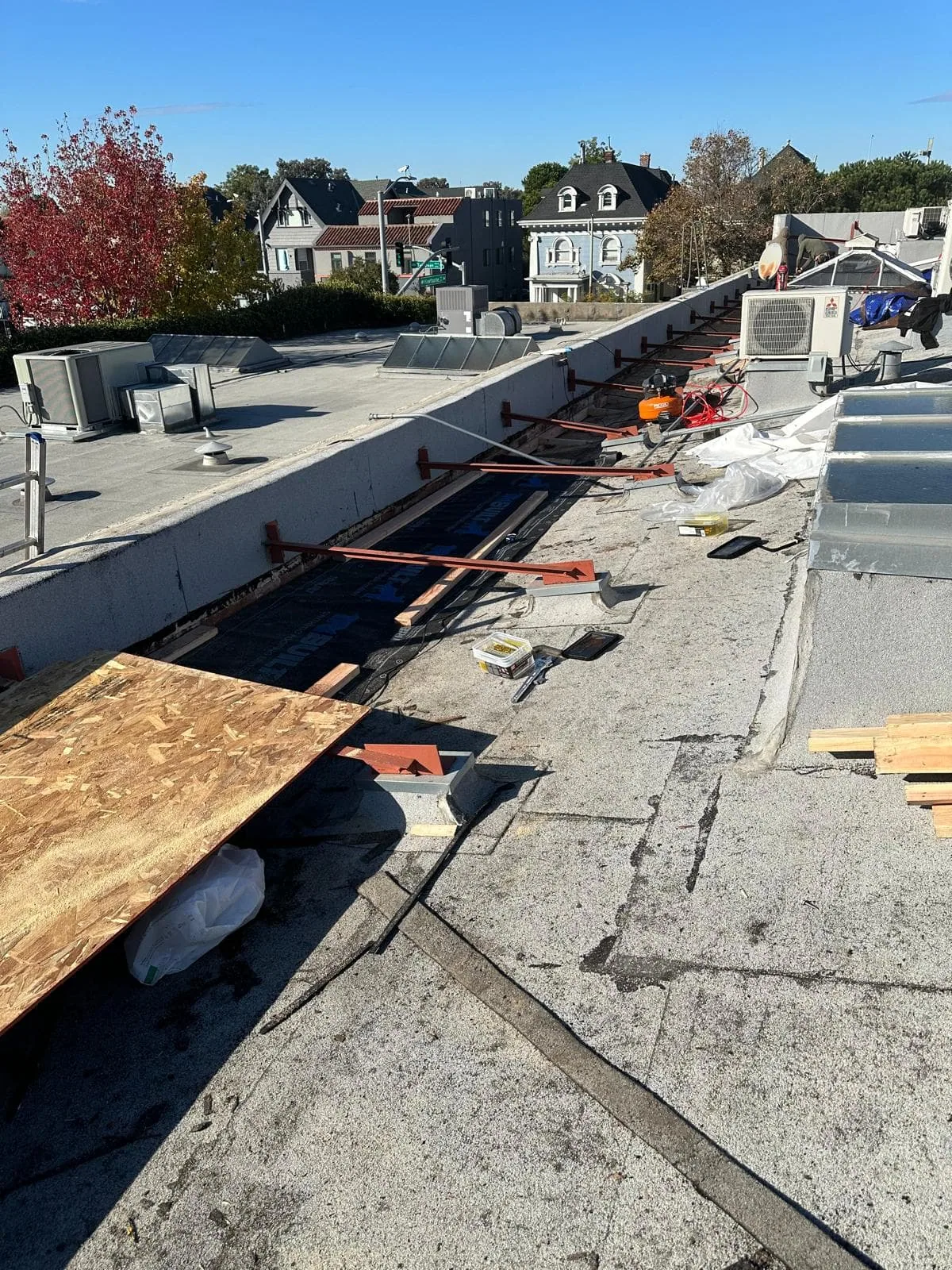
Commercial Roof Repair
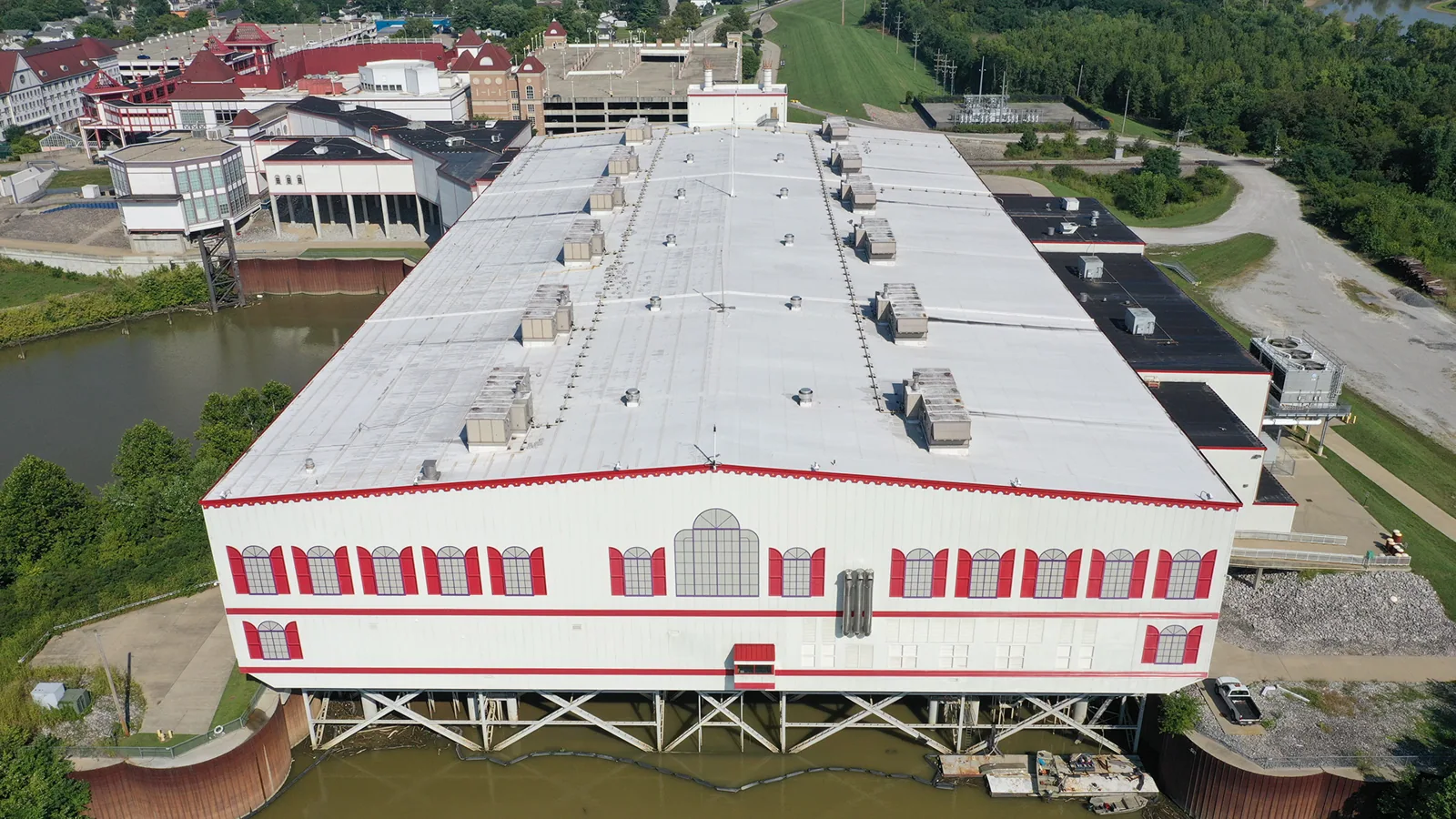
Occupied Building Reroofing
Start With the Affected Department
Place an intake call with the dealership address, affected showroom or service area and last known leak location. We will arrange a make-safe visit, coordinate access and provide a written scope sheet.
Questions About Auto Dealership Roofing
How do you locate water over a service bay?
We identify the bay, equipment and roof area above it, then inspect curbs, seams, drains and penetrations. Water may move along the deck before it appears indoors. The map keeps the reported ceiling point and likely roof opening separate until the path is established.
Can roof work proceed while service bays stay active?
We confirm vehicle movement, service doors, roof access, lift placement and the area below each repair. The site contact determines what route must remain open. We list temporary boundaries and the work sequence before a crew brings materials onto the property.
What happens if a leak is near rooftop equipment?
We inspect the roofing curb, flashing and membrane separately from the equipment itself. If access or a shutdown is needed, that coordination point is listed for the dealership contact. The repair scope states whether the roof transition or another condition requires work.
Should the showroom and service roof be priced together?
Only if they share a defined roof scope. We map each section and identify common drains or transitions, then show separate repairs where conditions differ. A replacement alternate can use the same boundaries so the owner compares equal areas.
What should the dealership file retain?
Keep the roof plan, dated photos, affected department, repair boundary, material notes, exclusions and open testing. The record distinguishes roofing work from vehicle or equipment service and identifies whether a follow-up visit remains due.