
Property Types We Roof
Big-box retail roofing in Beaverton requires a clear leak boundary, loading-area access and a scope that separates repair from capital work.
Big-Box Retail Roofing in Beaverton, OR
On a Beaverton big-box store, a water report starts with the sales floor, stock area or equipment room below the roof. We confirm the affected zone, protect exposed inventory where needed and arrange a make-safe visit. The roof walk then checks the nearest drains, seams, curbs and edge conditions. Photos and a marked leak location go into the building file before permanent repairs are priced. The make-safe note also identifies what needs a second look after the roof dries.
Big-box centers need broad roof maps because long fields can cross several departments and loading zones. A stain by receiving does not prove the opening is directly above it. We mark the indoor symptom, trace the roof path and keep each repair boundary separate. The inspection scope gives the property manager a record to compare against later visits.
Map the Roof by Operating Zone
Cedar Hills Crossing sits just south of Cedar Hills, with big-box retailers, while Tanasbourne is a regional shopping area near 185th Avenue. Retail areas like those shape access, delivery movement and occupied areas. We confirm the actual roof membrane, curbs, drains and equipment on site, then map them against the reported department or service zone.
A large low-slope field can hide isolated wet insulation, older patches or multiple membrane types. We separate each condition by roof section and identify whether a test opening is needed. Where a grocery component sits beside a large sales floor, the grocery roof scope can address its different equipment and interior constraints while the big-box roof remains its own line item.
Check Drainage Before Covering
Beaverton's November-through-January rain puts drain sumps and overflow routes under sustained use. We inspect the outlet, strainer, low area and surrounding membrane, then record whether water is trapped by debris, a damaged detail or a broader slope issue. A coating or recover layer should not proceed until the drainage condition and any wet insulation are addressed. The scope shows which work is corrective and which is surface restoration.
For a large roof, we note drain locations by grid or department and compare them with interior reports. A drain repair is priced with the surrounding flashing when the outlet transition has failed. If water instead follows a seam or penetration, we mark that path and use a localized repair that reaches sound material.
Keep Deliveries Moving
Roof staging can compete with receiving, trailer circulation and customer parking. We confirm the building's loading schedule, overhead clearances, lift position and the route for roofing materials before dispatch. A crew can then work by roof zone and keep the active boundary clear of areas below. If an entrance or loading door must be protected, the scope names it so the store contact can coordinate operations.
The store itself sets the access plan. We record the onsite restrictions and sequence for occupied work in an operating-building plan. Urgent water entry is answered at any hour, holidays included. A big-box roof is usually reached by one or two hatches or exterior ladders, so the first intake question is where the crew can climb without blocking a receiving door or a customer lane, and who holds the key.
Separate the Localized Fix
A localized repair fits when the membrane around the failed lap, curb or penetration remains sound. We identify the wet area, remove failed material as required, prepare the boundary and use a compatible repair detail. Where multiple seams, edges or insulation areas have failed, a patch count alone understates the work. We mark the full affected zone and price the preparation and any test opening alongside the repair.
For exposed-fastener metal sections, a different assessment is required than for a low-slope membrane. The standing seam system has different joints and drainage paths from a broad retail roof field. We compare the actual assembly with the photo condition record, then show whether repair, recovery or replacement belongs on the capital line. Each patch is photographed with a tape in frame so the next visit can measure any growth.
Compare Work on the Same Boundary
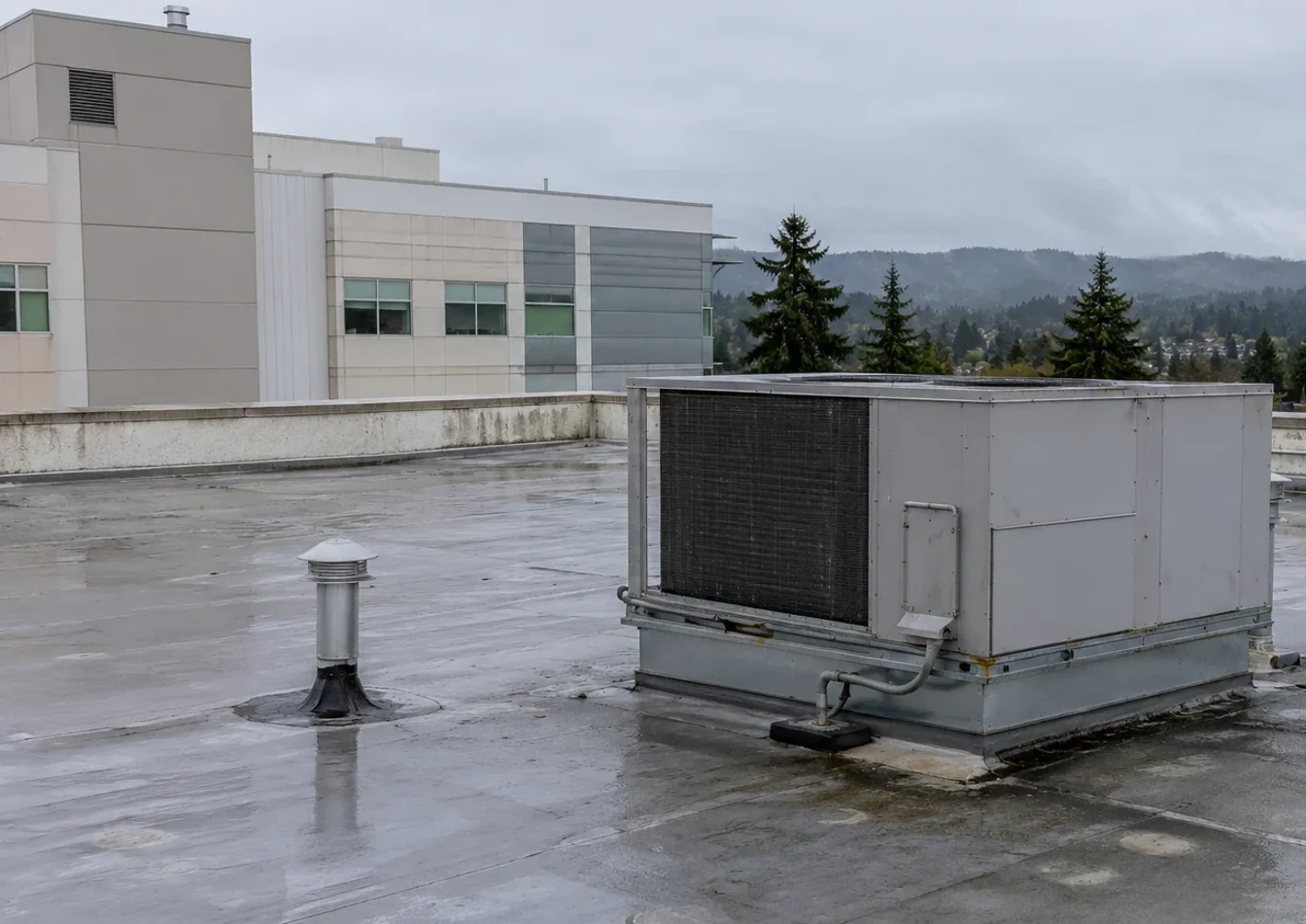
Replacement pricing follows removal or recovery, insulation, new membrane, flashing, edge metal, drain details, access and disposal. A repair scope follows its own defect and preparation limits. We show the same roof zones on both so the owner can compare immediate spend with the broader work without confusing unlike areas. If concealed moisture is not yet confirmed, that allowance stays separate from the base scope.
Washington Square, a regional center with a large mall and transit center, adds another retail setting, and every building still gets its own inspection. The replacement estimate lists included roof areas, drain and edge work, exclusions and phasing, and a shopping center roof keeps multi-tenant findings in one consistent file.
Before pricing, we also identify whether the roof can be divided into manageable work zones without leaving an unprotected edge or open transition. Each phase has a start point, stopping boundary and temporary condition to check at the next visit. If the store's schedule limits access to one side at a time, the estimate carries that sequence instead of assuming the whole field is clear at once.
Leave a Department-Level Record
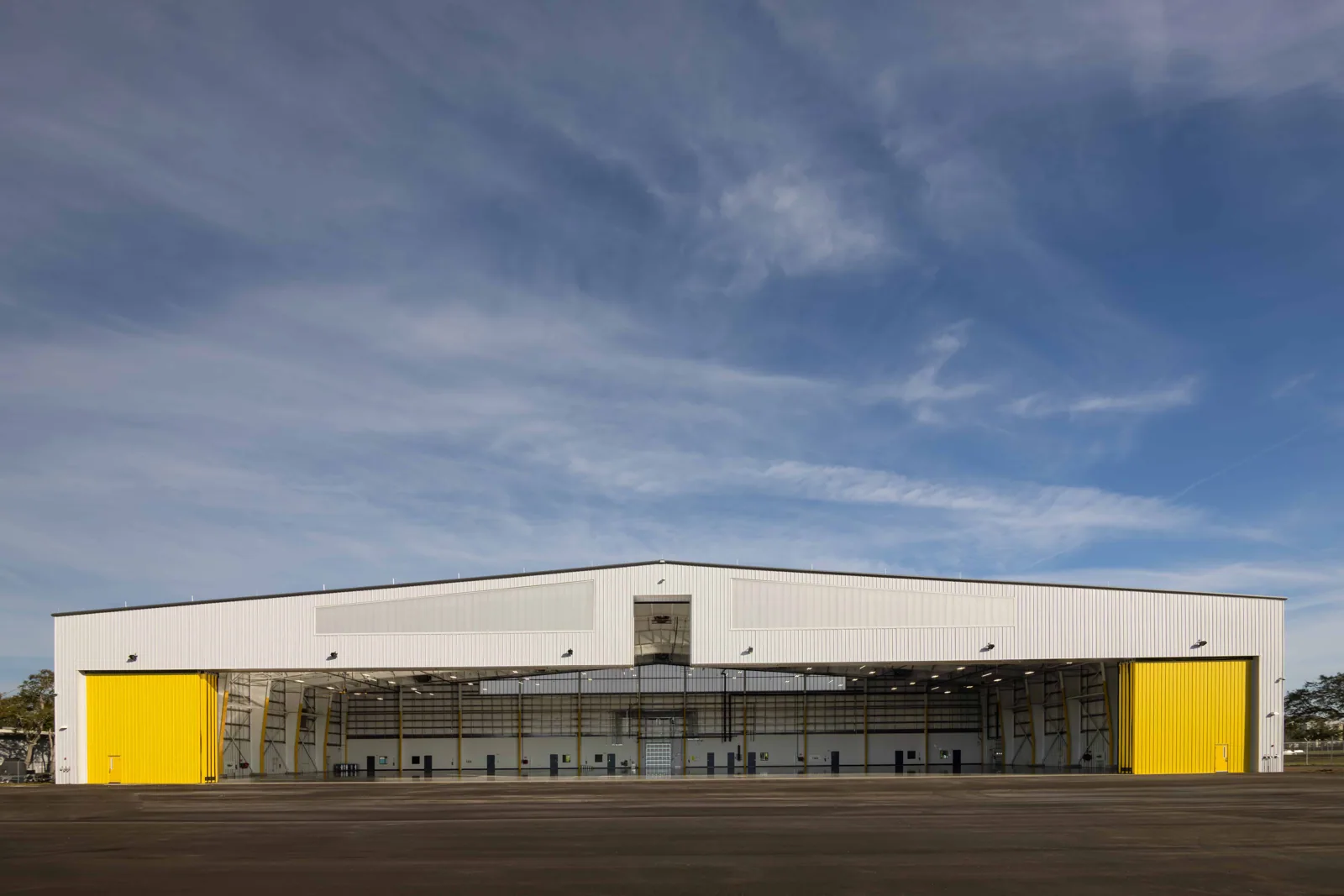
Closeout includes dated photos, a roof map, marked repair limits, material notes, completed details and outstanding tests. We identify whether each finding belongs to the sales field, receiving, an equipment area or a perimeter zone. That makes the building file useful to both the facilities contact and the next manager, especially when later work is phased around store activity.
For Beaverton service, we start with the store address, reported department and access contact. A Cedar Hills area visit is scheduled around the property's own loading and customer routes, not an assumed path. The written scope sheet identifies the make-safe action, permanent repair and any replacement threshold so the decision can be reviewed after the immediate leak is controlled.
Related Roofing Work
Commercial Roof Inspection
Grocery Store Roofing
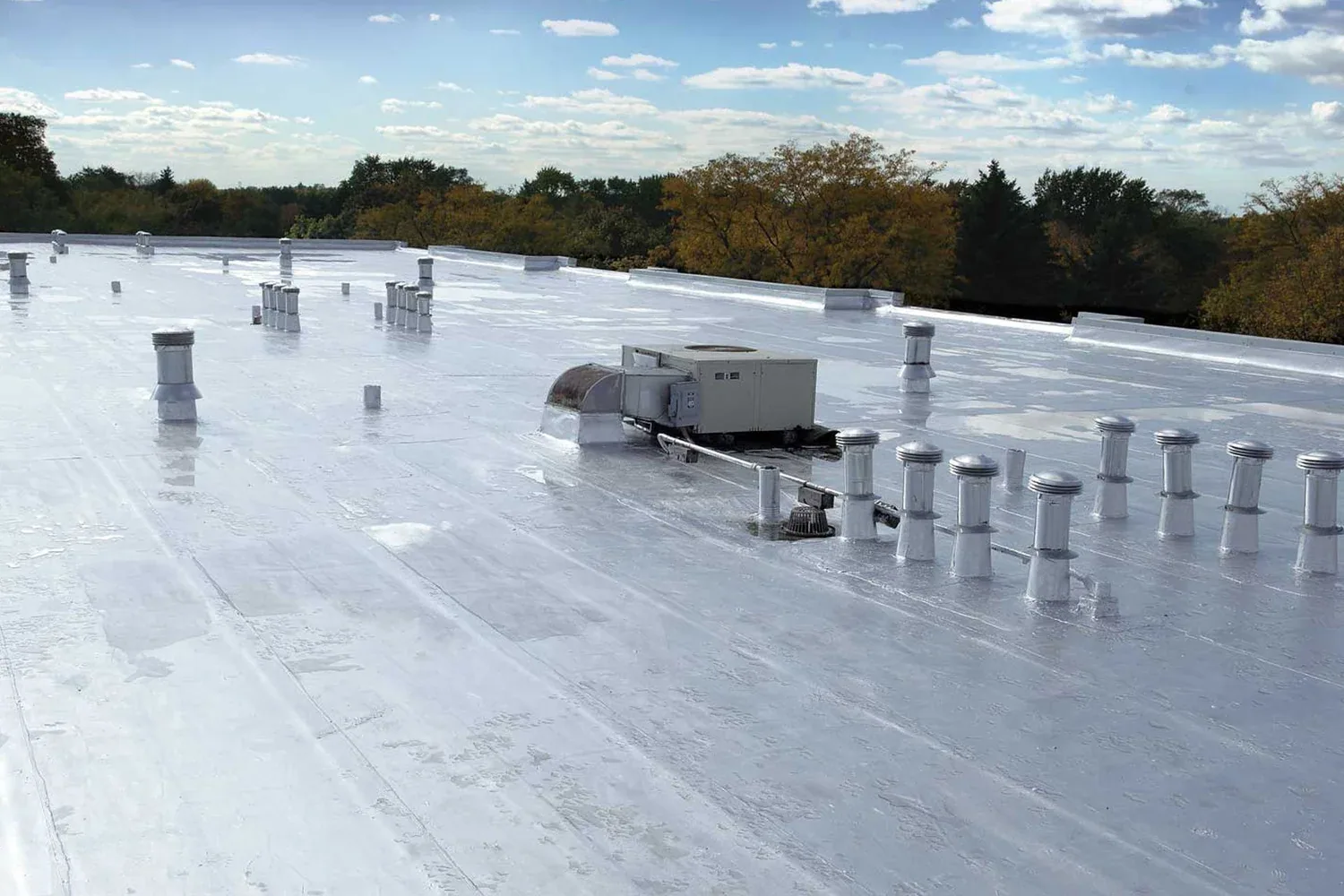
Commercial Roof Drains and Scuppers
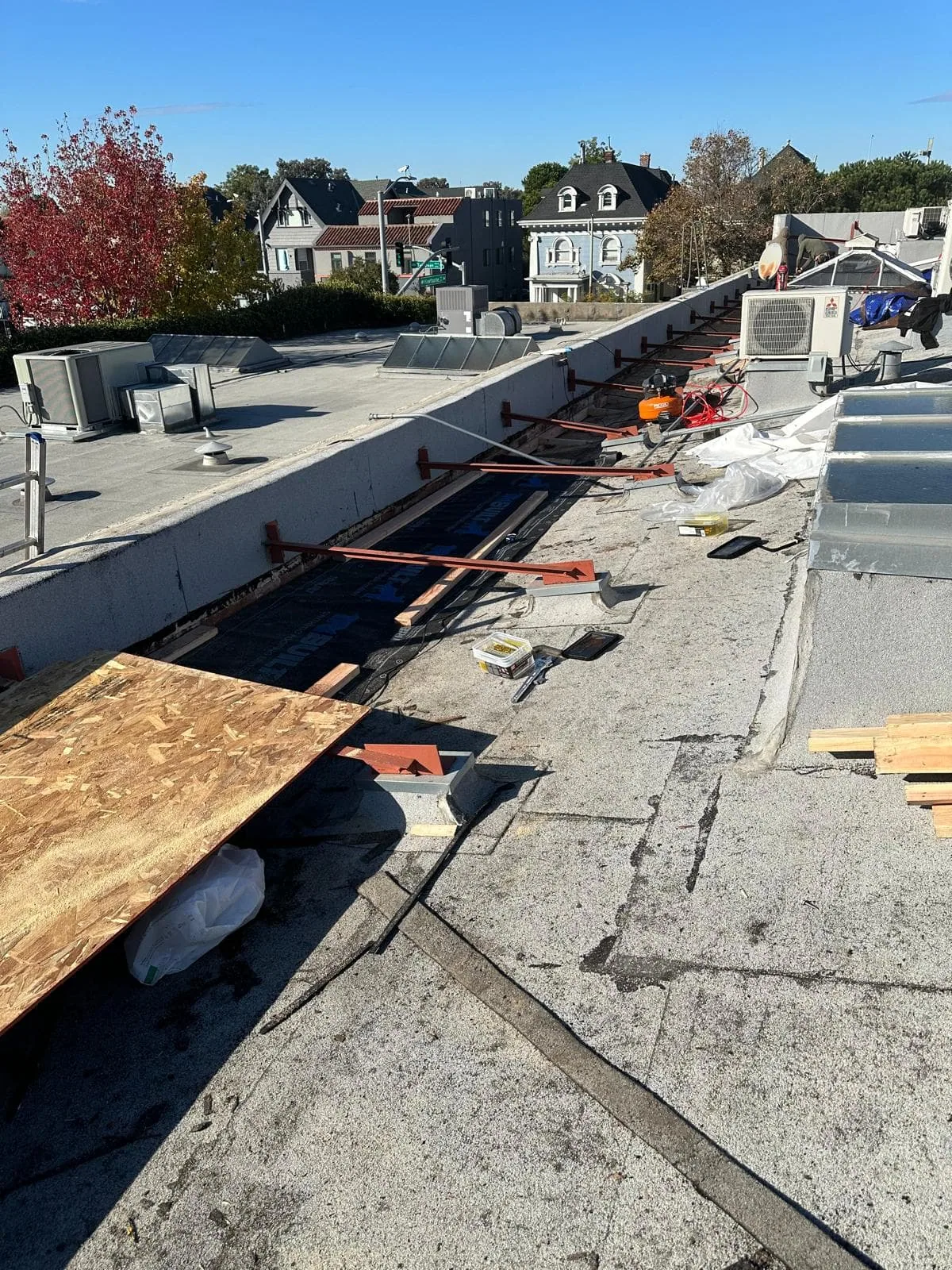
Commercial Roof Repair
Start With the Store Zone
Place an intake call with the store address, department or loading area, and last known leak location. We will arrange a make-safe visit, document the roof boundary and provide a written scope sheet.
Questions About Big-Box Retail Roofing
How do you locate a leak across a large sales floor?
We use the interior report to choose a roof zone, then inspect nearby seams, drains, curbs and penetrations. Water may travel before it becomes visible, so the roof map records both the reported area and the likely entry point. Testing is listed where the path remains uncertain.
Can the store keep receiving deliveries during roof work?
We confirm the loading schedule, staging location, lift route and protection below with the site contact. The work can be sequenced by roof area when access permits. Any temporary restriction is recorded in the scope before materials are moved.
When is coating a poor fit for the roof?
A coating is not the first step if insulation is wet, seams are open or drains are not functioning. We inspect the substrate, make needed repairs and confirm adhesion and product conditions. The proposal separates preparation and correction from the coating field application.
What should a repair estimate identify?
It should state the roof zone, failed detail, preparation, material, access and any test work. If the same area also needs replacement consideration, we mark the boundary on both scopes. That lets the owner compare the repair with capital work on equal terms.
What information is useful after the job?
Keep the roof map, dated photos, repair locations, material notes, exclusions and open tests in the store file. We label the affected department or loading zone and identify any second visit. That record helps facilities teams match future reports to the same roof area.