
Property Types We Roof
College and university roof work in Beaverton starts with leak control, roof-zone records and access planning for occupied academic buildings.
College and University Roofing in Beaverton, OR
A facilities call about water over a Beaverton lecture room starts with the space below it. We confirm the affected room, its use that day and the roof access contact, then arrange a make-safe visit if water is active. The first roof walk marks the likely entry point, nearby drains and penetrations, and any ceiling or equipment exposure. Photos and the leak log are filed with the building record, and permanent pricing waits for them.
Academic properties often include several building eras and roof assemblies. A condition at one wing does not establish the state of the next. We label each roof zone, identify visible materials and separate urgent work from the capital decision, so facilities staff can review one building without losing track of the portfolio. The inspection record begins with the address and last known leak location.
Rain Tests Each Roof Zone
Beaverton's heaviest precipitation falls from November through January. On a campus, that stretch makes drain sumps, parapet transitions and crowded rooftop penetrations worth checking before a ceiling stain grows. We trace the route water can take across the deck, compare the indoor report with roof conditions and mark any area where moisture testing is needed before a repair or recovery is selected.
Orenco Station is a planned mixed-use town center near the Orenco MAX stop, with buildings up to six stories added near the station since 2014. Mid-rise construction like that adds vertical coordination to any roof job. For each campus facility, we confirm the actual hatch, ladder, lift limits and equipment clearances, then document them with the roof map and photo condition report.
Keep Assemblies Separate
A membrane roof over a classroom wing can have different insulation, cover board, edge metal and flashing from a library or laboratory addition. We identify the exposed assembly, check the seams and penetrations, and note where a prior patch changes the repair approach. If the deck feels soft or the insulation is wet, that condition is shown separately rather than concealed beneath a new surface layer.
A new EPDM assembly may suit one project, while a standing seam roof belongs to a different slope and detail profile. We compare each option with the building's drainage, edges, rooftop equipment and access plan. If the existing system remains repairable, a defined repair can be priced before a replacement scope is advanced.
Where roof access is limited to a narrow service window, the project can be divided by elevation or building wing. We mark the stopping point for each phase, identify the temporary boundary and list which drains or penetrations remain in service while the next area is prepared. This detail matters when classrooms, research rooms or shared gathering spaces continue operating below the roof; the facilities contact can review the sequence before work is assigned. Each wing's construction era is checked against its roof so the record never treats a recent addition and an older wing as one assembly, and the photographs are labeled by wing.
Coordinate Access With Campus Use
Roof work needs a route that does not cut across a class change, loading period or public entrance. We confirm the site's access rules, staging location, protection below the work and any area where a lift or material drop must be scheduled. If the property has separate access points for academic, research and service buildings, each is marked on the work sequence rather than left for the crew to infer on arrival.
The building contact supplies the local rules on gates, escorts and deliveries, and our occupied-building sequence records the route, work hours and protected areas before mobilization. At any hour, weekends and holidays included, an active leak gets a make-safe response.
Price the Repair Boundary
A repair estimate should state the roof area, assembly, failed detail, preparation and any concealed-condition allowance. A replacement scope should show the tear-off or recovery method, insulation work, flashing and edge details separately. When several buildings are under review, we use a shared condition scale but keep each roof map and decision record distinct. That allows the asset manager to phase work while retaining a clear line between a current repair and a future project.
Access-sensitive facilities are common across Washington County, from Hillsboro's North Hillsboro Industrial Area to the technology campuses nearby, and a campus building's roof is assessed on its own evidence. We identify any test opening, wet insulation or deck repair that can change the capital line. A multi-building property review can compare repair and replacement on the same marked area and schedule assumptions.
Budget timing also depends on what testing can settle before a bid. A small test opening may show whether insulation is dry and whether a recovery layer is possible, while a larger wet area may require removal and replacement of affected material. We list each open test separately from the priced base scope. That way, the owner can decide whether to authorize investigation first or carry an explicit allowance without treating an unknown condition as a confirmed repair.
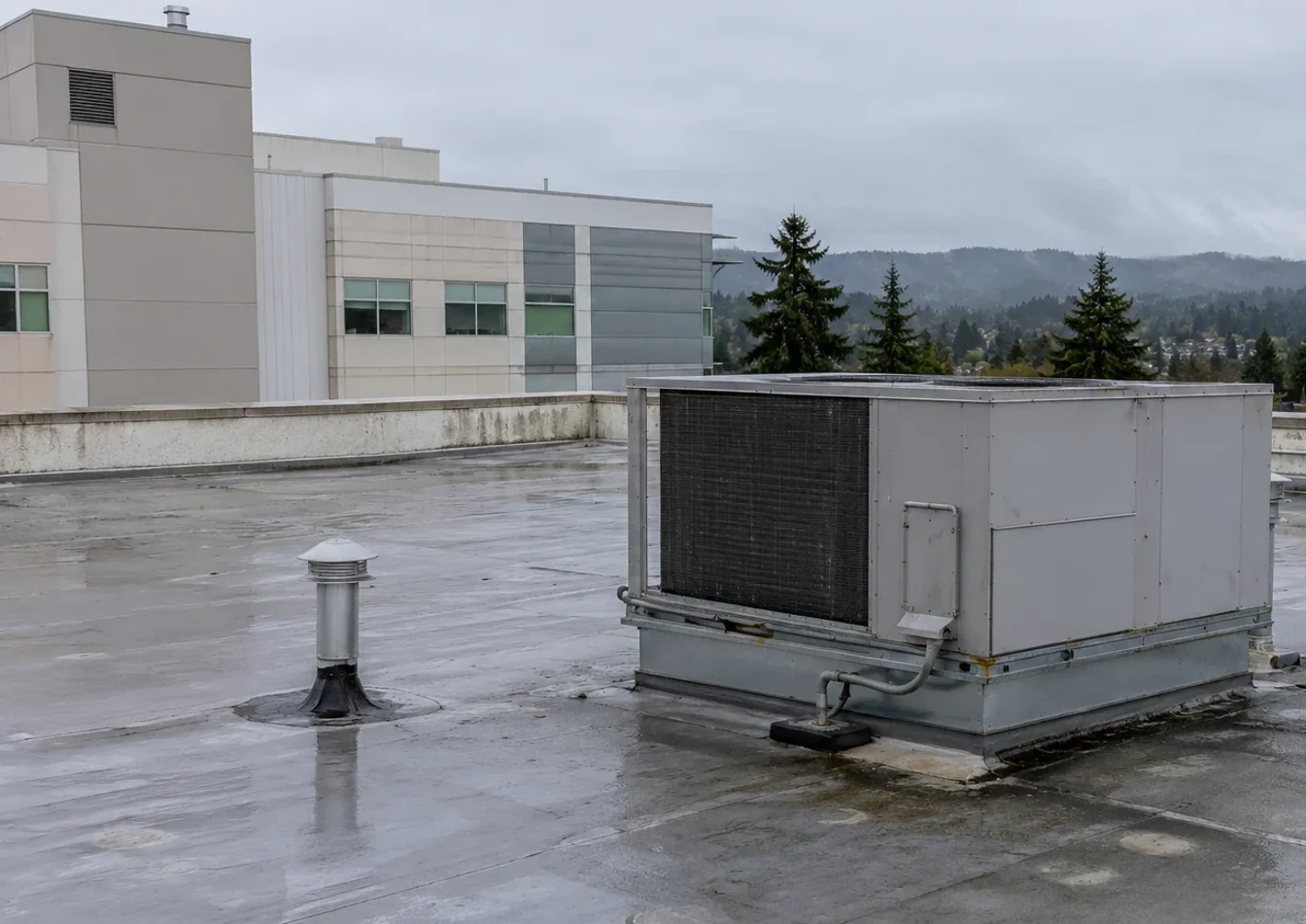
Leave a Record for the Next Manager
Closeout should give the next facilities manager enough detail to find the work without relying on the person who attended the roof walk. We include dated photos, marked locations, material notes, completed repairs, excluded areas and open testing. If a second visit is needed after drying or a test opening, the record says what condition remains to be confirmed and which roof zone it affects.
Technology and food-processing operations along the Silicon Forest corridor bring different building needs than a campus does, so the plan uses the site’s actual occupancy and assembly. A school roof file and a Beaverton service visit both begin with a building address, access contact and leak history, then produce a scope sheet tied to that roof.
Related Roofing Work
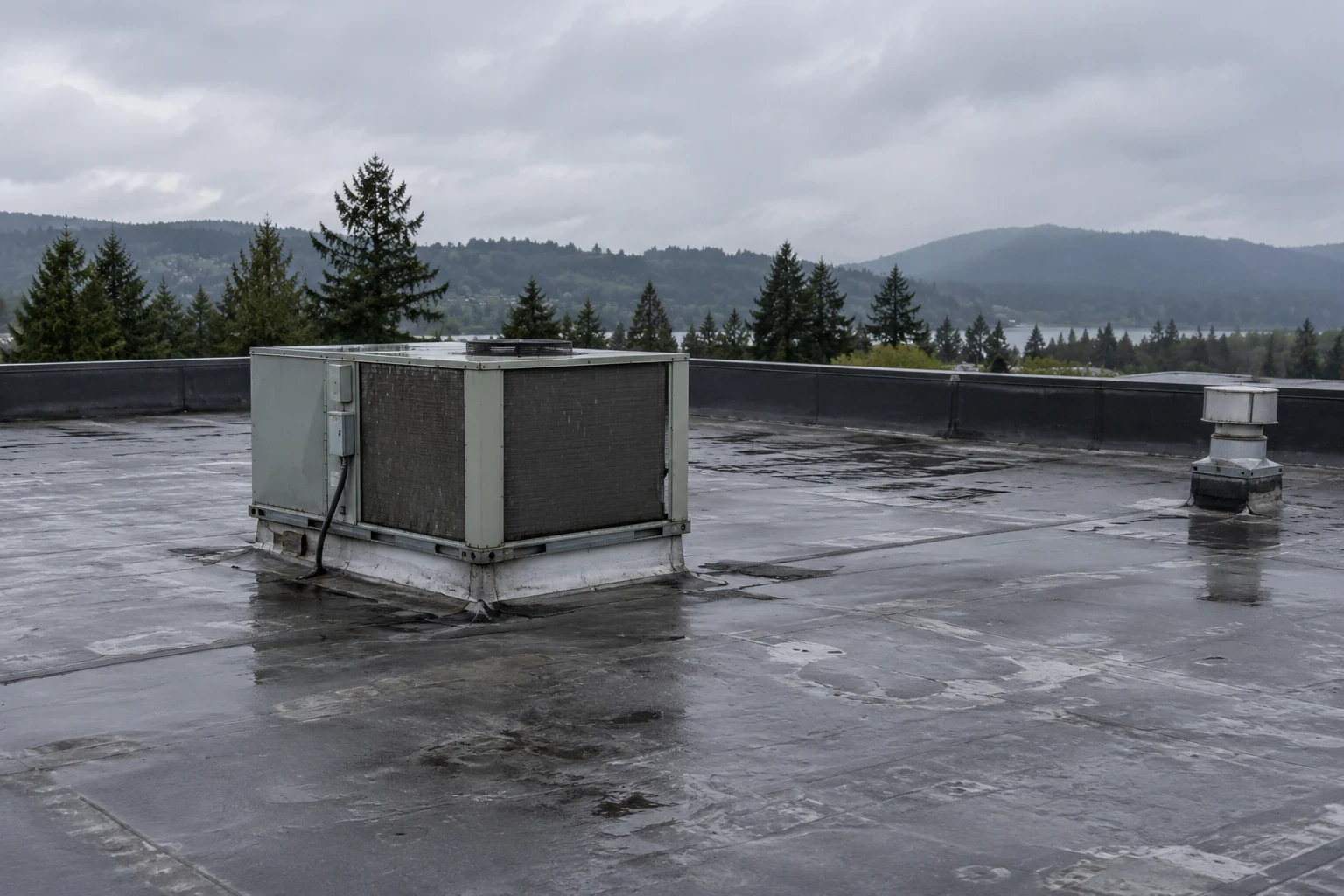
Commercial Roof Inspection

Commercial Roof Condition Reports
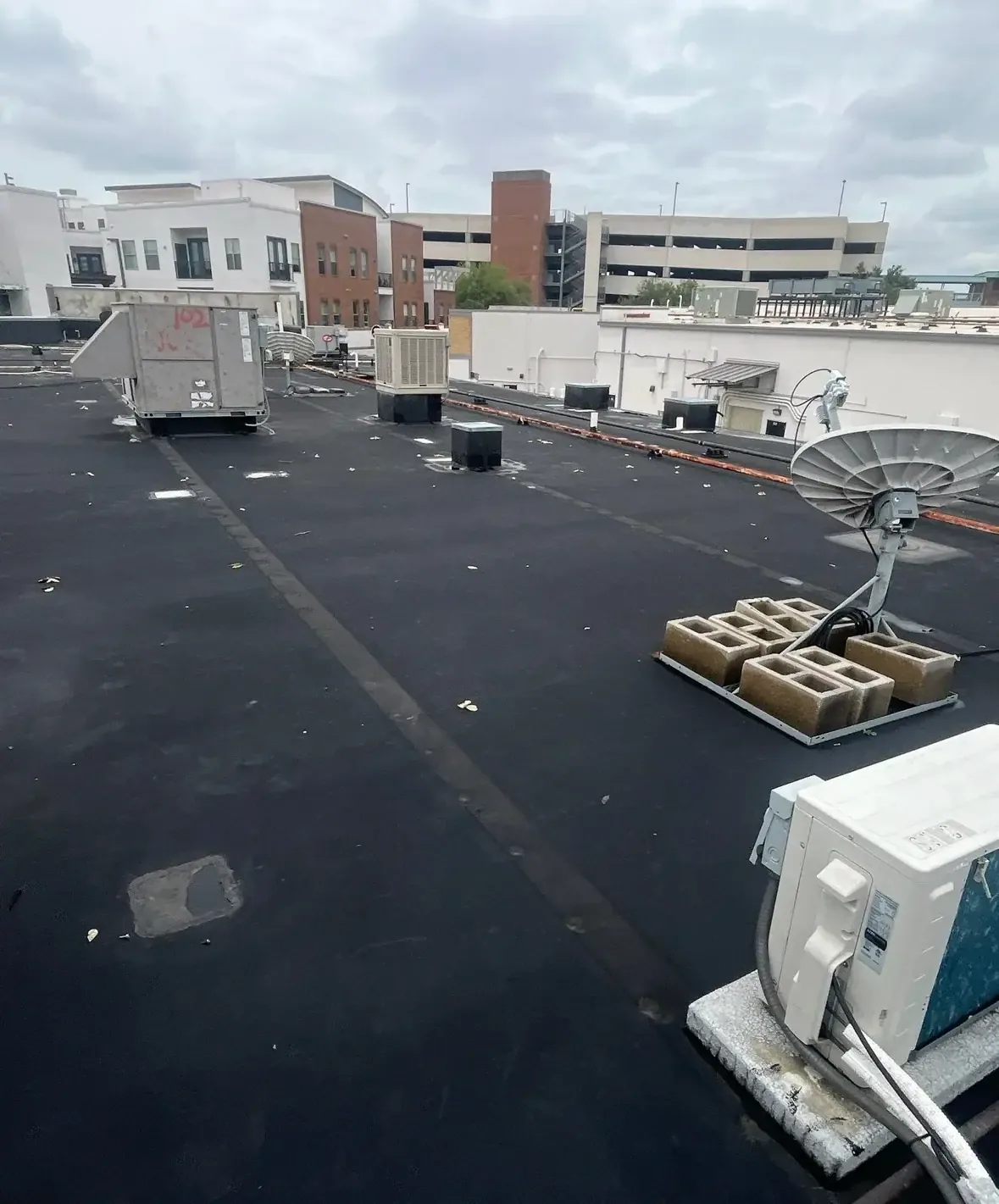
EPDM Roofing
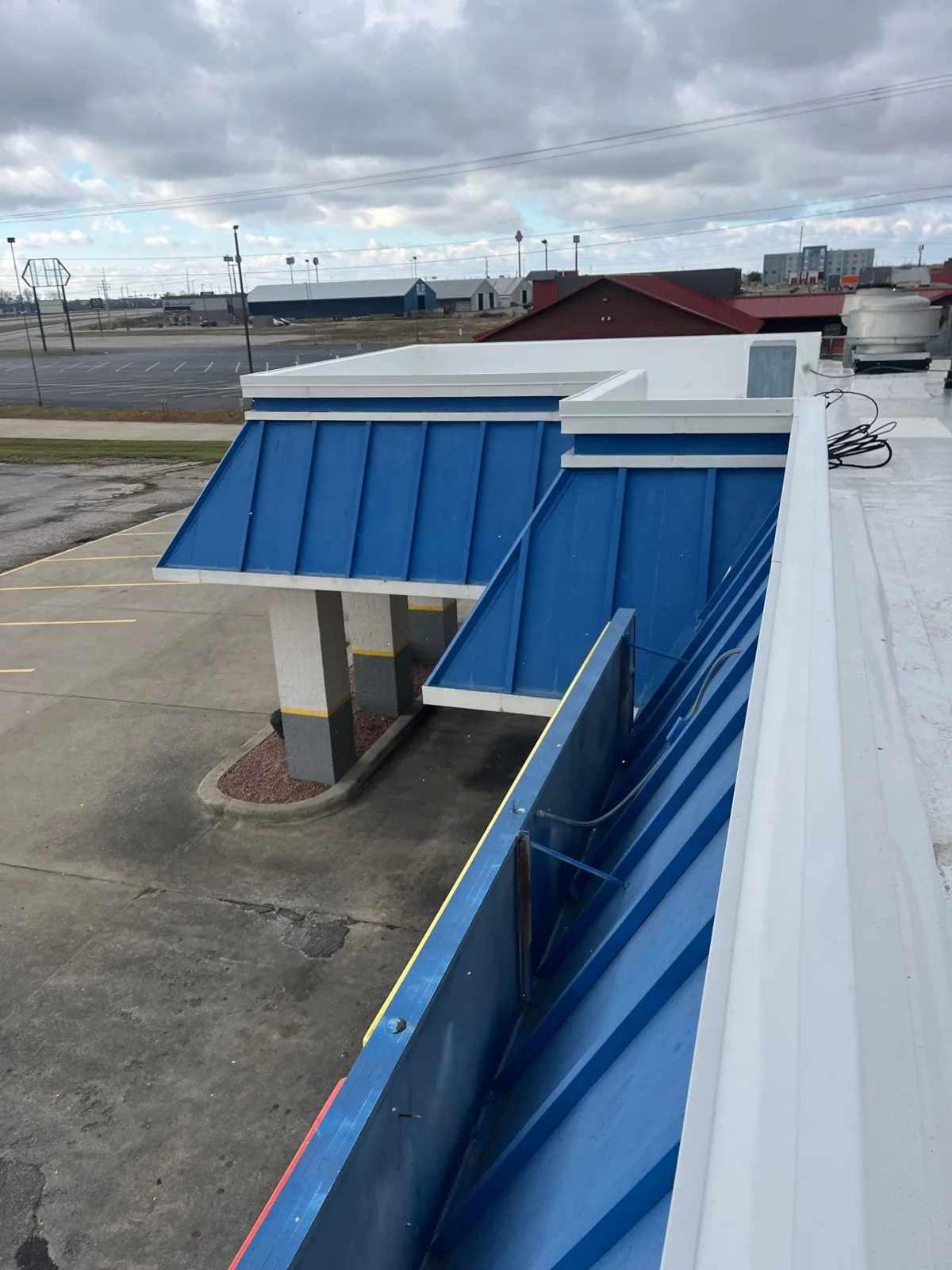
Standing Seam Metal Roofing
Start With One Building
Place an intake call with the campus address, affected room and last known leak location. We will arrange a make-safe visit, document the roof zone and provide a written scope sheet for repair or capital review.
Questions About College and University Roofing
Can one campus inspection cover every building?
A portfolio review can use one condition scale, but each building needs its own roof map, assembly notes and photographs. We record the access point and observed failures by roof zone, then summarize common issues separately. That keeps a library repair from being treated as a finding on a research or classroom building.
What happens when water appears during classes?
The intake call identifies the room, building contact and immediate exposure. We arrange a make-safe visit, document the roof area above it and mark any access restriction. Permanent repair follows once the entry point and wet materials are clear enough to price.
How should a university compare repair and replacement?
Compare the same roof boundary in both scopes. The repair should show the failed detail, preparation and any test work; replacement should list removal or recovery, insulation, flashing and access. The roof map lets facilities staff review the difference without blending multiple buildings.
Do rooftop laboratories change the roofing scope?
They can affect access, penetrations, equipment protection and work staging. We record the actual equipment and clearances on the roof walk, then identify shutdown or escort requirements supplied by the facility contact. The scope separates roof repairs from any equipment work outside the roofing trade.
What belongs in the closeout file?
Keep the marked roof plan, dated photographs, repair locations, material and preparation notes, exclusions, and remaining test items. If a second visit is required, the file should point to the open roof zone and the condition that must be resolved before the final scope is closed.