
Roof Systems
Assess acrylic roof coatings in Beaverton, OR for adhesion, drainage, seams, weather exposure and substrate condition before planning restoration.
Acrylic Roof Coatings in Beaverton, OR
A split acrylic film at a drain or seam changes the first-hour check at a Beaverton, OR building with water inside. The crew confirms the room below and the last known leak location, makes the area safe, then photographs the coating, membrane, flashing and nearby low points before repair begins. Those records go to the building file, where they help determine whether the coating, the roof below it or a separate penetration is carrying water.
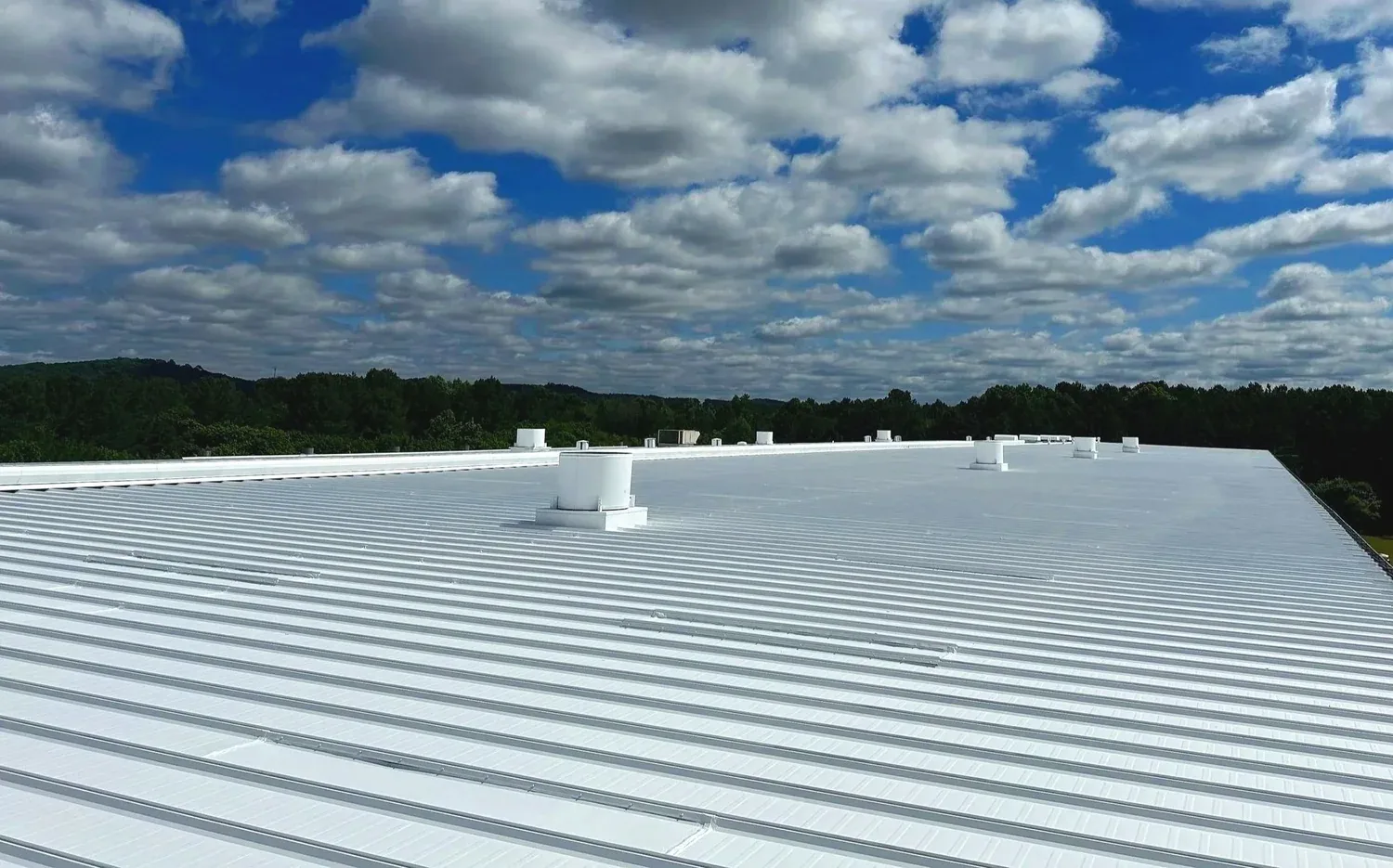
Beaverton sees its heaviest precipitation from November through January, so coating details and drainage need to be evaluated together before another layer is applied. We inspect adhesion, surface preparation and the existing roof assembly first. Silicone coating may be an alternative where project conditions support it, but the silicone system and acrylic each have different application and exposure requirements.
Test the Existing Surface
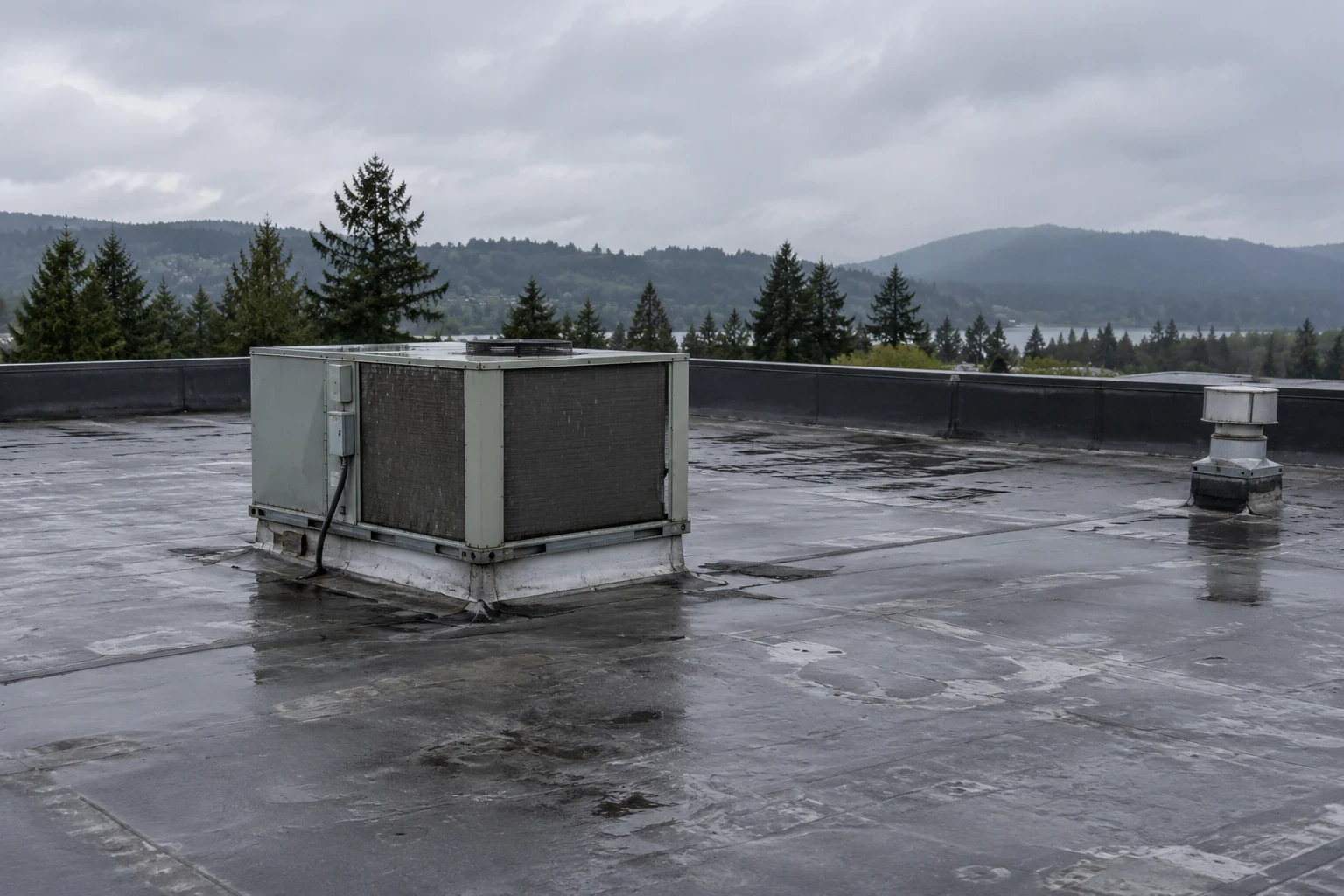
An acrylic coating restoration begins with a clean surface that can accept another layer. We inspect for chalking, peeling, cracks, blisters, thin areas, dirt, open seams and failed flashing, then check the substrate for soft or wet areas. A small adhesion check may be needed where the existing product or prior patch is uncertain. We mark repair areas and identify any test opening required before covering a concealed condition.
Portland's record high of 116 degrees on June 28, 2021 is a reminder of how much exposure an acrylic film takes, and the inspection shows the actual film condition. We record the roof areas and repair limits in a roof inspection and photo-based condition record before the restoration scope is priced.
Repair Before Recoating
Acrylic coating is a surface layer, not a substitute for membrane repair or wet insulation removal. We correct loose seams, open flashings, punctures and failing terminations first, then prepare the substrate according to the selected product requirements. If the roof has ponding or a blocked sump, that drainage condition needs separate review; prolonged standing water can affect whether the coating system is appropriate. The proposal identifies those repairs instead of hiding them under a finish line.
We also check where old coating meets metal, masonry, curbs and drains. Different materials may require a primer, reinforcement or a separate flashing detail, depending on the system. The restoration scope records preparation, repairs, primer and field coverage as separate work steps. If moisture is suspected below the membrane, a test opening or survey is described before coating proceeds.
Before a coating is selected, the scope should show which roof areas are eligible and which need separate repair. We map drains, seams, penetrations, curbs and transitions, then match each condition to a preparation or repair step. A test area can clarify adhesion where the prior coating is unknown, but it does not replace inspection of the substrate below. If the test exposes a weak bond or moisture, that finding changes the sequence and may change the restoration choice. The owner can review those limits before the crew mobilizes.
Choose a Suitable Work Window
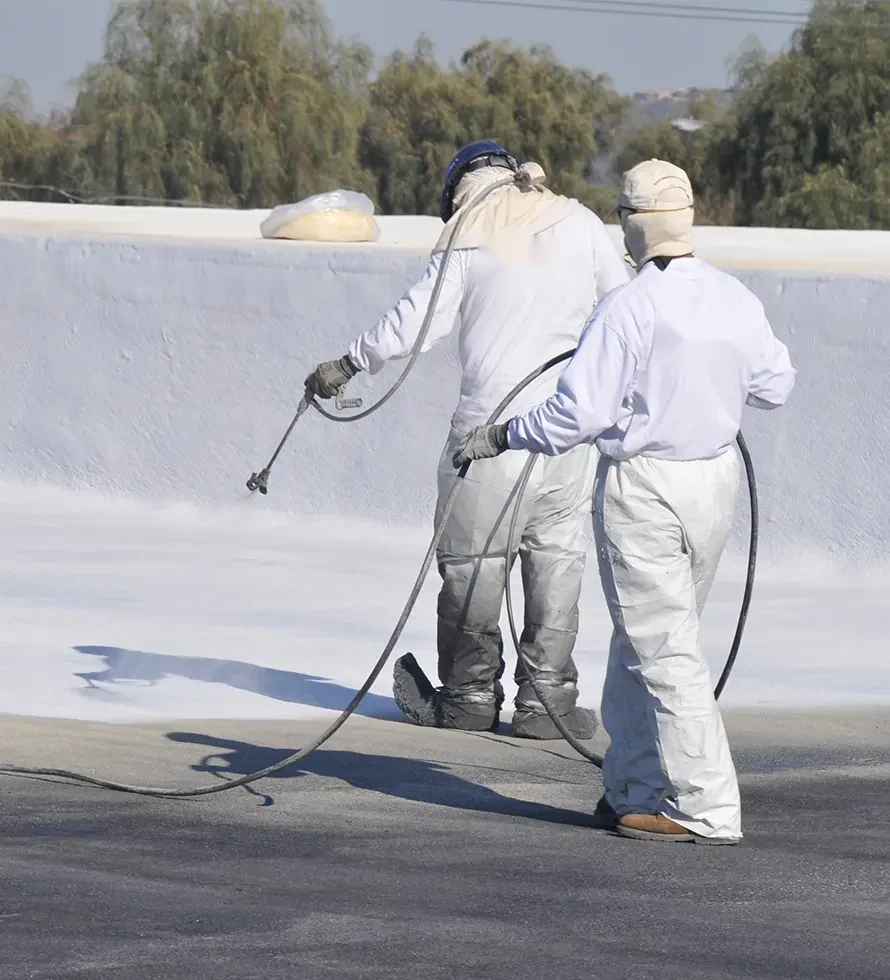
Application requires a dry, prepared substrate and conditions that meet the product instructions. We check surface temperature and moisture, protect equipment and walkways, and stage the work so exposed sections are not left open. The crew applies the specified coats at the required coverage, checks transitions and details, then records completed areas. If a rain change or damp substrate interrupts the work, we secure the boundary and return when the surface is suitable.
Roof access and staging depend on the property's loading area, lift points and operating hours, whether the building sits in Beaverton or down OR 217 in Tigard, and we confirm those details with the site contact. At drains, curbs and parapets, the coating must terminate against a prepared and compatible detail, with no blocked outlet or hidden open seam.
Set the Repair Boundary
A local coating repair can fit when the membrane underneath is sound and the failure stays within a defined area. We remove loose film, prepare the surface and apply compatible material across the repair with the overlap specified for the product. If an underlying seam has opened or insulation is wet, the scope must address that condition before the field is recoated. Photos show the surface before preparation and after the final pass.
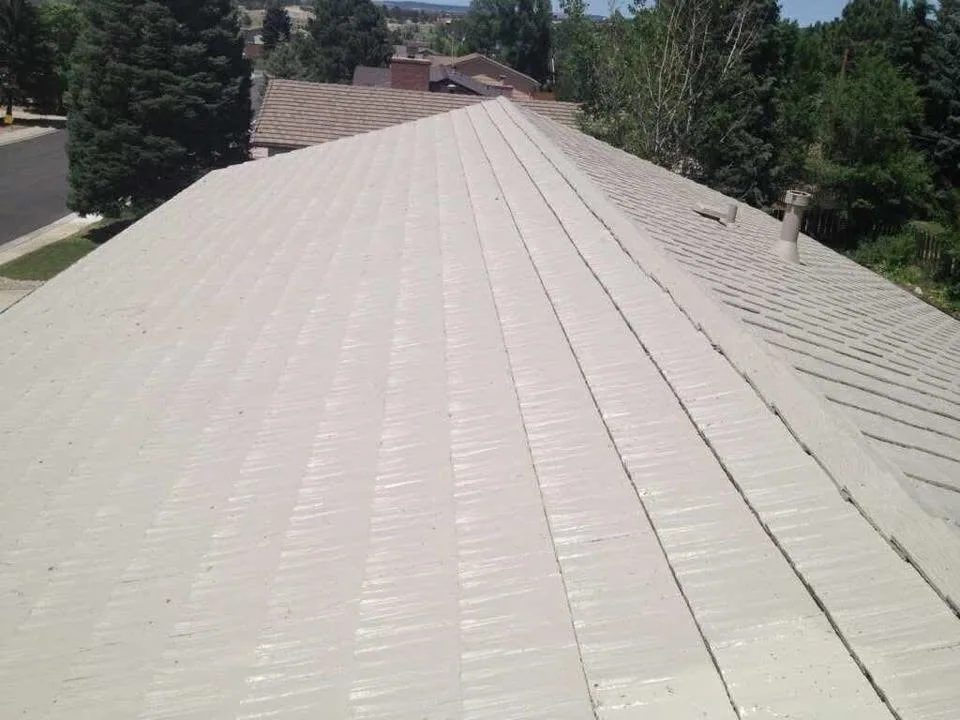
Where coating is peeling across multiple roof areas, repeated patches have failed or the substrate is not suitable, restoration may not be the right path. We compare a new coating with membrane replacement and note the access, tear-off and flashing implications. A localized repair can be listed alongside a replacement option so the owner can see how the repair-or-replace threshold affects the capital line.
Keep the Coating File
The closeout file records the roof as it was found, the preparation done, the repairs made, the coating product, the areas covered, the photos, the drain and flashing details and any maintenance item still open. Areas left out of the application are listed, and so is any moisture test still waiting. The next inspection compares the same seams, low points and coating edges against that page.
Cost follows surface cleaning, removal of loose material, repairs, primer, coating thickness, access and roof area. Those lines stay separate from concealed insulation or deck work. When the substrate needs more than a surface restoration, a membrane replacement option goes on the table beside it. A Beaverton roof visit closes with a written scope sheet for the coating decision.
On a phased job, the roof map shows the line between finished and untouched areas, along with any temporary protection or access restriction. Facilities staff then have a working reference while rooftop work is active, and later maintenance stays tied to the right coating section. Each entry says what was observed, what was repaired and what lies outside the approved scope, so a future visit starts from the same locations and does not assume the whole roof got identical treatment. Photos taken at the same drains, seams and curbs each year show where the film is thinning before water finds the gap.
Related Roofing Work
Silicone Roof Coatings
Commercial Roof Inspection

Commercial Roof Condition Reports
Roof Coating Restoration
Check the Acrylic Restoration Scope
Place an intake call with the building address and last known leak location. We will arrange a make-safe visit when needed and provide a written scope sheet for surface preparation, repairs and coating coverage.
Questions About Acrylic Roof Coatings
Can acrylic coating go over another coating?
It can only be considered after the existing film and substrate are checked for compatibility, adhesion, moisture and repair needs. We identify where testing is necessary, then state the preparation and primer requirements in the scope. A surface that is loose or wet needs correction before another coat.
Is acrylic appropriate for areas that hold water?
The coating specification and duration of ponding need review before selection. We inspect slope, drains and low areas, then identify whether water stands because of a blocked outlet or roof design. The proposal separates drainage correction from coating work.
What happens to an open seam under a coating?
The seam is repaired before the field is recoated. We prepare the lap, use compatible flashing or reinforcement where specified, and check the transition before applying the finish. The closeout file shows the seam location and repair detail.
How do you know the surface is ready for application?
We check cleanliness, adhesion, substrate moisture and conditions required by the selected product. The work plan identifies any area that needs additional drying or preparation. If a test opening reveals wet insulation, that material is handled before coating resumes.
What should I compare in two coating proposals?
Compare substrate repairs, surface preparation, primer, coating coverage, thickness, flashing and drain details, access and exclusions. We list the same roof areas and identify concealed-condition allowances so the scopes can be reviewed on equal terms.