
Commercial Roofing Services
Roof coating restoration in Beaverton, OR checks moisture, preparation and adhesion so owners can decide whether an existing roof can support a new coating.
Roof Coating Restoration in Beaverton, OR
A coating scope starts with a question: is the existing roof dry, attached and stable enough to remain the base? We map seams, penetrations, ponding and prior repairs, then verify suspected moisture before pricing a restoration. In Beaverton, OR, about 151 precipitation days a year place steady demand on drainage and flashing details. A new surface cannot correct wet insulation, a loose assembly or a drain that leaves water standing. The inspection record has to answer those questions first.
When the assembly is sound, coating can renew a roof without removing every layer. We compare surface preparation, compatible primer, reinforcement and finish options in a written scope. The roof coating restoration work proceeds only after the substrate and repair boundaries are established.
Screen the Existing Assembly
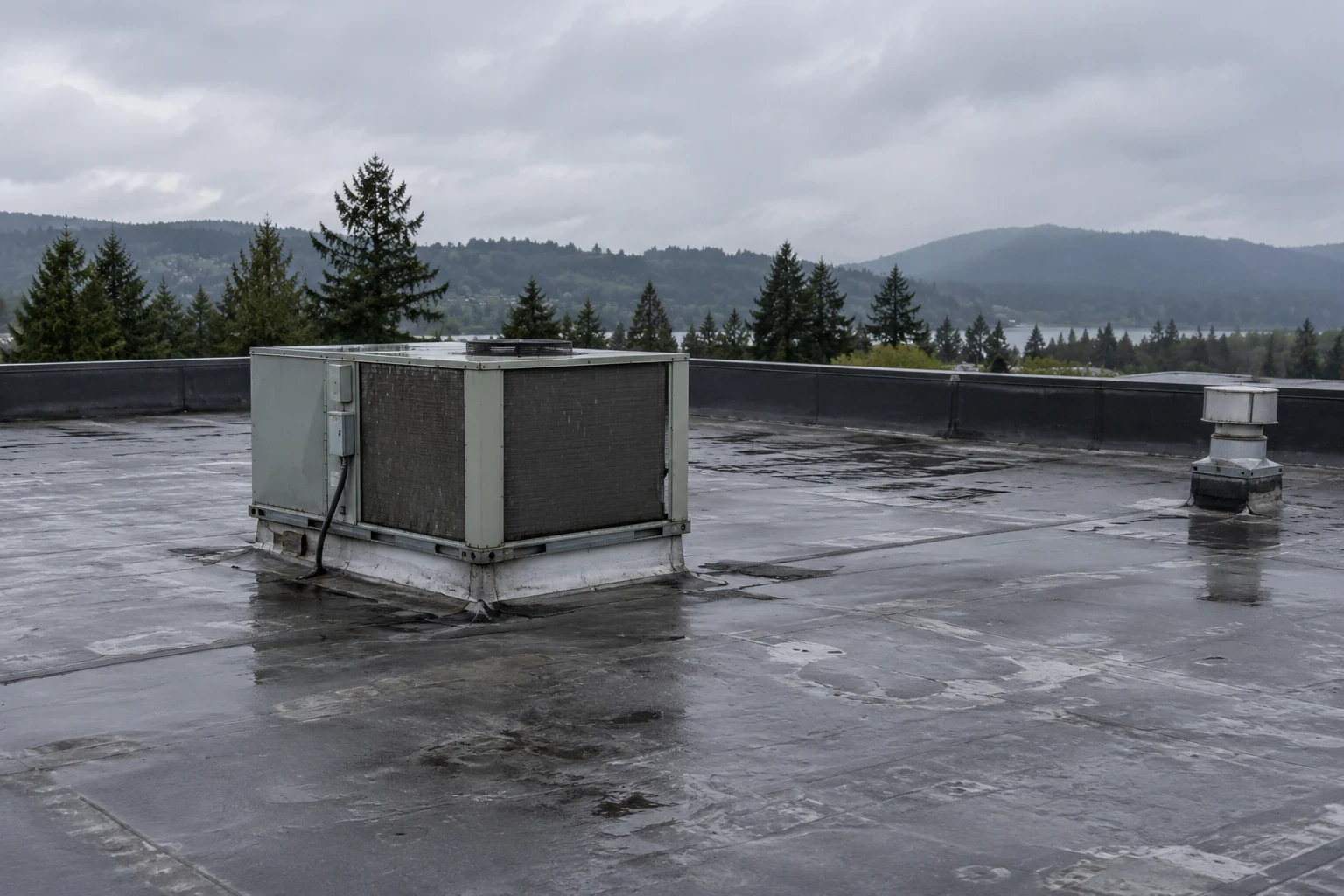
We begin with the roof plan, repair history and warranty documents, then walk the surface to find blisters, splits, open laps, loose edges and areas that remain wet. A coating needs a stable surface; it does not make a wet layer dry or secure a membrane that has released from its substrate. We mark suspected trouble and use moisture testing or test cuts where the evidence calls for confirmation. The resulting photo set shows which areas can stay and which need removal or repair.
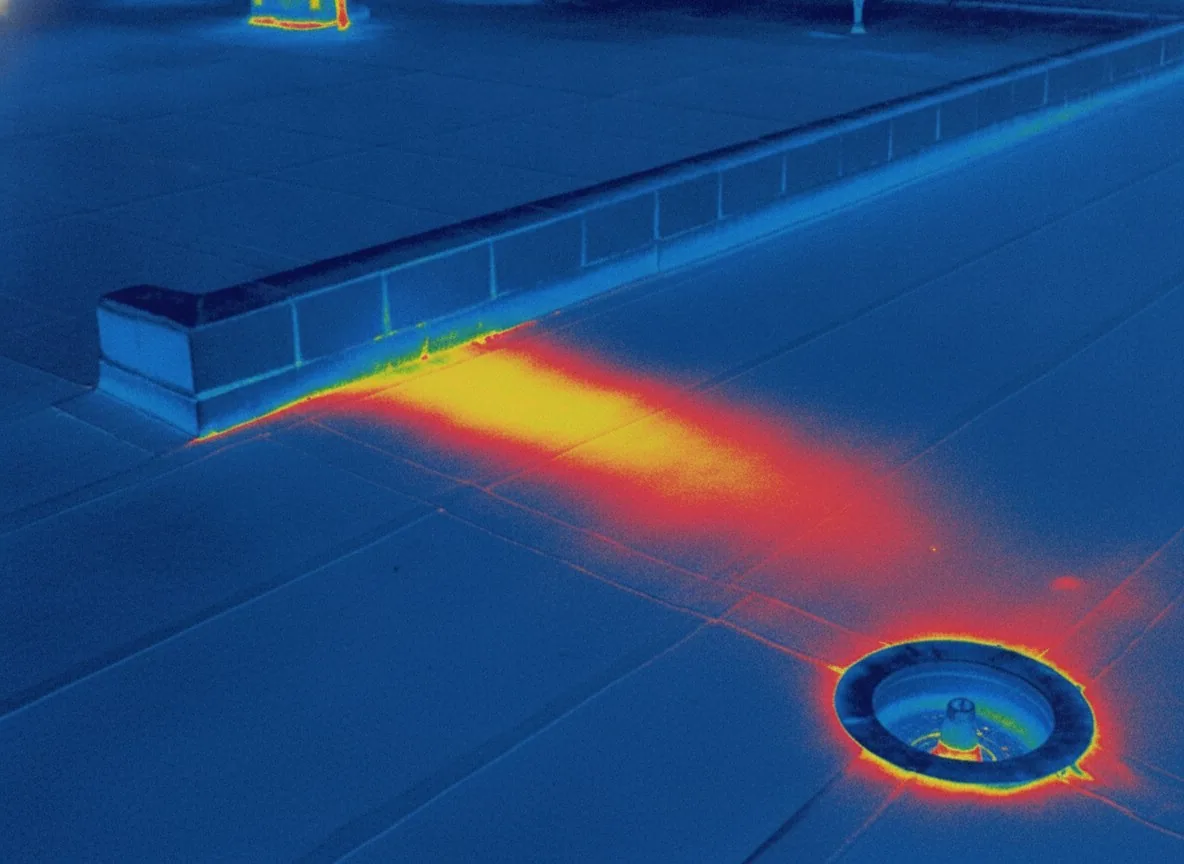
A hands-on roof inspection checks details a broad image cannot settle. If a large surface contains uncertain wet areas, an infrared moisture survey can map indications for follow-up. We compare those findings with the deck and interior leak log before drawing the coating boundary. That keeps the proposal from treating every square of the roof as though it has the same condition.
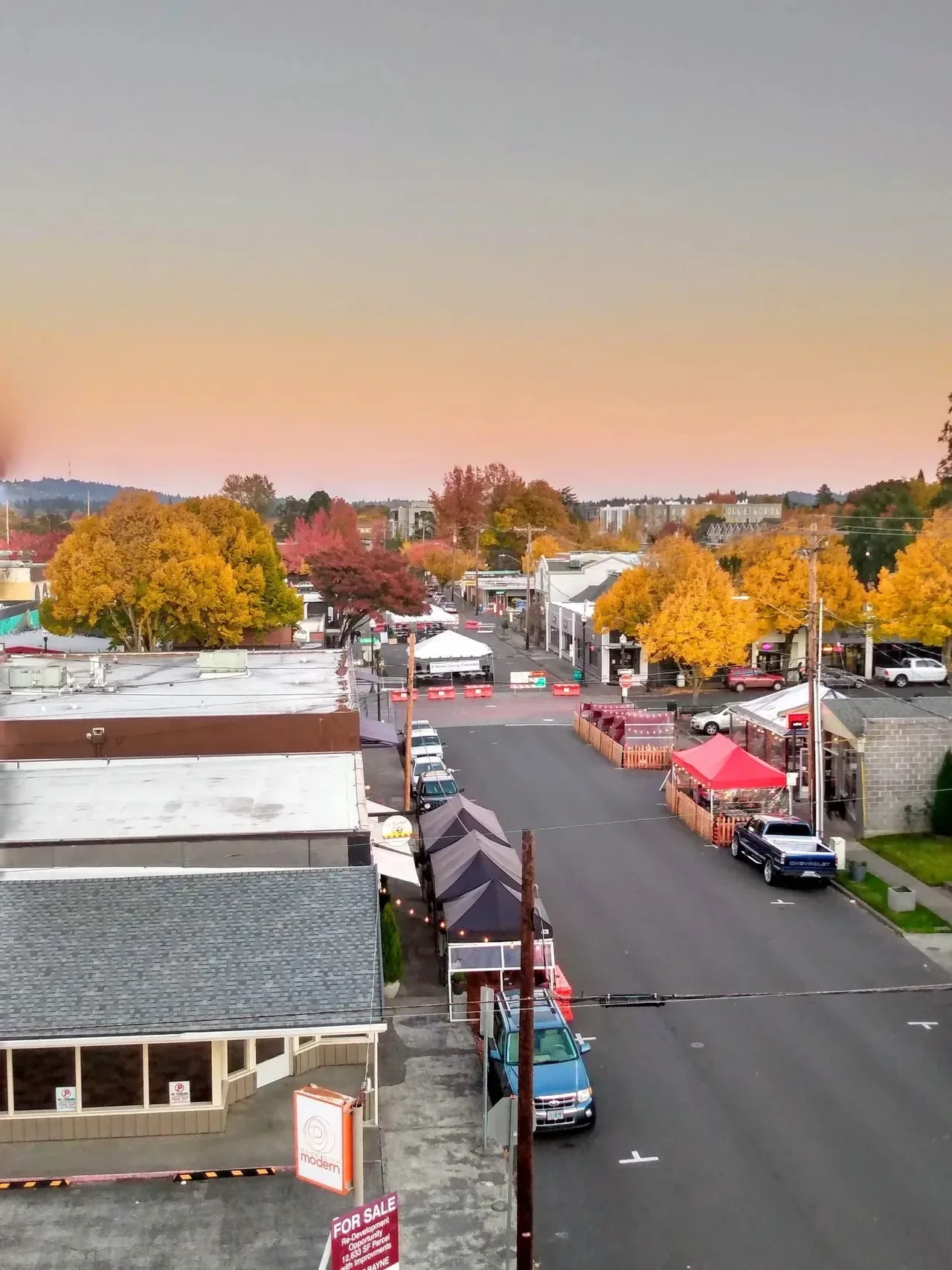
The same screening applies to a retail roof near Cedar Hills Crossing and to an employment building in Downtown Beaverton: the assembly is identified on the roof and its condition recorded before a restoration system is selected.
Preparation Sets the Bond
Coating adhesion depends on a clean, dry and compatible surface. We remove loose material and dirt, address biological growth where present, and prepare seams, fasteners, drains and penetrations following the selected system requirements. Metal surfaces may need rust treatment and secure fasteners; single-ply membranes require a compatible cleaning and primer sequence. A test patch can confirm adhesion before production work begins.
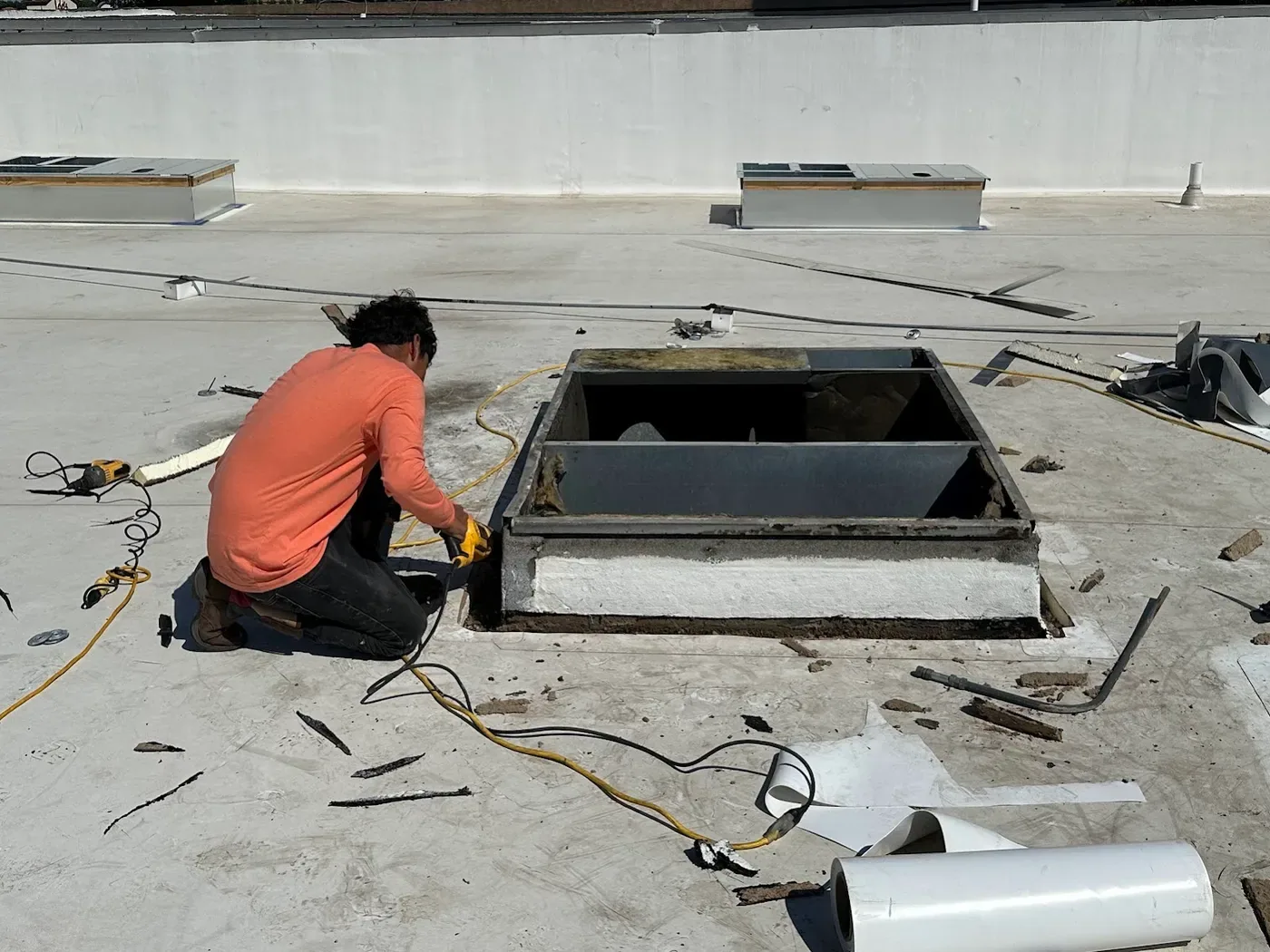
Repairs happen before the field coating. Open seams are welded or rebuilt with compatible material, punctures are patched, and failed flashing is replaced or reinforced. Wet insulation is cut out to sound material and the opening is restored before the finish layer covers it. A seam repair or flashing rebuild is listed separately so the owner can see what corrects a defect and what restores the field.
Drains and scuppers need room to carry water after the coating is installed. We protect openings during application, keep coating from bridging a drain bowl, and check the finished termination. If the roof has a low area that repeatedly ponds, we price a drainage correction instead of describing the coating as a cure for slope. The scope records both the surface work and the water path.
Choose a System for the Roof
Silicone and acrylic coatings do not behave the same way. Silicone tolerates standing water better than acrylic, while acrylic can be appropriate where slope and drainage move water promptly and the chosen system matches the substrate. Reflectivity, vapor movement, existing coating and the repair details all affect the selection. We show the proposed material, dry-film target and reinforcement locations in the scope rather than using the word coating as if every product were interchangeable.
Portland recorded an all-time high of 116 degrees on June 28, 2021. A heat event like that is a reason to check whether the existing surface, sealants and equipment transitions on a Beaverton roof remain bonded. The system choice follows the observed assembly and manufacturer requirements. For a roof with no suitable coating path, a roof recover or replacement may be the better scope.
A technology or food-processing building on the Beaverton to Hillsboro corridor may carry rooftop equipment with its own access and service needs. We plan around the actual equipment, including curbs and service clearances, and coordinate shutdowns where a coating operation affects the work area. The finish schedule should protect drainage and leave equipment serviceable.
Plan the Work Window
Coatings need the roof, air and product conditions required by the selected system. Rain before cure, dew, cold substrate or excessive heat can change application quality. We review the product data, check the forecast and divide the roof into workable sections so each day's application can reach its specified coverage. In a wet Oregon season, the next dry window may determine when a permanent coating can begin.
Occupied buildings need a clear access plan. We identify staging, roof entry, odor-sensitive areas and equipment that cannot be covered, then sequence work to keep exits and service routes available. The occupied-building coordination approach can help when tenants or operations remain below the roof. At Cedar Hills and the commercial areas near US 26, customer and delivery traffic may also affect staging; the property contact confirms the workable route before materials arrive.
Pricing follows the measured area, preparation required, number of details, repair quantity and access. We separate testing, repairs, primer and coating so the owner can compare the actual scope with a recover or replacement. A written condition report keeps photographs and findings with the decision.
Know What the Coating Does
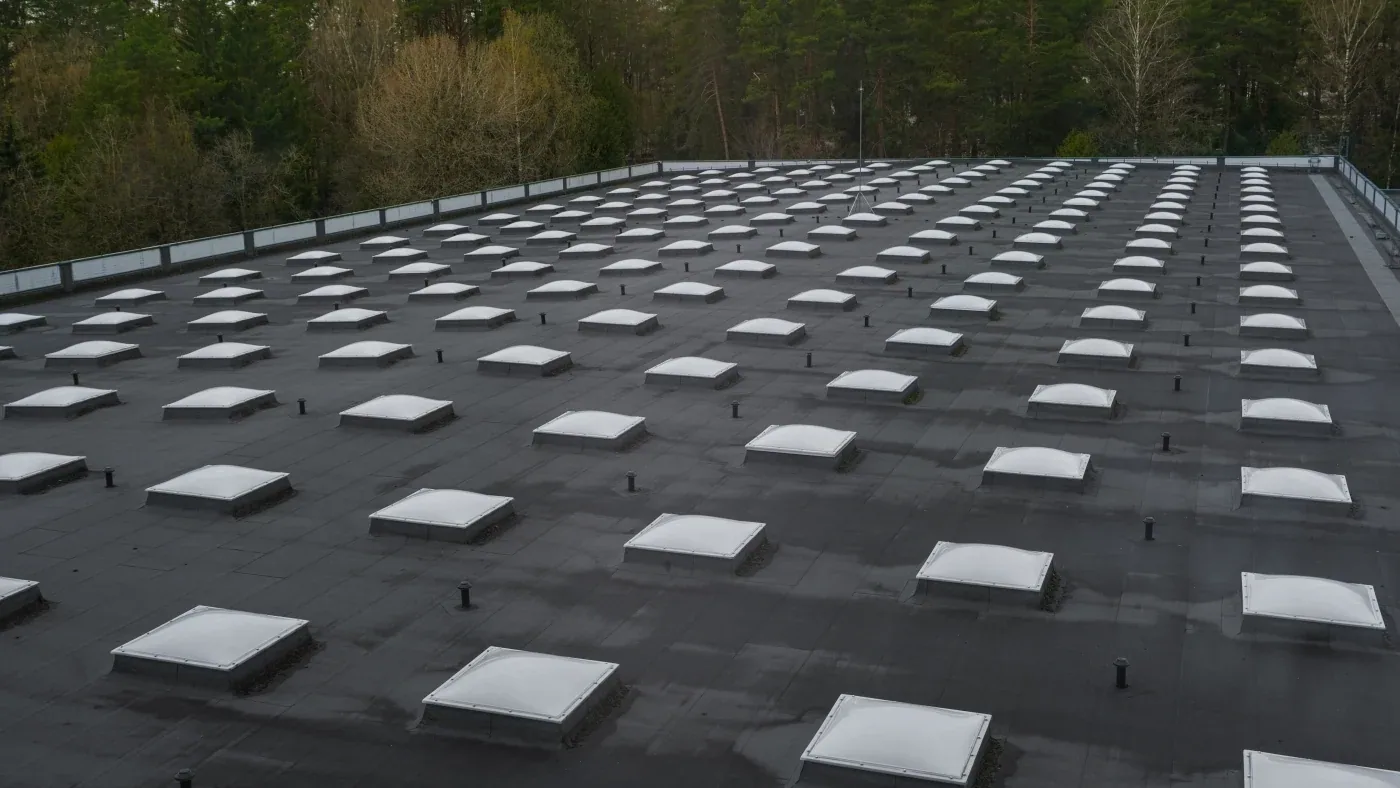
A coating restores a suitable surface; it does not rebuild a failing deck, replace wet insulation by itself or correct a low slope. We mark any areas excluded from the coating and price them as separate work. If a test opening reveals wet material, the boundary expands only as far as evidence requires. The scope then states how the repair ties into dry, sound roofing.
We also explain the maintenance the finished system needs. Drains must remain open, foot traffic must use suitable paths, and later trades need to protect the film when servicing rooftop equipment. A photo set at closeout records coverage, penetrations and drainage points. If the owner needs a portfolio view, roof capital planning can place the restoration beside repairs and future replacement in a building file, with the assumptions visible.
Related Roofing Work
Commercial Roof Inspection
Infrared Moisture Survey
Cedar Hills
Commercial Roof Seam Failure Repair
Review the coating candidate
Place an intake call with the building address, last known leak location and repair history. We inspect the assembly, confirm moisture and adhesion concerns, then send a written scope showing preparation, repairs and finish work.
Questions About Roof Coating Restoration
How do you know if my roof can be coated?
The assembly must be sufficiently dry, attached and compatible with the proposed material. We inspect seams, flashings and drains, then confirm suspected wet areas before drawing a coating boundary. A roof that fails those checks needs repairs or another system, not a cover layer.
Will a coating stop water that is already getting inside?
Only after the entry point and any wet material are addressed. We trace the leak, rebuild failed details and remove wet insulation where needed, then apply coating to the prepared, sound area. The repair record separates that work from the field application.
What changes the price of a restoration?
Preparation and detail count are major drivers. A clean surface with few penetrations takes less work than a roof with loose coating, many curbs, failed seams or wet board to remove. Access, material choice and reinforcement also appear as separate scope lines.
Can coating be installed during Beaverton's rainy months?
The system needs the required dry conditions and cure time. We check the substrate and forecast, then schedule sections for a suitable application window. Temporary protection or repair may be needed while the permanent coating waits.
Does reflective coating reduce heat at every building?
A reflective finish can change solar absorption at the roof surface, but the result depends on the assembly, insulation, equipment and building use. We describe the selected product and the roof conditions; the scope names the product and the roof conditions it rests on.