
Roof Systems
Evaluate spray polyurethane foam roofing in Beaverton, OR for adhesion, moisture, slope, coating condition and penetrations before selecting repairs.
Spray Polyurethane Foam Roofing in Beaverton, OR
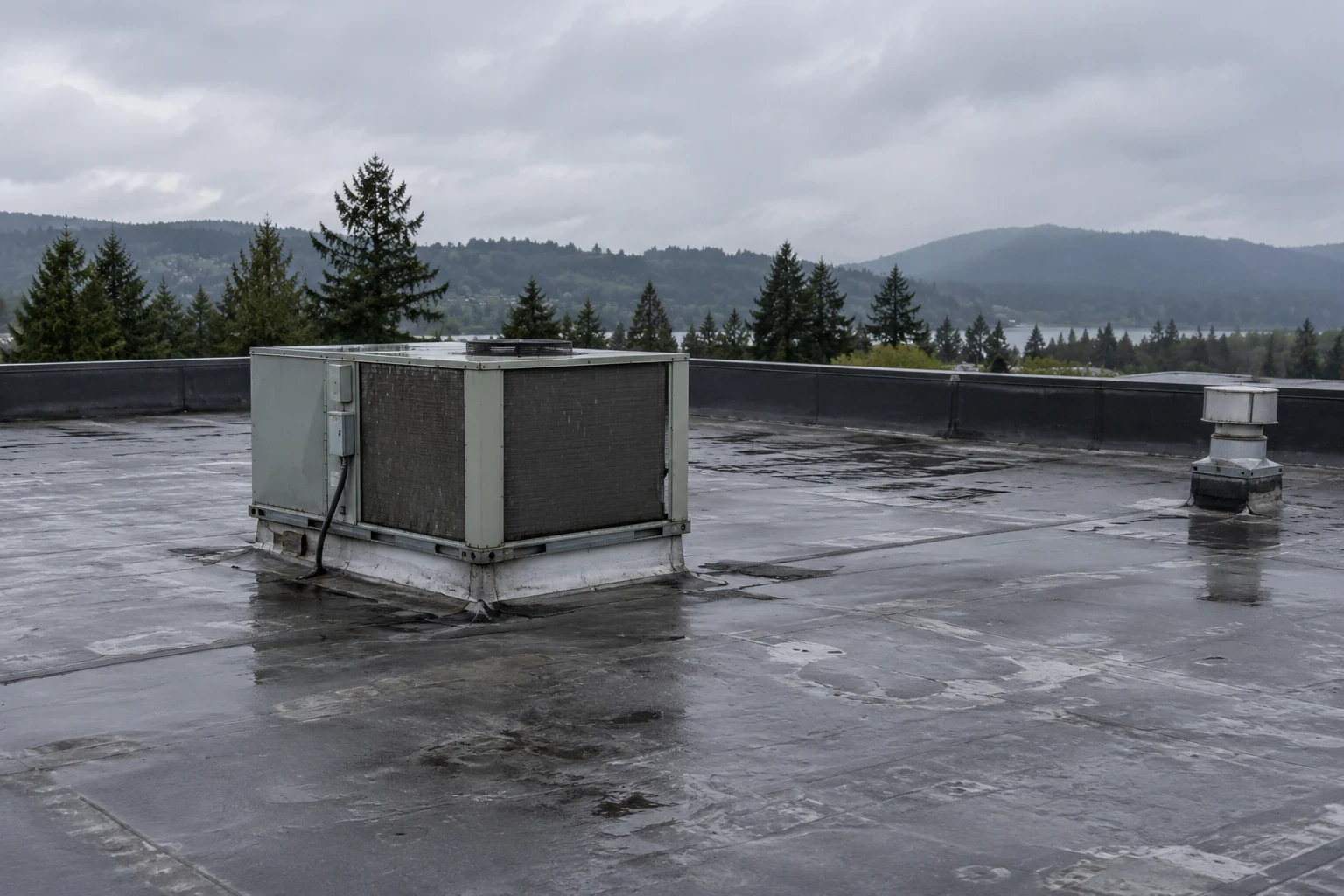
Spray foam rises into a roof assembly that needs a dry, sound base. After a water report in Beaverton, OR, we confirm the room below, record the leak location and make the area safe; then the inspection checks the foam surface, protective coating, drains and penetrations before any material is disturbed. Photos and the leak log go into the building file. The first decision is whether the opening is in the coating, foam, flashing or a separate roof transition.
Hillsboro's North Hillsboro Industrial Area supports large-footprint manufacturing, and data centers have expanded in the city since about 2010, so rooftop access and equipment coordination weigh on any foam scope there. Beaverton's steady wet months also make coating continuity and drainage worth checking. We record what the foam system contains before comparing it with a silicone coating surface.
Check the Protective Surface
Spray polyurethane foam needs protection from ultraviolet exposure and physical damage. We inspect the coating for thin areas, blisters, cracks, punctures, open seams and exposed foam, then check edges and flashings where water can move below the surface. A coating defect does not automatically mean the foam below is wet. We identify the area, test where needed and document what can be confirmed before recommending restoration or replacement.
Rain on roughly 151 days a year makes coating continuity, drain sumps and penetration details a practical inspection set. The roof inspection records the surface condition by area, and a photo report keeps the repaired spots visible for the next roof walk.
Verify Adhesion and Moisture
Foam is sprayed as a liquid that expands and cures into a continuous layer. The installer must apply it to a suitable substrate and build the specified thickness and slope without leaving voids, thin sections or poor adhesion. We inspect transitions, probe suspicious areas where appropriate and use moisture testing when the surface alone cannot answer whether water is present below. A test opening is documented and repaired as part of the scope.
A day like Portland's 116 degrees on June 28, 2021 is hard on a foam roof's protective coating, which keeps coating condition on the inspection list while the actual foam and protective layer are evaluated. If slope or drainage is part of the failure, a drainage correction may be needed before new coating is applied. Wet or poorly bonded foam requires a repair boundary that reaches sound material.
The foam surface should be checked for open cells, cracks, ridges and thin spots before it is recoated. At a parapet or curb, the transition must join the field without a sharp break that leaves a weak coating edge. We mark those details during the walk and specify how the surface will be prepared. A repair that stops at loose coating without reaching sound foam can fail again at the same boundary.
Restore Only Sound Foam
A localized repair can work when the foam remains bonded and dry around the defect. We remove damaged coating and foam to a stable edge, rebuild the surface to the specified contour and restore the protective layer over the repair. The scope shows the boundary and the material used. If moisture has spread, adhesion is poor across broad areas or the deck is affected, the repair may need to expand or become a replacement project.
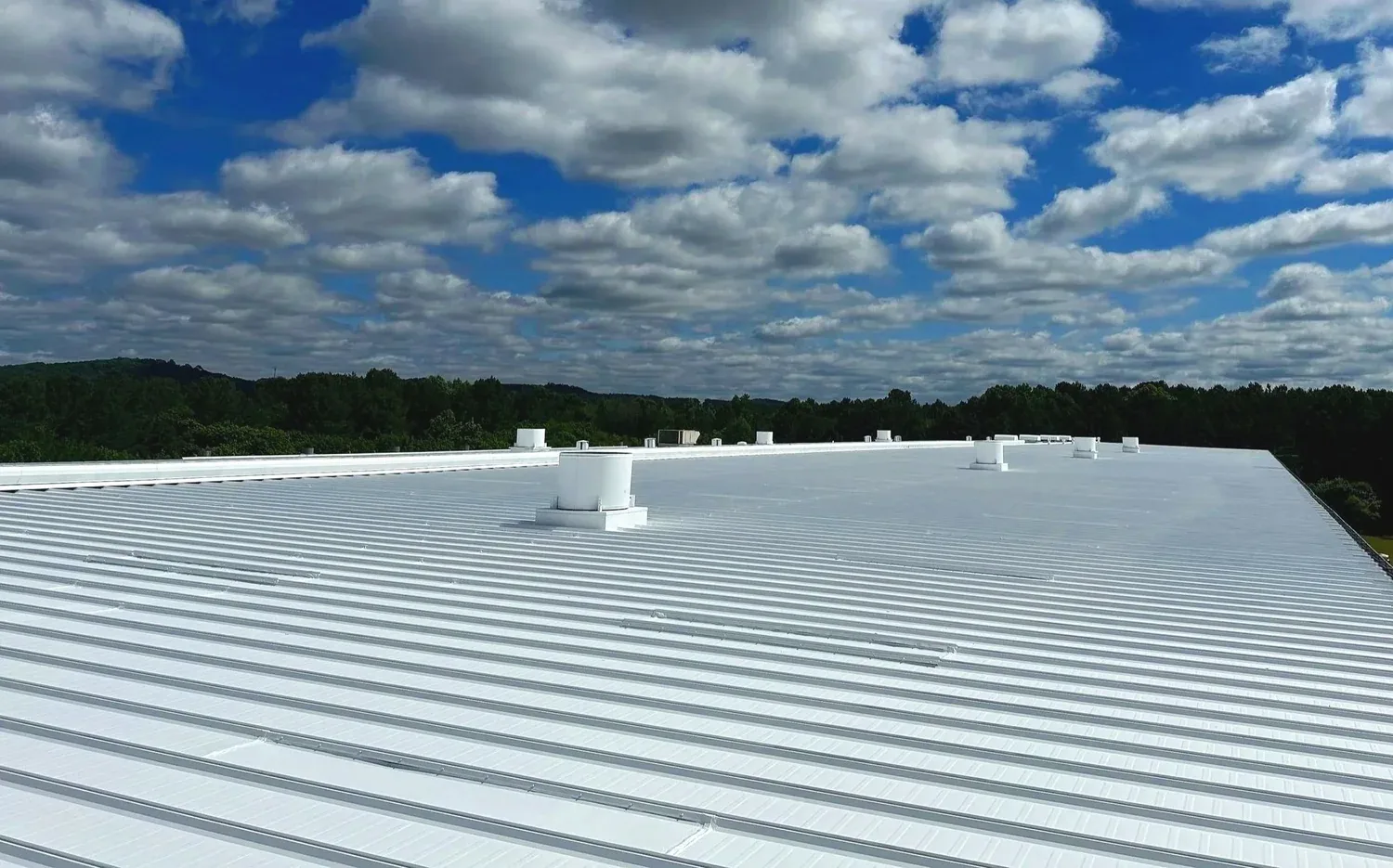
A new coating cannot correct an unresolved leak, trapped moisture or unsupported foam. We identify those conditions before pricing a restoration. The coating restoration scope states required surface preparation, repairs and coating coverage, while a roof repair can address a separate curb or flashing failure. We photograph the repair before coating and again after the protective layer is complete.
Control the Spray Area
Spray work requires access control around the application area, protection for equipment and intakes, and a sequence that leaves a finished surface at the end of the work period. We confirm the substrate, weather conditions and masking needs before spraying. The crew applies the specified foam and protective coating in controlled passes, then checks thickness, transitions and edges against the project detail. The owner receives a record of areas treated and any hold point that remains.
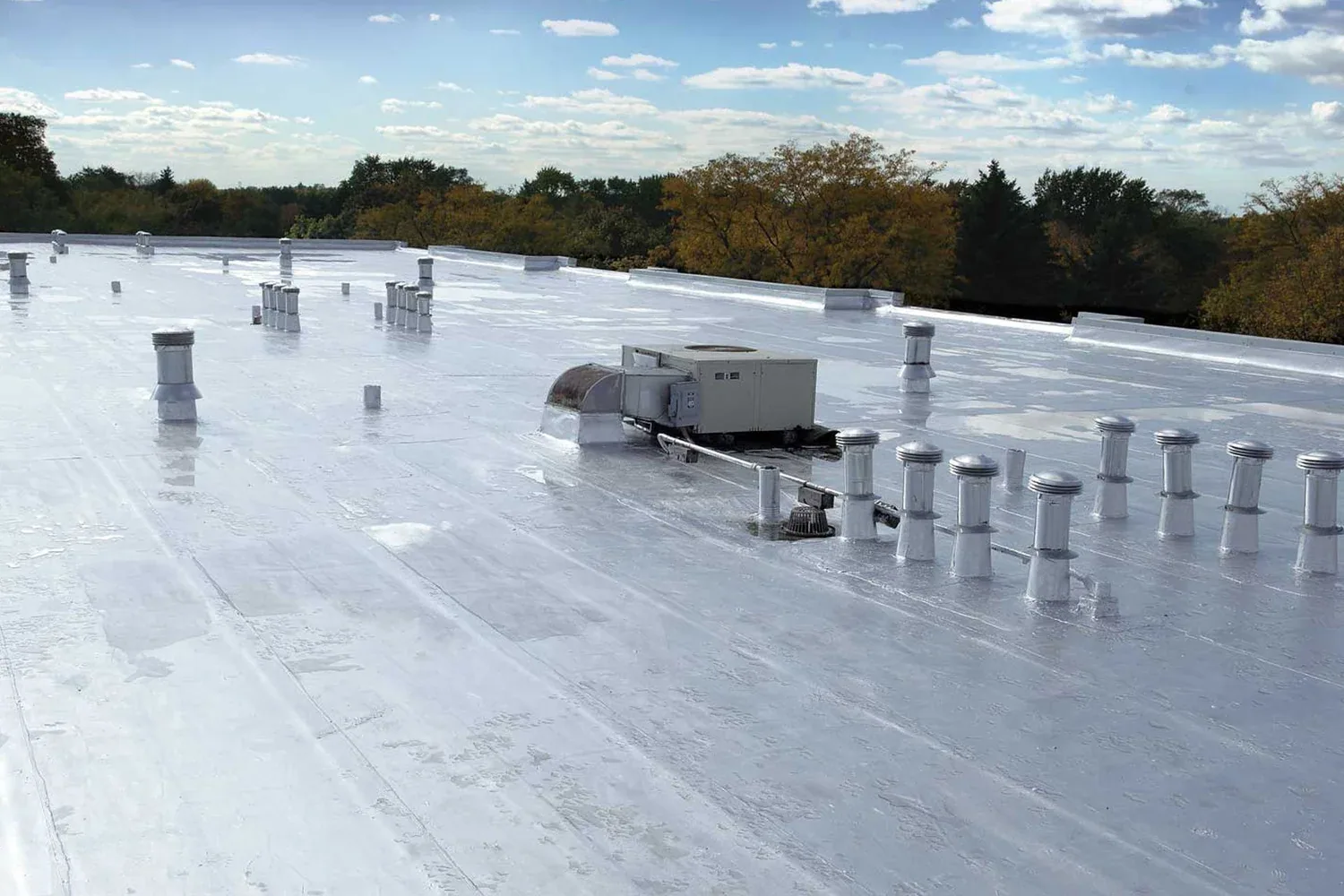
Equipment curbs, pipes and drains interrupt the foam field. A curb and support detail should be checked before the new layer is applied, and drains must remain open through the coating work. On an active facility, we coordinate access and air intake restrictions with the building operator so the spray area is protected. If work stops for rain or substrate moisture, we document the boundary before resuming.
Before application, we protect rooftop equipment, air intakes, access paths and nearby surfaces from overspray. The building operator confirms which units can remain in service and when an intake must be isolated. We keep the application area within the agreed boundary and document the start and stop points. If the substrate is damp or the conditions change, the crew holds at a protected edge until the next suitable application window.
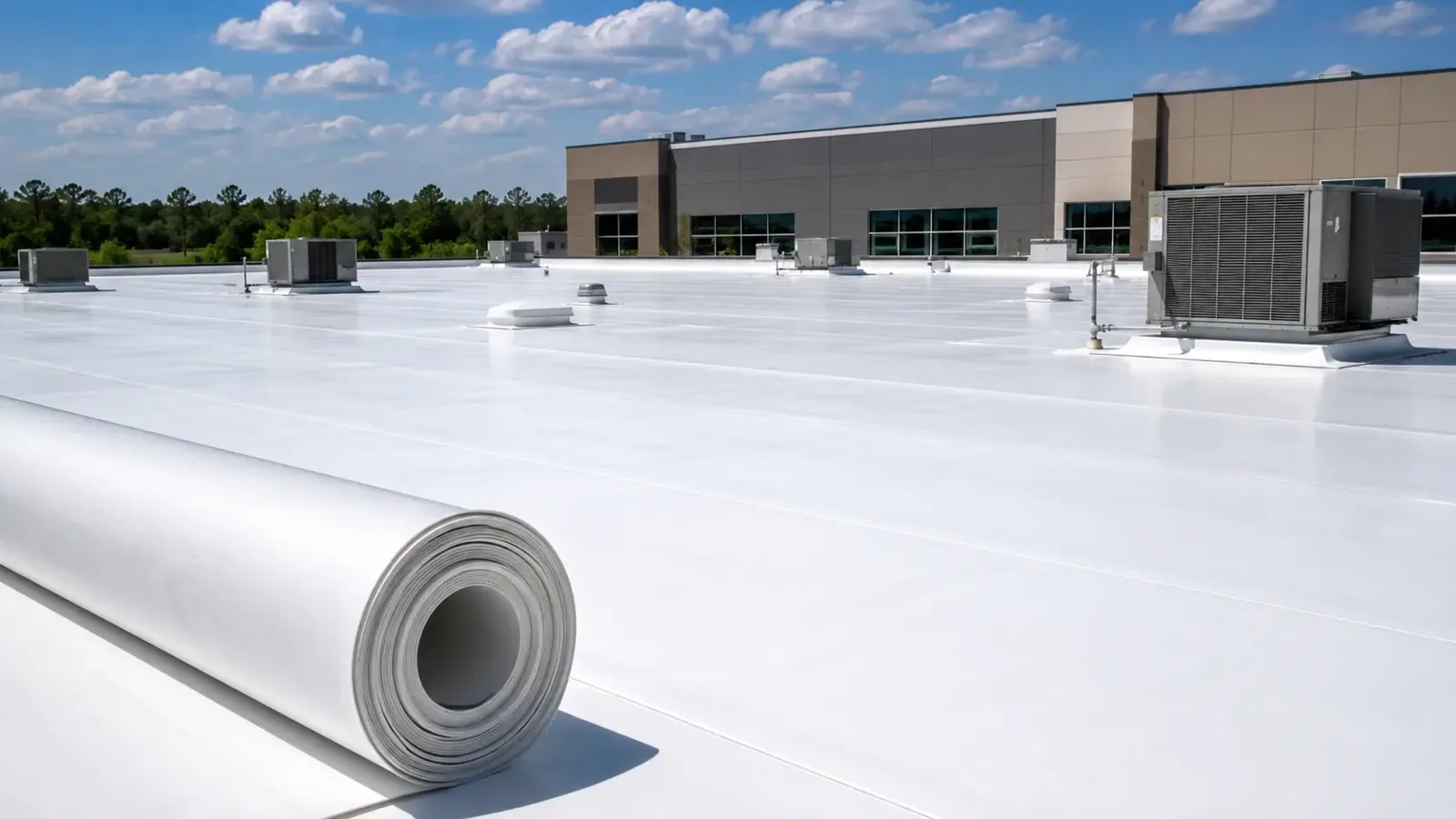
Price the Restoration Boundary
Cost follows foam removal, substrate preparation, new foam thickness, slope corrections, coating type, flashing, drains, masking and access. A small repair to sound foam has different requirements from a full recoat or tear-off. We list the repair areas and any moisture tests in the proposal, then separate coating restoration from deck or drainage work so the owner can compare each scope.
Closeout should include the roof area treated, coating and foam details, thickness checks where specified, photos, drain condition and any maintenance item. The record helps staff identify later coating wear without confusing it with the original leak. A different coating system may be evaluated only when compatible with the existing foam and project requirements. A Beaverton roof visit ends with a written scope sheet covering moisture, foam and coating. Thickness readings, where taken, are logged by roof area.
Related Roofing Work
Silicone Roof Coatings
Commercial Roof Inspection

Commercial Roof Condition Reports
Commercial Roof Drains and Scuppers
Check the Foam and Coating
Place an intake call with the building address and last known leak location. We will arrange a make-safe visit when needed and provide a written scope sheet for moisture, foam and coating repairs.
Questions About Spray Polyurethane Foam Roofing
Can a coating repair fix wet foam?
A coating restores the protective surface; it does not dry or replace wet foam. We test the affected area, remove damaged material where needed and rebuild to a sound boundary before applying a new coating. The report identifies the repair limits and any remaining test need.
How do you know if moisture is under the foam?
We inspect for surface clues and use appropriate testing or a small opening when the condition cannot be confirmed from the top. The report states where testing occurred and what it found. A dry reading in one spot does not establish the condition of the entire roof.
Why does SPF need a top coating?
The foam requires a protective surface to limit ultraviolet exposure and physical damage. We check coating continuity, edges, penetrations and drain details, then price recoat or repair work where the surface has worn or opened. The specified coating must be compatible with the foam.
Can new foam correct ponding?
A foam system can be designed with slope, but the drainage plan must be evaluated before application. We map low areas and drains, then identify whether the substrate, tapered build-up or outlet needs correction. Coating over a blocked sump does not solve the water path.
What belongs in an SPF closeout record?
Keep the treated areas, foam and coating details, repair locations, photos, drain observations and any specified thickness checks together. We note remaining maintenance items so the next inspection can compare coating wear with the condition recorded at closeout.