
Roof Damage Repair
Repair wind-damaged commercial roofs in Beaverton, OR with a documented edge review, temporary protection, membrane checks and a clear repair boundary.
Wind Damage Roof Repair in Beaverton, OR
The first wind report usually gives us a loose edge, a displaced panel or water inside after the weather has passed. In Beaverton, OR, we take the building address, last known leak point and immediate safety concern, then arrange a make-safe visit if the roof is open. We photograph the perimeter, seams and affected interior before moving material. The leak log records what was secured and which area needs a full inspection.
Vancouver, Washington, in the same metro, gets cold east winds down the Columbia River Gorge along with fall-through-spring rain and occasional freezing-rain silver thaw events, so wind, moisture and temperature compound on roofs here. We look for the actual failure path, then put repair, recover or replacement options on a scope sheet instead of treating a detached edge as proof of whole-roof failure.
Start at the Edge
Wind can lift a perimeter detail, loosen fasteners, open a seam or move metal at a corner. We inspect coping, edge metal, flashings, termination bars and the field just inside each affected boundary. A missing piece is photographed in place if it is safe to do so, and the remaining attachment is checked before a repair limit is chosen. The roof plan marks every observed section, not only the spot that called attention first.
After a wind event, water can follow an opened edge through a wet season of rain on roughly 151 days a year, and it travels before it appears indoors. Our hands-on inspection pairs the roof detail with the leak location. A storm-damage review can then separate a new opening from an older condition in the building file. On a roof in Tigard or Cedar Hills, edge metal and corner flashing are checked first, since a lifted corner is where wind usually gets under a sheet.
Trace the Pressure Path
We follow the affected area from corner and perimeter into the roof field, checking attachment, seams, penetrations and changes in height. A loose edge may be isolated, or it may connect to a larger attachment problem. The evidence determines which. We record lifted membrane, displaced metal, torn flashing and wet insulation as separate findings so a repair estimate does not mix visible damage with a concealed condition still needing verification.
For a standing-seam roof, panel clips and seams move differently from a single-ply membrane. We note the system and fastener pattern before planning a tie-in. A standing-seam metal roof review helps keep panel repairs distinct from membrane work. If an opening crosses into a seam or curb, the seam failure check and flashing repair review follow the same marked boundary.
Protect the Interior First
If water is active, we set a safe temporary measure before pricing permanent work. A tarp or temporary seal is placed only where access and conditions allow, and the interior contact receives a record of what remains protected. We do not cover a wet roof detail and call it repaired. The next dry window is used to inspect the substrate, verify the attachment and complete a compatible repair.
Beaverton's wet stretch can leave limited time between showers for opening an assembly. We identify areas that need dry conditions and close each shift with a secured termination. If wind displaced equipment screens, metal or roofing, those items receive separate inspection notes. Emergency roof response is available day or night, holidays included, with the written scope for permanent work coming after the make-safe visit.
Set the Repair Boundary
A repair fits when the damage has a defined edge and the material beyond it remains attached and suitable for a tie-in. We remove loose or torn roofing to sound material, check insulation and deck at approved openings, then rebuild the edge, seam or flashing. Repeated failures, broad wet layers or widespread loss of attachment can move the recommendation toward recovery or replacement. The replacement assessment uses the same roof areas so the options stay comparable.
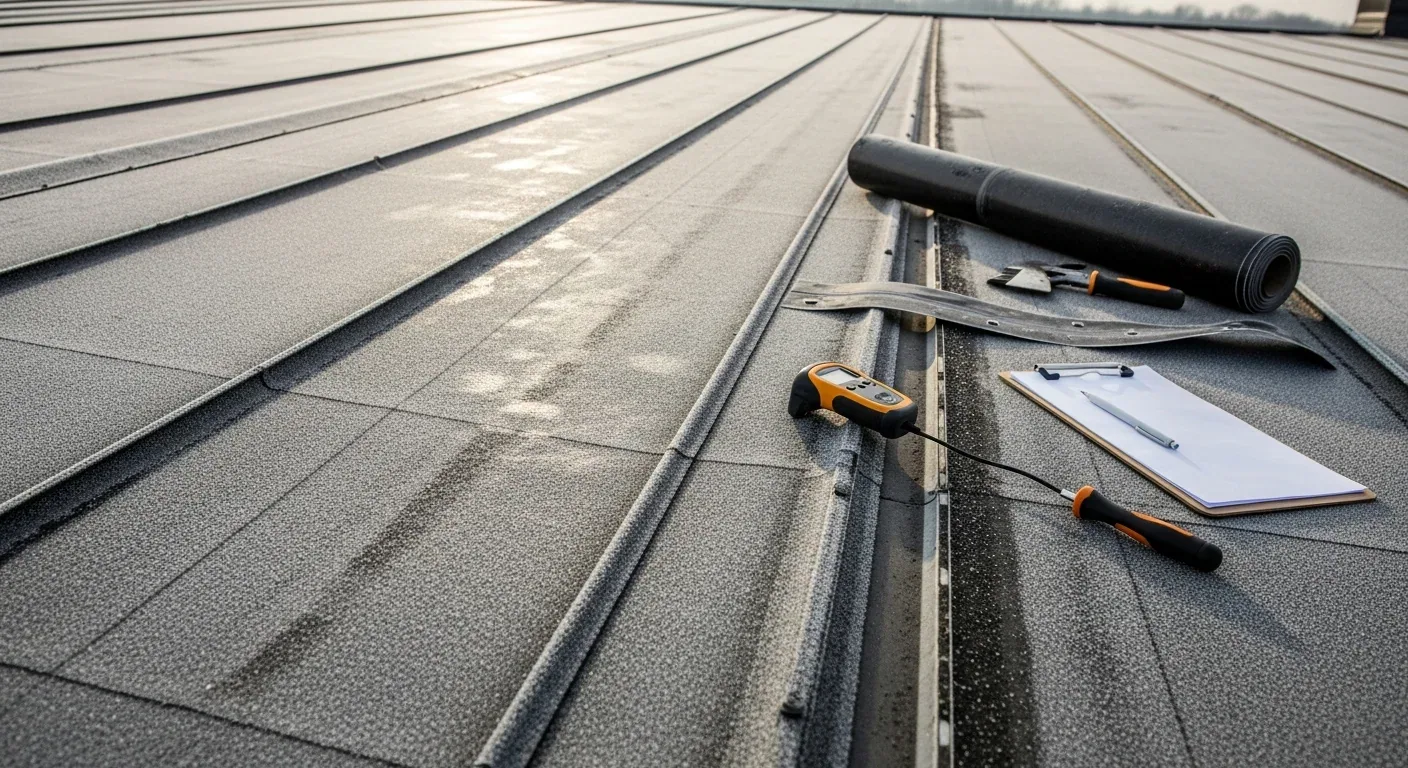
A recover can retain existing layers only if attachment, drainage and project requirements allow it. The scope states which parts remain, what gets removed, and how perimeter metal and penetrations will be rebuilt. For punctures or impact openings away from the edge, a membrane puncture repair may be a separate line. We list test needs, deck work, insulation, membrane and metal separately rather than treating a wind claim as one unmeasured area. The photographs show the edge before and after, with a tape or scale in frame so the lifted length can be measured later.
Keep the Work Window Usable
Repair timing depends on access, material delivery, roof height, lift placement, the size of the opening and the next safe period for dry-in. Loading access and site rules determine where material can move. We coordinate the roof-entry route and any tenant protection before the crew arrives.
For occupied buildings, the daily plan names the roof zone, interior protection and closeout time. If rain or another wind event changes the sequence, we record the temporary boundary and next visit. A repair may be completed in one window, while attachment testing, metal fabrication or a larger reroof can need separate phases. The schedule sheet tells the property team which areas are secure and which still need inspection.
Carry the Weather Record Forward
Closeout includes dated photos, a marked plan, repaired details, material notes, attachment findings and any area left for monitoring. We note whether the edge, field seam or penetration was repaired and what evidence supports the boundary. A Beaverton roof visit begins with the building address and leak location, then adds new observations to the same building file. That comparison helps distinguish a repeat failure from damage at a different detail.
For wind-related water, place an intake call with the address, date noticed, affected room and visible roof concern. When water is active a make-safe visit comes first, and the written scope sheet separates temporary protection, confirmed repair and further testing. The next recommendation follows the roof condition on site, with the repair-or-replace threshold tied to recorded attachment, moisture and detail findings.
Related Roofing Work
Commercial Roof Inspection
Storm Damage Roof Repair
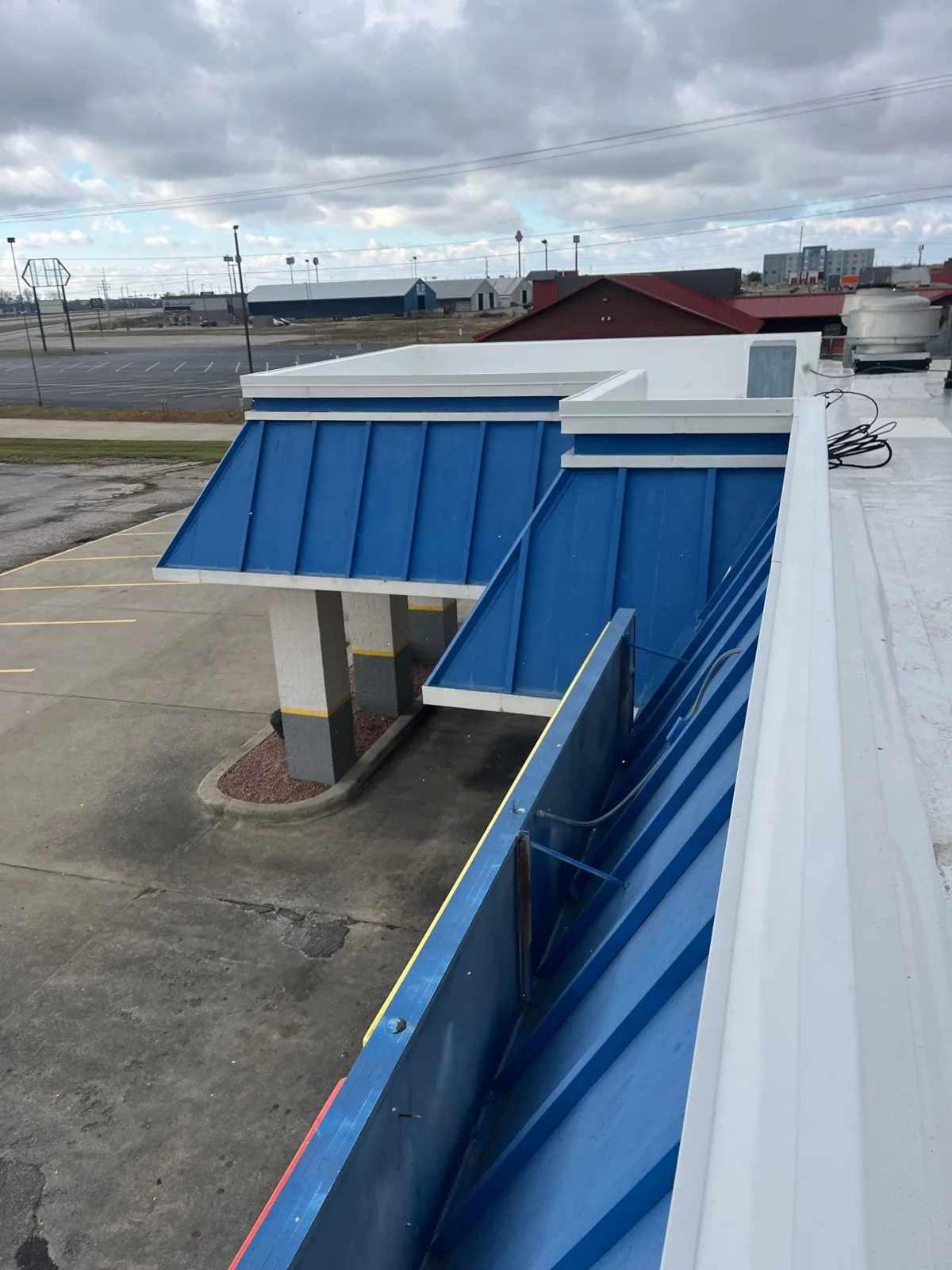
Standing Seam Metal Roofing
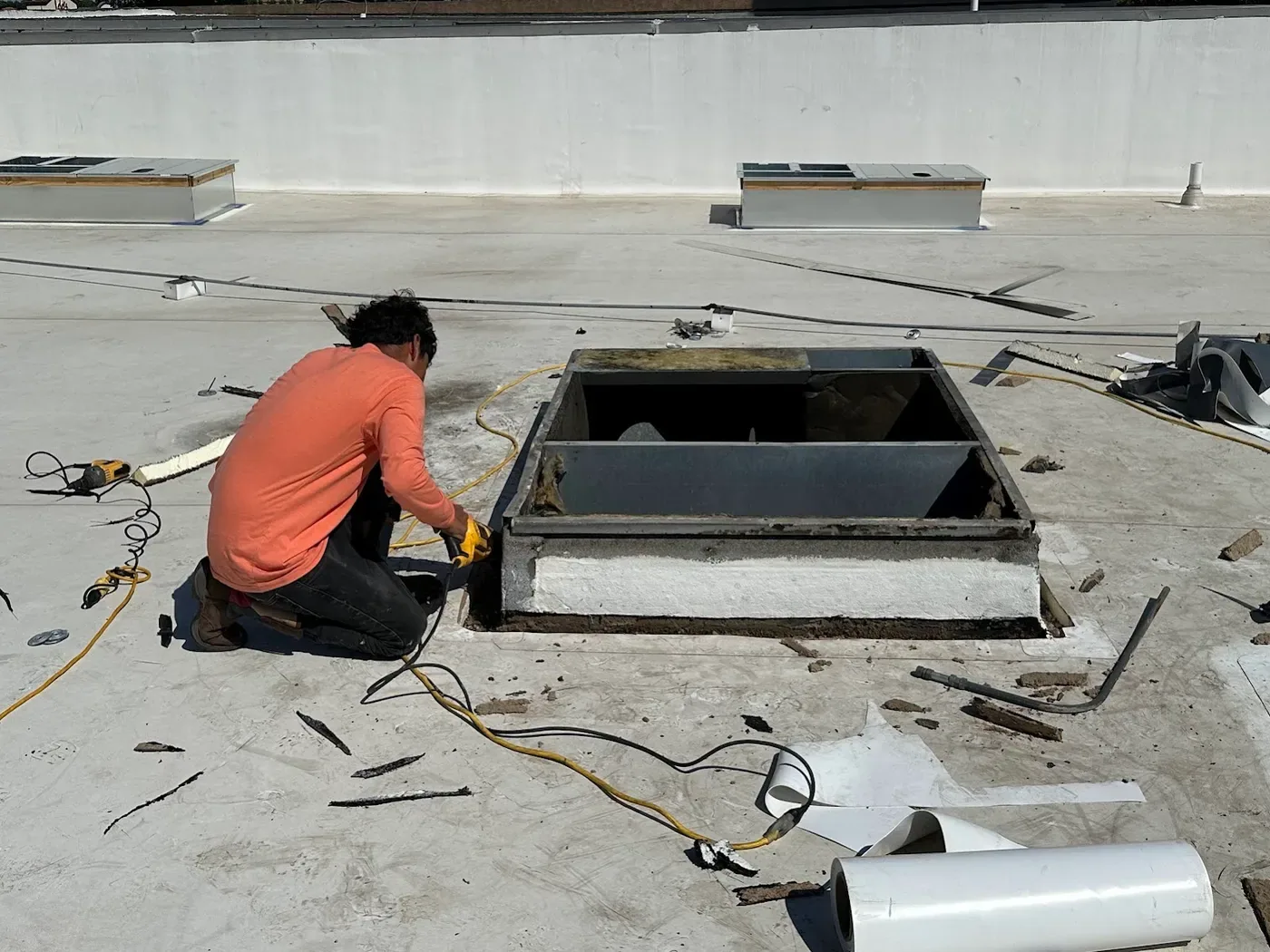
Commercial Roof Seam Failure Repair
Document the Wind-Damaged Area
Place an intake call with the building address, affected room, last known leak point and visible roof concern. We arrange a make-safe visit when needed, then provide a written scope sheet with the repair boundary and next dry-window work.
Questions About Wind Damage Roof Repair
What should we do after finding loose roofing or metal?
Keep people clear of the affected area and report active water, loose material and the last known leak point. We arrange a make-safe visit, photograph the roof where safe, and identify what must be secured before a permanent repair can be scoped.
Does a lifted edge mean the whole roof needs replacement?
The perimeter is only one part of the inspection. We check attachment, seams, penetrations and insulation around the opening, then mark whether the damage stops at a sound boundary or continues into other zones.
Can temporary protection stay in place until the next dry period?
A temporary seal or cover can protect an opening when it is installed safely and checked against the conditions. We record its limits and return to verify the substrate and complete a permanent tie-in when the work surface is suitable.
How do you distinguish wind damage from an older roof problem?
Dated photos, prior repair notes, material displacement and the condition of adjacent attachment help establish what changed. We list visible new damage separately from older or concealed findings, and state where testing is needed.
What goes into the final wind-damage scope?
The scope shows the roof boundary, photos, material and metal work, insulation or deck findings, access assumptions and any test needed. It also records temporary protection and the area that remains on the next inspection list.