
Commercial Roofing Services
Roof claim assistance in Beaverton, OR organizes dated photos, roof findings and repair scopes into a clear record the owner can share with an adjuster.
Roof Insurance Claim Assistance in Beaverton, OR
A claim file begins with the first report time, the interior location and the condition of the roof before temporary work changes it. We document the visible damage, protect the building where needed and keep temporary measures separate from permanent repairs. In Beaverton, OR, rain falls across roughly 151 days each year, so a make-safe visit may come before the roof is dry enough for a final scope. The owner receives a dated record of what was observed and what remains to be checked.
We prepare roof documentation and coordinate the roofing scope with the property contact. We do not decide coverage or promise an insurer's outcome. Our roof claim assistance gives the owner a clear set of photographs, marked locations and repair information to share with the adjuster.
Capture the First Conditions
Before cleanup or a tarp changes the scene, we record the interior ceiling, affected equipment or contents, and the reported time and weather conditions supplied by the owner. On the roof, we photograph visible openings, lifted edges, punctures, damaged flashings and drainage conditions. Each image is labeled with its location so the owner can connect an interior stain to the area inspected above it.
Safety and water control still come first. If water is active, we arrange a make-safe visit when site and weather conditions permit, then identify the temporary boundary and the next inspection step. A dry-in can reduce further exposure, but the record labels it temporary until a permanent repair is completed. If the opening is not obvious, a leak investigation traces the path from inside to the roof rather than assuming the stain marks the entry point.
At properties around Downtown Beaverton or the Cedar Hills commercial area, roof access may depend on tenant, facility or loading schedules. We record the access constraints and any areas that could not be inspected, so the file shows the limits of the visit instead of leaving the reader to guess.
Separate Observation From Conclusion
A roof photograph shows a condition at a time and place; it does not by itself determine why that condition occurred or whether it is covered. We describe what is visible, such as an open lap, punctured membrane, displaced edge metal or wet insulation. If the cause is uncertain, we say what testing or follow-up could narrow it. That separation keeps the building record useful to the owner, adjuster and repair team.
We compare the reported event date with prior maintenance entries and repair photographs where available. A seam that was already open in an earlier file is not described as new storm damage. A new puncture adjacent to a documented rooftop service area is still recorded as a roof condition, while the cause remains a question unless the evidence establishes it. The inspection report can include a marked roof plan and numbered observations for that comparison.
Access and tenant coordination differ between a mixed-use building like the Round at Beaverton Central and a big-box center like Cedar Hills Crossing, and every claim packet stays tied to the property inspected and the evidence collected there.
Assemble a Usable Packet
The packet can include dated roof and interior photographs, a marked plan, moisture observations, the make-safe work record, an itemized repair scope and a list of open questions. We keep temporary protection apart from permanent work and identify any materials removed for inspection. A property manager can review the sequence before sending the documents to an insurer, keeping ownership of the submission and any claim statements.
Our roof condition report can organize the inspection findings, while a storm repair scope describes the work required to restore the roof. If the assessment reveals opened flashings, the proposed flashing repair is linked to the photographed location. If a broader leak path remains, we list the follow-up test separately rather than burying it in the repair price.
The file also notes what was not visible or accessible. A ceiling cavity that could not be opened, an unsafe roof area or a component hidden by equipment becomes a follow-up item. The adjuster can then see which parts of the roof were inspected and which require another visit. That is more useful than a packet that implies a complete conclusion from partial access.
Keep Repairs and Claim Work Aligned
Roof repairs should protect the building while preserving a clear record of the work. We photograph the condition before opening a repair area, note the material removed, and document the completed tie-in. If wet insulation extends beyond the first opening, we mark the added boundary and explain why the scope changed. The updated packet goes to the owner for review before any revised work is treated as approved.
Portland's record 116-degree day in June 2021 shows the heat that exposed roof surfaces can take, and Beaverton's wet months make dry conditions important for repairs. We inspect the roof assembly, compare the reported timing and list only conditions that the field record supports. A permanent repair follows the system's material requirements and the agreed scope.
Where a building is occupied, we coordinate roof access, deliveries, equipment shutdowns and tenant notice. The job file records the agreed work area and return visit, which keeps repair activity connected to the claim documentation without implying that the insurer directed the roofing scope.
Leave the Decision With the Owner
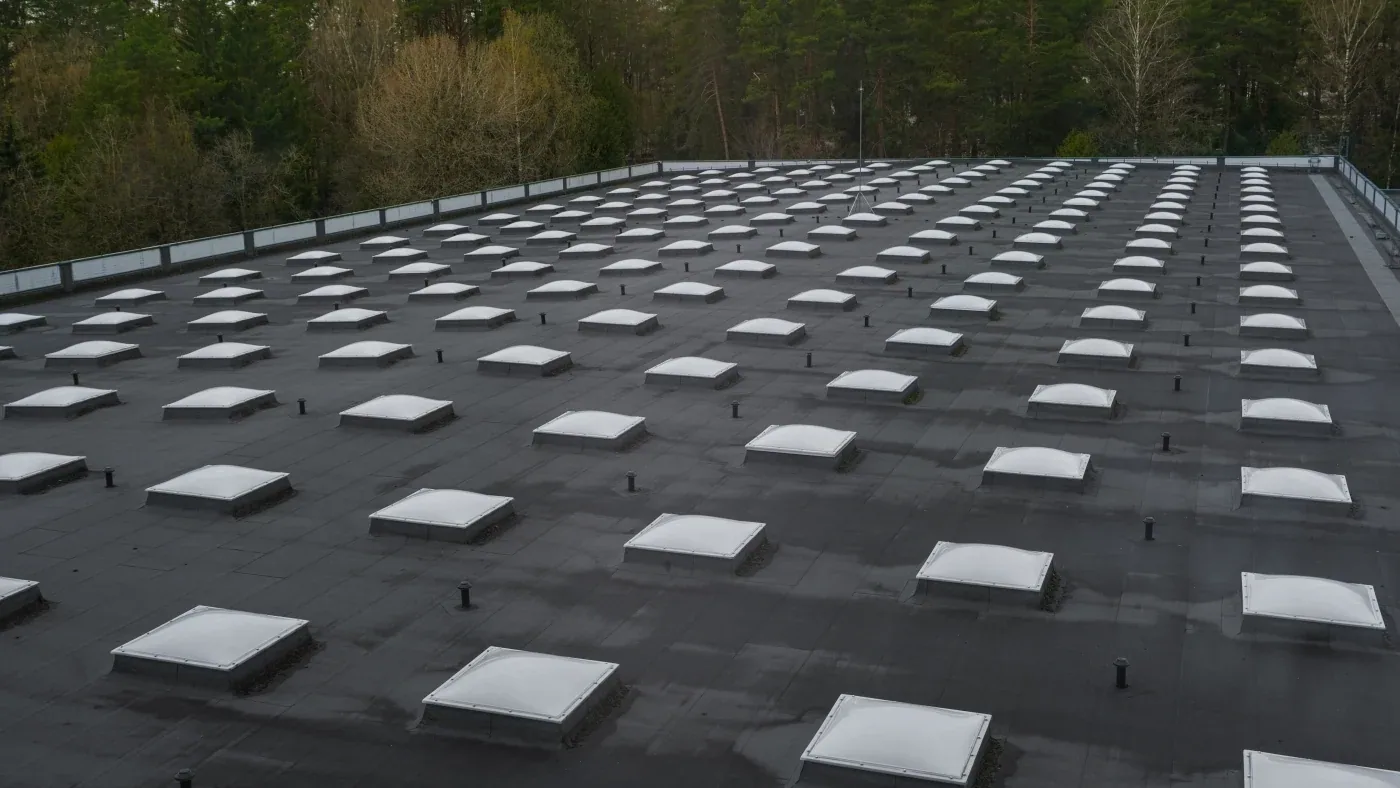
Before closeout, we review the packet with the property contact: which conditions were observed, which repairs were completed, which are temporary and what still needs inspection. The owner decides what to submit and how to respond to the insurer. We can answer questions about the roof scope and provide the supporting photographs or measurements from our work.
Long wet periods can make timing difficult, especially when a temporary dry-in must remain until the substrate is suitable for permanent work. The building file states the current protection, its limits and the planned return. A capital plan can carry unrelated maintenance or replacement needs separately from the claim repair, so one urgent event does not erase the roof's broader condition record.
For an intake call, provide the address, last known leak location, date reported and any access restrictions. We arrange the roof visit and return a photo set with a written scope sheet for the owner to review.
Related Roofing Work
Emergency Roof Repair
Commercial Roof Leak Repair
Cedar Hills
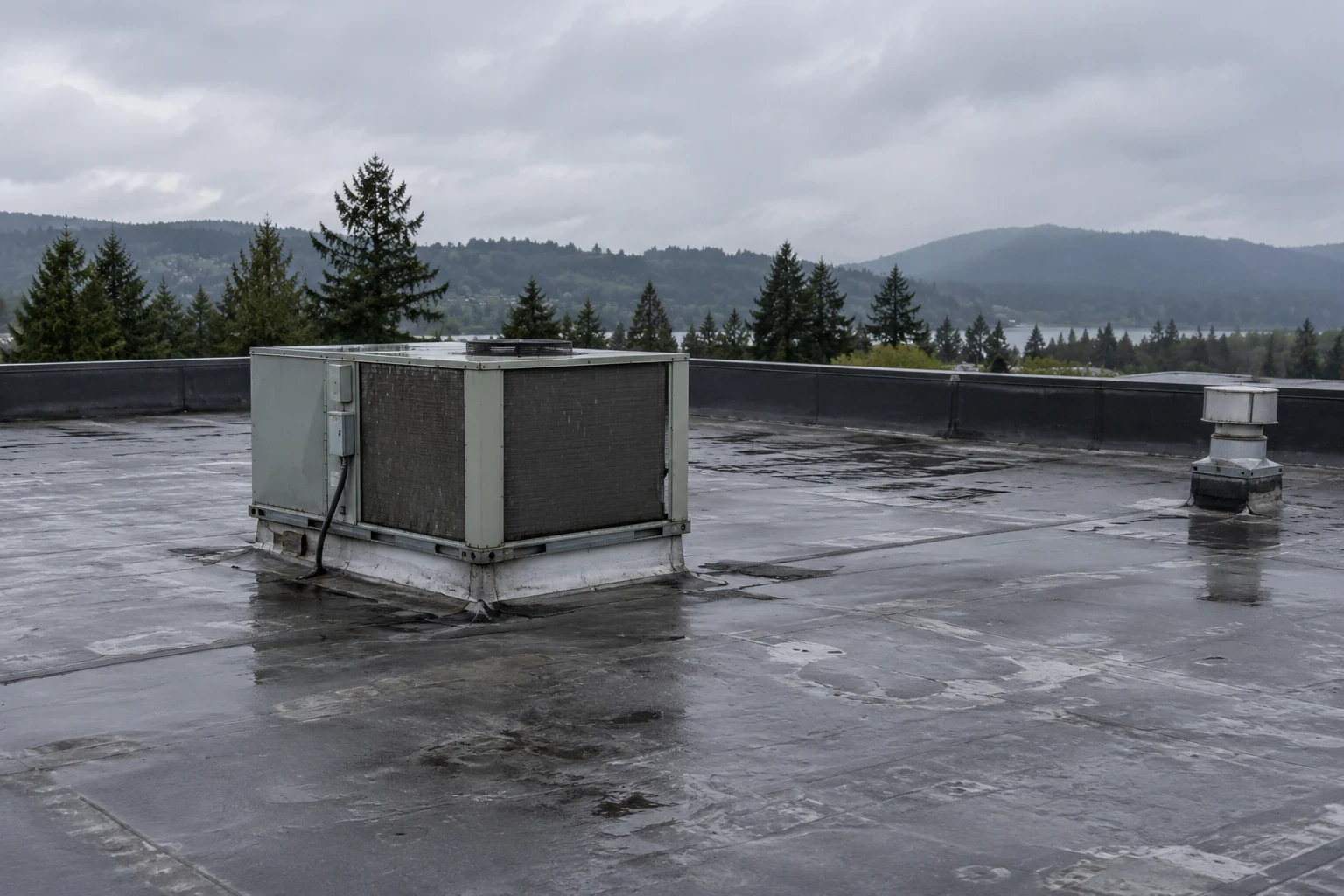
Commercial Roof Inspection
Organize the roof record
Place an intake call with the building address, last known leak location, reported date and access limits. We document visible conditions, make-safe work and the separate permanent scope for your review.
Questions About Roof Insurance Claim Assistance
Can a roofer tell me whether the insurer will pay?
No. The insurer makes the coverage decision. We document roof conditions, photographs, repair needs and the work performed so the owner has a clear record to submit and discuss with the adjuster.
What should I document before temporary protection goes on?
Photograph the interior location and visible roof conditions when it is safe to do so. Note when water was first reported and what has already been moved or protected. We add the roof plan location and describe the dry-in separately from permanent work.
How do you handle damage that may have started before the storm?
We compare current observations with earlier repair records and state what the evidence shows. If timing or cause remains uncertain, the packet identifies that gap and the additional inspection needed rather than assigning a cause without support.
Will the claim packet include the repair price?
The roof scope can list the proposed work and its cost separately from temporary protection and inspection. The owner can share those documents with the adjuster, then authorize roofing work under the agreed scope.
What if the roof cannot be permanently repaired right away?
We record the make-safe work, its limits and the condition required for a permanent repair. The file shows the next visit and any area that needs continued monitoring while the roof remains protected.