
Roof Damage Repair
Resolve commercial roof ponding in Beaverton, OR with outlet checks, measured low areas, membrane inspection and a documented drainage repair scope.
Ponding Water Roof Repair in Beaverton, OR
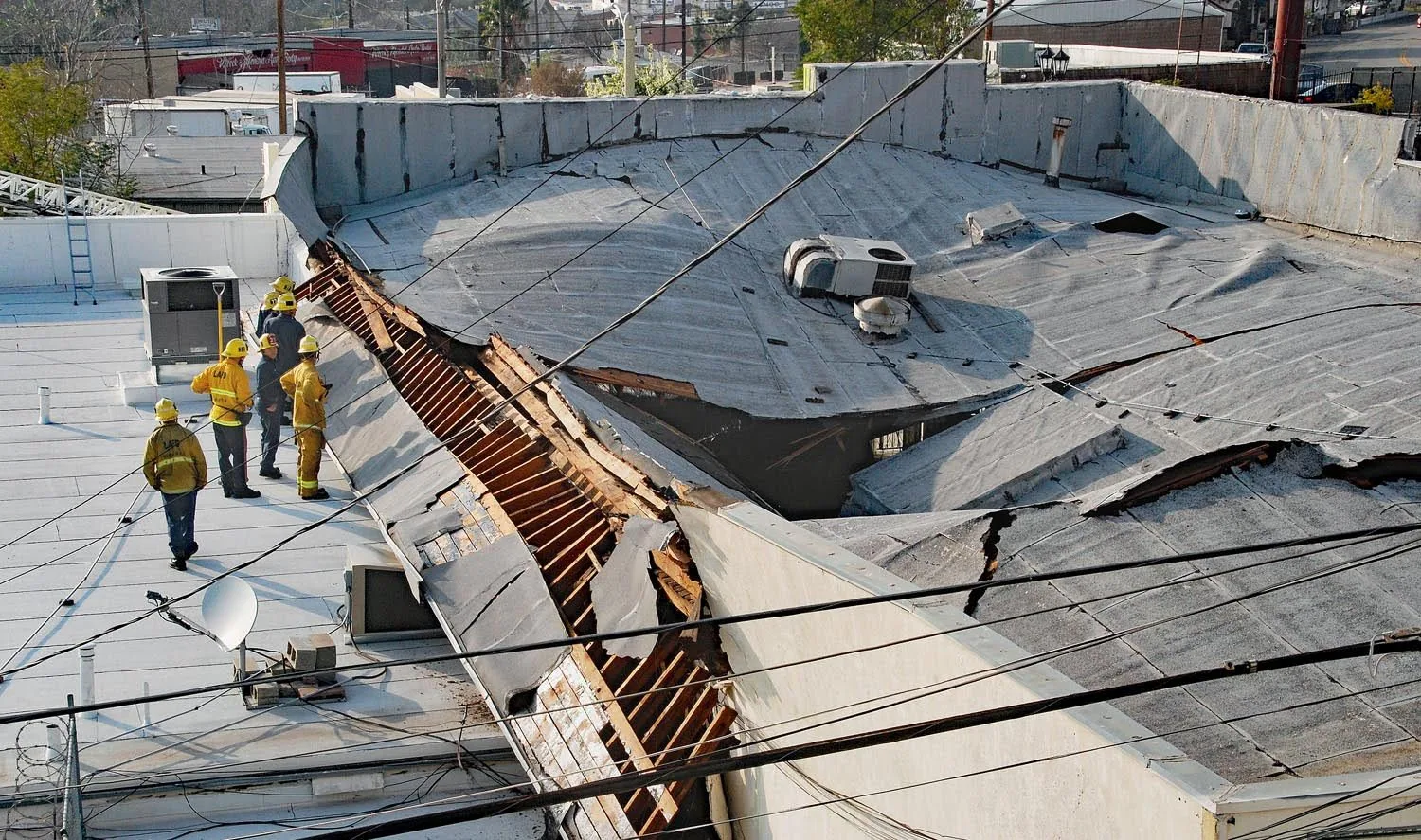
A shallow pond left after the rain has cleared deserves a location and a drawdown check before anyone prices a roof repair. In Beaverton, OR, we note the roof zone, nearby outlet and how long water remains, then compare those observations with the building's leak log. A photo set records the water line before cleaning or repair changes it. That record separates a blocked drain from a low area that needs a broader correction.
Rain falls on roughly 151 days a year in Beaverton, and Portland Airport adds some 36.9 inches over 157 days with about 32 nights at or below freezing. Drainage, membrane details and freeze exposure belong in the inspection, and the recommendation follows the roof in front of us.
Read the Water Line
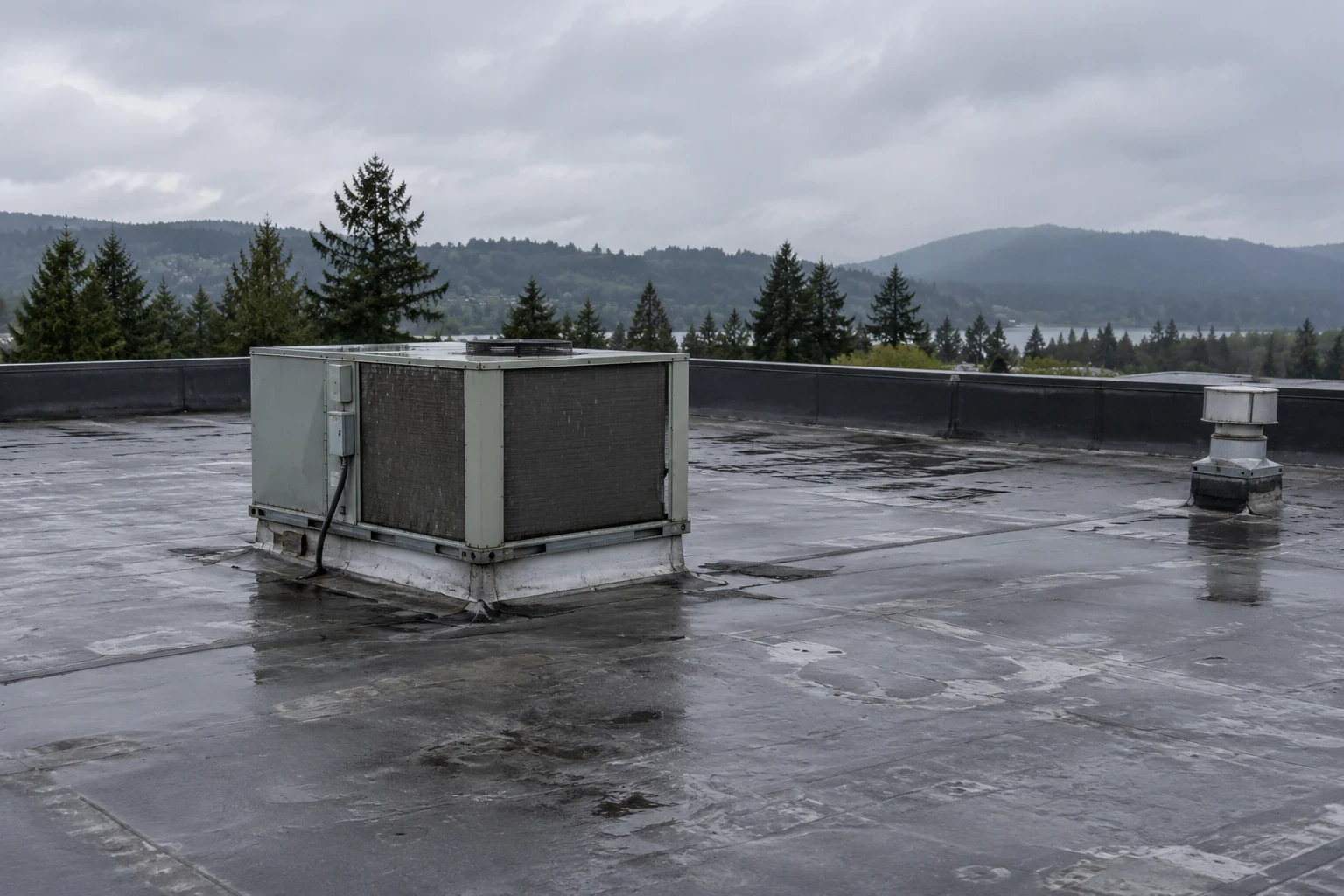
We mark the pond perimeter, note depth and estimate how long it remains after rain stops. Then we inspect the drain bowl, strainer, leader, scupper and route toward the outlet. Debris or a blocked leader can slow drainage; a deflected deck, uneven insulation or settled support can leave water even when the drain is clear. We record which condition is visible and which needs a test or design review.
Beaverton's wettest months are November, December and January. Repeated water at a seam or curb can expose a small weakness over successive storms, so the pond outline goes beside the membrane findings on a hands-on inspection. A condition report shows the outlet, low point and nearby detail, giving facilities a location to compare on the next visit.
Clear the Outlet First
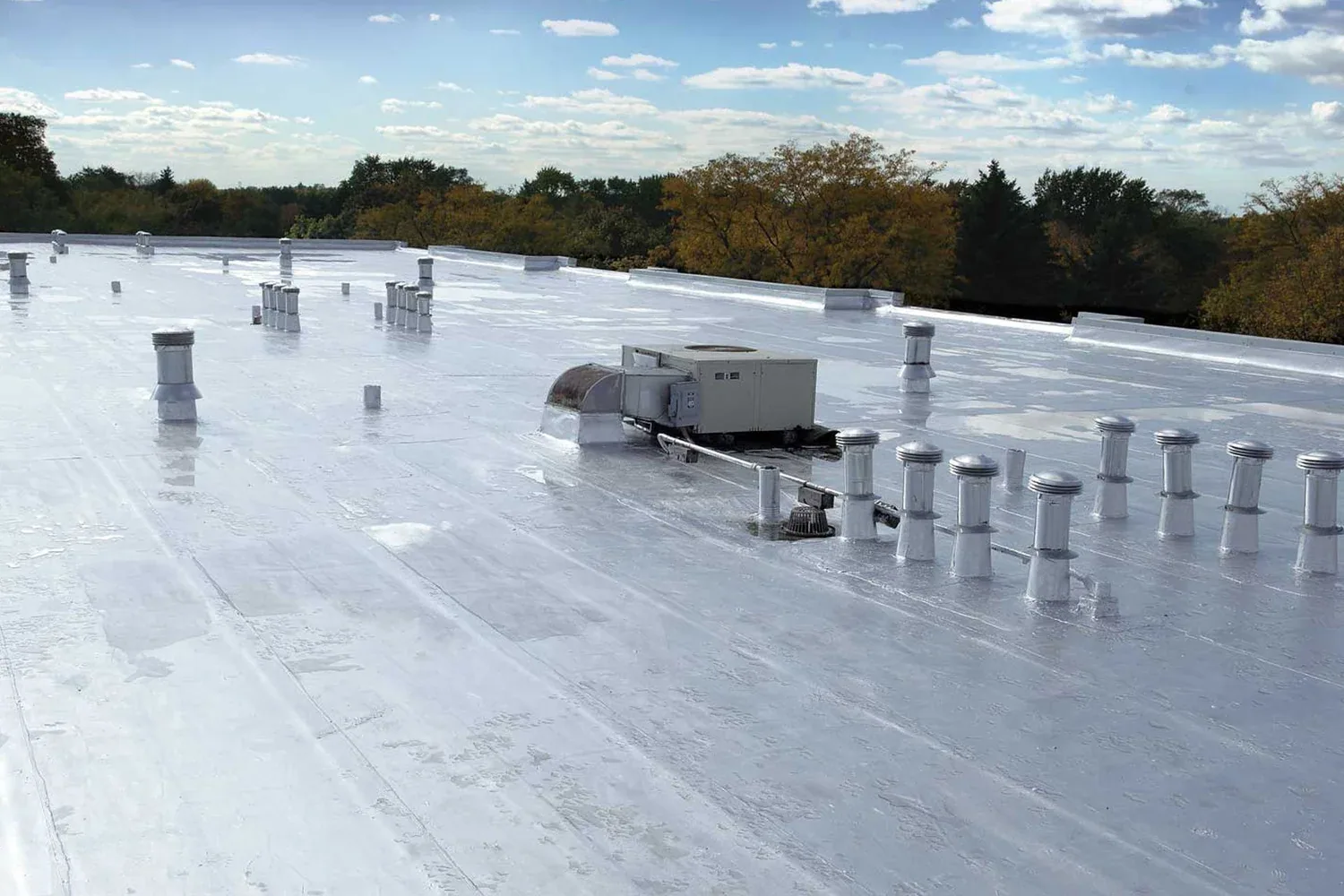
Before changing slope, we check whether the outlet can pass water. A strainer loaded with leaves, a restricted throat or a leader that does not draw down can make a roof appear to have a larger drainage problem. We record the condition before clearing it, then observe whether the water begins to move. If a low area remains, the report keeps that finding separate from the obstruction.
A drain that clears slowly can leave water against membrane seams as temperatures cycle, while ice at an outlet can slow drawdown, so we inspect the bowl, surrounding flashing and field. A drain and scupper service documents what was opened, cleaned or referred for correction. We note the next check after the outlet is usable. A strainer cleared in the first minutes of a visit is photographed before and after, and the time water takes to leave the pond is logged.
Check the Membrane Beside the Low
Standing water can hide a seam split, patch edge or flashing defect, but the water itself does not establish a leak. We inspect the membrane after the area is safe to reach, check nearby laps and penetrations, and mark any soft or suspect insulation for approved testing. If a ceiling report exists, we compare its timing and room location with the drainage map. The resulting leak log distinguishes a ponding condition from confirmed water entry.
When a termination is open, the flashing repair review follows the wall or curb transition. A seam that has separated receives a seam failure assessment. We identify whether each issue is a local tie-in or part of a larger low area, rather than using a coating or patch to hide a drainage condition.
Correct the Low Area
Once the outlet works, a persistent pond may need a correction to the roof slope, insulation layout or drain location. We mark its limits and check the surrounding assembly before proposing that work. A localized correction may use tapered insulation or a redesigned drainage route, subject to the roof structure and project review. The scope identifies what needs design input and what can be handled as maintenance or repair.
Beaverton receives much of its annual precipitation across wet months. For a roof that retains water, the decision should account for repeated exposure at laps, curbs, and patches as well as the amount of water remaining. A coating restoration review is considered only after substrate and drainage conditions are suitable; a coating does not correct a low deck. If moisture extends below the membrane, we compare repair, recover and replacement scope by the same marked areas. We also look at how the roof drains to adjacent bowls and whether a curb, wall or mechanical platform redirects runoff. That distinction matters: changing one outlet does not correct a low slope across a larger field, and adding material at a single spot can redirect water toward another detail. The scope records which condition is confirmed and which requires design input.
Sequence the Work Around Dry Conditions
Work timing follows water drawdown, substrate dryness, access, material delivery and any room that must remain protected. We identify the zone that can be opened and closed during one shift, then set a dry-in point and return step. If rain arrives before a permanent tie-in is ready, temporary protection and the remaining detail go into the daily record. A drain correction may need a separate phase from membrane repair.
On a roof in Hillsboro or Tigard the building's loading route and roof access set the actual plan. We confirm staging with the property contact, then photograph the outlet before and after work. The scope notes the drainage check that should be repeated after the next rain, so water movement is reviewed rather than assumed.
Track the Next Storm
Closeout includes dated photos of the outlet and low area, a roof plan with the pond boundary, drain findings, membrane repairs and any remaining monitoring item. We state what was cleaned, rebuilt or referred for design review. A later visit can compare water depth and drawdown at the same location. If the pond returns, the building file shows whether the outlet, low area or adjacent membrane changed.
Place an intake call with the address, roof zone, last rain date and any interior leak location. Where water is active, the make-safe visit comes first and the written scope sheet then carries drainage observations, confirmed repair and the follow-up check. A Beaverton visit begins with that recorded location, with temporary protection at any hour when water is active and permanent work set for a safe, dry window.
Related Roofing Work
Commercial Roof Inspection

Commercial Roof Condition Reports
Commercial Roof Drains and Scuppers
Flashing Failure Repair
Measure the Ponding Area
Place an intake call with the building address, roof zone, last rain date and any interior leak point. We arrange a make-safe visit when needed, then provide a written scope sheet with outlet findings, repair limits and the follow-up check.
Questions About Ponding Water Roof Repair
How long should a pond remain before we report it?
Record when the rain ended, the time of your observation, approximate depth and the roof area. We compare those details with outlet flow and nearby low points; a persistent pond or water inside the building warrants an inspection rather than a guess from the roof edge.
Will clearing a drain fix every ponding problem?
A clear outlet resolves an obstruction, not a deck or insulation low. We observe whether the water draws down after cleaning and document any remaining area for slope or assembly review.
Does ponding water always mean the roof is leaking?
No. We inspect the membrane, seams, patches and flashing around the water, then compare roof evidence with any interior report. The record separates standing water from a confirmed opening or wet layer.
Can a coating level a low area?
A coating can restore a suitable surface, but it does not change the roof's underlying slope. We check drainage and substrate first, and refer a structural or insulation correction for the required design review.
What should appear in the repair scope?
The marked pond boundary, outlet condition, drawdown observation, adjacent membrane findings, proposed drainage work and any test or design question should be stated separately. Photos let the property team compare the same area after the next rainfall.