
Commercial Roofing Services
Storm damage roof repair in Beaverton, OR begins with a make-safe visit, damage photos and a scope that separates temporary protection from permanent work.
Storm Damage Roof Repair in Beaverton, OR
The first hour after a storm report is for the building, not the paperwork. We take the intake call, confirm where water is landing, protect contents and access, then send a crew for a make-safe visit when conditions allow. Before the temporary dry-in goes over a seam or opening, we photograph what is visible and mark the location on the roof plan. That record matters in Beaverton, OR, where steady rain can return before a permanent repair has a safe work window.
After the immediate water path is controlled, we separate observed damage from older wear and write a scope for the next visit. A planned roof repair follows the evidence: identify the failed area, check nearby details, remove wet material where needed and tie the repair into sound roofing.
Make the Area Safe
Inside, we start where the water appears and what sits below it. We protect equipment and contents, set a safe route around wet floors, and record ceiling or wall damage before cleanup changes the scene. On the roof, the crew checks for loose metal, opened seams, punctures, displaced flashing and damaged drains only when access is safe. If wind or lightning remains a hazard, the visit is limited to what can be done safely and the next inspection is scheduled.
A temporary cover or seal is a dry-in, not a permanent repair. We state the boundary, the material used and the conditions that remain open, then set a return visit for the permanent scope. If the entry point is unclear, a leak trace can follow the water from the interior mark to the roof opening rather than treating the ceiling stain as the entry point.
Properties around Cedar Hills and Downtown Beaverton have different access and tenant patterns. We confirm the roof key, loading route and any equipment shutdown with the property contact before moving materials. The make-safe record identifies what was protected and what still needs review.
Separate New Damage From Wear
A storm can expose a weak detail without creating the original defect. A loose termination may have been moving for months; a puncture may come from rooftop service; an opened seam may predate the event. We photograph each condition, note whether it is consistent with the reported weather and compare it with earlier repair records where available. That distinction helps the owner decide which work is urgent and which belongs in routine maintenance.
Beaverton averages about 151 days of precipitation a year, with November through January the wettest. After a storm, water can remain around drains and low seams long enough to reveal a drainage issue that was not apparent during a dry inspection. We perform a drain and scupper check, record standing water and identify whether debris, a blocked outlet or roof geometry is involved.
Portland's record 116-degree day in June 2021 is a reason to check a roof that took that heat for coating wear, brittle sealant, lifted flashing and membrane changes. Where hail or wind is reported, the scope names the specific marks found and their locations. A weather report becomes a roof finding only with field evidence behind it.
Build a Repair Scope
Once the roof is safe to inspect, we mark each damaged area and compare it with nearby seams, penetrations, curbs and perimeter details. A torn membrane may need a patch that extends onto clean, dry material; wet insulation may need removal before that patch can hold. Loose metal is secured or replaced based on the condition of its attachment. Each item receives a photo and a repair boundary on the plan.
Storm work may call for wind-related repair, flashing reconstruction or a membrane patch. We keep these as distinct line items when they require different materials or access. If the damage is extensive, an inspection and condition report can document unaffected areas as well as repair needs, so a replacement discussion has a defined basis.
A mixed-use building such as the Round at Beaverton Central and a big-box center such as Cedar Hills Crossing present different edges and access. On each we identify the actual roof system, check how the repair will meet its existing edge and state whether a temporary dry-in remains in place until permanent materials can be installed.
Keep the Claim File Usable
The claim packet should show a sequence, not a stack of disconnected photographs. We include the first report time supplied by the owner, interior and roof images, marked locations, moisture observations and the make-safe work performed. A separate scope identifies permanent repairs, temporary protection and any areas that need further testing. The owner can review the packet before sending it to an insurer or adjuster.
Our insurance claim documentation supports the roof portion of that record. It does not promise coverage or decide the adjuster's conclusion. When a repair may affect an existing warranty, we review the documents and identify the proper repair path before work begins. A current roof condition report can also help distinguish storm damage from prior maintenance findings.
A heat or rain event may affect the whole metro, but the file stays tied to the building that was inspected. That is especially useful for owners with sites along the Beaverton to Hillsboro corridor: the event date can be common while the roof condition and scope differ from property to property.
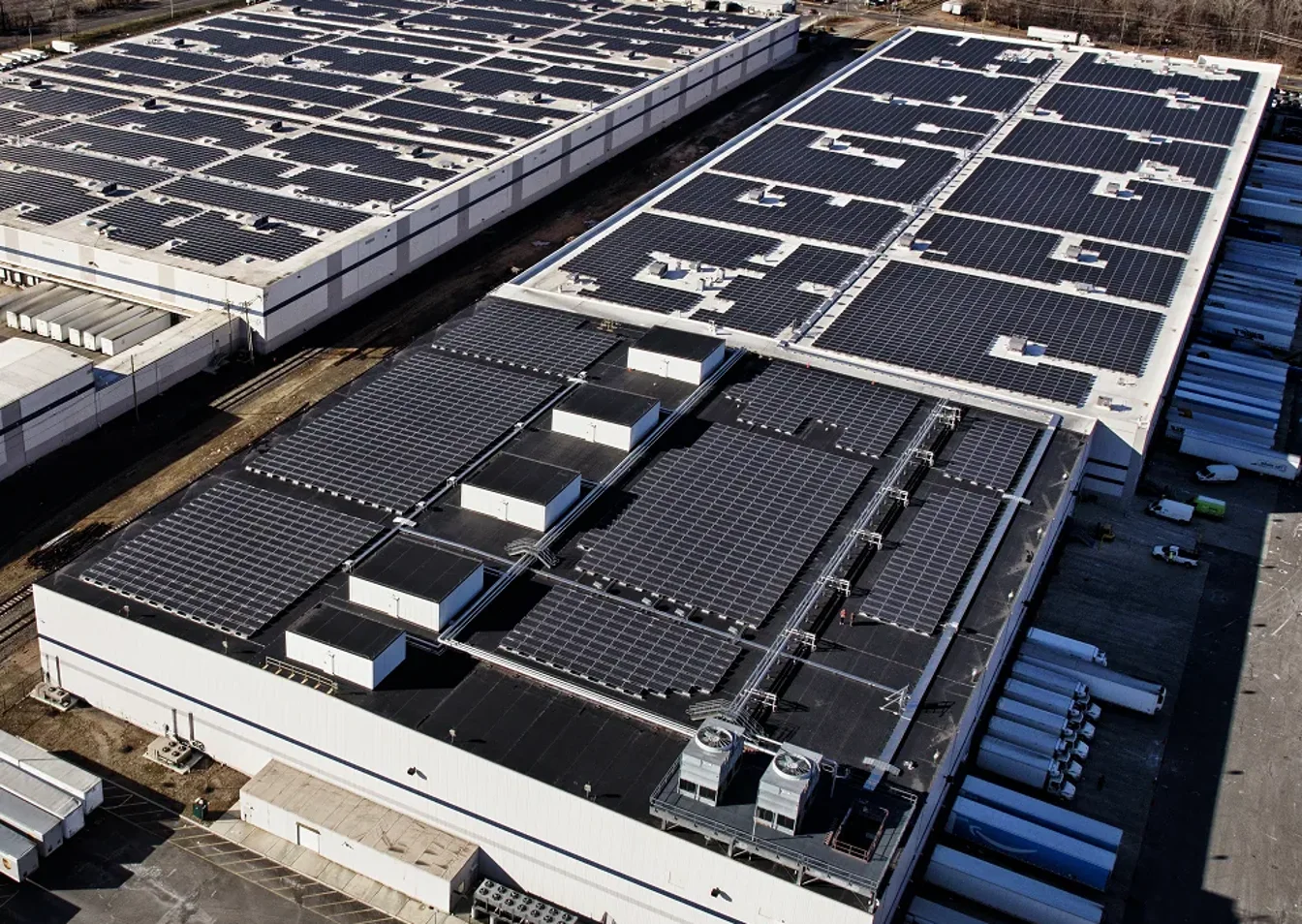
Return for the Permanent Repair
The second visit closes the temporary work. We remove or incorporate the dry-in, repair the confirmed opening with compatible material, clear the work area and photograph the completed boundary. If the inspection finds wet insulation or a broader membrane failure, we update the scope before covering that material. The closeout notes what remains for a later capital decision.
Long, steady rain from November through January leaves fewer dry periods for permanent exterior work. We watch the substrate and product conditions rather than applying a repair onto a wet surface simply to close a ticket. Until the next suitable window, the building file shows the temporary measure, its limits and the next scheduled action. For larger loss areas, a replacement scope can be compared with repair based on observed condition, not urgency alone.
Related Roofing Work
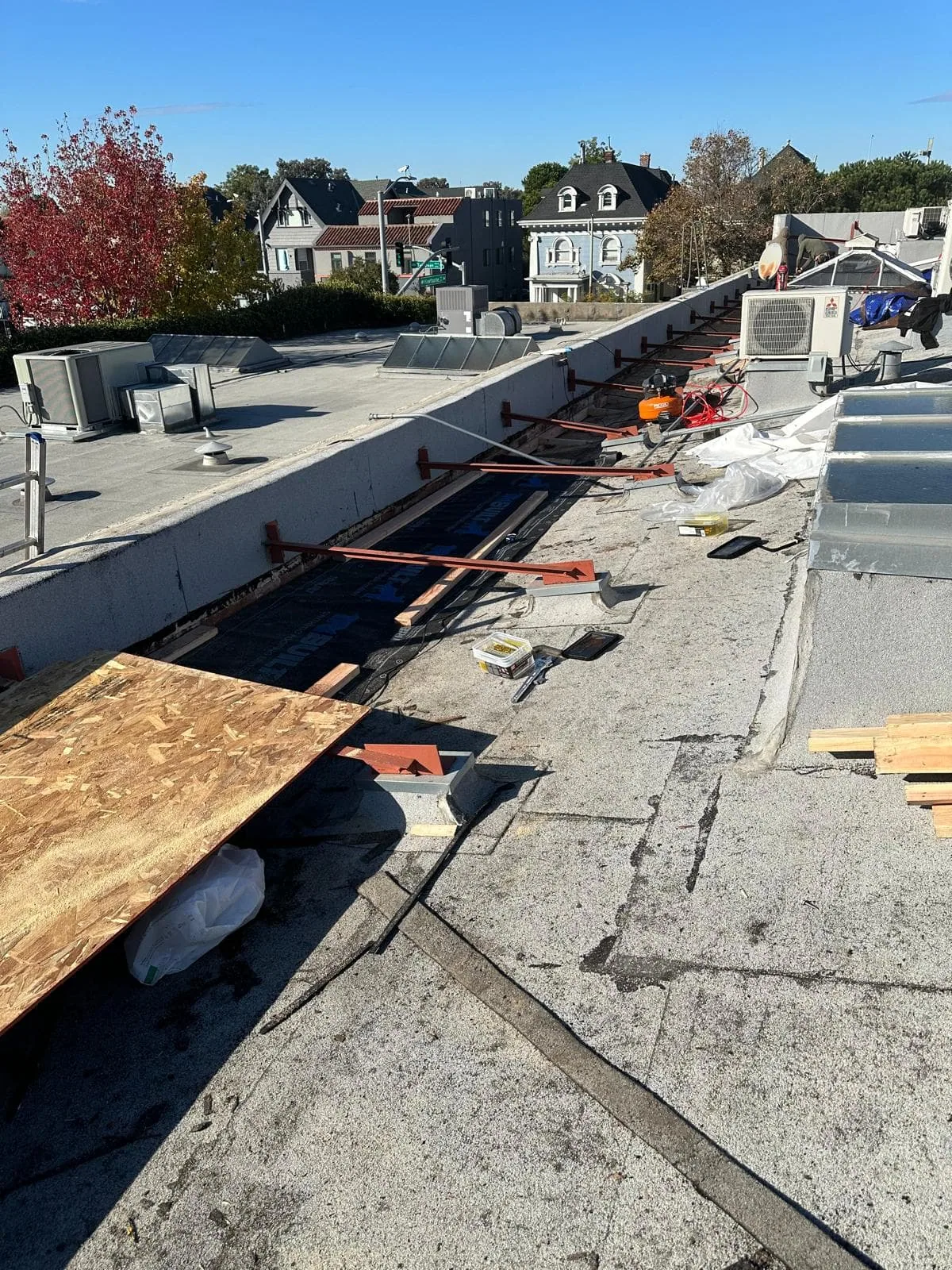
Commercial Roof Repair
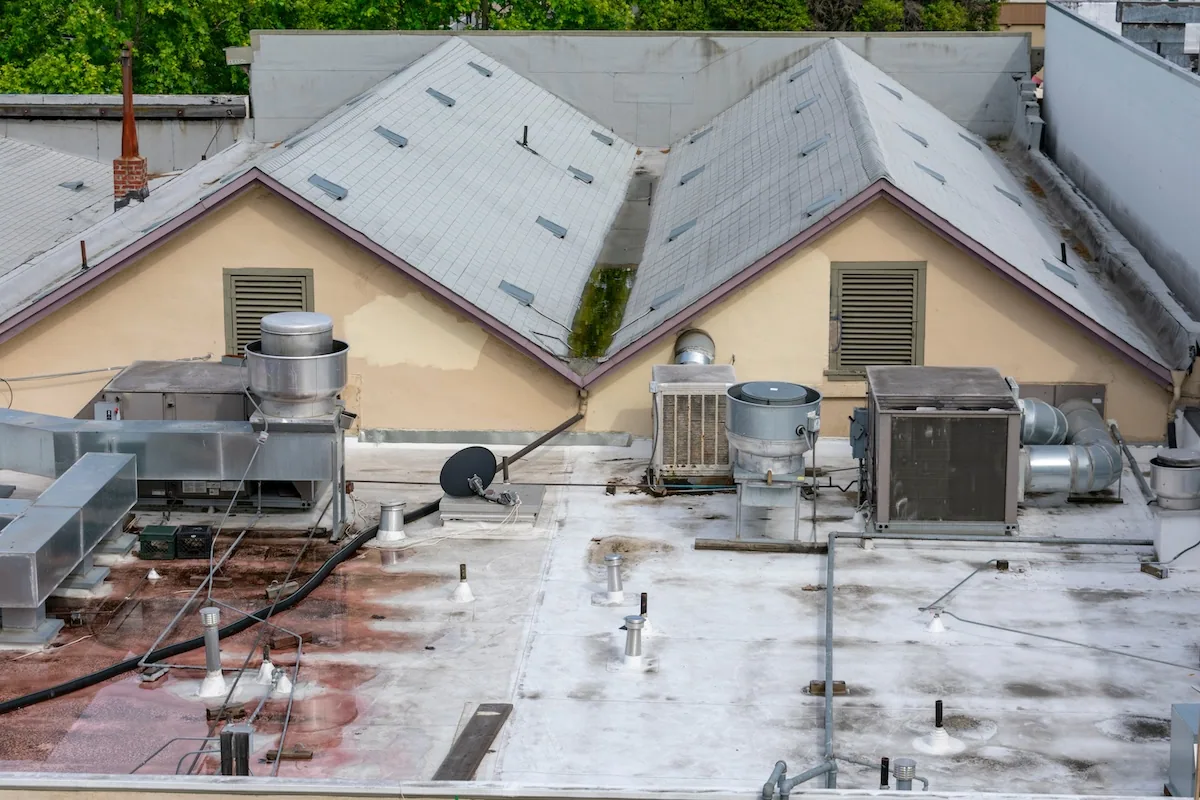
Commercial Roof Leak Repair
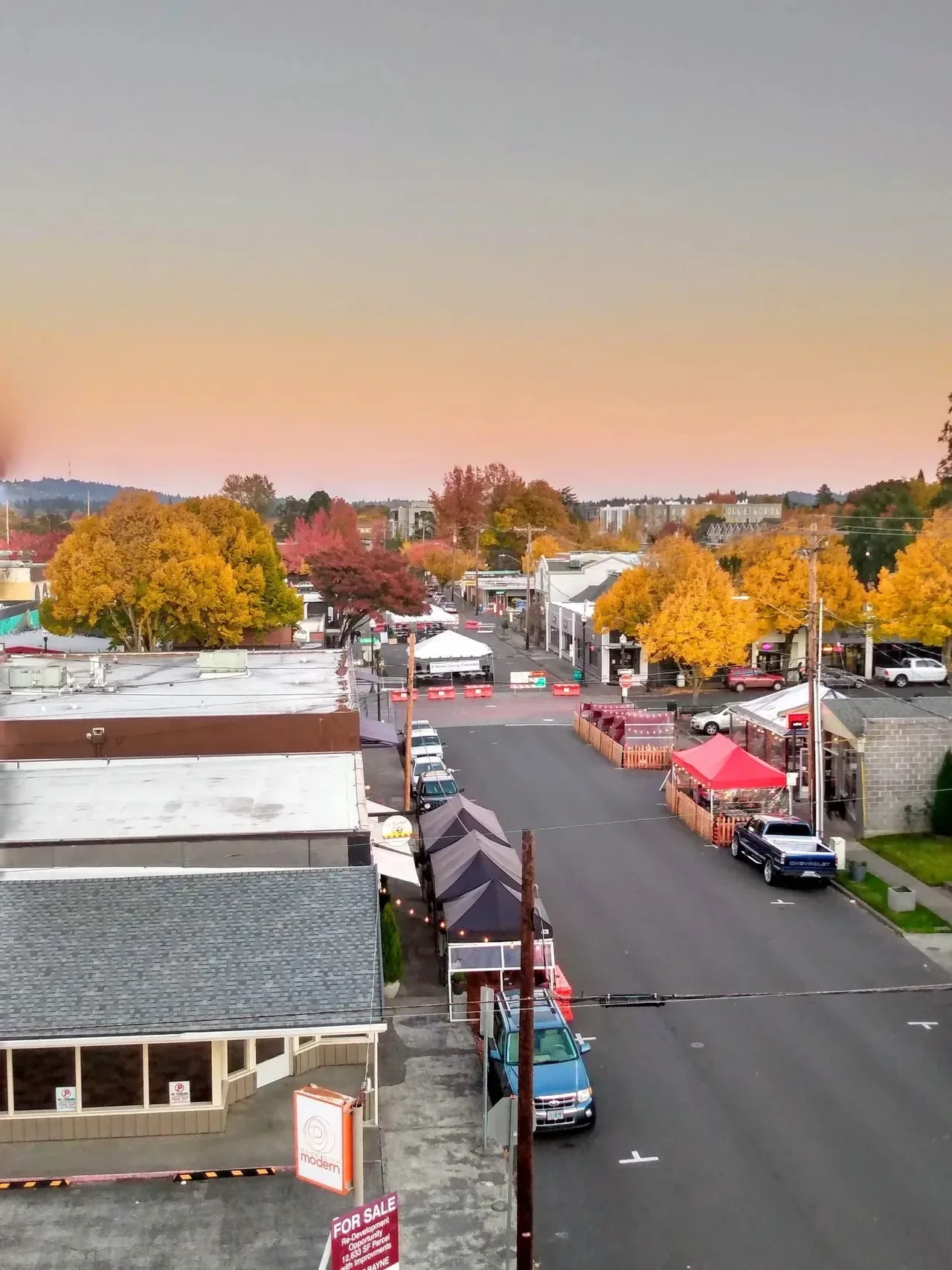
Cedar Hills
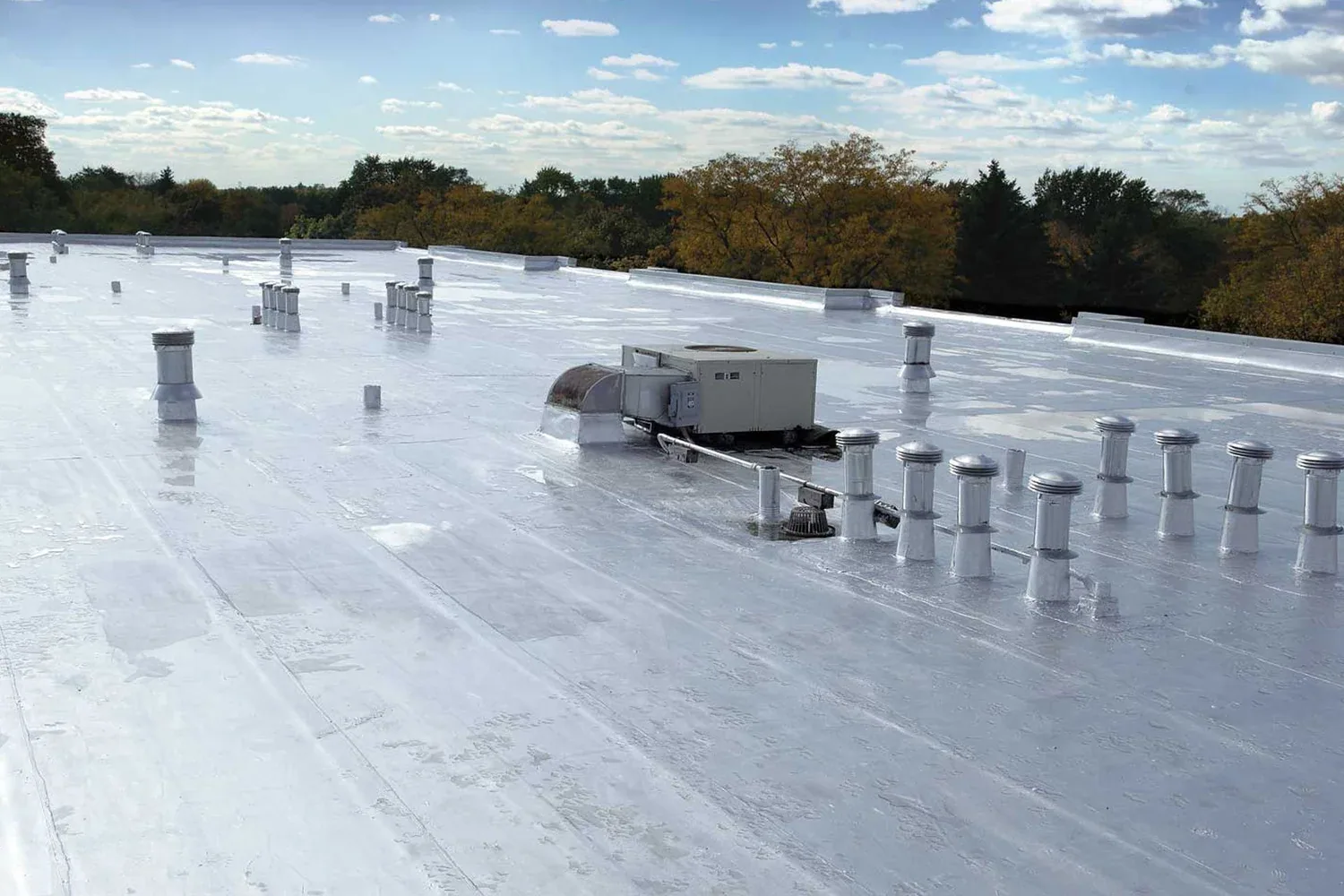
Commercial Roof Drains and Scuppers
Report storm damage
Place an intake call with the building address, last known leak location and current access conditions. We arrange a make-safe visit, photograph the roof and send a scope sheet separating temporary protection from permanent repairs.
Questions About Storm Damage Roof Repair
What should I send before the make-safe visit?
Give us the building address, where water is landing, when it began and any access restrictions. Photos from inside help set the first route. We confirm the visit and the safe work that can be completed under current conditions.
Will the first visit complete the permanent repair?
That depends on access, roof safety, moisture and material conditions. The first visit controls active water where possible and records damage. We schedule permanent work after the area is safe and the repair boundary is clear.
How do you separate storm damage from older roof wear?
We compare the reported timing with visible conditions, prior repair records and nearby details. The scope identifies what is consistent with the event and what appears to be pre-existing or uncertain, with photos tied to each location.
Can the photos help with an insurance claim?
Dated interior and roof photos, a marked plan and a clear repair scope give the owner organized evidence to share. Coverage remains the insurer's decision, so we document the roof conditions without promising a claim outcome.
What if rain returns before the roof is dry enough to repair?
We record the temporary dry-in and its limits, check the area when conditions permit and return for the permanent repair once the substrate and selected materials can be installed correctly.