Roofing Capabilities
Assess a Beaverton, OR commercial roof before acquisition or refinancing with a survey scope, dated findings and open questions tied to the building plan.
Commercial Roof Due Diligence in Beaverton, OR
A purchase review needs a roof answer that fits the transaction schedule and the evidence available. In Beaverton, OR, we define the survey boundary, review the supplied roof records and inspect the accessible areas that could change the near-term repair or capital decision. The buyer receives a dated record of findings, exclusions and follow-up questions before the file closes.
A survey is not a warranty, structural evaluation or promise of remaining service life. We state what was observed, what was sampled and what remains concealed. If a test opening or specialist review could change the transaction assumption, it goes on the open-issues list before the report is finalized.
Set the Survey Boundary
Before the visit, we confirm the building address, roof areas included, access route, transaction date and records supplied. Available plans, repair invoices, warranties, maintenance logs and leak history help direct the walk. If the drawing leaves out a wing or an addition, we mark that gap and identify whether it can be examined during the allotted visit.
Technology, optics, test-and-measurement and food-processing buildings along the corridor between Beaverton and Hillsboro bring rooftop equipment and operating restrictions, so the survey notes the actual system, equipment zones and access limits at the property under review.
Transaction access often depends on a short visit window and a named contact. We confirm roof keys, escort requirements, occupied areas, equipment shutdowns and any safety restrictions before arrival. If those conditions limit coverage, the report marks the affected section and explains what access is needed to complete it.
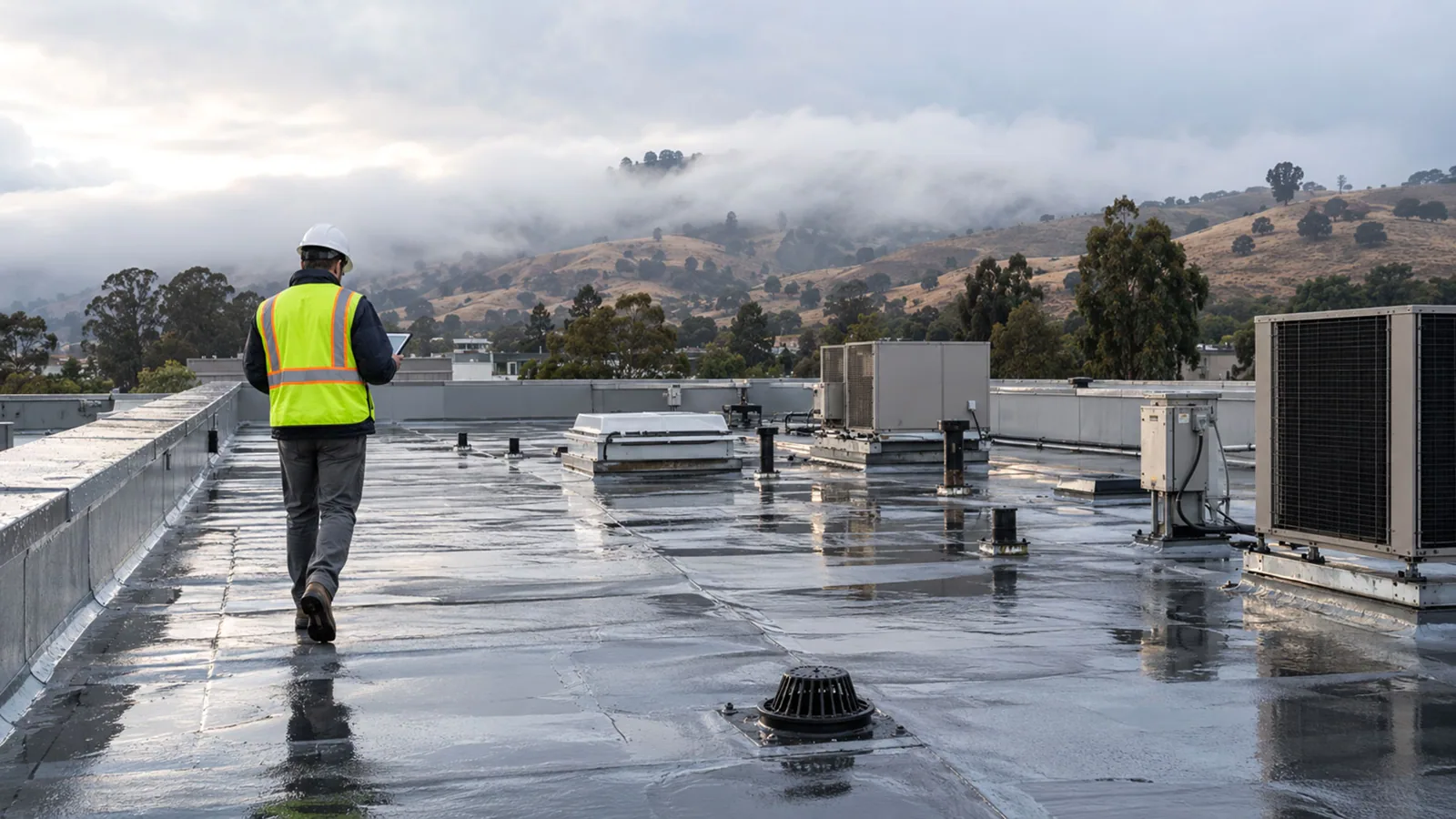
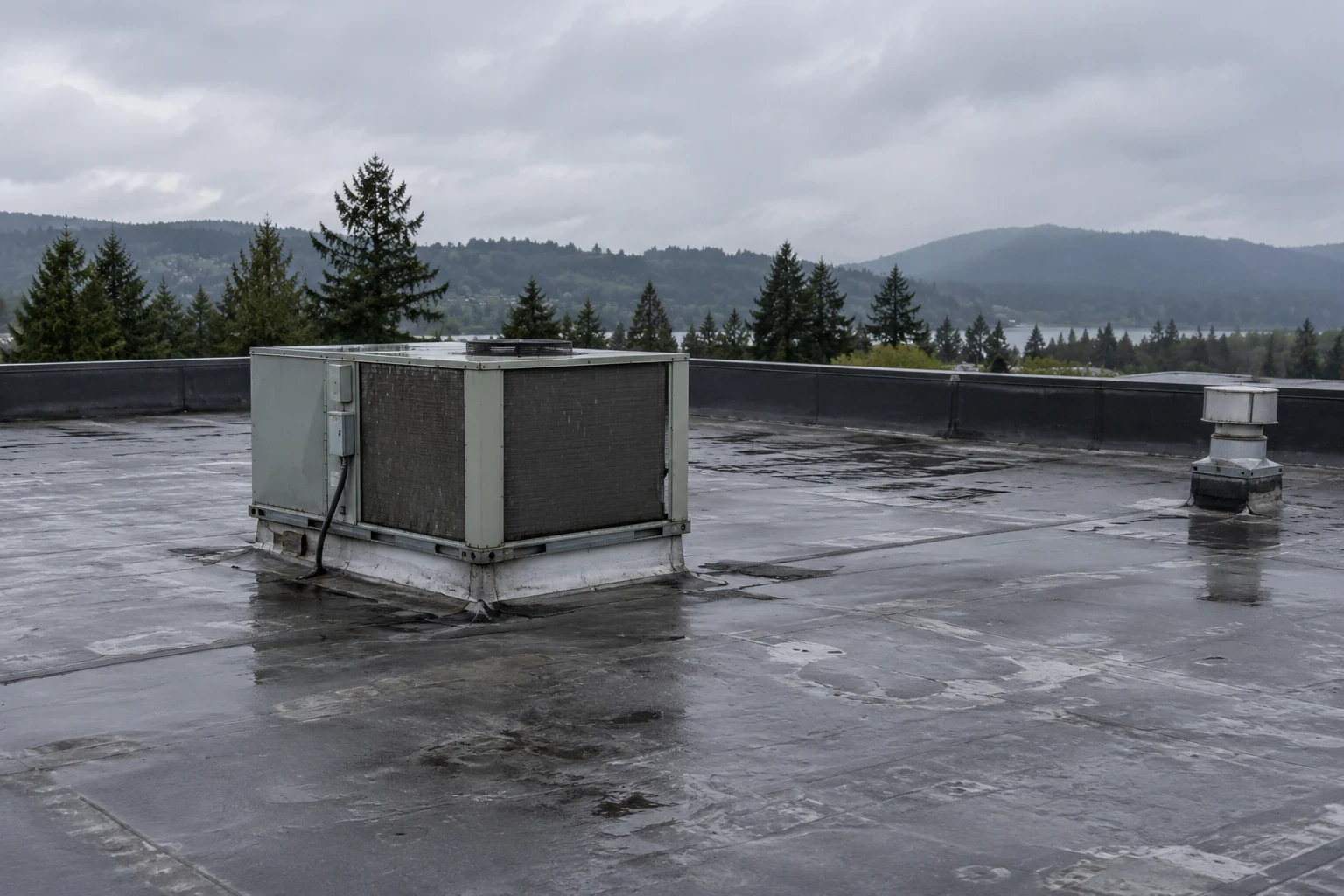
A commercial roof inspection provides the field review, and a condition report ties findings to a marked plan and dated photographs.
Inspect the Details That Move Risk
The survey follows roof access, perimeter transitions, field seams, penetrations, curbs, drains and prior repair areas. We note visible deterioration, active leakage reports, ponding and any open detail that could expose the building. A photograph is labeled by roof section so the buyer can distinguish a condition found at the visit from one described only in an earlier invoice.
With rain on roughly 151 days a year, drainage and water-entry documentation matter during a transaction. We record the outlet condition and any visible water path, then identify testing if concealed moisture remains a concern.
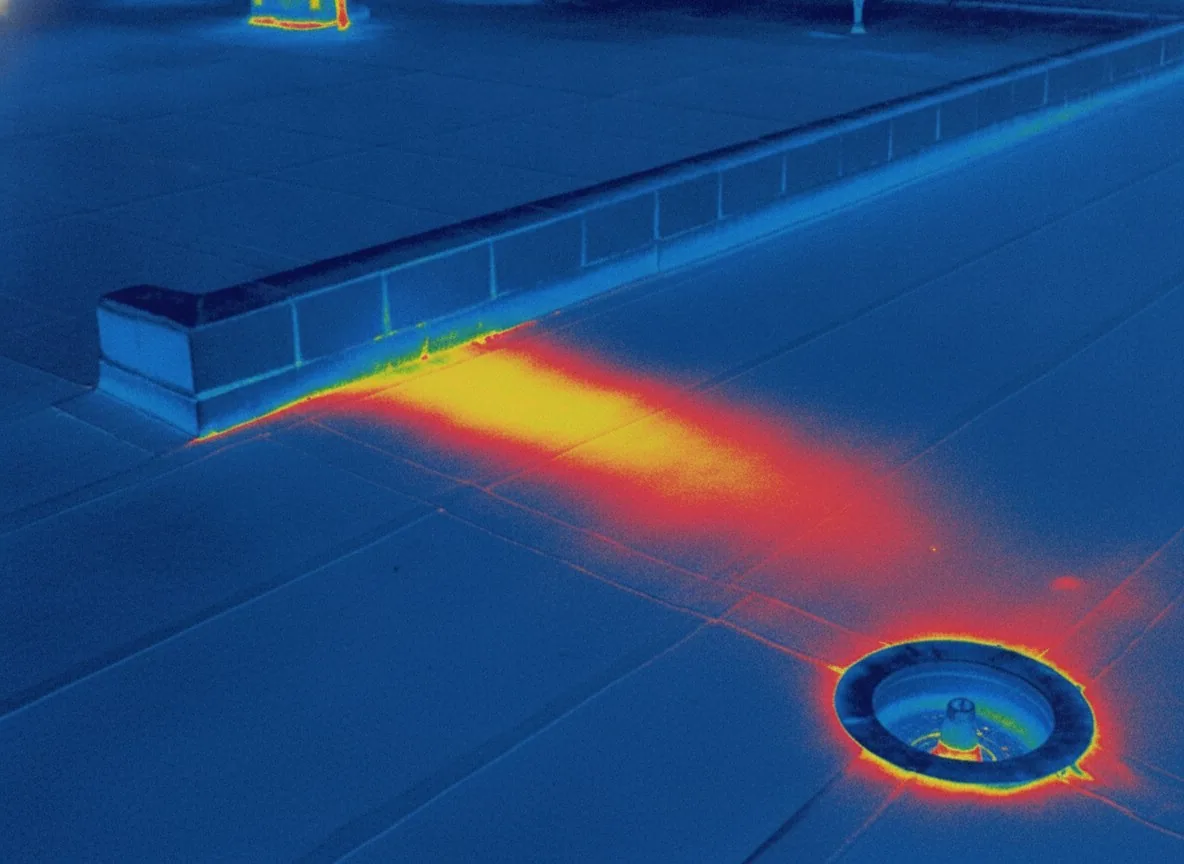
If thermal screening or test cuts are authorized, we mark the location, method and limits. A moisture survey can identify areas for further checking, while an opening confirms only the layers exposed at that point. Each photograph carries a roof-section label and a time stamp, which lets a lender or an insurer match an image to the plan without a phone call.
Separate Findings From Assumptions
Each finding is assigned a condition, consequence and next step. We distinguish immediate water control from corrective repair, routine maintenance and longer-term replacement planning. If the inspection cannot establish the full extent of a membrane issue, the report states the tested area and gives the buyer a cost driver to resolve rather than applying the result to the whole roof.
Portland recorded 116 degrees on June 28, 2021. If the transaction team asks about heat-related wear, we document what is visible on the roof and identify any sealant, coating or membrane area that merits closer review. The survey conclusion follows the inspected material and any authorized testing.
Cost exposure follows the repair boundary, roof access, removal, wet insulation, deck condition, edge details and interior protection. We separate those drivers from the condition finding so a buyer can see which assumptions remain open. If a test result could change quantities, we state the sample area and identify the next check rather than burying it in a broad allowance.
A repair scope can define an immediate boundary, while a capital review can separate near-term work from a replacement allowance.
Make the Open Items Actionable
A useful diligence report lists who needs to act, what information is missing and whether a follow-up visit is required. We identify restricted roof zones, records not provided and any concealed condition that was outside the agreed scope. The buyer can then request access, a test opening or a specialist review while the transaction still has time to respond.
Metro's 2040 plan expects Downtown Beaverton and Washington Square to develop as compact regional centers with employment and housing near transit. Those broader settings may include occupied buildings and access coordination. For the property under review, we record the actual roof hatch, operating restrictions and contact required to examine the relevant areas.
If warranties transfer or remain relevant to the acquisition, a warranty file review can identify the documents and service history that still need confirmation.
Deliver a Dated Decision File
The buyer receives the survey date, scope boundary, system identification where established, marked plan, photo set, prioritized findings and unresolved questions. We describe whether an issue was reported, visible or confirmed by testing. The report also lists maintenance records reviewed and documents that were unavailable, so its conclusions can be read within the evidence actually examined.
Open items should include a responsible contact and a date for follow-up. A missing drawing, restricted roof zone or pending moisture sample can affect the timing of a buyer decision. We list the item, why it matters and what evidence would close it, then distinguish a required action from a recommendation for later maintenance.
For refinancing, the same information can support a lender discussion when the roof condition is tied to a specific building and work scope. The file does not replace a separate structural or code review. We can also compare findings with an existing roof asset record or carry the new survey into a portfolio program when several properties are involved.
For a Beaverton property survey, send the address, transaction date, roof plan and available service history. We confirm the access boundary and return a dated record with the next decision attached to each finding. Each open item also names the page of the report where its evidence sits, so a reviewer can check it without a call.
Related Roofing Work
Commercial Roof Inspection

Commercial Roof Condition Reports
Infrared Moisture Survey
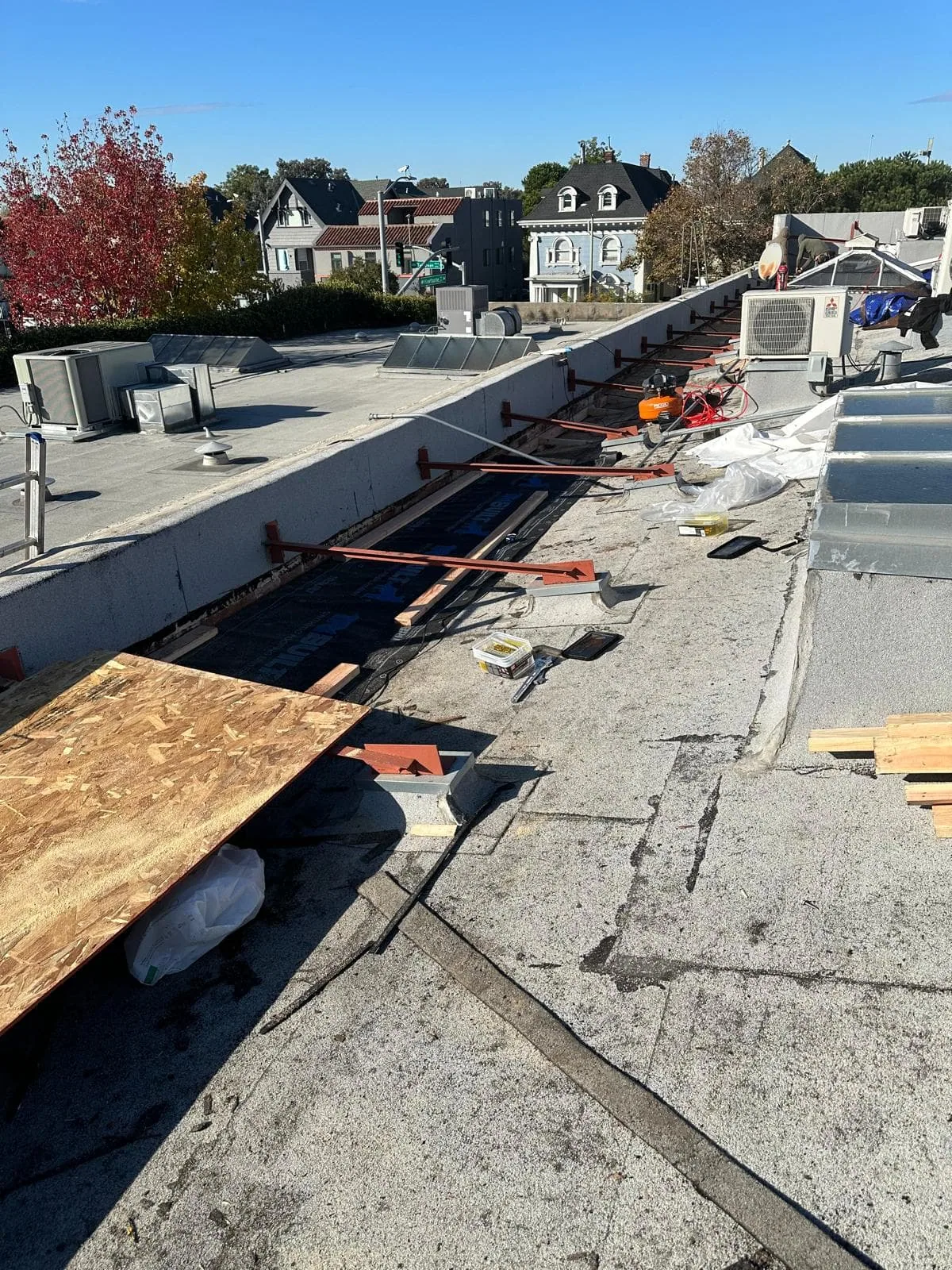
Commercial Roof Repair
Set the diligence scope
Send the property address, transaction date, roof plans and available repair records. We will confirm the inspection boundary, arrange access and return a dated findings file with open items clearly listed.
Questions About Commercial Roof Due Diligence
Can a roof survey give a buyer a remaining-life number?
Only when the available evidence supports a defensible estimate, and even then the basis and assumptions must be stated. We report observed condition, system information, testing and open areas. Where concealed layers or deck conditions remain unknown, we list the follow-up needed rather than assign a number without support.
What should we provide before the site visit?
Send the roof plans, prior repair scopes, maintenance history, warranties, known leak locations, transaction timing and access instructions. We confirm which structures and roof sections are in scope, then identify any missing record that could limit the survey.
Will the survey include moisture testing?
Testing is set by the agreed scope and access. Infrared screening can help select areas for opening, while a test cut confirms only the sampled assembly. We mark each method and location so the buyer can see the extent of evidence.
How do you handle inaccessible roof sections?
We mark the excluded area and explain the access limit in the report. If that section could change a repair or capital decision, we recommend the access arrangement or follow-up needed to inspect it before closing.
Can the report support a refinancing or capital review?
Yes. Dated findings, photographs, marked locations and scope assumptions give the reviewer a defined basis for discussion. We separate immediate repairs from planned work and list any condition that needs additional testing or specialist review.