
Roof Damage Repair
Assess fire-damaged commercial roofs in Beaverton, OR with a safe access review, water-entry mapping, assembly checks and a documented recovery scope.
Commercial Fire Damage Roof Repair in Beaverton, OR
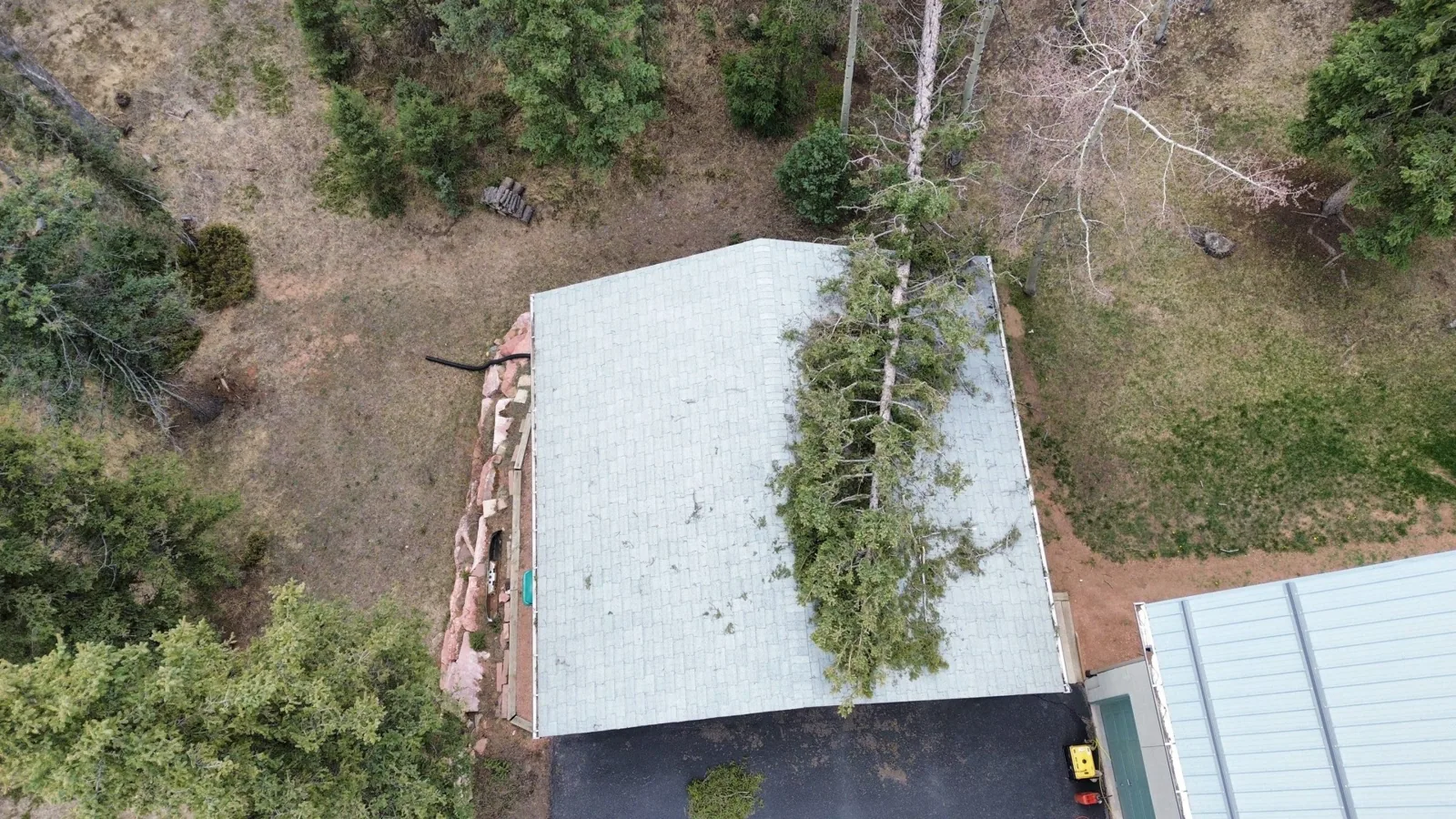
After a building fire, the roof review starts with approved access, the affected area and the point where water or debris reached the interior. For fire damage roof repair in Beaverton, OR, we coordinate with the facility contact and follow any structural direction before stepping onto the roof. If an opening remains exposed, we arrange a make-safe visit when conditions allow. Photos record the surface and temporary protection so the later scope distinguishes fire effects from water intrusion and prior roof conditions.
In a recovery period, Beaverton's rain on roughly 151 days a year makes temporary cover, drainage and dry-in sequencing part of the roof decision. The inspection does not assume that heat, smoke or firefighting water affected every layer. We map what can be seen, identify what needs testing, and give the owner a repair boundary supported by the assembly.
Secure the Opening First
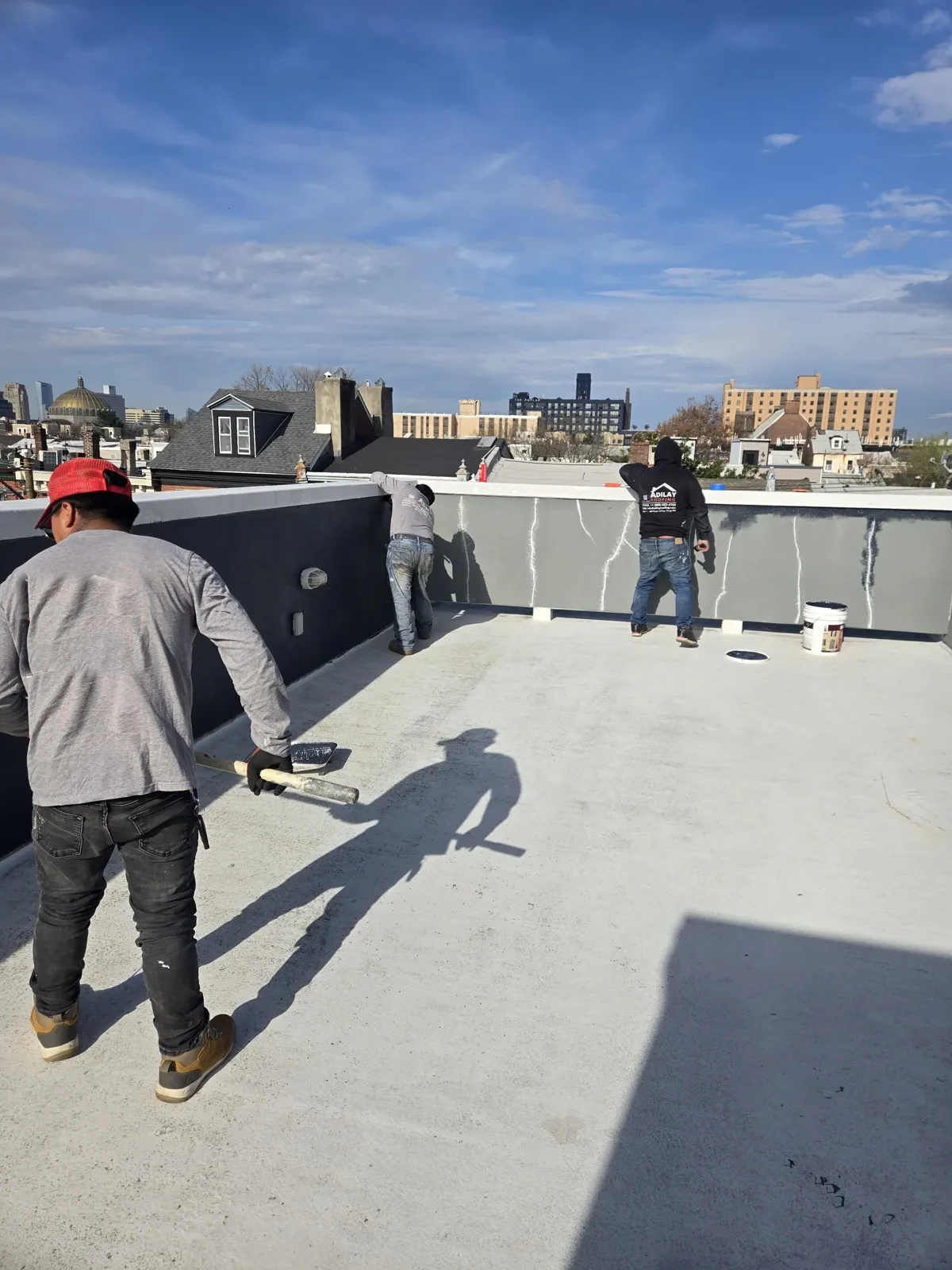
Access follows the site lead's safety clearance and any structural engineer's instructions. We confirm which roof areas can be reached, where debris remains, what equipment is isolated and what protection is needed below. A make-safe visit addresses active exposure only within the approved work area. The record notes what was covered, what remains open and who will authorize the next inspection or material movement.
For a roof opening, we photograph the perimeter, edge attachment and visible deck before placing temporary protection. Water used during suppression can travel into insulation, drains and wall assemblies, so the leak log separates that pathway from direct heat or impact. After a fire, emergency response goes out at any hour, holidays included, and a written scope sheet follows the make-safe visit. Permanent repair waits until the work area and substrate are suitable.
Separate Heat From Water
Fire exposure can affect membrane, insulation, metal, sealants and equipment in different ways. Suppression water may wet areas beyond the visible opening, while smoke residue can travel along equipment or wall pathways. We inspect the surface, edges, penetrations and drainage, then mark approved test locations for concealed material. The report keeps visible heat effects, water entry and conditions needing a test in separate lines.
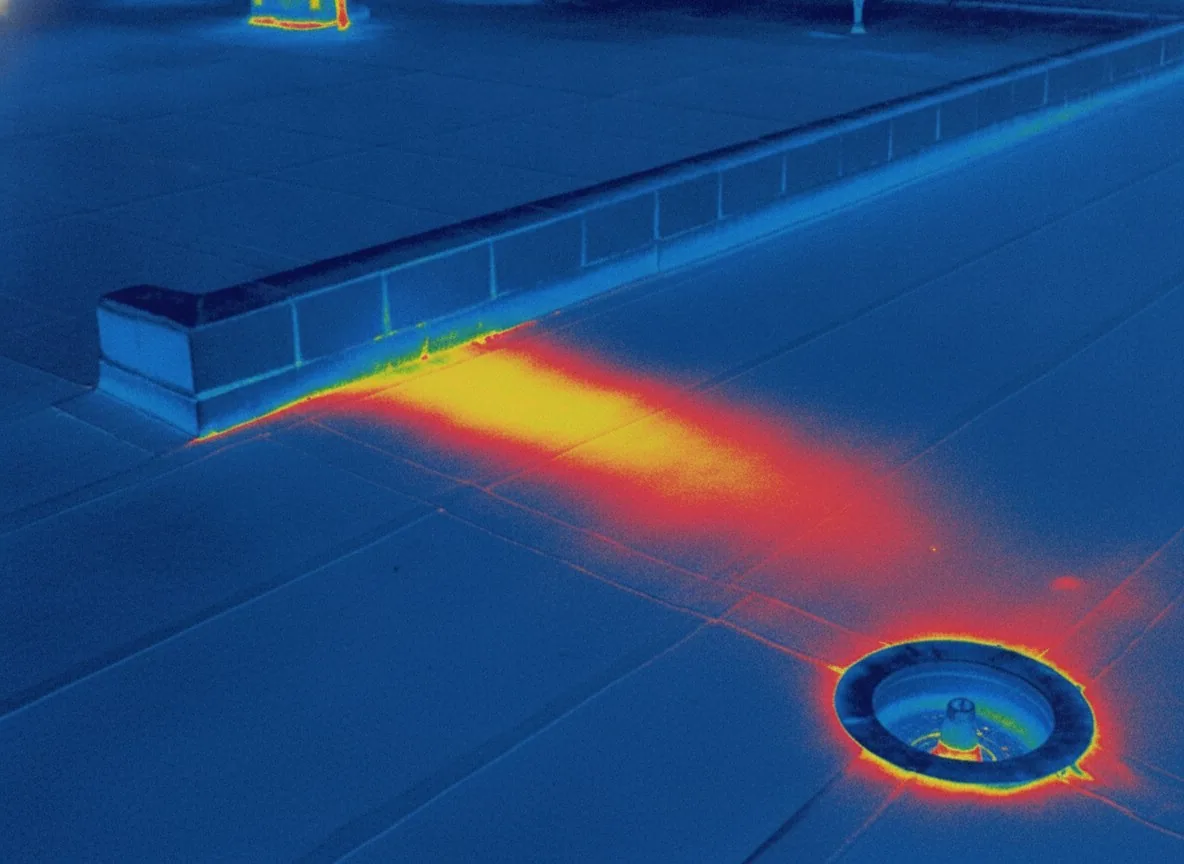
At Portland Airport 36.9 inches of precipitation fall over roughly 157 days and some 32 nights a year reach freezing, a wet-and-freeze cycle that matters when temporary protection stays in place or damp layers need verification. We use infrared moisture surveying to identify areas for follow-up, then confirm concealed conditions using approved openings or tests.
Inspect the Roof Assembly
The roof plan follows each affected zone from the fire area to drains, curbs, parapets and transitions. We check whether the membrane remains attached, whether metal has changed shape, and whether seams or flashing have opened. At test points, we document insulation and deck observations without extending a conclusion beyond the inspected area. A roof condition file helps the owner compare repair, recovery and replacement without mixing confirmed damage with unknown layers.
Facility access determines where material can stage during recovery work. A hands-on roof inspection marks the affected details, and a condition report keeps photos, test locations and open decisions together. We coordinate with restoration and mechanical trades where their work intersects the roof.
Set the Repair Limits
A local repair fits when the damaged area has a defined edge, the surrounding substrate is sound and a compatible tie-in can be made. We remove material only inside the approved boundary, dry the area and rebuild the membrane or flashing. If moisture, heat effects or deck concerns continue beyond that point, further testing may widen the scope. The repair estimate states what is confirmed and what remains conditional.
Recovery may be considered only if the existing assembly remains attached, dry and acceptable under project requirements. Replacement may fit when broad damage, wet insulation or compromised deck requires removal. We compare options across the same marked zones, itemizing tear-off, substrate work, insulation, membrane, metal, temporary protection and equipment coordination. A replacement scope is not based on the fire event alone; it follows the roof inspection and any test results.
Coordinate Recovery Work
Roofing may follow debris removal, structural review or equipment work, so the daily sequence needs a named access contact and a clear handoff. We coordinate lifts, deliveries, roof entry and the areas that must remain protected. The work plan identifies a boundary that can be secured before the shift closes. If rain is forecast, the open section is limited to the area that can be dried in, with the rest held for a safer window.
Beaverton's wettest months can narrow the time available for substrate preparation. We list which tasks require a dry surface and which can proceed under temporary protection. If the fire recovery includes a membrane tie-in, a TPO repair detail follows the existing system requirements. The daily record captures completed areas, deferred work and any coordination needed with the restoration lead, helping the next shift begin from a documented point. In Tigard or Hillsboro the recovery sequence is the same, but the person who must approve access first differs: a landlord's agent for a multi-tenant building, a facilities lead for a single-owner plant. The daily record names who gave each approval.
Preserve the Work Record
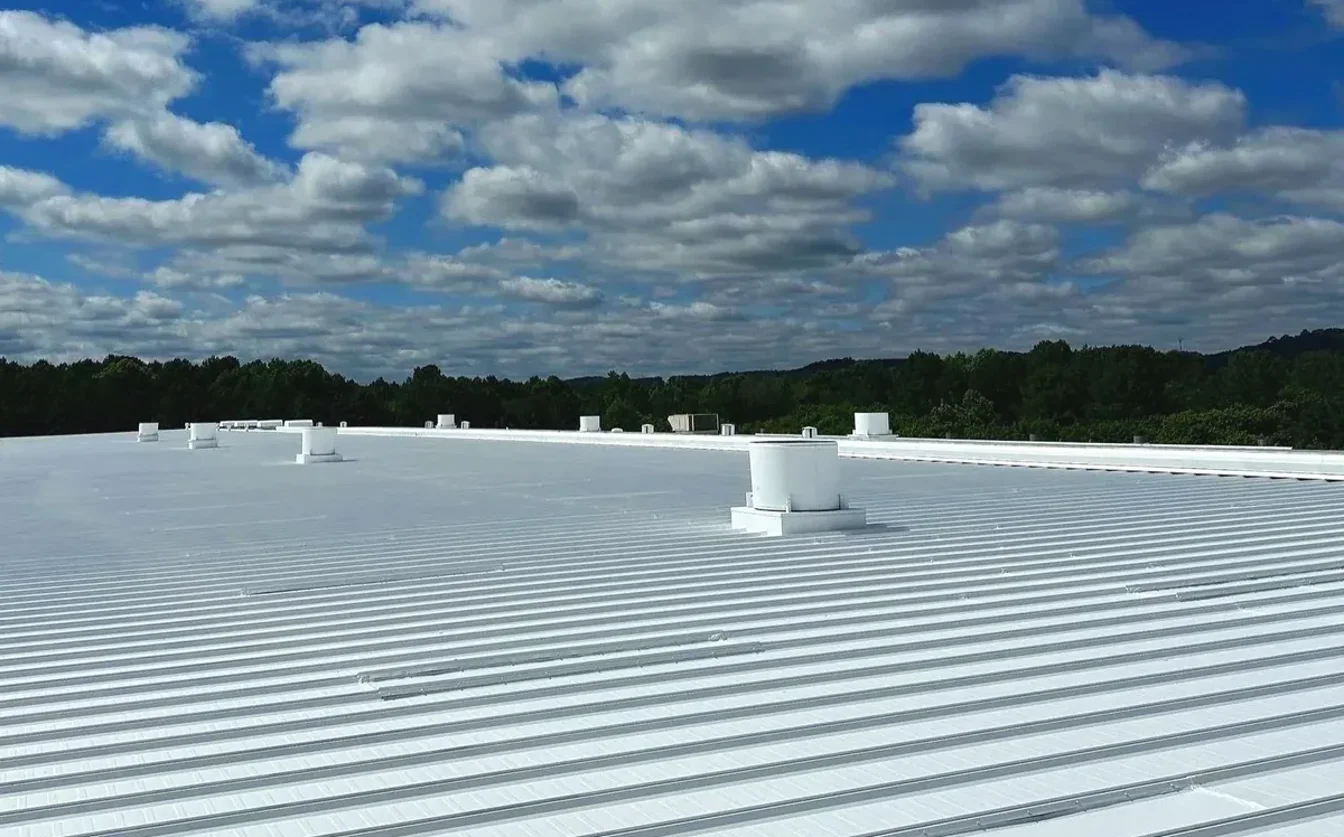
Closeout includes dated photos, the marked roof plan, temporary protection, material removal and replacement boundaries, test results, drainage notes and remaining monitoring. We identify which rooms were protected and what repair remains. A later maintenance visit can compare the same seam, curb or edge after the building returns to normal operations. The record gives the owner a consistent basis for insurance and capital review without treating an untested layer as a confirmed loss.
Place an intake call with the building address, approved access contact, fire-affected roof area and any active water location. We arrange a make-safe visit when approved, then provide a written scope sheet with findings, test needs and repair-or-replace threshold. Work for a Beaverton building starts with that facility information. Wind-displaced roof material is documented separately, and an independent opening gets its own membrane puncture boundary. Each condition keeps its own boundary and photo record. If water remains in a roof low point after suppression activity, a ponding-water check can map that drainage issue separately.
Related Roofing Work
Emergency Roof Repair
Infrared Moisture Survey
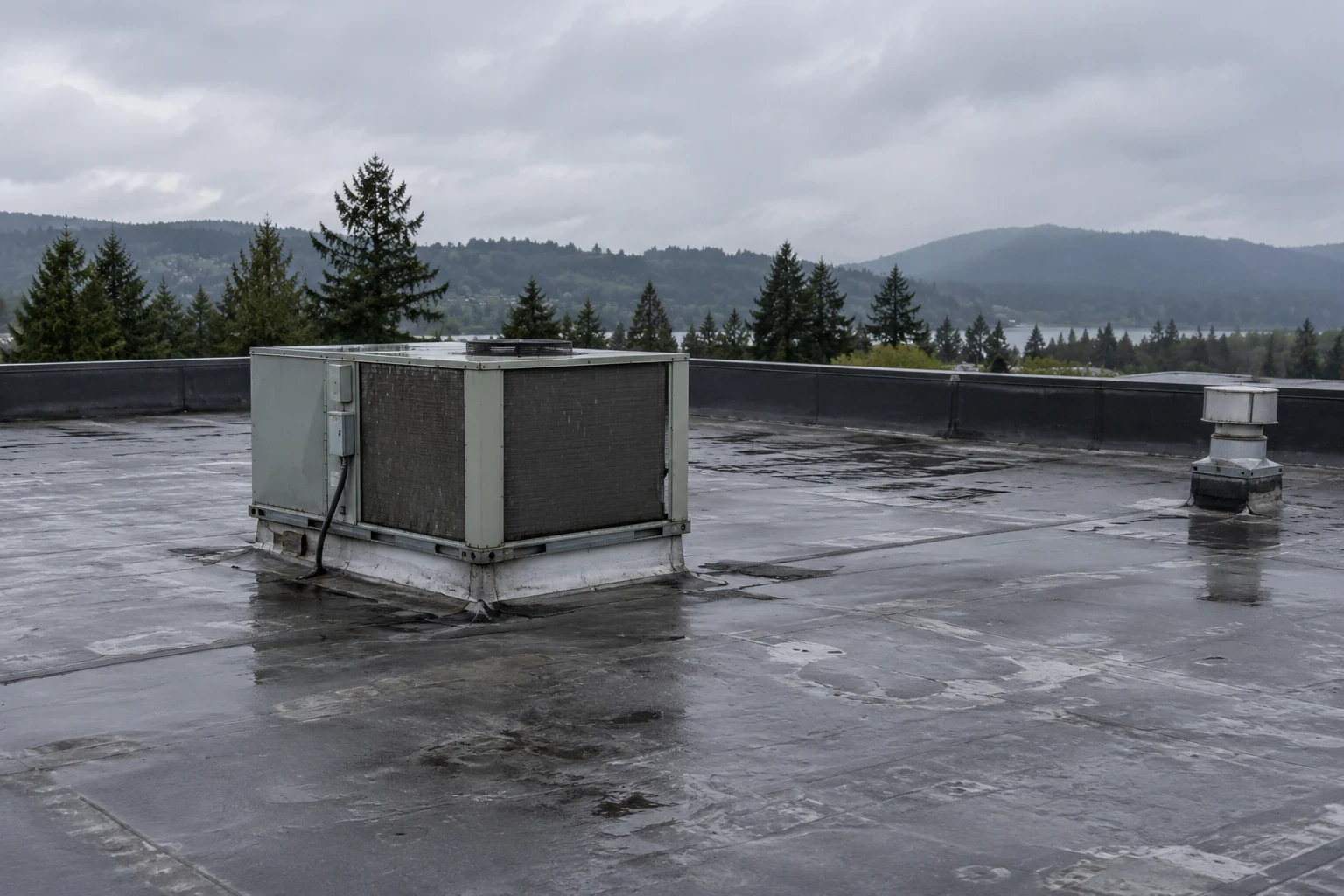
Commercial Roof Inspection

Commercial Roof Condition Reports
Plan the Fire-Damage Roof Review
Place an intake call with the building address, access contact, affected roof area and any active water point. We arrange a make-safe visit when approved, then provide a written scope sheet with confirmed conditions and test requirements.
Questions About Commercial Fire Damage Roof Repair
Can a roofing crew inspect before the building is cleared?
No roof entry should precede the facility's access approval and any required structural direction. We coordinate with the designated contact and document areas that remain inaccessible until the site is cleared.
Does fire damage mean the entire roof must be replaced?
The event alone does not set the scope. We inspect the membrane, metal, insulation and deck, then use approved tests to identify the extent. A bounded repair may fit one area while other zones remain under review.
How do you separate fire effects from suppression water?
We map visible heat effects, water reports, drainage and interior locations separately. Photos and test results show what is confirmed, and any concealed layer still needing verification is named in the written scope.
Can temporary protection stay while restoration work continues?
A safe cover can protect an exposed area when access and conditions allow. We record its limits and coordinate the return point with the restoration lead so permanent tie-in is completed once the substrate and work area are ready.
What records support the final roof decision?
Keep the marked plan, dated photos, approved test locations, removal boundaries, material notes, temporary protection and unresolved items together. Those records help the owner compare completed roof work with the remaining recovery scope.