
Roof Damage Repair
Repair commercial roof punctures in Beaverton, OR with a mapped opening, substrate check, compatible patch and photo record for the building file.
Commercial Membrane Puncture Repair in Beaverton, OR
A torn membrane at a rooftop service path needs a location before it needs a patch. In Beaverton, OR, we ask what work happened nearby, where water appeared and whether the opening is still exposed, then arrange a make-safe visit if needed. Photos record the puncture, foot traffic path and adjacent seams before debris or repair material changes the surface. The leak log shows the boundary we inspected and the next step for the owner.
The Silicon Forest corridor between Beaverton and Hillsboro runs on technology, optics, test-and-measurement and food processing, which means busy roof service routes, and the property record, not the neighborhood, shows what happened on any one roof. We inspect the puncture and surrounding assembly, then decide whether a local patch, wider repair or further testing fits the evidence.
Locate the Contact Point
We mark the opening's size, shape and position relative to walk pads, ladders, equipment and service routes. A sharp puncture can be easy to see; a scuff or abrasion may have worn through gradually. The roof plan records the contact point and any interior report. We inspect the membrane around it for cuts, loose seams, prior patches or compression that may widen the repair boundary.
Even a small breach can admit recurring water through the wet season, when rain falls on roughly 151 days a year. Our hands-on inspection records the roof condition before repair, and the condition report connects photos with the marked work area. A separate seam failure assessment follows an open lap rather than an impact point. After a wind event, a wind damage review can track displaced material apart from the puncture.
Check Below the Surface
Water near a puncture may move along insulation or deck before reaching a ceiling. We compare the interior location with the roof opening and check the substrate at an approved test point when concealed moisture is a concern. The scope labels visual observations, moisture readings and test results separately. If insulation is wet beyond the visible tear, the affected area is mapped before we price removal or broader repair.
Along the Beaverton-Hillsboro technology and manufacturing corridor, rooftop equipment routes may be busy, yet the specific service history must come from the property record. We look for loose hardware, abandoned fasteners, damaged walk pads and nearby supports without assuming which trade caused the puncture. A phased occupied-building plan can preserve access to equipment while repairs move through separate roof zones. The work log records any route that must remain clear.
Repair Without Enlarging the Risk
A patch needs clean, sound material around the opening and compatibility with the existing system. We remove loose edges, dry the substrate and install a repair that extends to the specified boundary. For a thermoplastic membrane, that may require a tested heat weld; for EPDM, compatible primer and patch material; for other systems, the detail changes. We identify the assembly before choosing the method.
The EPDM system detail uses its own seam and flashing approach, while commercial roof repair documents the scope and materials. If the puncture intersects a lap or curb, we extend the inspection to that joint rather than applying a patch over an unresolved transition. The repair boundary, preparation and final photo are stored in the building file for the next visit.
Protect the Service Route
Foot traffic can return to the same roof area unless the route is identified. We note where technicians walk, where materials turn at a hatch and whether an existing walkway has shifted or ended before the equipment. A protection recommendation should match actual movement, not cover the entire roof without reason. If access is shared by several trades, the property contact can use the marked plan to route work around the repaired spot.
A retail center near Washington Square or an office park in Tigard will have a different walkway layout than a plant in Hillsboro, and loading and roof access determine the workday. Where a puncture is open and water is active, emergency response can make the area safe, record the temporary protection and arrange permanent repair for a suitable work window.
Set the Repair-or-Replace Line
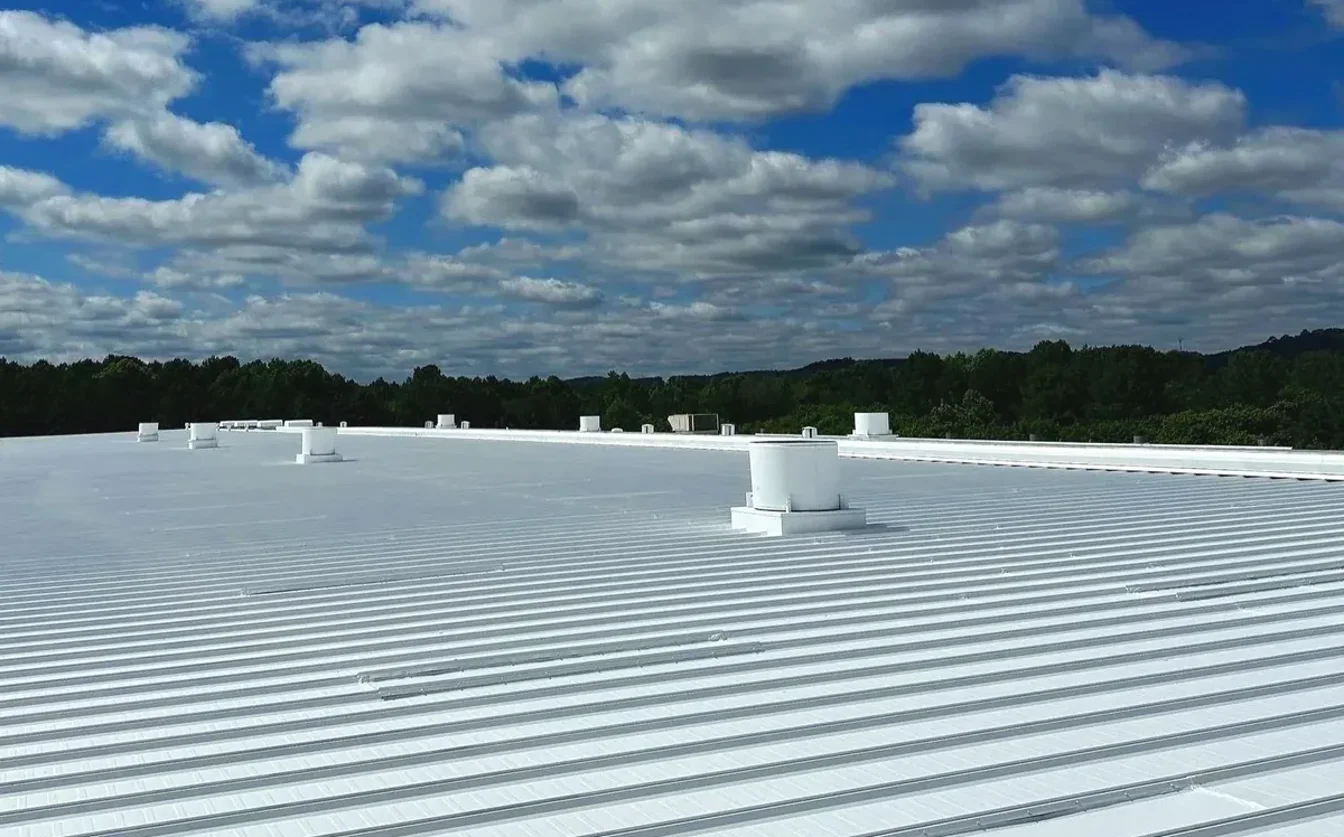
A single clean puncture with sound surrounding material often supports a bounded repair. A field with repeated cuts, brittle membrane, wet insulation or deck damage may call for a wider recommendation. We map each confirmed point and compare it with the age and condition documented for the assembly, not with an assumed roof history. The scope separates repair, testing and replacement options so the owner can make a capital decision by area.
A recover may be possible if the existing layers remain attached, dry and suitable under project requirements. Replacement is considered if widespread deterioration or concealed moisture makes a patch program unreliable. We list access, insulation, deck work, membrane tie-ins and walkway protection as separate drivers. A new penetration or support installed by another trade is not treated as a roof defect until the condition is inspected and the scope boundary is established. We mark whether the opening sits beneath a service path, next to a curb or in a clear roof field. That location affects how the repair is protected and whether access controls need to change. If the source remains uncertain, the written recommendation names the test that would resolve it instead of assigning a cause without evidence.

Keep the Patch Traceable
Closeout includes dated photos, puncture location, patch limits, membrane and primer notes, substrate findings and any walkway or access recommendation. We mark what was repaired and what remains under observation. A later inspection can revisit the same roof point and check whether traffic protection still covers the actual service path. That record helps separate a new cut from an opening that has already been addressed.
Place an intake call with the building address, roof zone, last known water location and recent service activity if known. A make-safe visit goes out when needed, and the written scope sheet carries the patch boundary and follow-up work. A Beaverton visit starts with the address and observed condition, and temporary protection and permanent repair are recorded as separate steps at any hour, holidays included.
Related Roofing Work
Commercial Roof Inspection

Commercial Roof Condition Reports
Commercial Roof Seam Failure Repair
Wind Damage Roof Repair
Map the Membrane Opening
Place an intake call with the building address, roof zone, recent service activity and last known leak point. We arrange a make-safe visit when needed, then provide a written scope sheet with the puncture boundary and compatible repair method.
Questions About Commercial Membrane Puncture Repair
Can a puncture be patched without replacing the roof?
A local patch can work when the surrounding membrane and substrate are sound and the system accepts a compatible tie-in. We inspect beyond the opening and state whether wet material or another failure changes that boundary.
What if the puncture is beside rooftop equipment?
We mark the equipment, support, service route and membrane opening separately. If access or equipment movement affects the repair, the phase plan identifies the trade coordination and protection needed before material is installed.
How do you know whether water traveled below the membrane?
We compare the interior report with the opening and inspect the layers at approved test locations. The record distinguishes a visible puncture from confirmed moisture beneath it and identifies any area that still needs testing.
Should we add a walkway after the repair?
We first map the route people actually use and check the existing walkway. If repeated traffic crosses the repaired area, the scope can include compatible protection placed along that path.
What does the closeout file show?
It contains the marked puncture location, dated photos, patch boundary, material notes, substrate findings and any access protection recommendation. Those details let the next visit compare the same spot and route.