
Industries We Serve
Roof inspection, leak response and capital scopes for Beaverton hospitality portfolios, with guest-area protection and property-level records.
Commercial Roofing for Hospitality Groups in Beaverton, OR
First, record the room, what is below the reported water and who can authorize access. We confirm whether a make-safe visit is needed, then inspect the corresponding roof zone and record the likely opening. Photos, a marked plan and a written boundary help operations staff distinguish temporary protection from permanent repair.
A hospitality portfolio may include different buildings, service areas and roof systems. The commercial inspection starts with the address and operating contact for the property under review.
Keep Guest Properties Distinct by Address
Downtown Beaverton is a regional center near Beaverton Central MAX, and Washington Square sits in eastern Washington County as another. A portfolio with properties in both areas gets a file per address, and each file keeps its own roof plan, access contact and repair history.
The property manager decides the service entrance, the loading route and the best work window. We settle where materials stage, which guest entrances stay clear and how staff hear about an access change, and we settle it before the first lift.
Across several sites, every building and roof area gets one name and keeps it. A room number or a wing ties an interior report to the plan, but the roof location is what the crew works from. With both on the page, the operations contact can see whether a repair sits above guest rooms, meeting space, a kitchen or a service corridor, and arrange protection to match.
Protect the Room While the Roof Is Traced
Beaverton's wettest months are November through January, so a report during that period should include whether the water is spreading and whether a guest area remains in use. We map the reported ceiling location and compare it with the roof slope, drains, seams and nearby equipment curbs. Water can move across a deck, so the closest penetration is not automatically the source.
Each drain and overflow is checked for debris, ponding and flashing condition. If concealed insulation may be wet, identify a proposed test opening and restoration method for approval. The drain detail can be priced separately from a seam or curb repair, keeping the manager's choices clear.
If active entry requires temporary protection, record what was covered, where and what remains unresolved. Staff can move guests or equipment from an affected area according to their own operating procedures. The roofing log notes that interim step without representing it as a completed repair. A wet-season report also gets a second look the next dry day. Staining that has dried is photographed beside the first set, so the manager can see whether the ceiling is still taking water or the spot is only a mark left by an earlier leak.
Coordinate Work Around Occupancy
The property contact sets the limits before work starts: guest-area boundaries, access hours, and any restriction around kitchens, event rooms or service corridors. We confirm the roof hatch or ladder, the lift point, the material path and where barriers go below. The sequence names who meets the crew and which rooms may feel the work, so the handoff does not rest on an informal message. Staff post the approved notice through the property's own process, and the roofing file keeps the date, the room boundary and the return-to-service note together.
Some repairs can be held to one roof section while the rest of the building stays in use. When noise, staging or access could touch an event or an occupancy change, the approved work window and the next contact go into the file. The occupied-building sequence records protection and release steps while operations carry on around the repair.
For active water entry, call at any hour and give the room, the last known leak point, what is exposed below and the safe way in. Operations staff can set interim protection until the crew arrives.
Separate the Roof Scope From Guest Services
The repair scope identifies preparation, compatible material, flashing, boundary and exclusions. It should state whether the work affects a drain, seam, curb or edge, and whether a test remains open. Interior finishes, guest relocation, HVAC service and kitchen equipment are separate unless specifically authorized in the written proposal.
For a multi-property group, compare repair and replacement using the same roof area and record the assumptions for removal, recovery, insulation and new details. The multi-site roof program keeps portfolio summaries linked to individual building files. An owner reporting to investors reads the same files from the capital side.
Material selection depends on the existing assembly and project requirements. PVC is one system to compare, though suitability for a particular property is settled on site. If the roof is coated or has previous overlays, the report identifies what can be confirmed and what needs a test before that choice is made. A group can rank assets by active leak, visible deterioration and unresolved test, then assign a budget owner to each next step. Those categories are planning aids, not a promise that one property can wait or that another requires replacement.
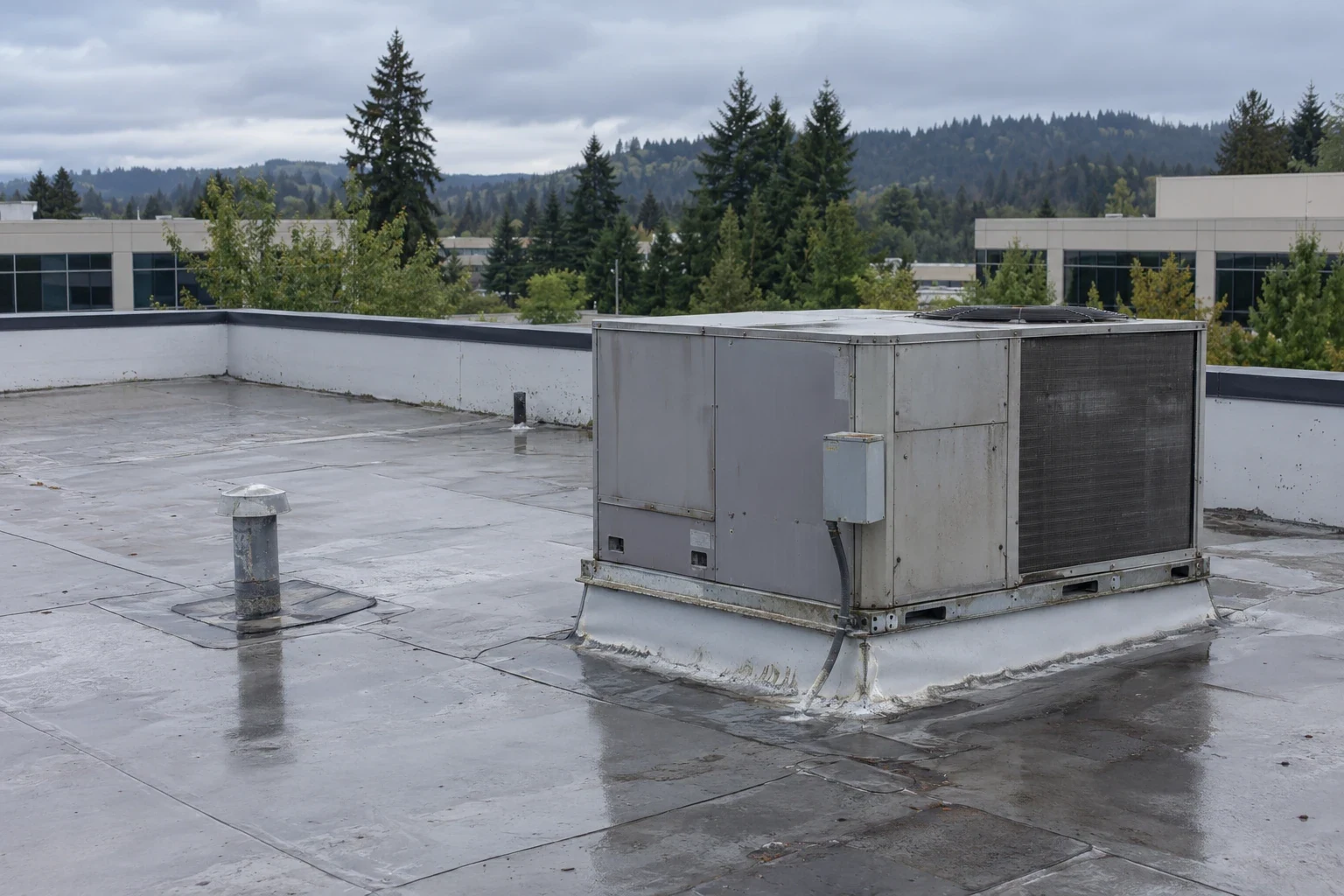
Keep the Guest Property File Current
At closeout the manager receives dated photos, roof-zone references, completed details, materials, exclusions and open tests. Any temporary protection, access limit or room touched by staging is noted beside them. A later report can then be matched to the same building, and the manager can see whether the earlier work boundary is involved.
For a portfolio, property management practice gives an address-level record pattern, and a property near Washington Square keeps its own contact, room list and plan like any other. An intake call needs the property address, the affected room, the leak location and any work-window restriction.
The scope sheet separates what the crew completed from what remains a test, an added repair or another trade's job. It carries the date the work area was released back to operations and the name of the contact who accepted it. If the property changes managers, those notes let the next person find the roof map, compare the condition and pick up the open item without repeating the intake. Operations staff can then update the building file and the budget owner without promising more than the documented work. A future inspection compares its photos against the same roof section, and any open approval sits beside its finding until the responsible contact closes it.
Related Roofing Work
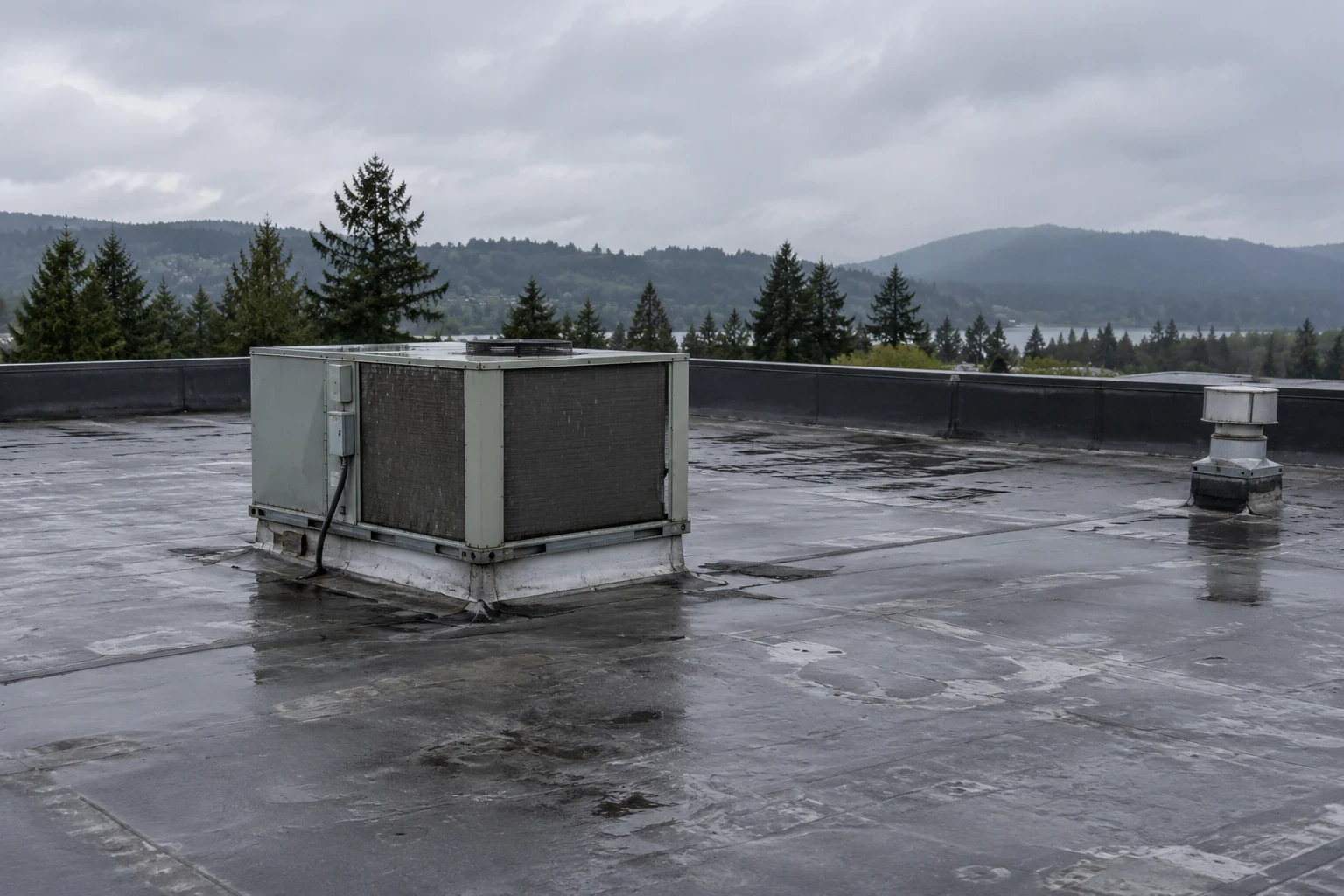
Commercial Roof Inspection
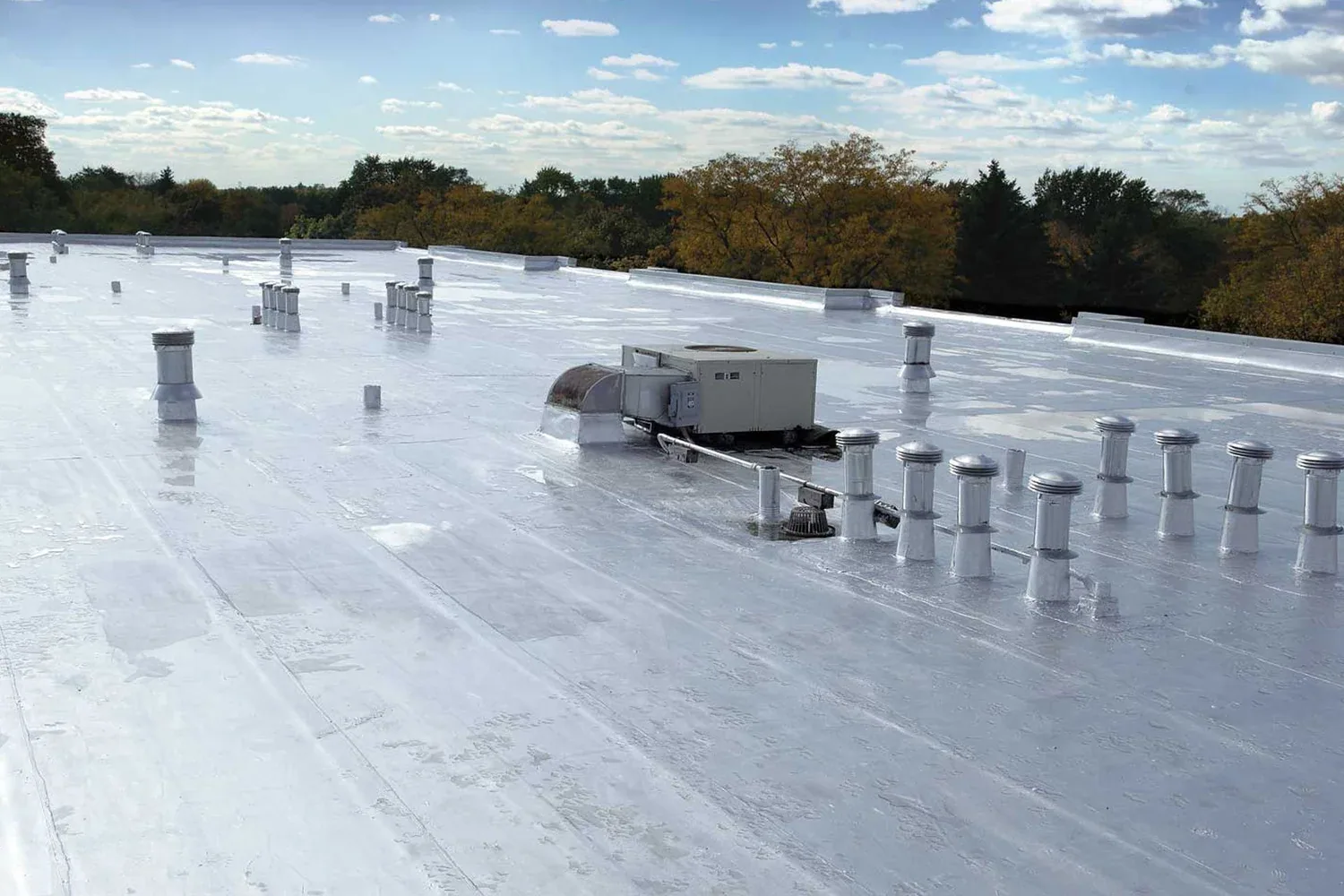
Commercial Roof Drains and Scuppers
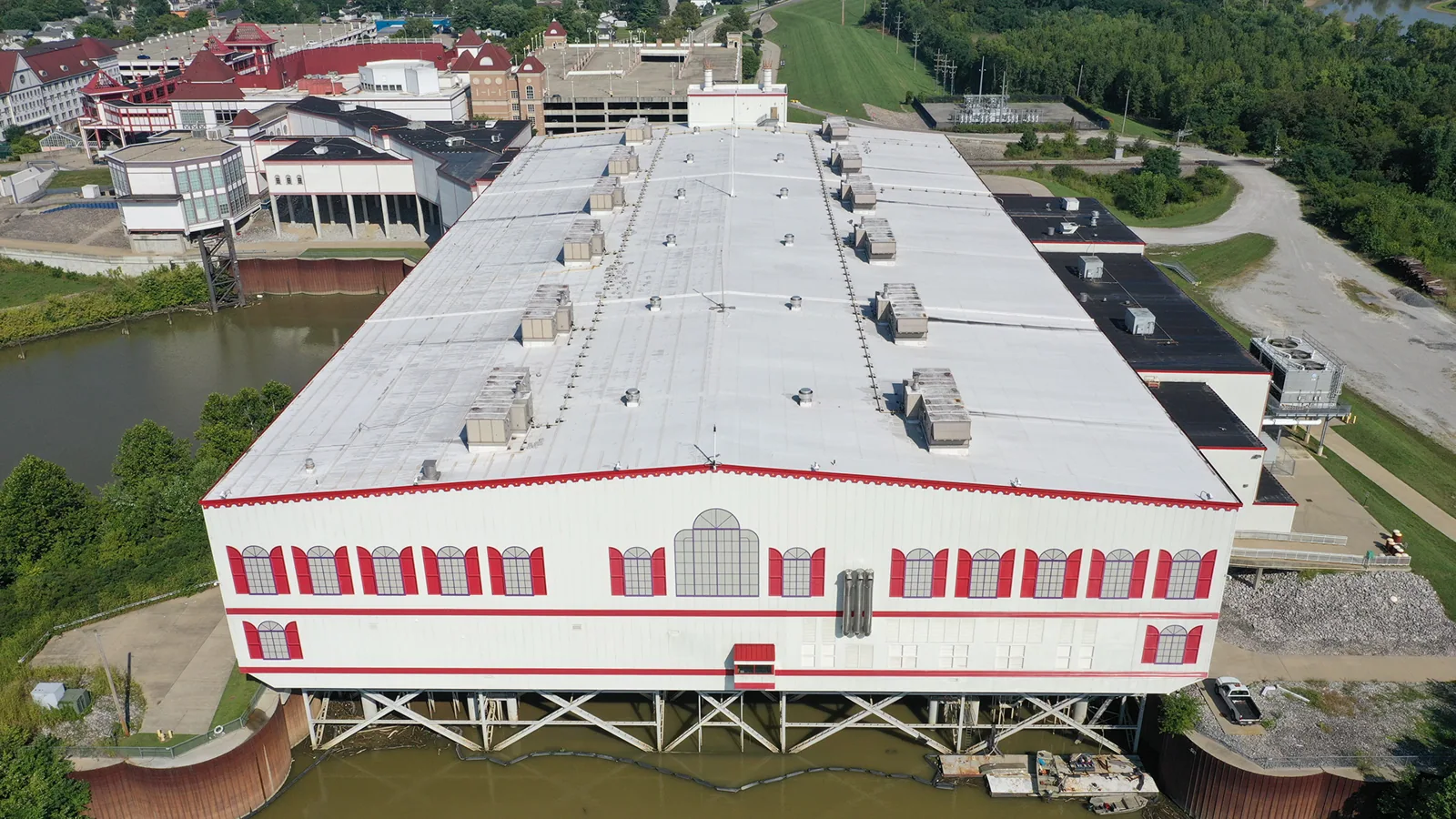
Occupied Building Reroofing
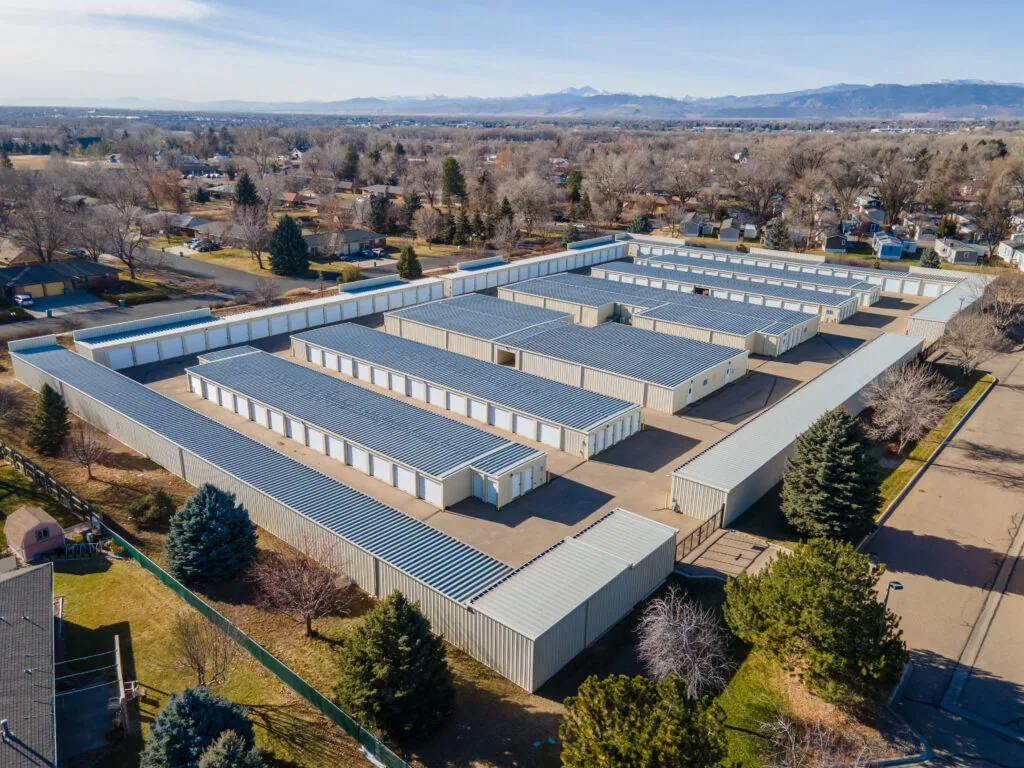
Multi-Site Commercial Roof Programs
Start With the Property Address
Call with the property address, affected room and last known leak location. We will arrange a make-safe visit when needed and provide a written scope sheet for the operations team.
Questions About Hospitality Groups
How do you handle a leak reported from a guest room?
We record the room and ceiling location, identify what is below the water and compare the report with the roof plan above. The property contact confirms guest-area access and any temporary move or barrier. The inspection then identifies the likely roof detail and open tests.
Can repairs be scheduled around occupancy?
The property contact sets access hours, event limits and guest-area boundaries. We document staging and protection before work begins. If the approved window changes or a room cannot be released, the crew coordinates a revised sequence with operations.
Are interior repairs included in the roofing scope?
The roofing scope addresses roof materials and details. Guest relocation, ceilings, finishes, HVAC or kitchen equipment remain separate unless specifically authorized. The proposal names the boundary so operations can assign other work appropriately.
What should a hospitality group keep for each property?
Retain the address-level roof plan, dated photos, findings, materials, completed repairs, exclusions and open tests. Keep access limits and room references with that building so a later manager can locate the repair history.
How is a temporary measure documented?
The report states the date, location, method and limitation of temporary protection, plus the permanent work still required. It should not be recorded as a completed repair until the permanent scope is performed and closed out.