Service Areas
Commercial roofing in the Washington Square regional center, OR: retail and office leak response, coating and repair decisions, and capital planning.
Commercial Roofing in the Washington Square Area, OR
A call from the Washington Square area starts with the same four answers as any other: the address, the room, what sits under the water and who can open the roof hatch. For a retail or office tenant in a busy regional center, the next question is timing. A crew arrives to make the area safe, which may mean a tarp, a temporary seal or a cleared drain, and takes a photo set of the roof before anything is cut.
The leak log opens that day with the date and the location. Then comes the second visit, where we mark what failed, price the repair and show where replacement belongs on the owner's capital line. For a property manager balancing a dozen tenant requests, a written scope sheet cuts the discussion down to decisions: patch, coat, replace in part, or plan a full reroof.
A regional center and its roofs
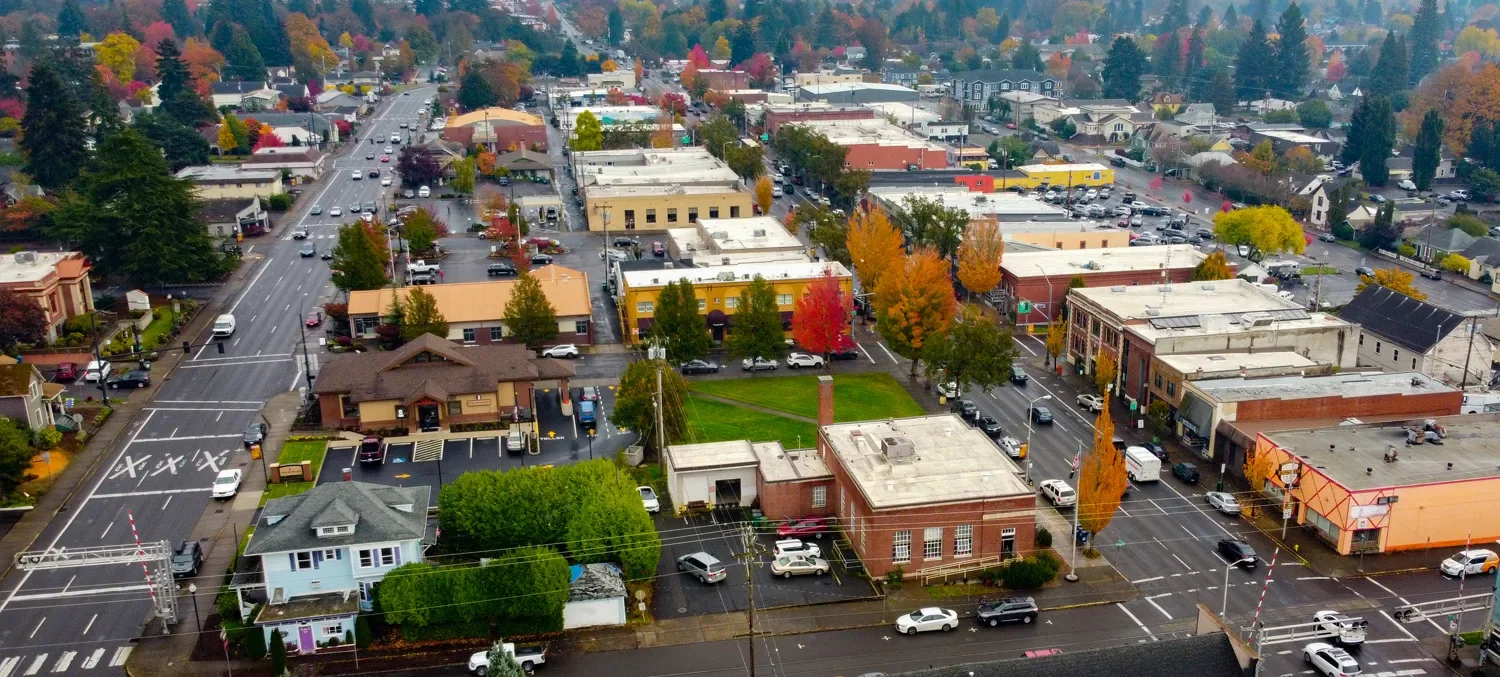
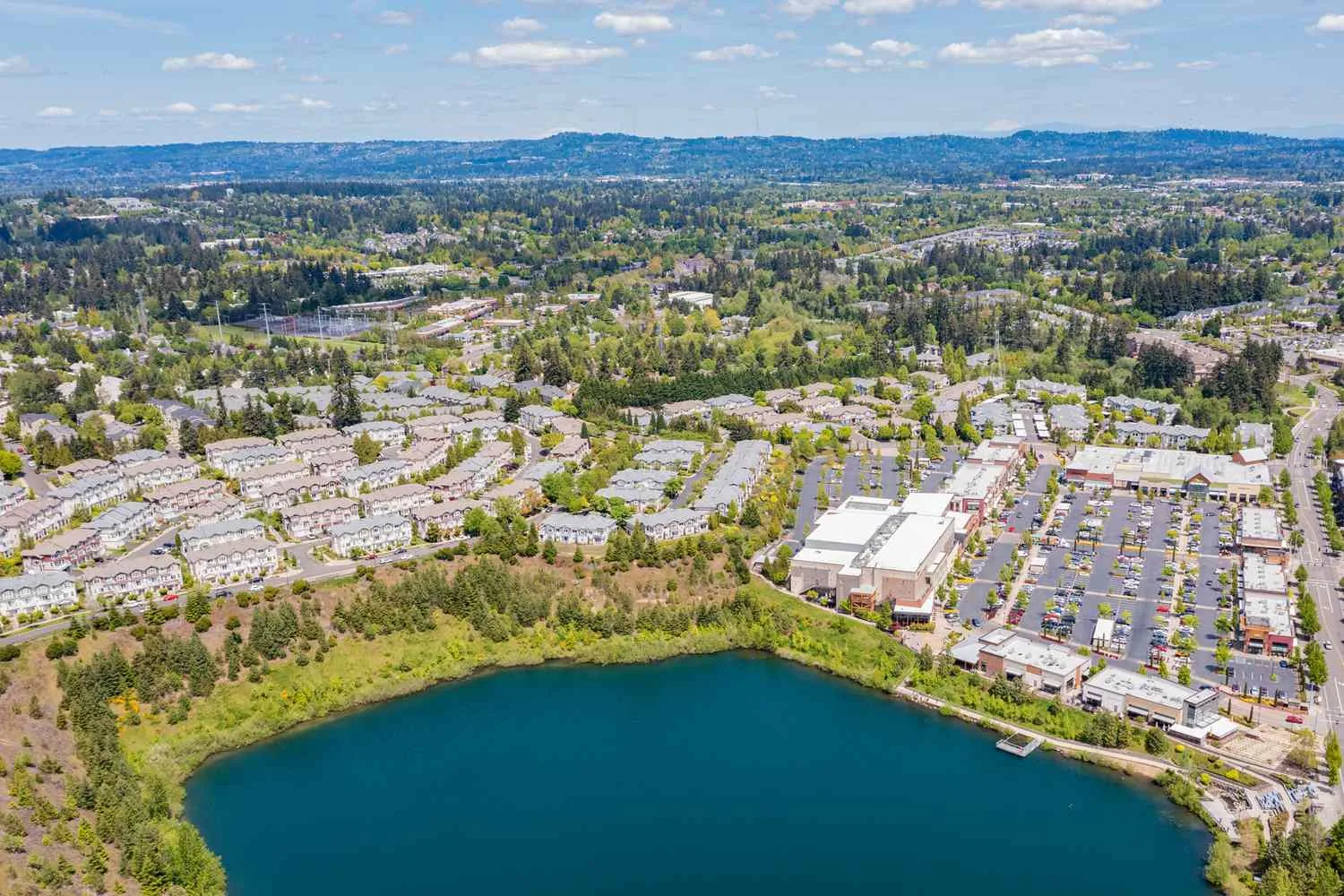
Metro designates Washington Square as a regional center in eastern Washington County, and the Washington Square mall is described as one of Oregon's largest, with a transit center in the area. Metro plans its regional centers around compact buildings of two to four stories with employment and housing close to transit. For roofing, that means a district where retail, office and housing buildings sit close together with many roof sections, shared walls and common drainage paths.
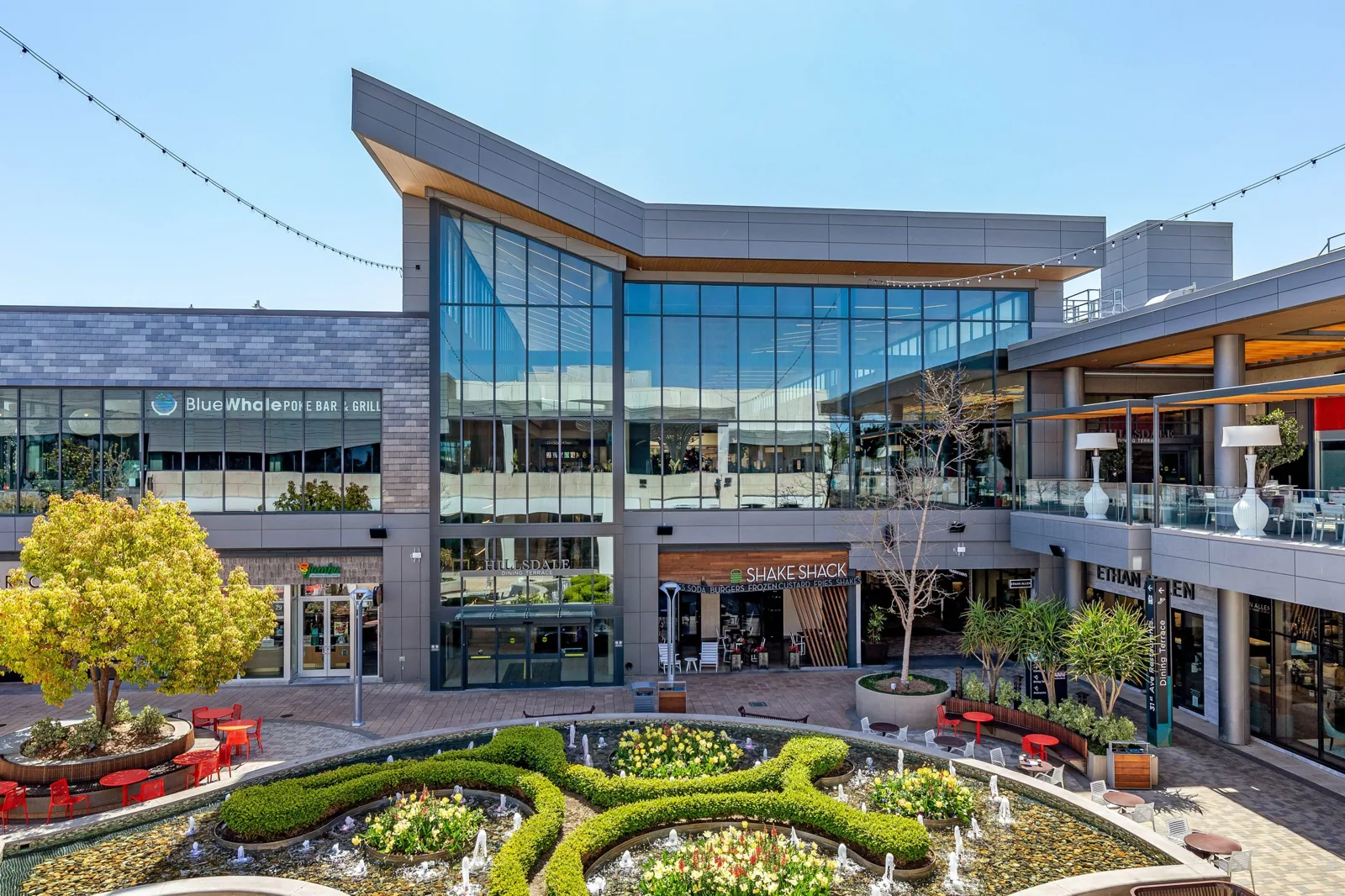
The mix matters because one leak can cross boundaries. Water from a parapet joint on one building can show up in a neighboring tenant space, and the roof drawings may not show it. We trace the path with moisture readings, photograph the entry point and record the shared details on the plan, so the owners involved can see where responsibility sits. Our work on a shopping center roof follows the same record from the first visit to the last.
In buildings of two to four stories the tenants sit close under the roof, so a missed leak reaches a ceiling quickly, and a sprinkler line or light fixture in the path makes it urgent. We ask where the water was found, what lies directly above it and when the stain first appeared, then match those answers to the roof plan before we step onto the surface.
OR 217 ties the commercial areas
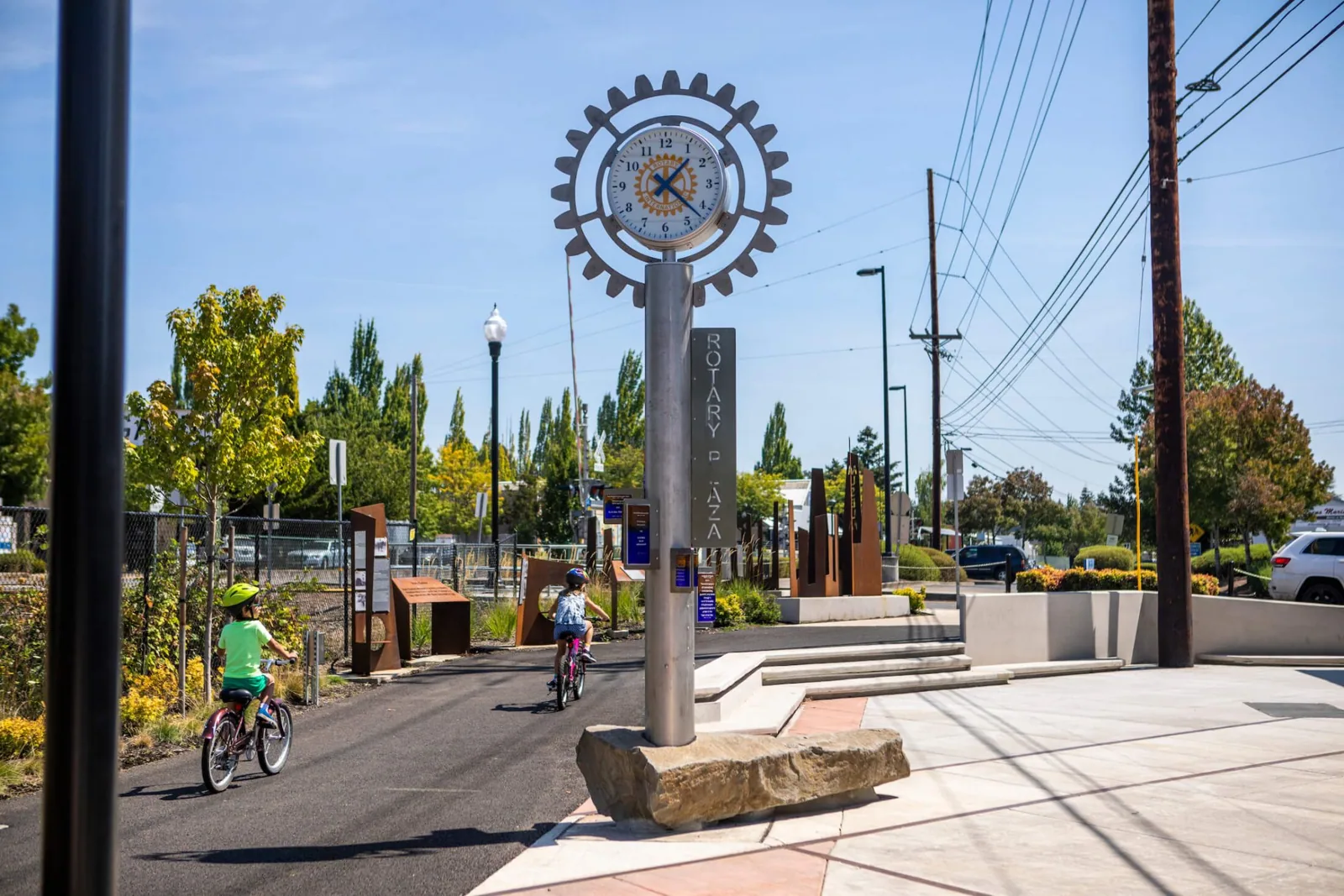
OR 217 links the Beaverton and Tigard commercial areas, with Washington Square along the way. Owners who hold property in all three places tend to want one standard for their roofs. Our building file gives them that: matching photo angles, a common leak-log layout and one drain-list format at each address. A roof in Tigard and one near Washington Square can then be compared on equal terms.
The same applies to properties in Downtown Beaverton, where Metro's regional center model also calls for compact buildings near transit. Ranking the roofs rests on readings and repair history, and the capital line follows from the ranking. The mall and transit center draw foot traffic through the day, so material hauling and noisy work are planned around the busiest hours.
Coat, repair or replace
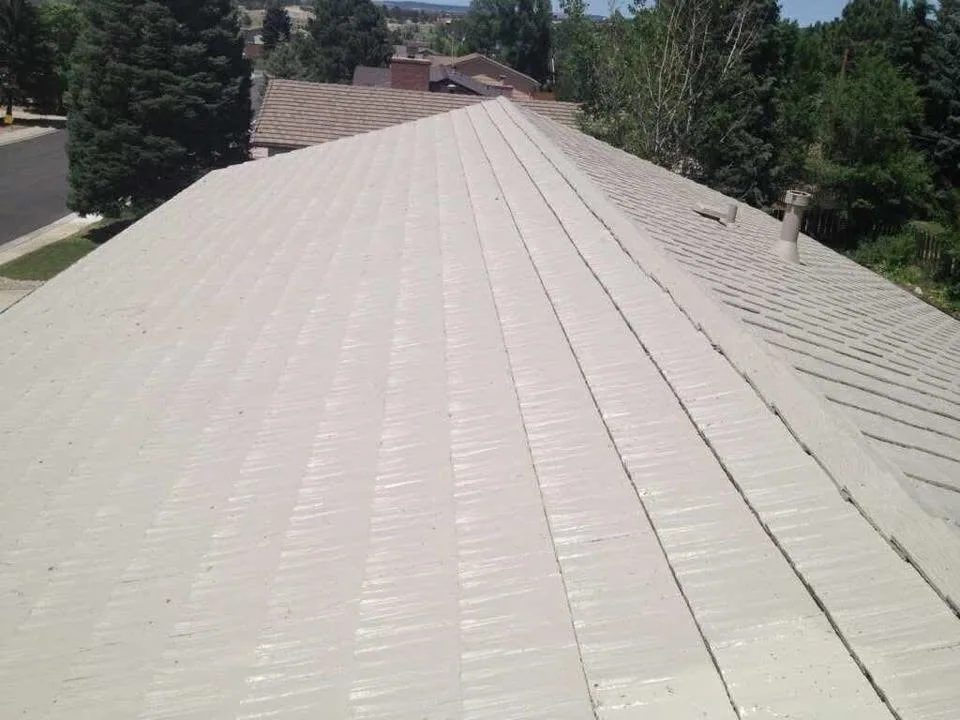
Retail roofs that are old but sound sometimes qualify for a coating instead of a replacement. A roof coating restoration works when the membrane is dry, well bonded and free of widespread blisters or seam failure. It adds a reflective, waterproof layer and can extend service life while delaying a larger capital outlay.
Coating does not work on wet insulation or a failing field. Before recommending it, we take moisture readings, probe the seams and check the adhesion of the existing surface. If the roof is wet, the right answer is a repair of the wet section or a replacement. The scope sheet puts the three options side by side, with the work and cost drivers of each, so the owner makes a capital decision with the numbers visible.
Timing matters as much as the product. A coating needs a dry surface and a stretch of settled weather to cure, and a wet Oregon spring can push the schedule. We hold the coating work until the surface is clean and dry, and we photograph each stage so the building file shows what was applied and where. That record helps if the roof is later evaluated for a sale or a lender review.
The wet season on a busy site
The Washington Square area has the same wet season as Beaverton, OR, with rain on roughly 151 days a year. Retail roofs here collect leaves and grit in drains and scuppers, and parapet flashings take the splash from wind-driven rain. A blocked drain can turn a sunny week after a storm into a leak report.
A fall visit under a preventive maintenance routine clears the drains, checks the flashings and logs the roof's condition before the wettest months. Where we find a failed termination, a flashing failure repair goes on the list at once. A short punch list in October is easier to carry out than a series of storm calls in December.
Put the roof on a schedule
Owners in a regional center plan around leases, tenant improvement cycles and refinancing dates. A roof that fails during a lease negotiation costs more than one that was planned. We help set the schedule by giving each roof a condition rating, a repair history and an expected decision date. That is the content of a roof capital plan.
The plan names which roofs can hold with maintenance, which need a coating or partial replacement and which should be budgeted for a full reroof. It is revised each year after the fall visit, and the leak log feeds it. Place an intake call with the building address, a contact on site and the last known leak location, and we will start with the make-safe visit.
Related Roofing Work
Shopping Center Roofing
Tigard
Downtown Beaverton
Roof Coating Restoration
Place an intake call for your Washington Square building
Call with the building address, a contact on site and the last known leak location. We will send a crew for a make-safe visit and follow with a written scope sheet that shows the repair boundary and the point where replacement belongs on your capital line.
Questions About Washington Square
Who handles a leak that crosses from one tenant space to another?
The lease and the entry point settle responsibility, and our job is to establish where the water came in. We trace it with moisture readings, mark the entry on the plan and photograph the shared detail. The scope sheet then separates common-roof work from tenant-caused damage.
When does a coating make sense for a retail roof?
A coating fits a dry, well-bonded membrane with sound seams and no widespread blistering. The decision follows moisture readings and an adhesion check, not the roof's age. If either test fails, the coating would trap a problem, and repair or replacement is the better path.
How fast can a crew get to a leak at a busy retail site?
Emergency response runs around the clock, so the intake call can come at night or on a holiday. The crew's arrival time depends on the call, the site access and the weather. The first visit makes the area safe, and the written scope follows after the second visit.
What goes into a capital plan for several roofs?
Each roof gets a condition rating, a moisture reading summary, a repair history and an estimated decision window. We rank them from most urgent to most stable. Owners use the ranking to set budget years, and we update it after each fall visit.
Can repairs happen during mall or center hours?
Often yes, if the work is on a roof section away from customer routes and the staging is out of the way. Noisy steps are scheduled for quieter hours, and material hauling avoids public lanes. The scope sheet states the hours and the work zone.