
Property Types We Roof
Grocery store roofing in Beaverton addresses cold-room equipment, drains, tenant access and leak records before repair or replacement is priced.
Grocery Store Roofing in Beaverton, OR
A leak report from a Beaverton grocery store starts with the case, prep area or sales aisle below the roof. We confirm whether water is active, whether product or electrical equipment is exposed and who can provide roof access. A make-safe visit stops the immediate entry where possible, then the crew marks nearby drains, curbs and rooftop units before permanent repair begins. Photos and the leak log stay with the store's building file.
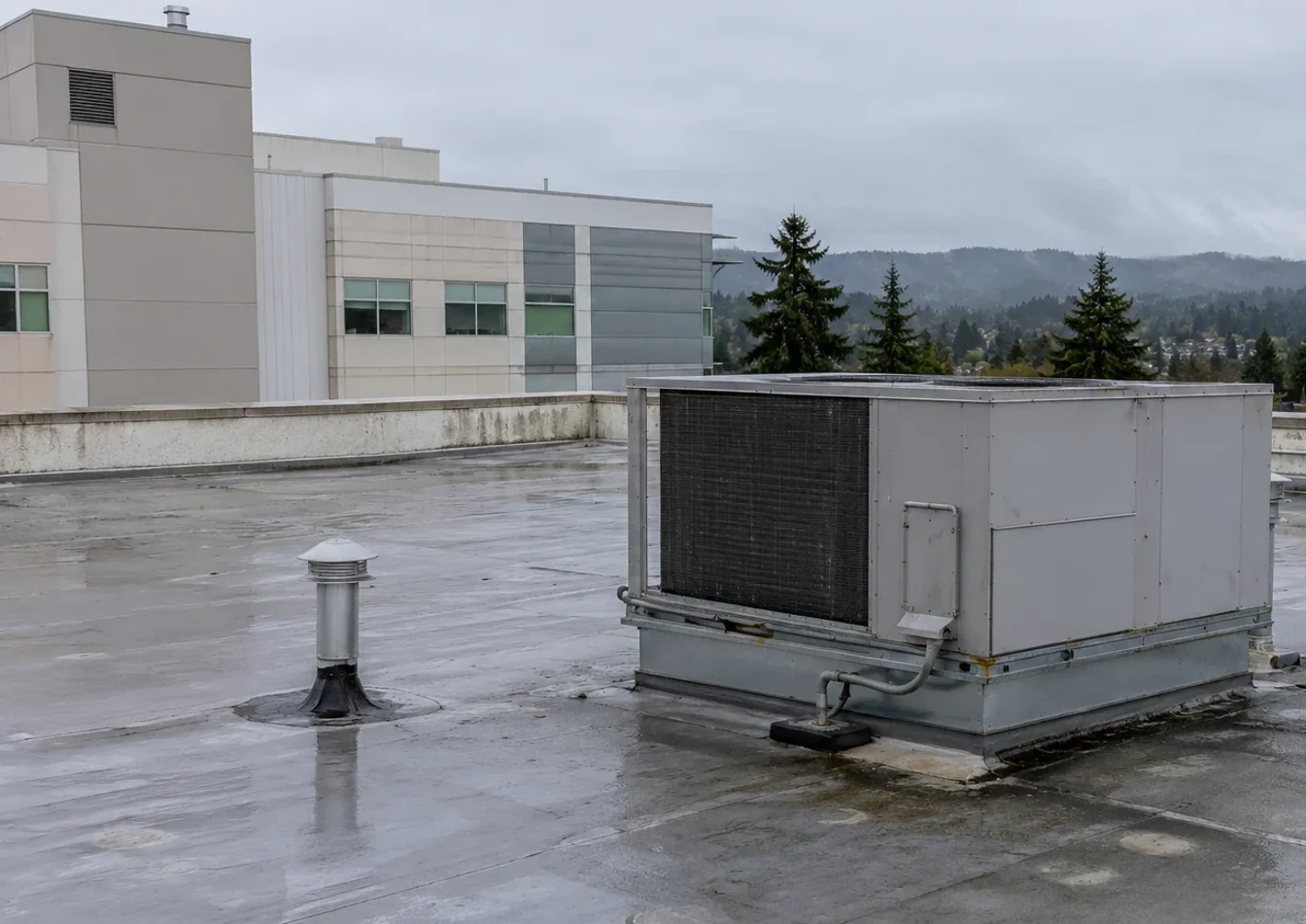
A grocery roof has penetrations and equipment that need to stay clear of drains and service routes. The indoor stain may not sit beneath the opening, particularly where water has moved along a deck or seam. We compare the report with the roof condition and document the boundary. A commercial roof inspection gives the manager a marked record for the next scope decision.
Check the Drain Before the Unit
Beaverton receives its wettest weather from November through January. A blocked drain near refrigeration equipment can leave water at the curb, membrane lap or service penetration. We inspect the sump, overflow, nearby flashing and low field, then identify whether the outlet is obstructed or the surrounding roof detail has failed. That difference changes whether the first work is clearing, repair or a broader drainage correction.
The city's commercial stock includes Cedar Hills Crossing and Progress Ridge Town Square, while Tanasbourne brings another regional retail setting near 185th Avenue. Each property still needs its own roof walk. We map refrigeration curbs, exhaust openings and electrical conduits by roof zone, then link the indoor report to the closest details. If an outlet needs work, the drain and scupper scope records the transition, overflow and access required.
Keep Service Clear Around Curbs
Refrigeration lines and rooftop units can limit how a crew reaches a seam or drain. We note equipment clearances, conduit supports and any area where a repair would affect service access. A loose curb flashing is treated as a roof detail; work on the equipment itself remains separate. The scope identifies the point of transition so the facilities contact can coordinate the roofing visit with the refrigeration team.
Food-processing operations such as Reser's Fine Foods sit along the corridor between Beaverton and Hillsboro; at a grocery store we inspect what is actually on the roof. For a multi-tenant store, the retail-center roof plan can track shared drains and suite boundaries, while the grocery scope keeps cold-room and equipment details visible.
Water around a refrigeration curb can come from a roof transition, a condensate line or equipment service, and those conditions call for different trades. We document the roof flashing and membrane separately from equipment connections, then note where a refrigeration technician needs access. That distinction prevents a roofing repair from being priced as equipment work and gives the store a clear handoff if both conditions need attention.
When the same interior area reports moisture after a roof repair, the next visit compares the original photo set with the current condition. We inspect whether the patch remains bonded, whether water is entering at another curb and whether the nearby drain is clear. The leak log records the new point and whether testing is warranted before the repair boundary is extended.
On a property with both food and general merchandise space, the big-box retail roof can be mapped as a separate operating zone, with its own loading access and repair boundary.
Protect Product and Interior Areas
For active water, the first visit identifies the affected interior, protects what is exposed and makes the roof opening safe. If the leak sits near a freezer or food-preparation area, the manager can identify any operational restriction before the crew enters. We record which roof zone was accessed, what temporary repair was made and what needs to be checked after the surface dries. The permanent scope follows with a clear repair boundary.
A membrane patch must reach sound material and address the path at the seam, curb or penetration. We remove failed material as needed, prepare the surface and confirm whether wet insulation is present before closing the roof. A compatible EPDM repair may fit an existing assembly, while recurring defects across several zones may shift the repair or replace threshold. The repair scope lists the detail and any open test separately. The photographs show the curb or seam before and after, so the store file carries both views.
Schedule Around Receiving
Grocery deliveries, waste pickup and refrigeration service make roof staging a coordination issue. We confirm the loading window, truck clearance, ladder or hatch, material drop and any route that must remain open. If work needs to cross an active entrance, the site contact can establish the protected area and timing. The written sequence names each roof zone so a crew does not begin over a store entrance without coordination.
The store contact sets the actual access rules. For planned work over an operating store, the occupied-building sequence records staging and protection. Emergency response is available around the clock, including weekends and holidays.
Price the Full Roof Condition
Repair cost depends on how many curbs, drains, seams and edges require work, how much preparation is needed, and whether insulation is wet. Replacement adds the tear-off or recovery method, new insulation, membrane, flashings and drain details. A coating may require adhesion testing, cleaning and surface repair before coverage. We list those items separately so the store can compare a defined patch with the larger roof area without combining different work.
At closeout, the building file receives a roof map, dated photos, unit and drain notes, repair materials, exclusions and any test still open. If a second visit is needed, we identify the roof zone and expected condition to resolve. A condition report keeps the record clear across maintenance handoffs. The Beaverton visit starts with the store address, equipment contact and last known leak location.
Related Roofing Work
Commercial Roof Inspection
Commercial Roof Drains and Scuppers
Shopping Center Roofing
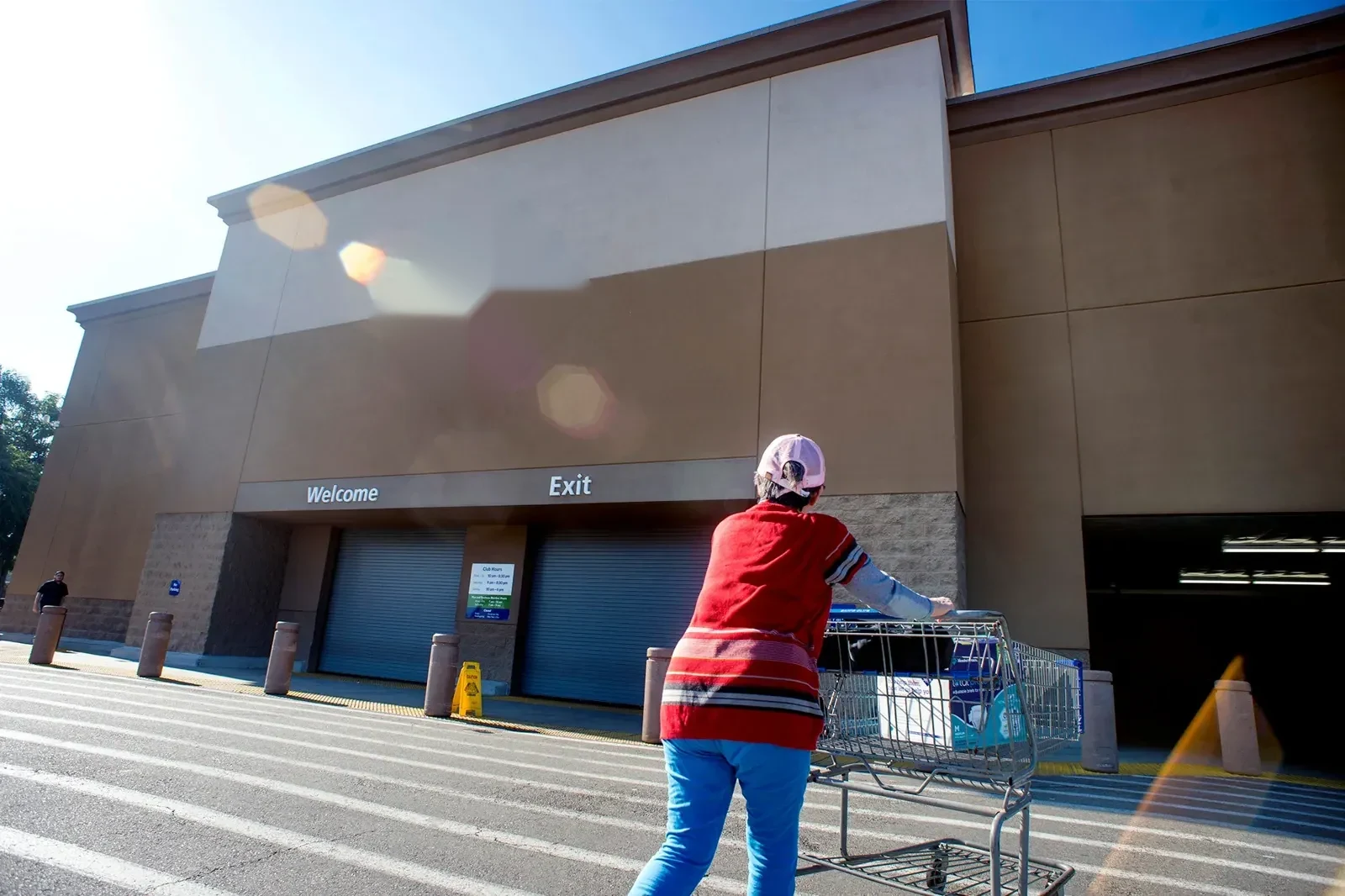
Big-Box Retail Roofing
Report the Affected Store Area
Place an intake call with the store address, affected aisle or equipment area and last known leak location. We will arrange a make-safe visit, record the roof condition and provide a written scope sheet.
Questions About Grocery Store Roofing
Can roof work affect refrigeration equipment?
Roofing scope includes the curb, flashing, membrane and related support details, not refrigeration repair. We record clearance, service routes and any coordination point for the equipment contact before work. If a roof detail cannot be reached without a shutdown or technician, that requirement is stated before the visit.
How do you protect product when a leak is active?
The intake call establishes the affected area and store contact. We arrange a make-safe visit, note what is exposed and coordinate the roof access and interior protection. The record distinguishes the temporary water-control step from the permanent repair that follows after the entry path is confirmed.
What if water appears far from the roof drain?
We compare the interior location with the deck, seams, curbs and drainage route above it. Water can move before it shows indoors, so the map records the reported point and likely entry separately. A test opening is listed if moisture extent remains uncertain.
Can a coating solve recurring leaks around rooftop units?
A coating does not replace curb or flashing repairs. We inspect the unit transitions, substrate, seams and drainage first, then determine whether the existing membrane is suitable for restoration. The scope lists repair, preparation and coverage separately so the equipment details are addressed before coating.
What should the store retain after roof work?
Keep the dated roof photos, marked drain and curb locations, repair boundary, material notes, exclusions and open test items. That file helps the next facilities contact compare the same equipment zones and identify whether a recurring report matches a prior repair.