Service Areas
Commercial roof leak response, inspection and replacement scopes for Vancouver, WA buildings, with a make-safe visit and a written scope sheet.
Commercial Roofing in Vancouver, WA
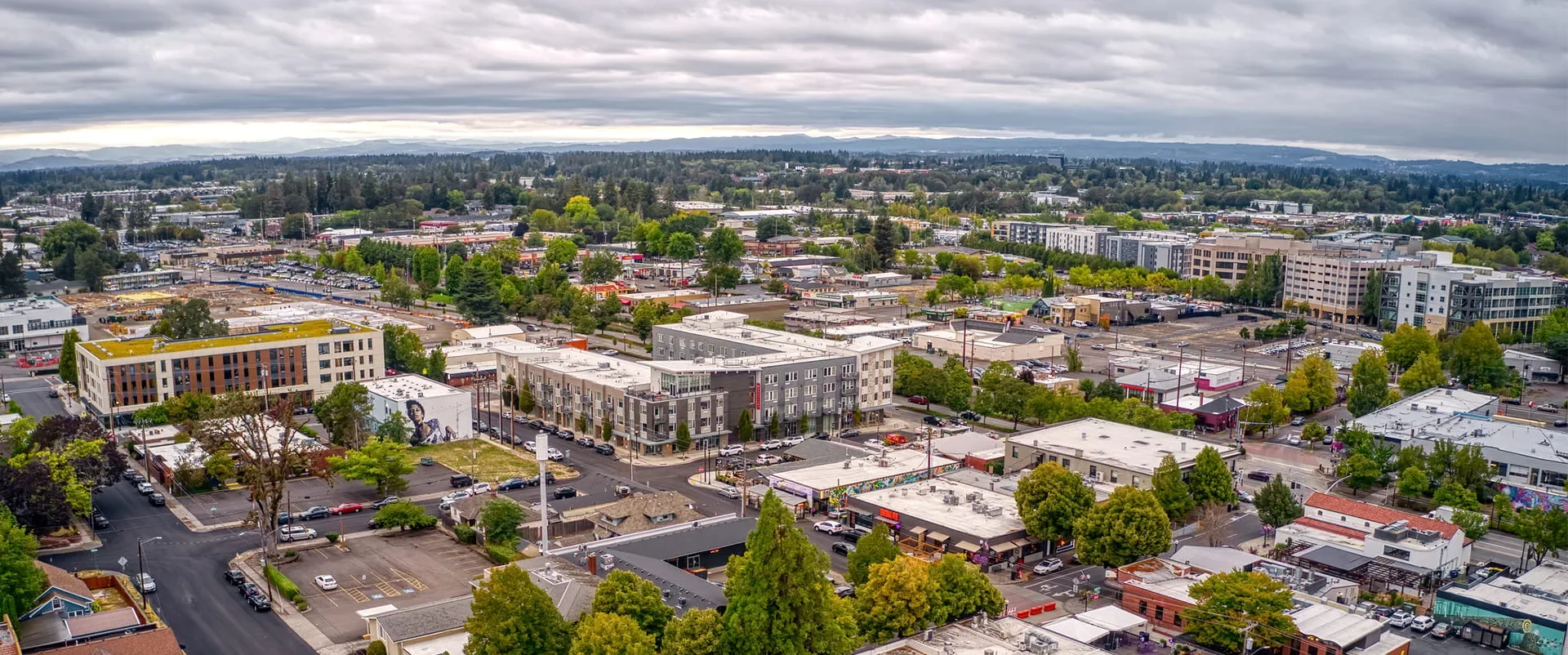
A Vancouver, WA building that reports water adds one question to the usual intake: which jurisdiction issues permits for this address, because that decides which code applies to any replacement. Everything else follows the standard order. We confirm the wet room, the roof access and the contact, and a crew from Beaverton, OR goes out to stop the water and photograph the roof before it is touched. Vancouver had 190,915 residents in 2020, with I-5 and I-205 connecting it to Portland. The temporary work comes first, and the scope sheet that follows says what a permanent repair, a recover or a replacement would involve on that particular roof.
From Report to Photo Set
At intake we note the address, the room, when the water showed up and any recent rooftop work, such as an equipment change or a cable run. The crew then drives to the site, covers or moves anything exposed below the leak, and goes to the roof. We walk from the highest point toward the drains, following the water the way it traveled, and photograph each detail before touching it.
The photo set, the plan sketch and the leak log become the first entries in the building file. For an owner with property on both sides of the Columbia, the file looks the same in either state, which makes comparing buildings straightforward. The make-safe step is recorded as temporary, with the date, so nobody mistakes it for the finished repair.
Weather That Tests the Dry-In
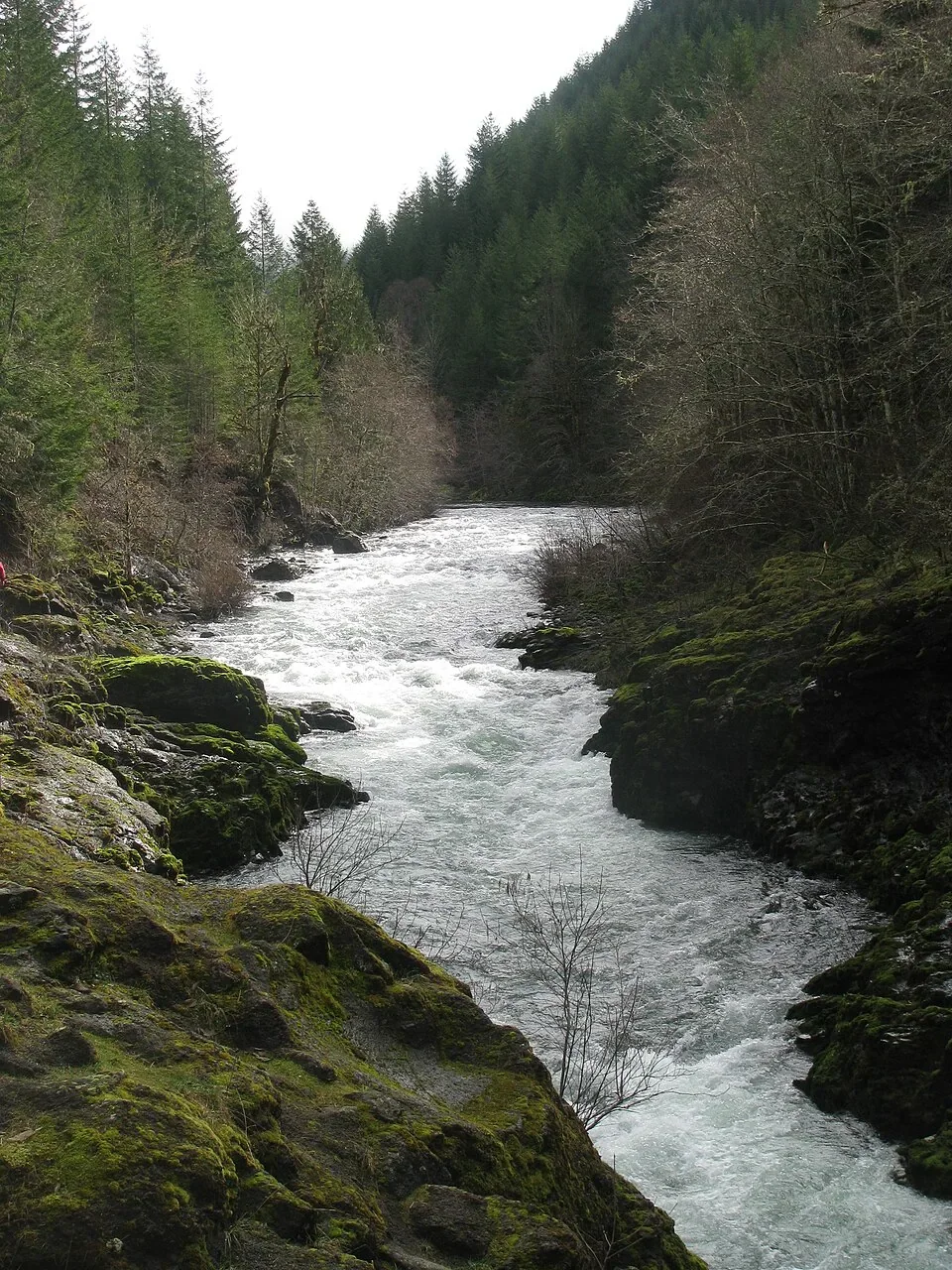
Vancouver gets rain from fall through spring, occasional freezing-rain silver thaw events, and cold east winds down the Columbia River Gorge. Each of these affects a temporary cover differently. Rain demands a seal that holds against standing water. Freezing rain coats tarps and tape with ice and can lift edges as it thaws. A cold east wind pulls at any unsecured edge.
So we fix tarps with weighted battens and sealed perimeters, tape seams on a dry, clean surface where possible, and clear drains so that melting ice has somewhere to go. The second visit follows the next dry window. We recheck every temporary measure, record any movement, and carry out the permanent repair when the deck and membrane are dry enough for adhesives and welds to hold.
Because the temporary cover may sit for a while, we leave the building contact a short list of what to watch: new staining, drips after a heavy rain, and any sound of flapping at an edge. A photo with the time attached is enough. Those notes go into the leak log and shape the permanent scope, so the repair covers every opening the water used.
Records for Large Employers
Major employers in Vancouver include PeaceHealth, Vancouver Public Schools and SEH America, and a facilities file for a building of any size needs clear roof records. A commercial roof inspection produces a condition report organized by roof area, with photographs, findings marked monitor, repair or replace, and the method used stated plainly. That format fits a facilities file or a capital request.
For owners with several buildings, roof condition reports and a multi-site roof program put every roof on the same scale. The roofs on a property are known only after a walk, so the report records what the walk finds. What we offer is a consistent method that works for a single office, a clinic, a school building or an industrial site.
The report also lists access details: where the hatch or ladder is, what has to be moved to reach it, and which hours suit the occupants. A facilities team reading it a year later can plan the next visit without starting over. We attach the plan sketch with every leak location marked, so repeated stains in one area stand out as a pattern rather than as separate events.
The Repair or Replace Line
The threshold comparison is the same on either side of the river: the cost of the repair and the next likely repairs against a recover or a full replacement. When the repair costs approach the replacement cost, the roof belongs on the capital line, and the scope sheet shows the range of dates for that decision.
What changes is the code. The 2025 Oregon Structural Specialty Code applies to Oregon projects, such as those in Beaverton. For a Vancouver, WA building, Washington's adopted codes and the local building department's requirements govern the replacement scope, and we confirm the edition that applies before pricing insulation depth, fastening and wind uplift details. A recover is allowed only if the existing assembly is dry and the code in force permits another layer.
Ponding, Moss and Ice Melt
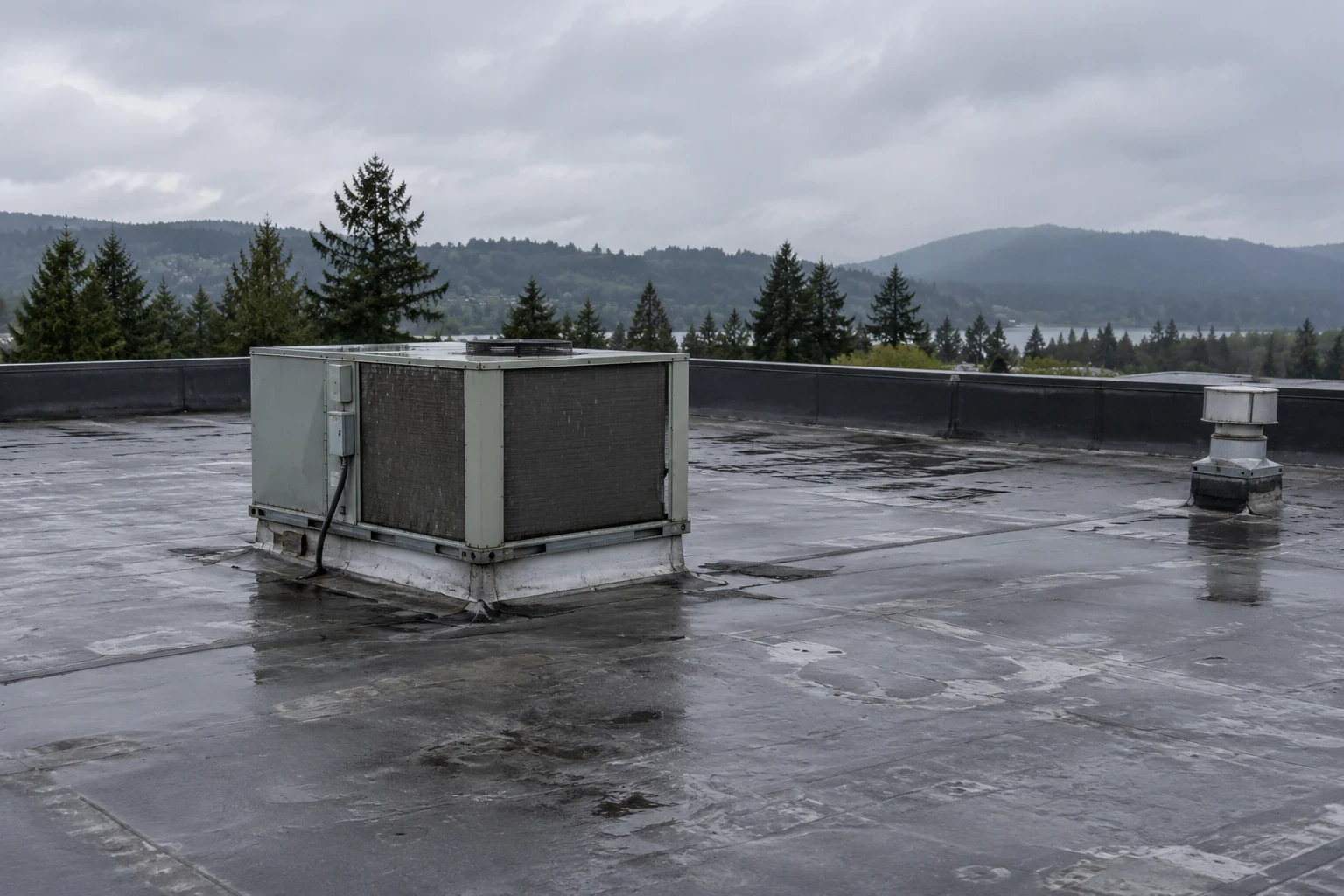
Months of rain leave moss and debris in drains and along roof edges, and a clogged drain turns into a pond within hours of a heavy storm. We pull strainers, check the sump and note what is gathering. A ponding check marks the outline of standing water the day after rain and photographs it against a fixed reference.
Ice adds a second problem. Meltwater from a silver thaw runs to the drains and, if they are blocked, refreezes at the edge. Drain and scupper work also includes resetting bowls and cutting in overflow openings, and edge metal, coping and gutters get a look too because freeze cycles stress the joints and fasteners there first.
If the survey shows insulation that stayed wet after a leak, we say so in the scope. Wet insulation does not dry reliably under a membrane, and leaving it in place usually brings the leak back. Removing it and replacing it with dry board is a bounded repair that costs less than doing the same work during a full tear-off.
Docks, Ports and Waterfront Sites
The Port of Vancouver USA on the Columbia handles over 400 ocean-going vessels a year, and the former Boise Cascade mill site is being redeveloped as a roughly 21-block waterfront project, so freight and construction traffic shape access around the waterfront. Where a building sits near either, we plan truck routes, lifts and staging with the building contact before the first day.
On occupied buildings, our occupied building reroofing sequence works in sections, with debris protection placed first and each section dried in before the crew leaves. For owners also holding property in Portland or Beaverton, one file format covers every building.
Related Roofing Work
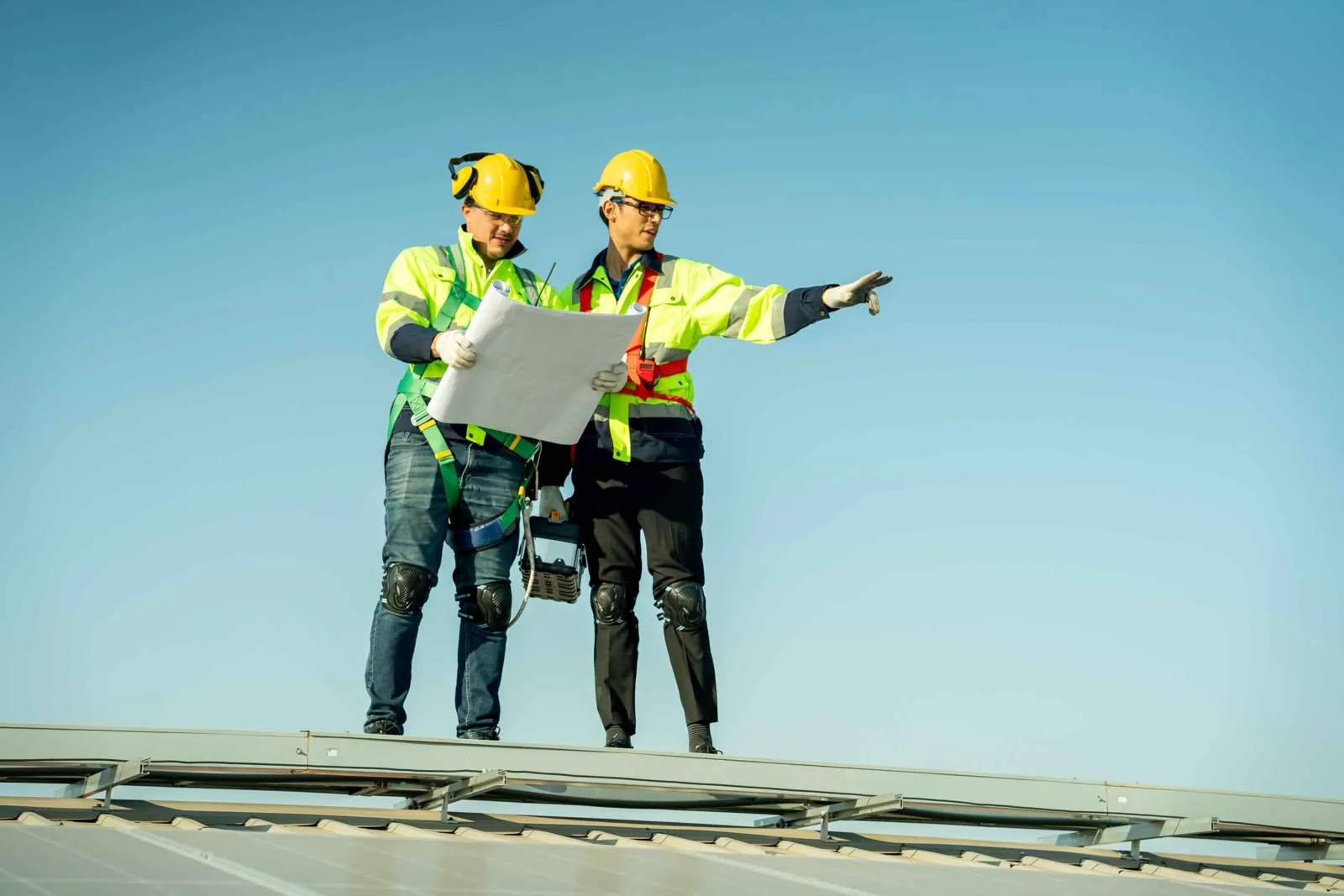
Commercial Roof Inspection
Commercial Roof Condition Reports
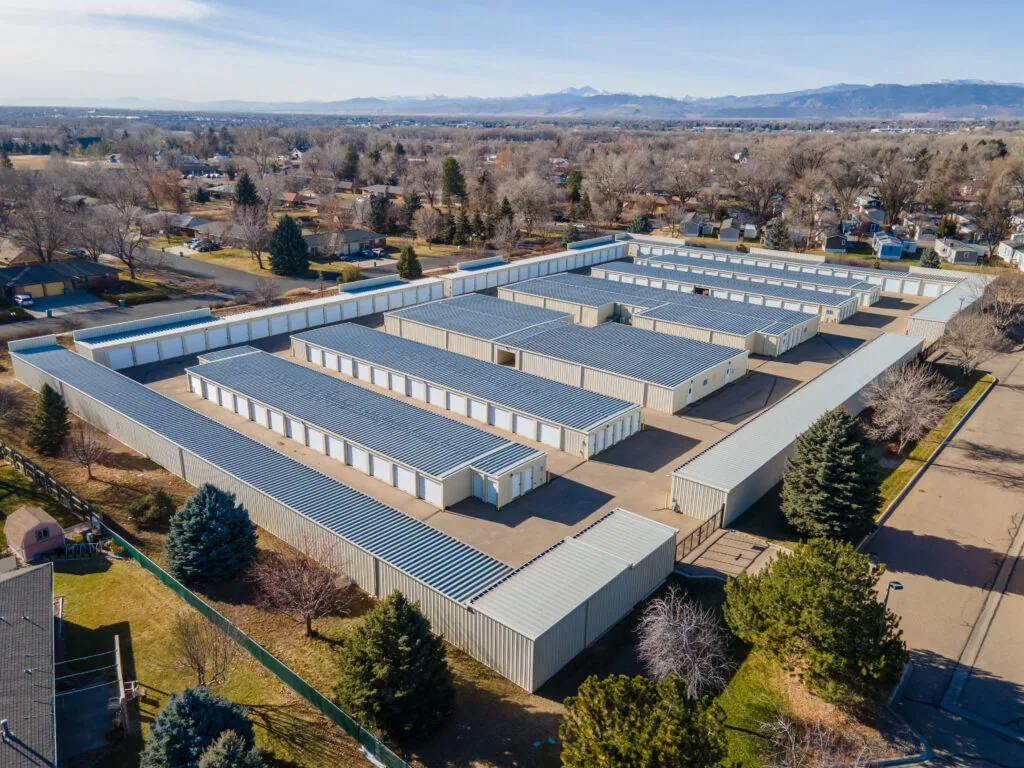
Multi-Site Commercial Roof Programs
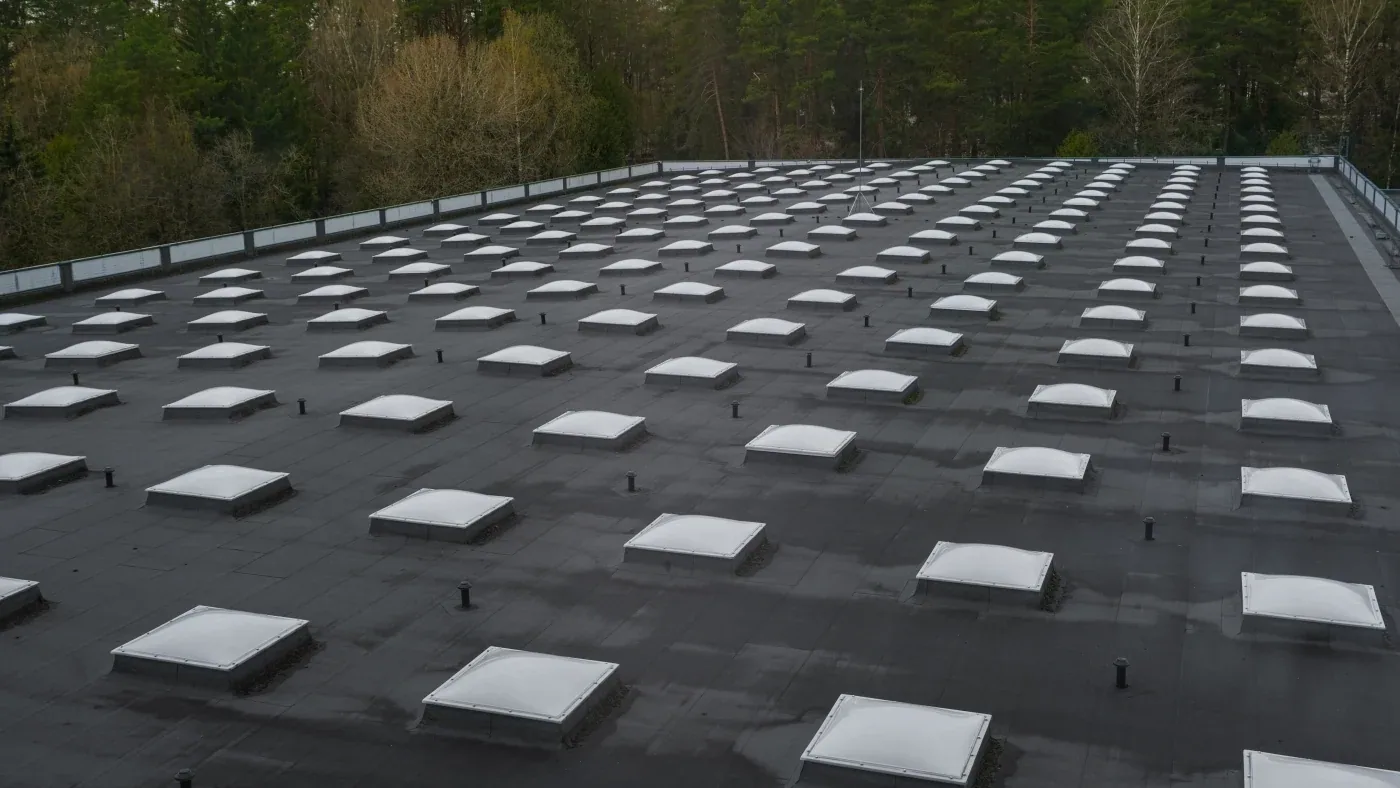
Roof Recover and Overlay
Place an intake call for your Vancouver roof
Send the building address, the room that took water and the last known leak location. We will schedule the make-safe visit and follow it with a written scope sheet.
Questions About Vancouver
Which code governs a roof replacement across the river in Washington?
Washington's adopted codes and the local building department's rules govern a Vancouver, WA project, not Oregon's. We confirm the edition and any local amendments before pricing, since they set insulation depth and wind uplift requirements.
What does a silver thaw do to a temporary roof cover?
Ice coats the tarp and tape, and when it thaws the edges can lift or slide. We use weighted battens and sealed perimeters and clear drains so meltwater has a path. The second visit rechecks every measure.
Can one report cover several buildings for a multi-site owner?
Yes. Each building gets its own roof-area breakdown, photographs and findings, and the set uses one scale so roofs can be compared. Owners with property in Washington and Oregon receive the same layout for both.
How do cold east winds change the choice of roof system?
Wind from the Gorge raises uplift loads at edges and corners, so the perimeter attachment and edge metal matter most. We review the existing attachment during the walk and specify the perimeter details that the code and the manufacturer's rules require for the chosen system.
Does a waterfront redevelopment area change how you plan staging?
It can. Construction traffic, closed lanes and limited laydown space all affect truck and lift access. We map those on the first walk and write the staging plan into the scope.