Commercial Roofing Services
Preventive roof maintenance in Beaverton, OR pairs drainage checks, detail repairs and dated records so property teams can plan work before another wet season.
Preventive Roof Maintenance in Beaverton, OR
The first maintenance visit starts with the leak log, the last repair date and the roof plan. We compare those records with the roof in front of us, then sort the work into clear next steps: clear the drain, rebuild the failed detail, or carry a larger section onto the capital line. That sequence matters in Beaverton, OR, where rain is spread across about 151 days and November through January are the wettest months. Your building file should show what was checked and what is due next, not just a work order marked complete.
We maintain low-slope and metal roofs on a schedule shaped by drainage, seams, flashings, rooftop equipment and access. A preventive maintenance visit gives the property manager a condition record and a repair or replace threshold for each item, so a small defect is handled before it becomes an interior call.
Start With the Record
We read the previous photo set before going up. If the last note points to a drain sump, an open lap or a curb that was temporarily sealed, that location gets a direct recheck. We also ask what changed since the last visit: new rooftop equipment, a service contractor, tenant work or a ceiling stain. The answer determines where the walk begins, and the visit record keeps the timeline intact.
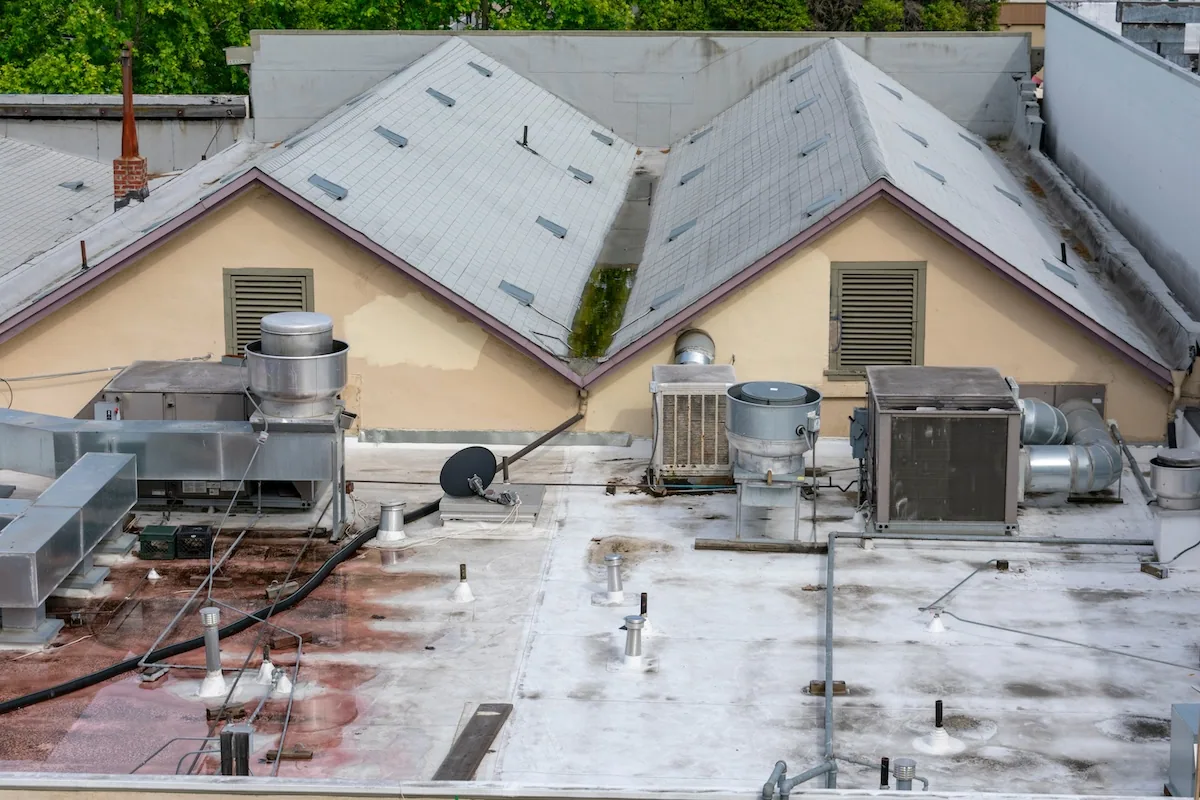
On the roof, the route follows the building rather than a generic checklist. We check access and perimeter details first, then seams, penetrations, curbs, drains and areas where water has stood. On a metal roof, the walk includes panel laps, clips, fasteners and closures. On a single-ply roof, we look at welded or adhered seams and the flashing transitions that move with the deck. Each finding gets a location and a photograph.
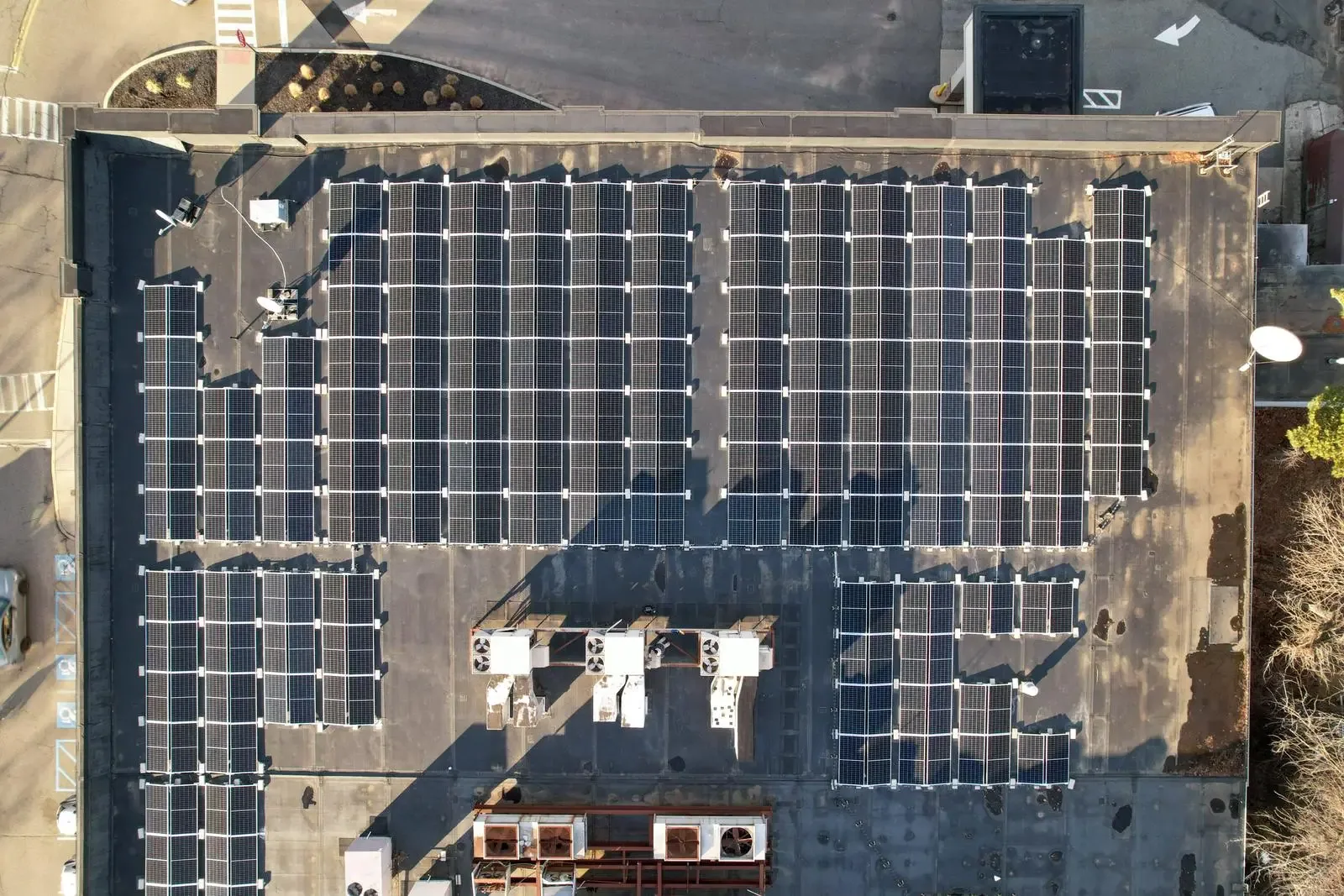
A drone roof survey can map a large surface for hands-on follow-up. An infrared moisture survey locates suspected wet insulation; test cuts confirm the boundary. The scope sheet states what supports each repair recommendation.
Keep Water Moving
A drain can look open from the hatch and still hold debris below the strainer. We remove loose leaves and grit, inspect the bowl and clamping ring, and check the outlet or scupper path. When the roof allows it, a controlled water check shows whether the low area empties. We record a blocked leader, damaged strainer or slow drain as separate work, since clearing the opening does not correct a low spot that sends water back to it.
Beaverton's wet season keeps seams, coating edges and flashing bases exposed to persistent water. A repeated ponding mark can point to slope or deck movement. We price a drainage correction separately from routine clearing, so the file distinguishes maintenance from a larger scope.
Around Cedar Hills, retail access and loading activity can shape the visit. We confirm roof keys, delivery areas and tenant notice first, then record the drain check in that building’s file.
Separate Repair From Replacement
Maintenance is not a reason to keep patching a roof that has crossed its repair or replace threshold. A seam opening in otherwise dry material may be a focused repair. Wet insulation across several test areas, recurring leaks at separate details or a field membrane that has become brittle call for a different discussion. We mark the observed condition, explain the limit of a spot repair and price the options as separate scope lines.
Where the assembly remains sound, compatible repair materials preserve the existing system. A planned repair scope can include the damaged flashing, a curb transition or a puncture and its wet insulation. If the deck and membrane support a coating or recover, we describe the preparation and tie-in requirements; if they do not, we show why replacement belongs in the capital plan. The decision is tied to exposed conditions, not a calendar alone.
Portland recorded 116 degrees in June 2021. We check exposed sealants, coating surfaces and transitions for visible wear, then order closer testing only when needed.
Set the Next Visit
Most maintenance programs use a primary annual walk and a shorter return visit before the next wet season. A building with active drainage trouble, a recent repair or vulnerable rooftop equipment may need an interim check after a storm. We set the next date from the findings and the owner's operating calendar, then list access, escort and equipment-shutdown needs before the crew arrives.
Beaverton's wettest months fall late in the year, while freezing nights can affect the way some repair materials are installed. A dry-in or temporary seal can protect an opening until conditions suit a permanent repair, but the scope sheet must label that work as temporary and give the next action. If tenants occupy the space below, we coordinate noise, roof access and any protection needed around their operations. The schedule and the building file should tell the same story.
Along US 26 and OR 217 a visit can run into delivery windows at a store or dock. The plan records each site contact and work window. A multi-building roof program compares findings without treating assemblies as alike.
Price the Work You Can See
Cost follows roof area, access, system type, detail count and repair needs. Clearing a strainer differs from rebuilding a drain sump or replacing wet insulation. We separate routine tasks from corrective work and support the scope with photos and measurements.
The service record includes the route checked, observations, photographs, work performed and open items. A condition report carries those details into a lender file or portfolio review. Acquisition surveys use a separate scope from recurring maintenance.
The assembly and its condition are identified on the roof, and the price follows the scope found there.
Close the Visit
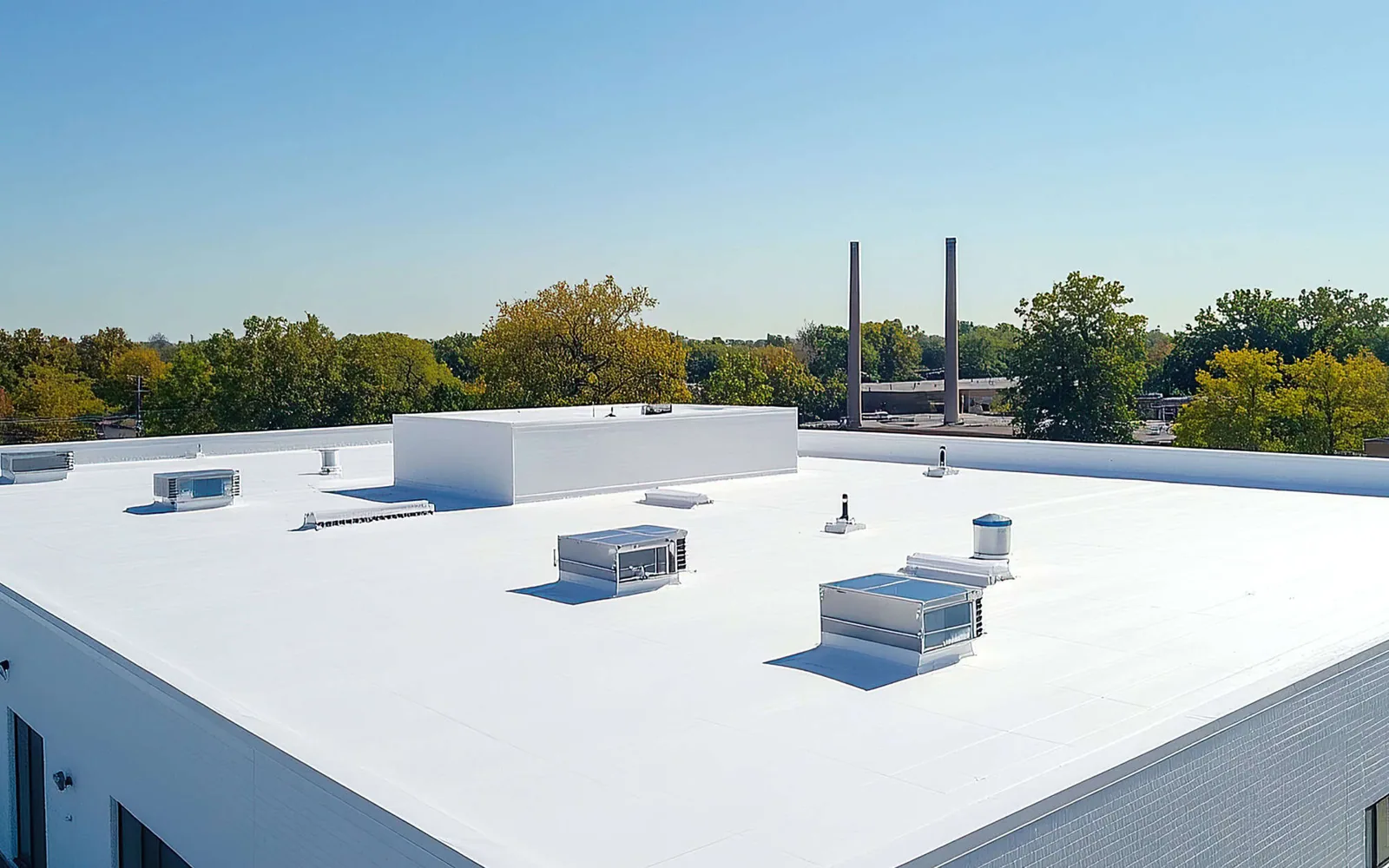
At closeout, you receive a dated photo set, a marked roof plan when one is available, a list of completed maintenance tasks and a schedule for unresolved work. A drain cleared today should not disappear into a generic completion note; the record states which outlet was checked and whether water moved as expected. A seam marked for repair stays open until the permanent work is documented.
The record helps the next manager distinguish a recurring failure from a new one. We keep the repair or replace threshold visible, note the next dry window when relevant and file the next check date.
For an intake call, send the address, last known leak location and any earlier repair dates. We arrange the maintenance walk, make-safe work if water is active, and a written scope sheet with each item assigned a next step.
Related Roofing Work
Drone Roof Inspection
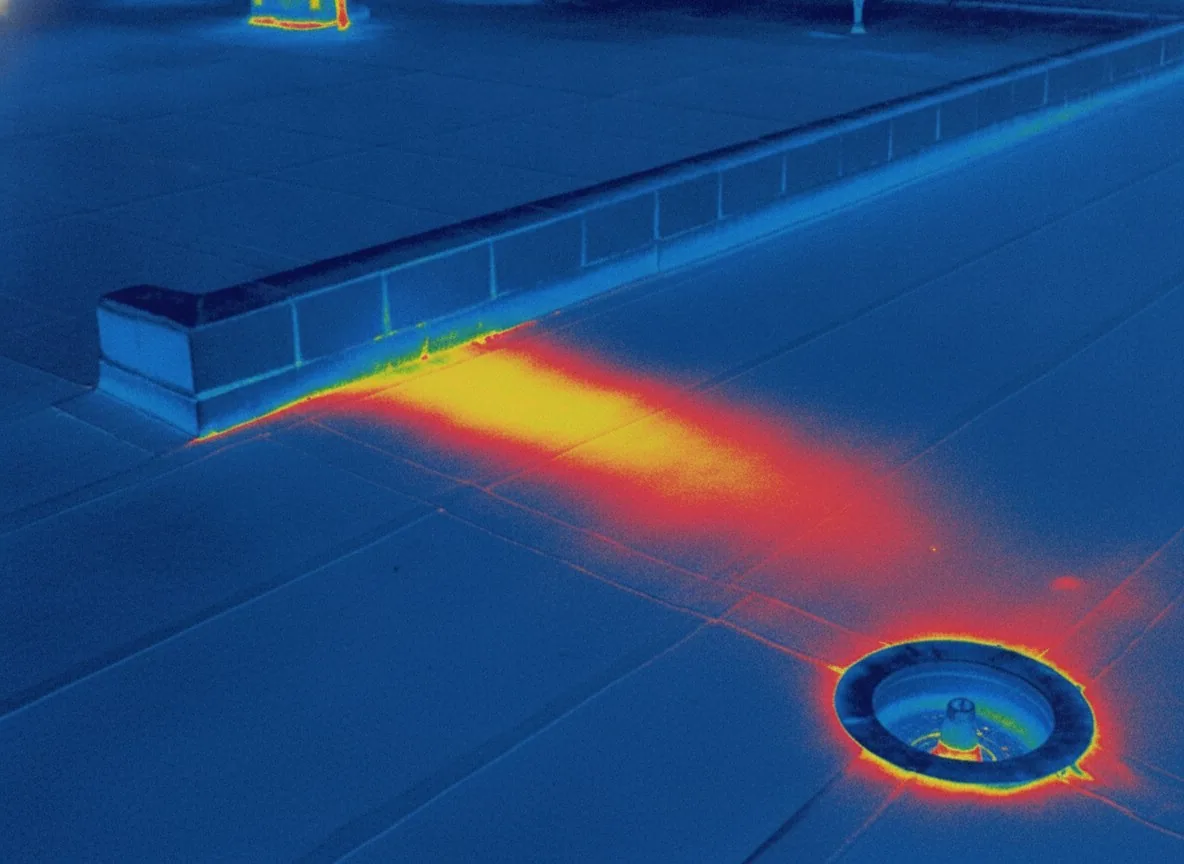
Infrared Moisture Survey
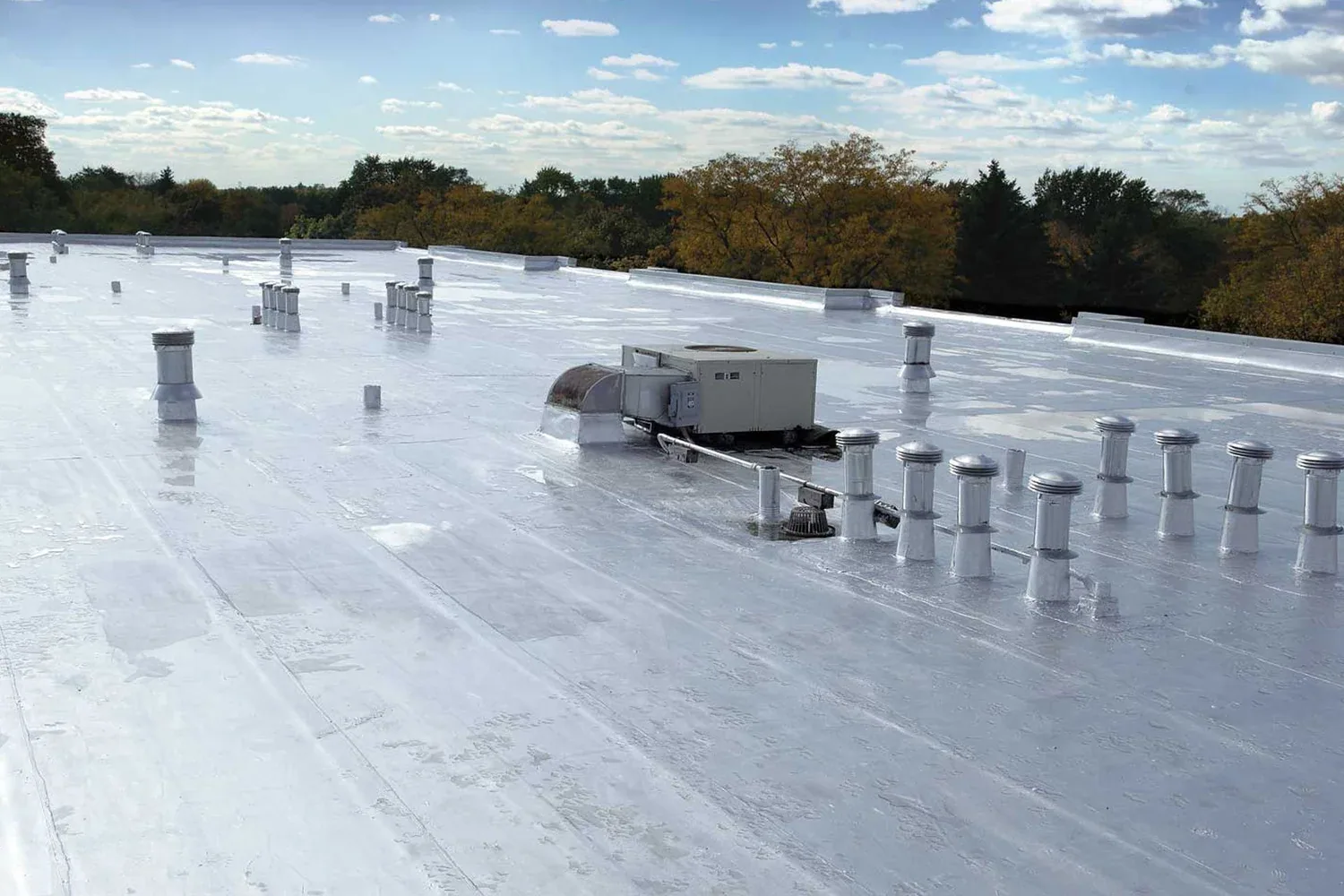
Commercial Roof Drains and Scuppers
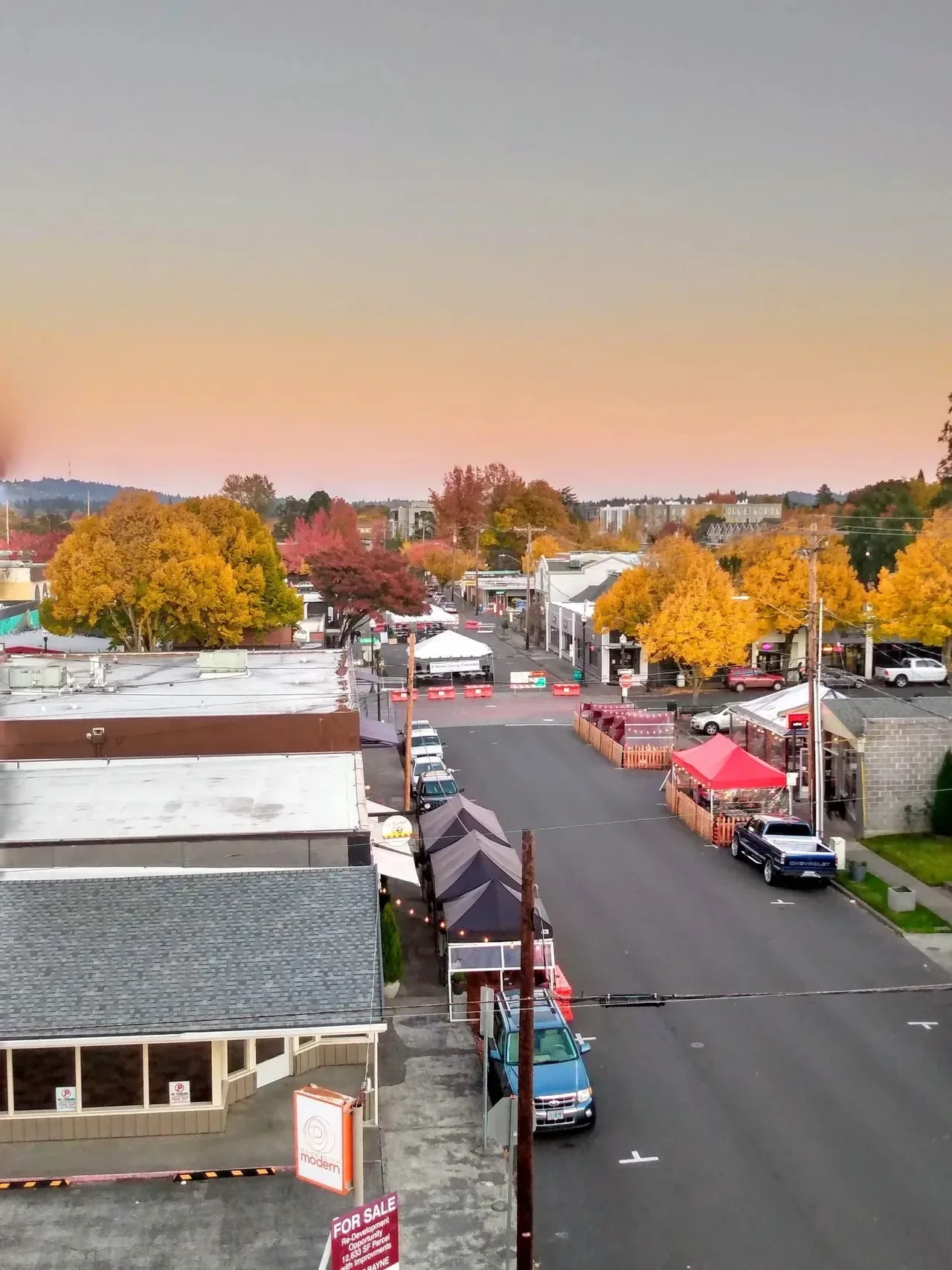
Cedar Hills
Schedule the maintenance walk
Place an intake call with the building address, last known leak location and recent repair dates. We arrange a roof walk and send a photo set and scope sheet with the next action for each finding.
Questions About Preventive Roof Maintenance
What belongs in a maintenance visit instead of a repair ticket?
A scheduled visit covers the full roof route, drainage, seams, flashings, penetrations and the current repair log. When the walk finds a defect, we mark and price it separately so approval of routine maintenance does not silently approve corrective work.
How do you decide whether to clear a drain or correct the slope?
The outlet gets checked first, then we observe the low area after water moves. Debris in the bowl calls for clearing; standing water that remains after an open outlet may point to slope, deck or drain placement. We document which condition we found before pricing a correction.
Can a maintenance visit include occupied retail or production space?
Yes. We coordinate roof access, noise, deliveries and any equipment shutdown with the property contact. Work below the roof can continue when the task allows it, and the scope identifies any area that needs a short restriction.
What should I receive after a routine roof check?
You receive a dated photo set, the route and details checked, completed tasks, open repairs and the next scheduled action. If a repair or replace threshold has been reached, the record states which observations led to that recommendation.
Should maintenance stop if the roof is near replacement?
The roof still needs water control while capital work is arranged. We identify repairs that protect the building in the interim and separate them from work that would be discarded by replacement, then put the distinction in the scope sheet.