
Service Areas
Commercial roofing in Tualatin, OR for factories, retail centers and care buildings: make-safe visits, drain and ponding checks, inspections and written scopes.
Commercial Roofing in Tualatin, OR
A call from a Tualatin, OR plant manager follows the same order every time. We take the address, the area where water is showing and what sits underneath it, whether that is a production line, a pallet rack or an electrical room. A crew goes out to make the area safe: a temporary seal at the opening, a drain cleared of debris, a cover over what cannot get wet. Before anything is cut or patched, the roof is photographed.
The photo set is filed with the date and the leak location, and the second visit produces a scope sheet that sorts each item into repair, local replacement or capital line, so the owner sees where a patch stops paying and the roof as a whole needs a decision.
What the buildings are
Tualatin had 27,942 residents in 2020, and the city has many factories on its south side. Metro names it a small city town center. That mix gives us three kinds of roof work: manufacturing space, retail and entertainment centers, and healthcare. Each has its own risks, its own access rules and its own tolerance for a leak.
Manufacturers in the city include Lam Research, KAI USA, which makes Kershaw, Zero Tolerance and Shun knives, and CRKT. Legacy Meridian Park Hospital is a healthcare employer. Bridgeport Village opened in 2005 on a former quarry, and Nyberg Rivers opened in 2014 with about 300,000 square feet of retail, dining and entertainment. We use those names to understand the kind of building we may be asked to walk.
Plant roofs carry process
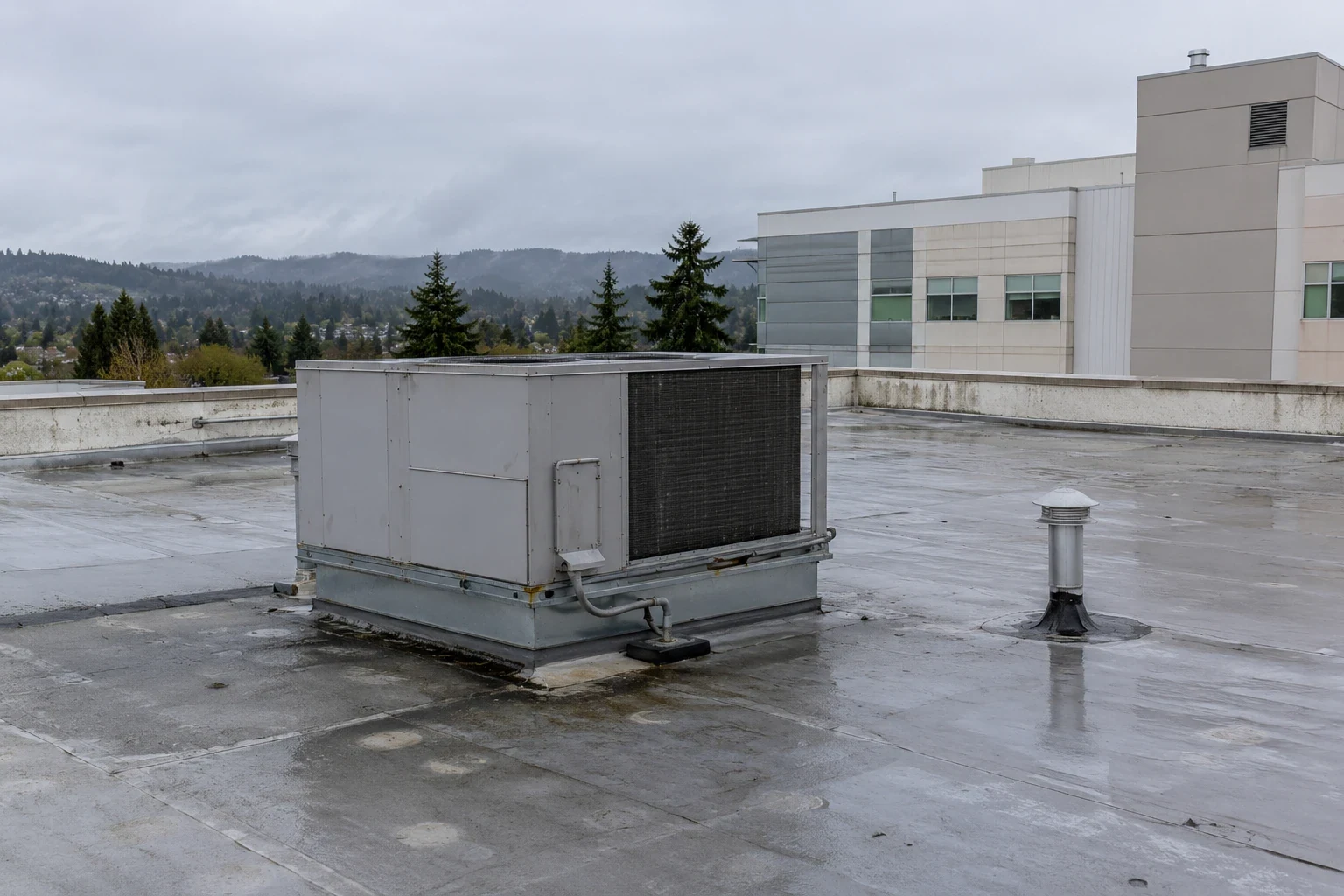
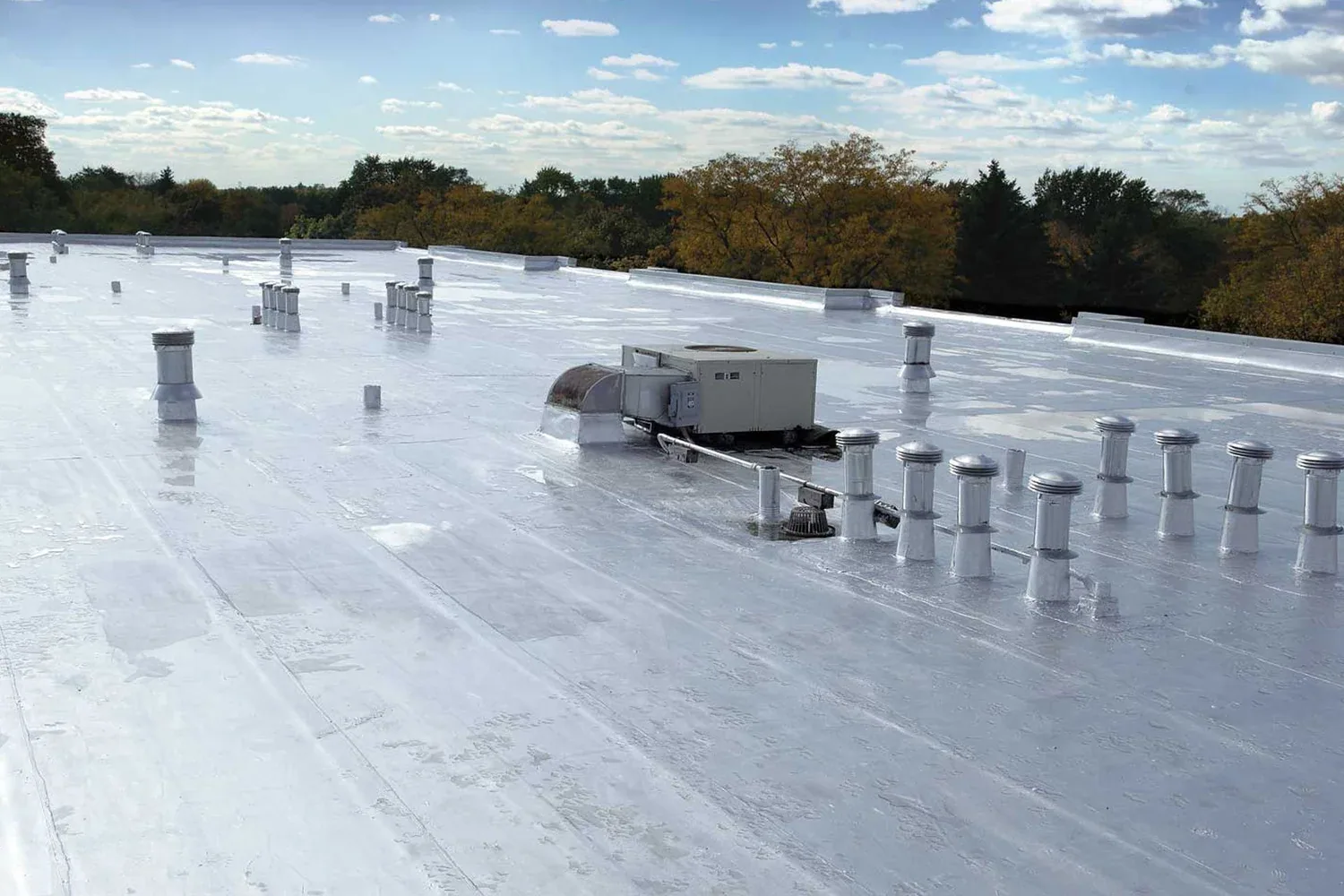
A factory roof is more than a cover. It carries exhaust fans, make-up air units, process vents, conduit runs and sometimes chemical drains. Every penetration is a place water can enter, and every unit is a place a technician walks. We start a manufacturing plant roof walk at the penetrations, because they leak first and they are the items most affected by routine equipment work.
We ask what comes out of the vents. Hot exhaust, oil mist and cleaning chemicals can attack some membranes and sealants. The answer shapes the repair material, so the patch does not fail from the same exposure that opened the old one. The scope sheet lists each penetration with its condition, a photograph and the repair proposed. Items near production areas are scheduled around shifts so the line keeps running.
Retail roofs face the public
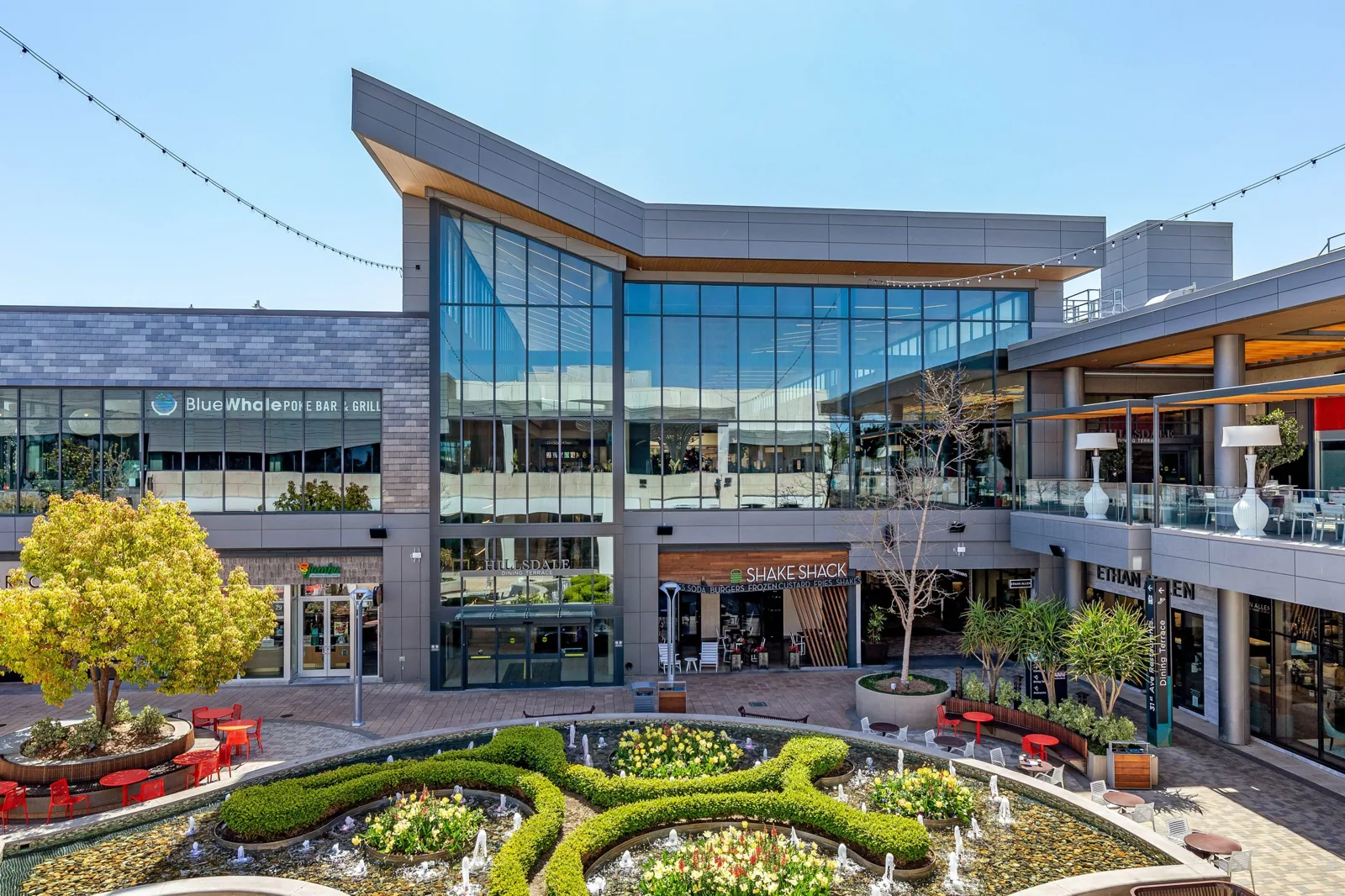
Open-air retail and entertainment centers have a different problem. The roof is often broken into many sections at different heights, with canopies, parapets, storefront returns and mechanical screens. Water crosses from one section to another, and a leak that shows over a shop may start at a canopy tie-in.
For a shopping center roof, we map every section, drain and scupper on the building file. We record which tenant sits below each section so a leak can be matched to its roof area quickly. Work near entrances and dining areas is planned for early hours or closed days. If rain is falling, the make-safe measure holds until the next dry window brings the permanent repair.
Care buildings need a plan
A hospital or clinic roof cannot be treated like a warehouse. Noise, dust, odor and rooftop traffic all matter to patients and staff. Air intakes sit on the roof, and hot work near them is out. Infection control teams have rules for any work above an occupied floor.
On hospital roofs and medical offices, we agree on the work area, the hours and the contact person before a crew climbs. We coordinate with facilities staff on access and shutoffs, and we document the roof so the facility has a clean record. Emergency leaks over care areas get a dry-in first, with the interior protected by plastic and containers while the permanent plan is written.
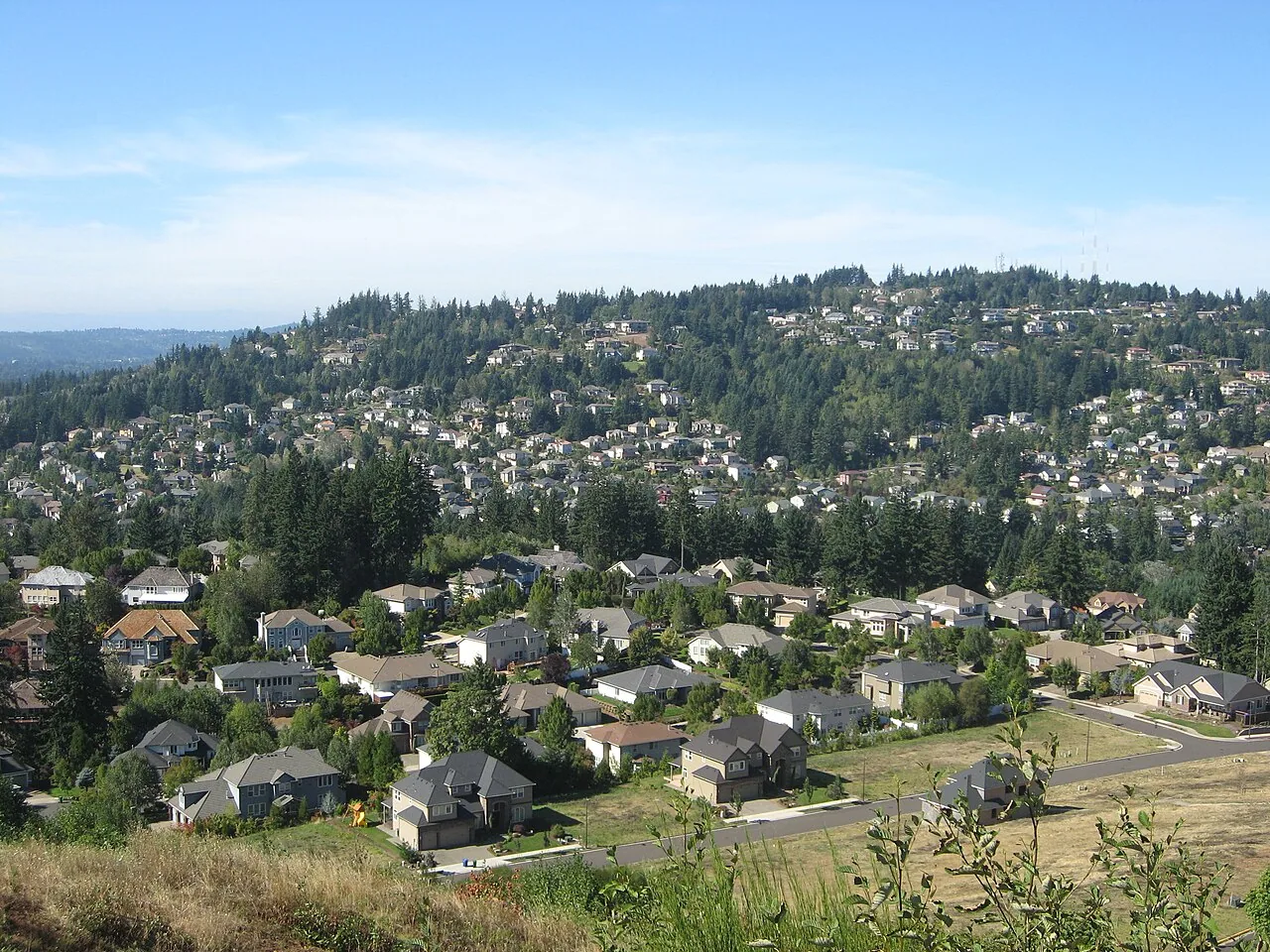
Rain tests every drain
Beaverton, the market city for this work, gets rain on roughly 151 days a year, and rain that long keeps every drain, seam and flashing under test. Leaves and moss collect at roof drains and scuppers, and a clogged sump holds water against the membrane.
A ponding check after the first big storm of the season is the cheapest inspection a manager can order. We look at where water stands, how long it stays and whether the low spot lines up with a drain that is blocked or a deck that has sagged. Ponded water is a repair item when the cause is a clog. It is a capital item when the deck itself has moved, and the scope sheet says which one applies. A roof that keeps holding water after the drains are clear needs ponding water repair, and the scope sheet prices it separately.
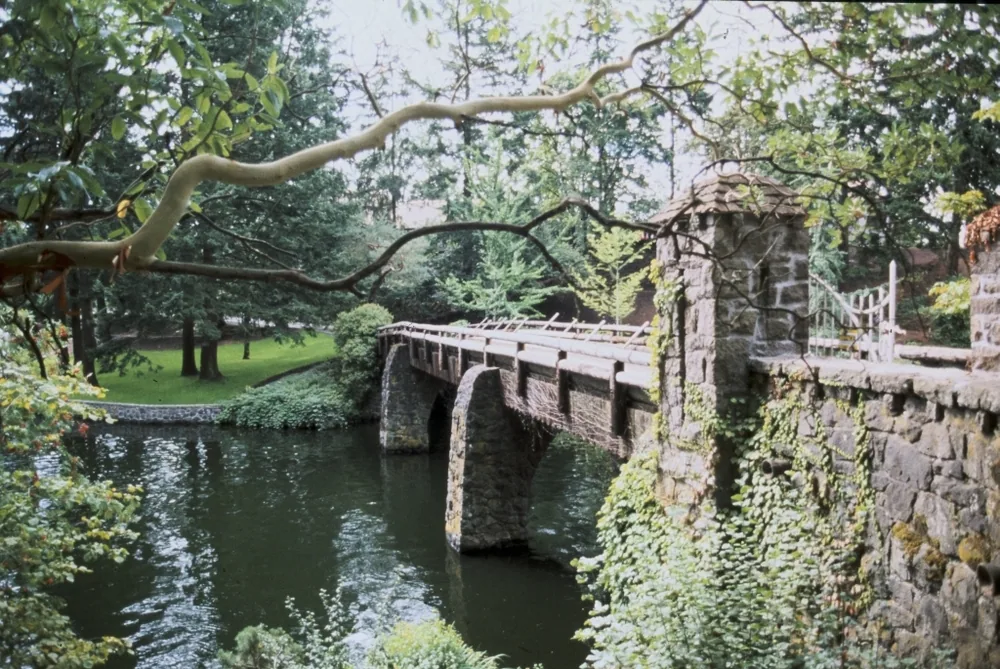
Heat counts too
On June 28, 2021 Portland reached a record 116 degrees and Wilsonville logged the same figure that day, while Beaverton's recorded extremes run from 115 down to minus 8. That range moves membranes. Seams stretch in July, flashings stiffen in a January freeze, and rooftop units run hard in between.
After a heat event, we walk the roof to look for heat damage: soft membrane, shifted flashings, and sealant that has slumped around curbs. Findings go into the building file with the date, so the next walk can measure change.
What drives the cost
Price moves with roof area and access, penetration count, insulation condition and the schedule: curbs add flashing labor, wet insulation adds cut-out and replacement, and production or retail hours add crew time.
Code is part of it. A reroof pulled under the 2025 Oregon Structural Specialty Code (mandatory April 1, 2026) and the 2025 energy code (mandatory July 1, 2025) may require insulation levels that change the quote, and we confirm the edition at the start.
Owners with buildings in Wilsonville or Tigard as well can keep one building file format across every site. The same photo set, leak log and scope sheet then let a capital planner compare roofs on equal terms and see which line to fund first.
Related Roofing Work

Manufacturing Plant Roofing
Shopping Center Roofing
Hospital Roofing
Commercial Roof Drains and Scuppers
Place an intake call for your Tualatin building
Call with the building address and the last known leak location. We will send a crew for a make-safe visit and follow with a written scope sheet that marks the repair boundary and the point where replacement belongs on your capital line.
Questions About Tualatin
What decides whether a plant leak can be fixed during production?
The location of the opening relative to equipment and people sets the plan. A leak at the edge of the building can often be sealed from a safe area while the line runs. A leak over a process area needs a shutdown window, and we ask the plant for it.
How do you handle a leak at a retail center with many tenants?
Start with the building file. It shows which roof section sits above which suite, so we reach the right section fast. We stage materials out of customer view, seal the opening and send the tenant a note about timing.
Can an inspection help with a sale or refinance?
A dated report with photographs, moisture readings and a repair estimate gives a buyer or lender facts. We keep it neutral. It lists condition, near-term needs and the point where replacement belongs on the capital line.
When is replacement better than another repair?
Look at the repair log. When the same roof draws repeat calls, when insulation is wet across a wide area or when seams keep opening, the threshold has been crossed. The scope sheet shows the cost of both paths.
What do you need from me on the intake call?
Give us the address, a contact on site, the room where water shows up and what sits below it. If photographs exist, send them. A make-safe visit is arranged first, and you are told when the written scope sheet will arrive.