
Roofing Capabilities
Track roof condition across a Beaverton, OR portfolio with mapped findings, open repairs, service timing and a clear path from Diligence Notes to capital review.
Commercial Roof Asset Management in Beaverton, OR
A portfolio review begins with the latest roof plan, leak log and open repair list. In Beaverton, OR, we match those records to each building, mark the locations that need attention and separate active water control from work that can be scheduled. The first result is a usable picture of what is known, what needs a field check and which decision belongs on the next capital line.
Asset management is not a label applied to a folder of inspection reports. It is the working record that lets a property team compare roofs without assuming that the same membrane, condition or repair threshold applies everywhere. We keep each building's history intact and make the next action visible.
Build the Building File
We begin with the property list, available drawings, warranty papers, earlier scopes and the person who can approve roof access. Each site receives an identifier that carries through the plan, photographs, repair record and follow-up date. Where an older drawing does not match the field, we mark the difference rather than letting a stale sketch guide a later crew.
Technology, optics, test-and-measurement and food-processing buildings sit side by side along the corridor between Beaverton and Hillsboro, with very different access rules and rooftop equipment on neighboring properties. We identify the actual system and operating contact at each address before comparing work.
A roof condition report can give each location a dated photo set and marked findings, while a hands-on inspection confirms what the existing records leave open.
Keep Findings Comparable
One roof may have a short list of edge repairs; another may need moisture testing before a recovery option can be priced. We use the same record fields across the portfolio, including roof area, system, drainage, penetrations, reported leaks, prior repairs and access limits. The observations remain specific to the section where they were found, so a manager can compare urgency without flattening important differences.
With rain on roughly 151 days a year, a drain that repeatedly slows or a seam that stays under ponding deserves a dated entry and a return check. A maintenance visit can update those observations before wet-season access narrows.
We mark what is confirmed, what is suspected and what needs an opening or test cut. The file keeps the measured boundary beside the recommendation. A broad note such as “monitor membrane” is replaced with a roof section, detail, photograph and next review date. Each entry carries the date it was last confirmed on the roof.
Separate Urgent Work
Open water entry, loose perimeter metal and a blocked drain do not wait for the annual budget meeting. We flag the condition, note any interior protection needed and prepare a make-safe visit when active leakage calls for it. The permanent scope follows after the area is dry enough to inspect and the material tie-in can be defined.
Items that are stable but wearing move to scheduled repair or monitoring, with the reason and date recorded. If moisture appears across several sections, we show where testing could change the repair or replace threshold. A ponding-water repair scope can address a verified low area; the portfolio record shows whether the finding is isolated or recurring at another site.
At Downtown Beaverton and Washington Square, Metro's regional-center model calls for compact employment and housing near transit. Those planning contexts can mean different access and tenant coordination by property. The work file records the actual roof route, contact and hours rather than assigning one operating assumption to the whole area.
Set the Capital Line
Capital planning uses the condition record, not a replacement date copied from another building. We compare repair boundaries, moisture results, remaining sound areas, drainage changes and access needs. Where a focused repair can protect an otherwise serviceable system, we price that work separately from a recover or replacement option. If concealed deck conditions remain unknown, the estimate identifies that exposure before approval.
The team can group work by urgency, season or access window, then revisit the sequence as bids and field conditions arrive. A roof capital plan carries the options into budget review, and a replacement scope identifies the removal, insulation, membrane and detail work that changes the decision.
Costs move with roof access, system compatibility, tear-off, wet insulation, edge details and interior protection. We separate those drivers by building and use a consistent scope sheet, so a portfolio total can be checked against its component work.
Carry the Record Forward
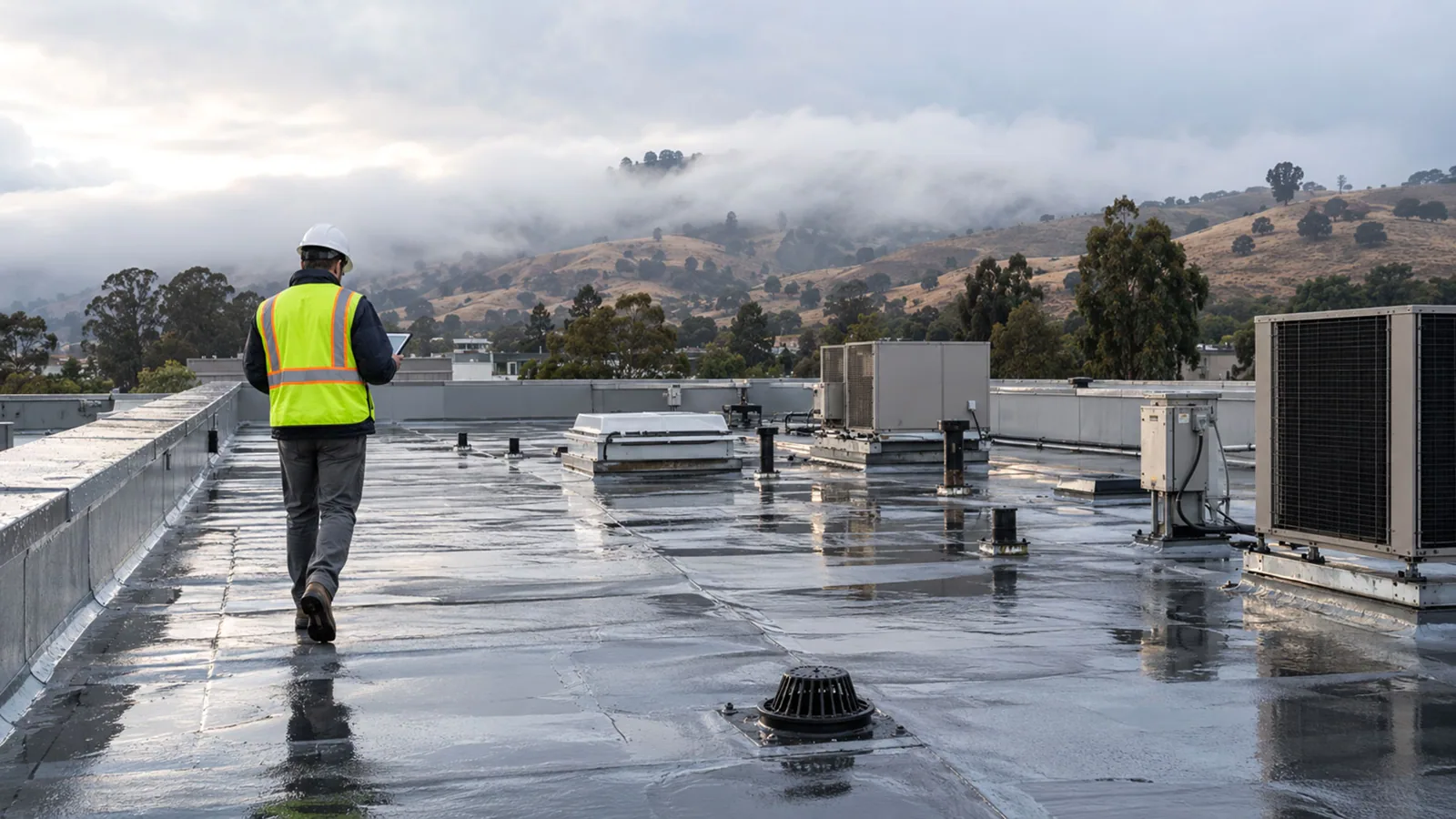
After a visit or repair, we add dated photographs, the location of the work, materials used, open recommendations and the next review point. If a test area was not opened, the record says so. If a temporary seal remains, the file identifies it as temporary and gives the permanent follow-up action. That distinction prevents a short-term water-control measure from disappearing into the closeout.
When sites change managers, the new contact can see which findings were closed and which still need approval. We keep the roof map, warranty documents, repair history and service dates together, then update only the fields affected by new work. A multi-site roof program can align reporting across locations while keeping each building's assembly and limits separate.
For a portfolio intake, send the addresses, current roof plans and any open leak locations. We can set the first field review, return a condition record and list the next decision for each property.
For a building in the Beaverton service area, the address helps us match prior notes to the right roof and access contact. The same intake can capture a leak location, an upcoming capital review or a missing plan. We confirm each site before combining its findings with the portfolio view. When staff changes, the file distinguishes a temporary seal from completed work and points to the photographs that support the next capital decision. A closed item keeps its closing date and the photograph that closed it.
Related Roofing Work

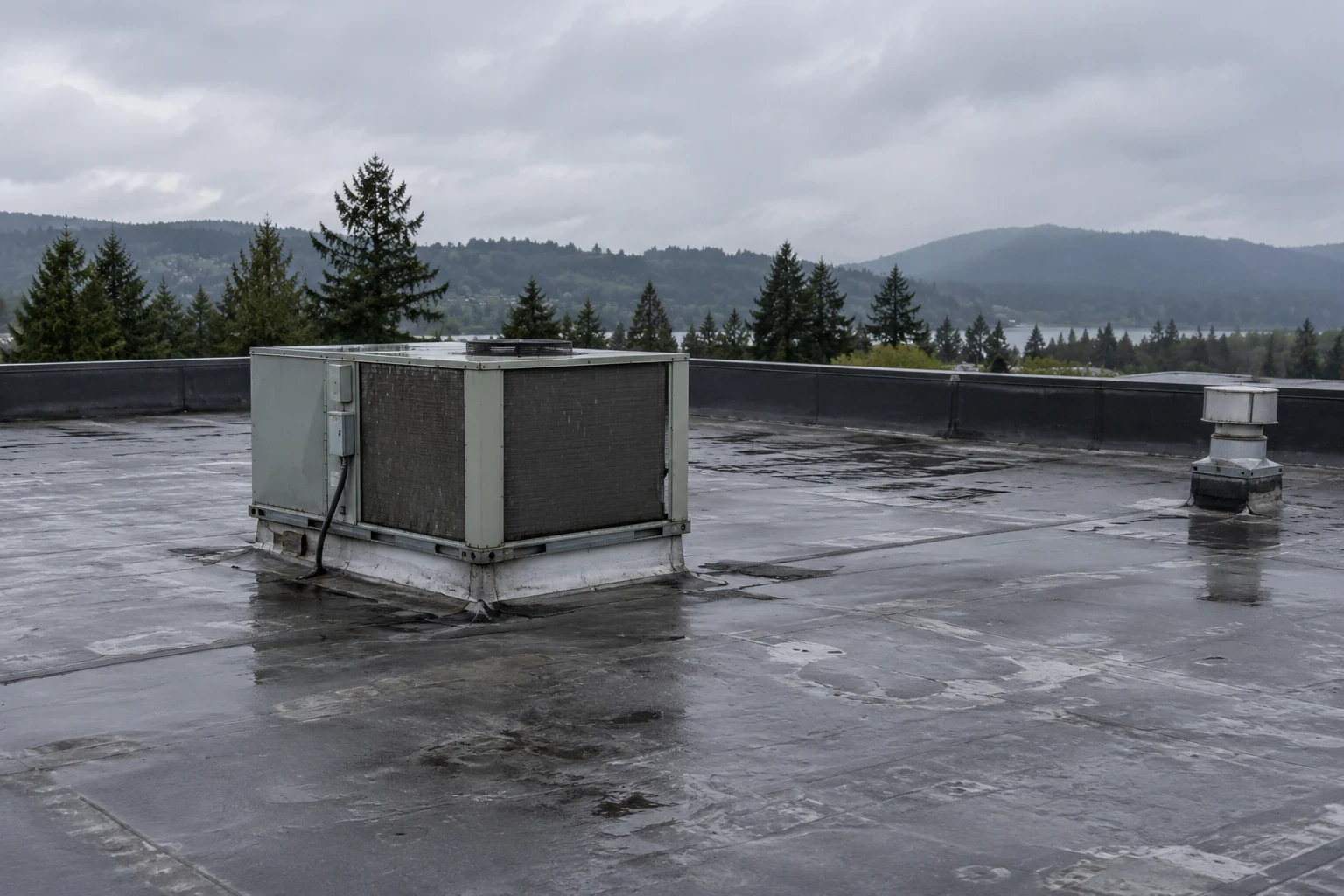
Commercial Roof Condition Reports
Commercial Roof Inspection
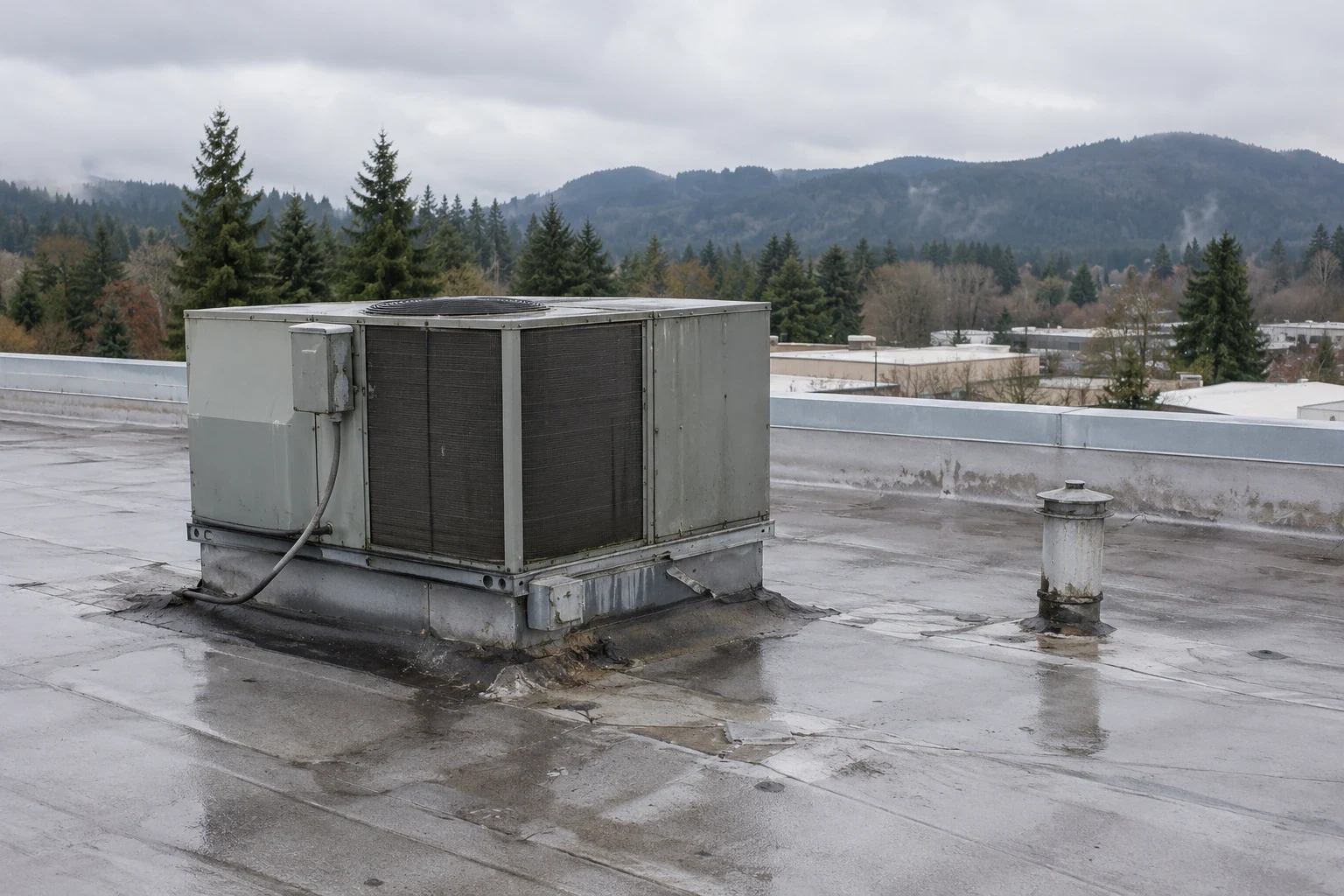
Preventive Roof Maintenance
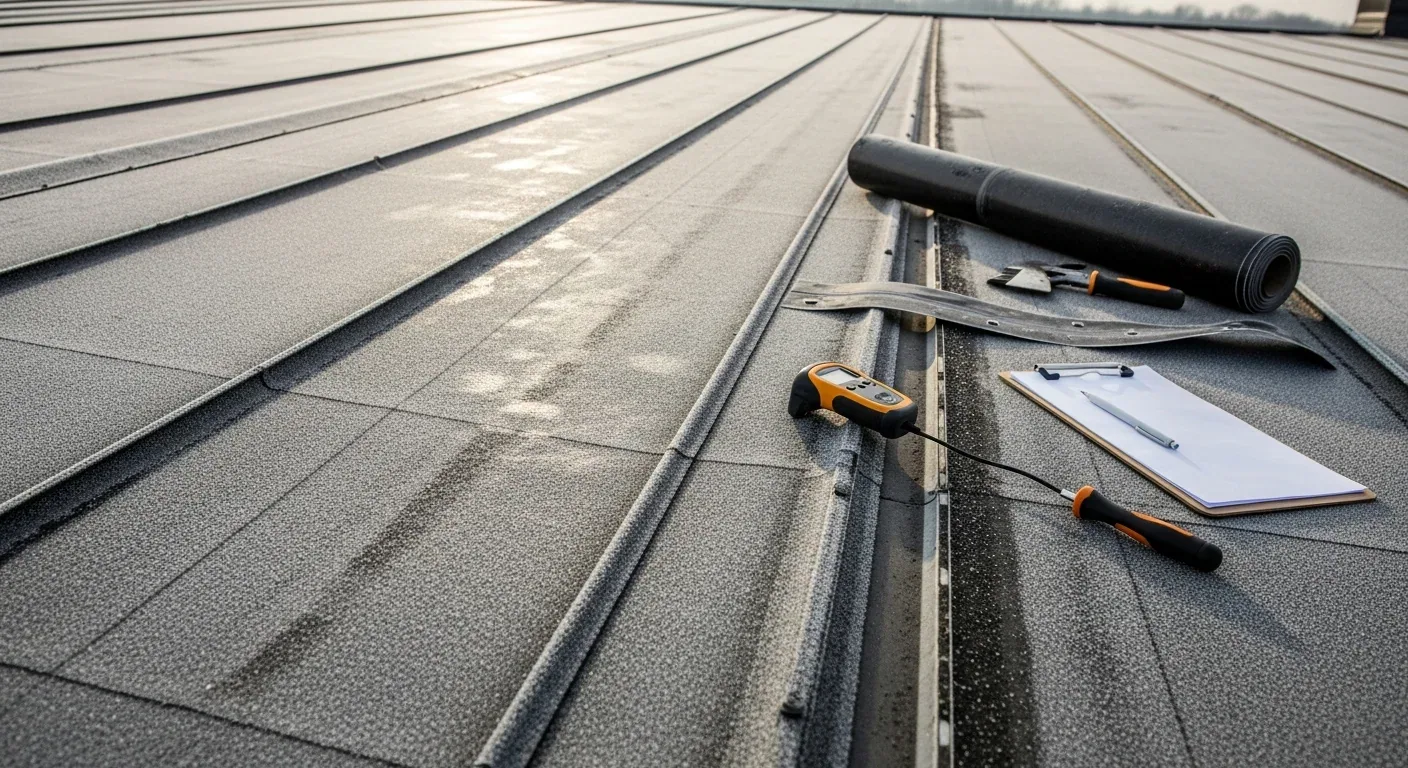
Ponding Water Roof Repair
Start with the portfolio list
Send the building addresses, available roof plans and active leak locations. We will arrange an intake call, set the first roof review and return a marked record with the next action for each building.
Questions About Commercial Roof Asset Management
What should be in a roof asset record?
Start with a roof plan, system identification, dated photographs, leak history, completed repairs, warranties and open recommendations. We mark which items are confirmed and which need testing, then attach a next action to each finding. The file stays useful when a new manager takes over.
How do you compare buildings with different roof systems?
Each roof keeps its own assembly, age information when documented, repair history and access limits. We use common fields for condition and priority, then compare the recommended work without treating unlike membranes or details as interchangeable.
Can active leaks wait for the portfolio review?
Active water entry gets a separate make-safe decision. We identify the reported area, protect affected operations where needed and return for the permanent scope when the roof can be examined safely. The portfolio record then carries the repair and follow-up into the broader review.
How does the record help with a capital budget?
The record shows which work needs prompt approval, which can be scheduled and which remains under observation. We separate repair, recovery and replacement assumptions by building so the manager can compare timing and scope instead of relying on one portfolio-wide allowance.
What if our roof plans are incomplete?
We use the available drawings as a starting point and verify the route, drains, edges and rooftop equipment during the walk. Any mismatch is marked for the next update. The file should show the limits of the survey rather than imply that missing records were confirmed.