
Roofing Manufacturers
Duro-Last prefabricated PVC roofs in Beaverton, OR: how we check field welds, curbs and pipe flashings, and when a leak means repair or full replacement.
Duro-Last Roofing in Beaverton, OR
Report of a drip inside a strip-center unit with a Duro-Last roof, and the sequence runs the way it does at every Washington County building: intake call, make-safe visit, photo set, leak log. The roof itself adds one useful fact. Duro-Last is known for PVC membrane that is cut and welded into panels off site from measurements, then delivered and joined on the roof, so a large share of its seam work is done in a controlled setting before the sheet arrives.
For a Beaverton, OR owner, that moves the likely trouble spots. The factory-made panels are not usually the first suspect. The field seams where panels meet, the prefabricated accessories at pipes and curbs, and the edge terminations are where we start looking, and the scope sheet records each one before any repair is priced.
Field seams come first
A panel system has two kinds of joints: the ones welded off site and the ones welded on the roof. The roof joints are made by crews working in whatever weather the day offers, which in this part of Oregon can mean damp decks in shoulder seasons. We probe the field seam edges with a blunt tool, looking for a gap where the weld did not fuse, and we note any place where the weld bead is uneven or shows a cut edge without a sealed finish.
A short open section is a quick local repair with hot-air welding and a test pass over the finished lap. A pattern of open edges along one panel line is a different finding, and we mark it on the roof plan so the building file shows which runs were reopened and where the watch should stay.
Pipe boots, curbs and corners
Prefabricated accessories save time because they arrive shaped to the opening, but each one still has to be welded to the field sheet, fastened at its flange and sealed at its edge. Pipe boots, curb wraps and inside corners take the movement of the building and the heat of the equipment they surround. When a unit has been replaced, the roofer or HVAC trade sometimes widens an opening or adds a conduit, and the original accessory no longer fits.
That is why rooftop equipment curbs and supports get their own line on our scope sheet. We check the flashing height, the fastening at the top, the sealant at the termination and the condition of the weld that ties the wrap to the sheet. A damaged accessory is usually replaced as a unit, not patched, because a patched boot is a second weld on a part meant to be one piece.
Foot traffic and tool drops
PVC is a tough sheet, but it is thin, and a dropped tool, a dragged ladder foot or a service technician's hard heel can cut it. Equipment access is the main source of damage on rooftops where several trades visit, such as a restaurant roof with hood exhaust or a retail roof with rooftop units serving each tenant. Membrane puncture repair on a welded PVC sheet is a clean, quick job when the cut is small and the insulation below is dry.
We check the area under the cut with a moisture meter before welding a patch. If water has been entering for days, the repair has two parts: the patch and the wet board. Walkway pads at the paths technicians actually use cost little compared with repeated repairs, and we mark those paths on the plan so the next service visit stays on them.
Rain, freeze and glare
Beaverton logs rain on about 151 days a year while Portland Airport sees about 32 nights at or below freezing. A white PVC roof sheds water quickly if the drains are clear, but it also shows ponding bands as dirt rings that mark where water stood. Retail and mixed-use properties such as the Round at Beaverton Central and the Cedar Hills Crossing big-box center have to watch drains for exactly that sign.
Heat is the other half. Portland set an all-time record of 116 degrees on June 28, 2021, a day when a dark rooftop and its equipment ran very hot while a light sheet reflected much of the sun. The membrane stays flexible in cold nights, though flashings and sealants take more of the wear. We check those after any heat or cold event and note the change in the leak log.
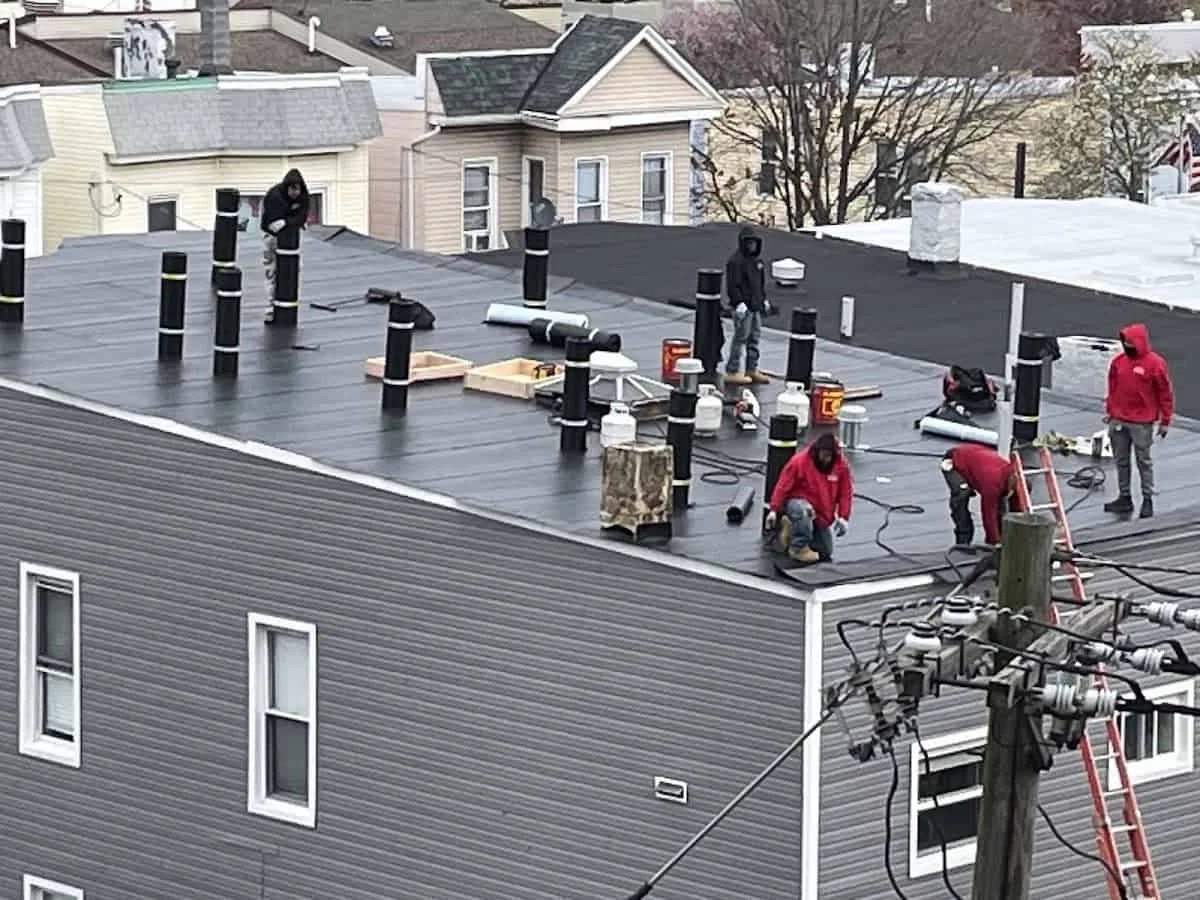
Recover or replace
A PVC sheet in good condition can sometimes accept a new layer, but a roof recover over it only works when the insulation is dry and the deck can carry the added weight. Moisture readings and a core sample decide that. If the sheet is tired but the board is sound, a recover saves tear-off cost. If the board is wet in several places, a full replacement is the cleaner answer.
Because panels are fitted to a building's original measurements, a change in roof layout, such as added equipment or a relocated drain, can leave odd-shaped fields that are welded on site. In Aloha, where Metro names Tualatin Valley Highway and 185th Avenue a regional corridor, a roof with many small penetrations puts each one in the leak log. For comparison, the same questions apply to a Sika Sarnafil or Versico sheet, and the PVC roofing scope for either brand follows the same steps. Either way the moisture readings and the core location go on the roof plan, so the replacement scope can be checked against them.
Related Roofing Work
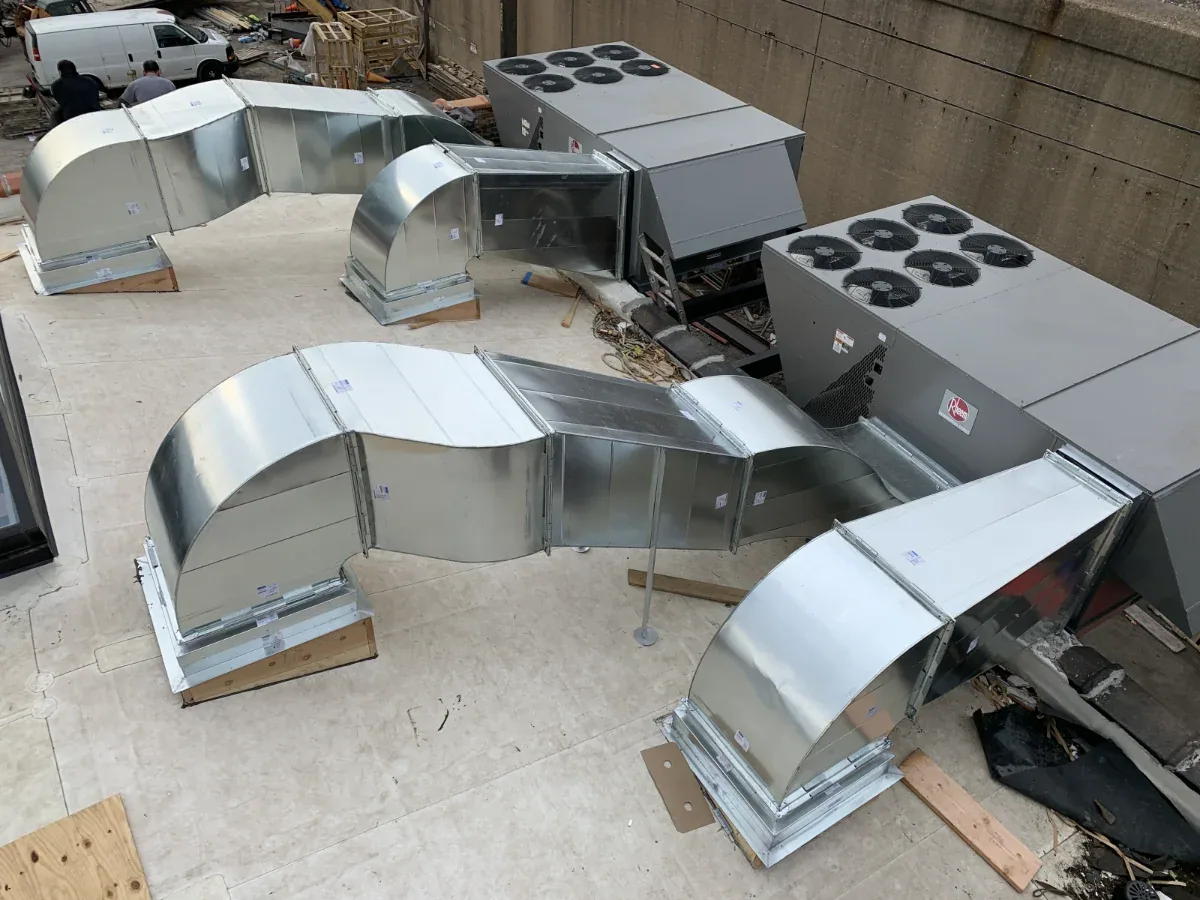
Rooftop Equipment Curbs and Supports
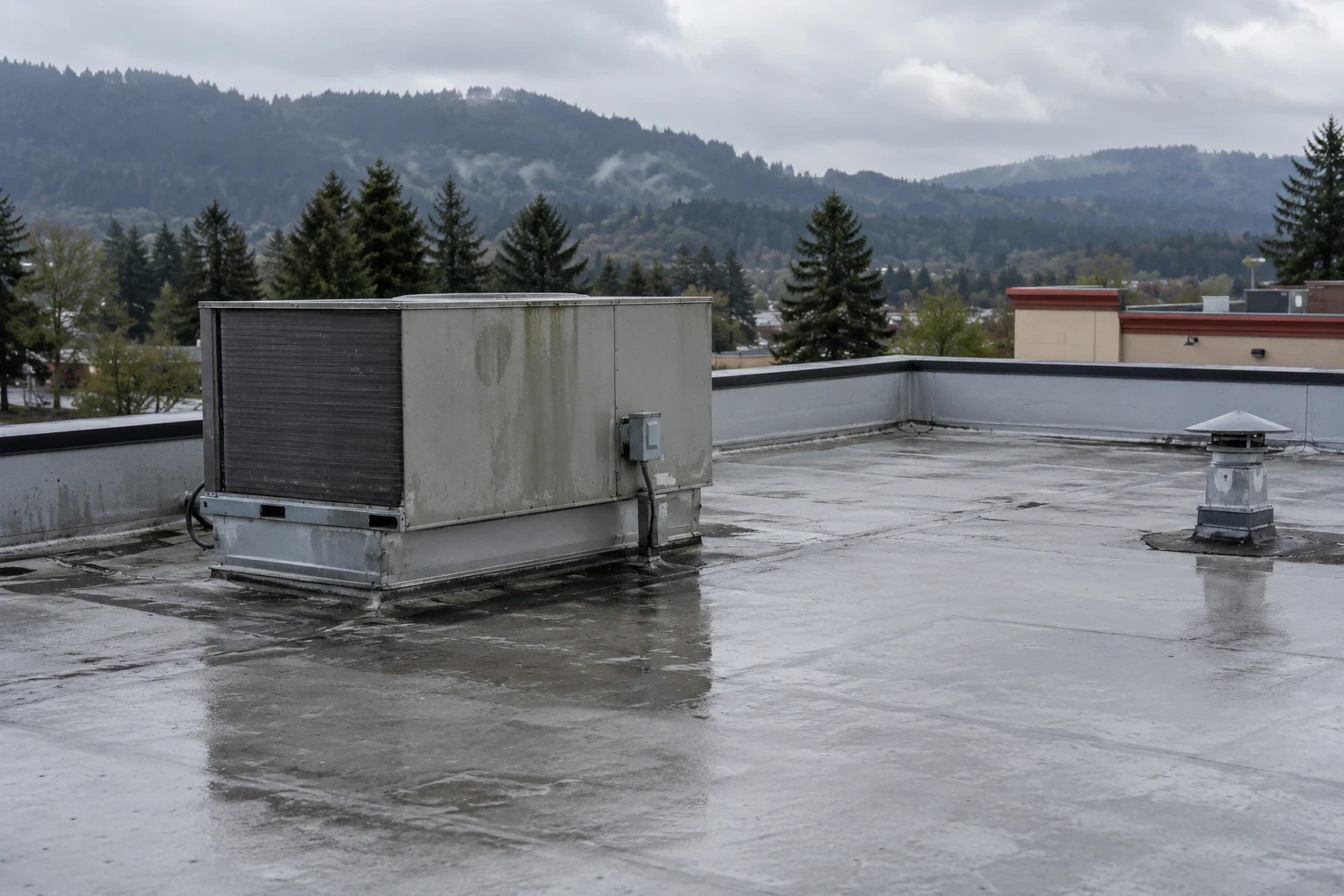
Restaurant Roofing
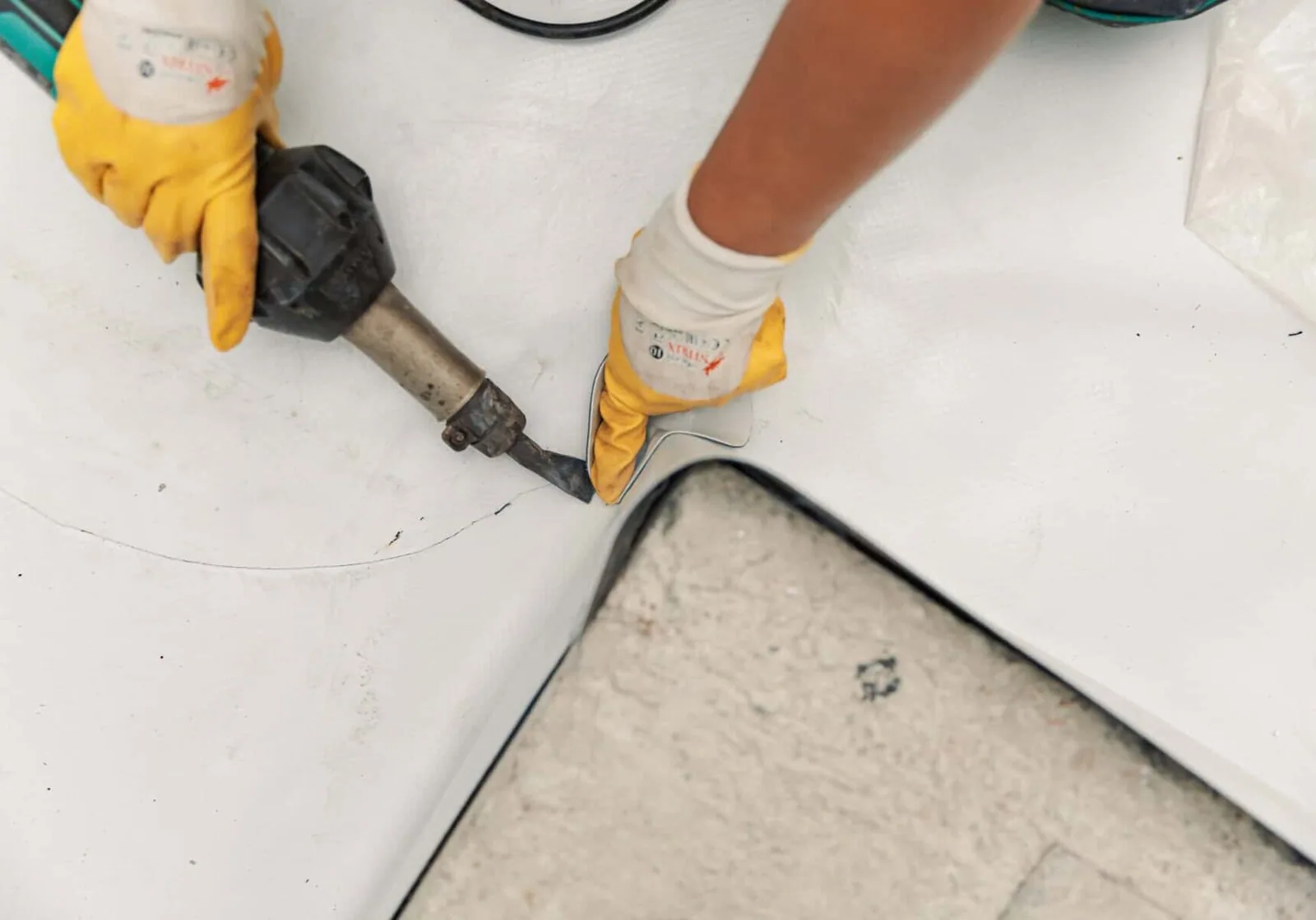
Commercial Membrane Puncture Repair
Roof Recover and Overlay
Place an intake call on a Duro-Last roof
Call with the building address, the last known leak location and any system paperwork you hold. We will send a crew for a make-safe visit and follow with a written scope sheet that names the seams, the accessories and the point where replacement belongs on your capital line.
Questions About Duro-Last Roofing
Where do leaks usually start on a prefabricated PVC roof?
Most start at field seams, accessory welds or edge terminations, not in the factory panels. The wet spot inside the building often sits away from the entry point, so we trace water along the deck and mark every open seam and cut we find. The scope sheet names the entry and separates it from the stain.
Can a damaged pipe boot be repaired instead of replaced?
Sometimes, if the flange is intact and the damage is a small cut away from the weld. A boot that has cracked at the collar, lost its seal at the top or been widened for new pipe is better replaced as a unit. We price both options so the choice rests on the numbers.
How do I keep service technicians from damaging the sheet?
Walkway pads on the paths to rooftop units do most of the work, and a short rooftop rule sheet kept with the building file helps each new trade. We mark the paths on the roof plan and note any cut we find after a service visit. Repeat damage in the same spot usually means the path is wrong.
What happens if a leak appears in January?
We make the area safe first, with a temporary seal or tarp, then photograph the roof and log the leak. Hot-air welding on wet or cold PVC is unreliable, so the permanent repair waits for a dry window unless the cut is small and can be protected. You receive the scope sheet after the second visit.
What should stay in the building file after a PVC repair?
Keep the roof plan with the repaired seams marked, the photo set, the moisture readings and the leak log. If the system came with a submittal, include it. That file lets a later contractor see which welds were reopened and which accessories were replaced.