Property Types We Roof
Restaurant roofing in Beaverton covers exhaust curbs, drains, active leaks and access sequencing around kitchen service and deliveries.
Restaurant Roofing in Beaverton, OR
Water reported at a Beaverton restaurant starts with the kitchen, dining room or service corridor below the roof. We confirm where the water appears, whether electrical or food-preparation areas are affected, and who can provide roof access. For active entry a make-safe visit follows, and the crew marks the likely opening, checks nearby exhaust curbs and drains, and puts photos with the leak location in the building file.
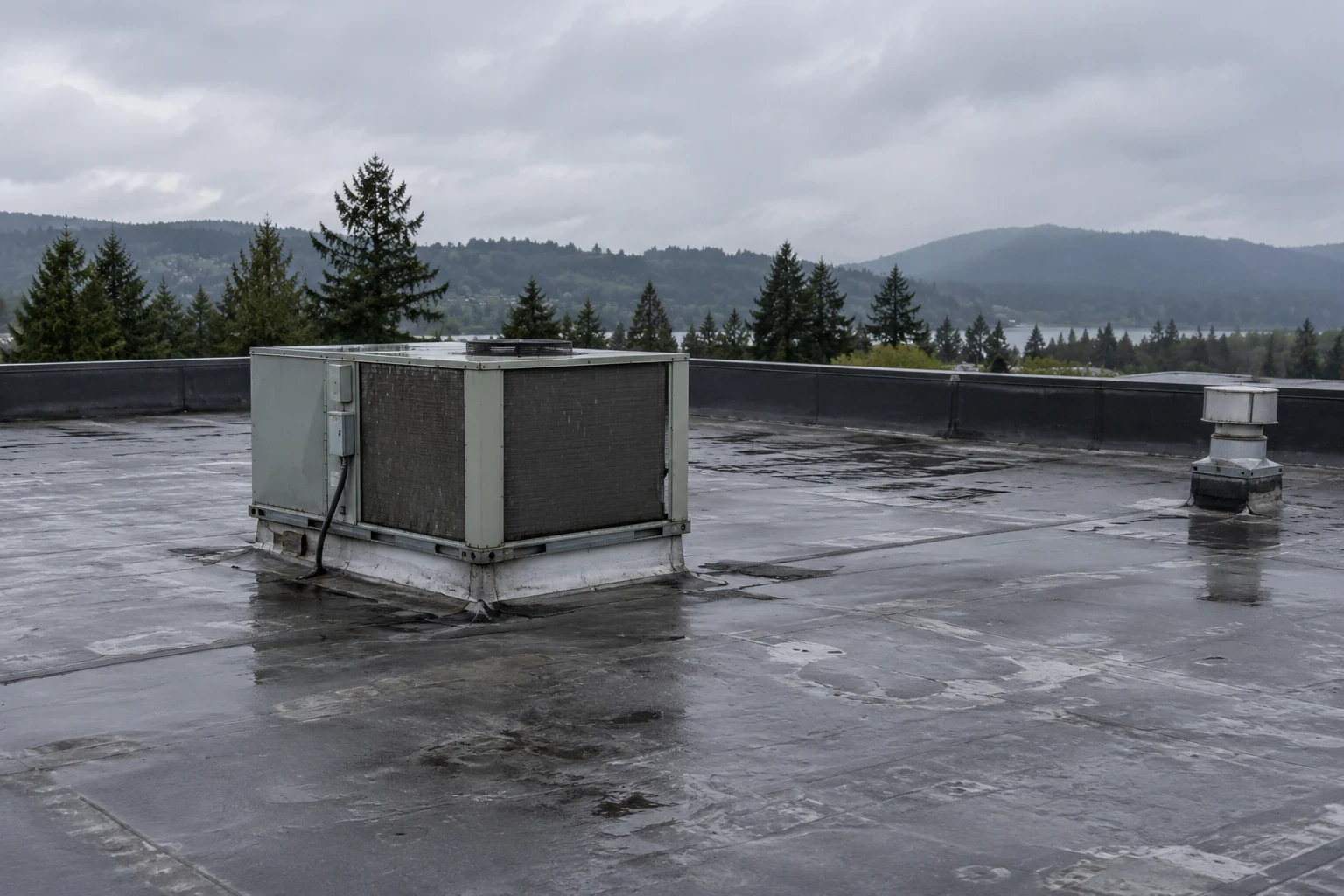
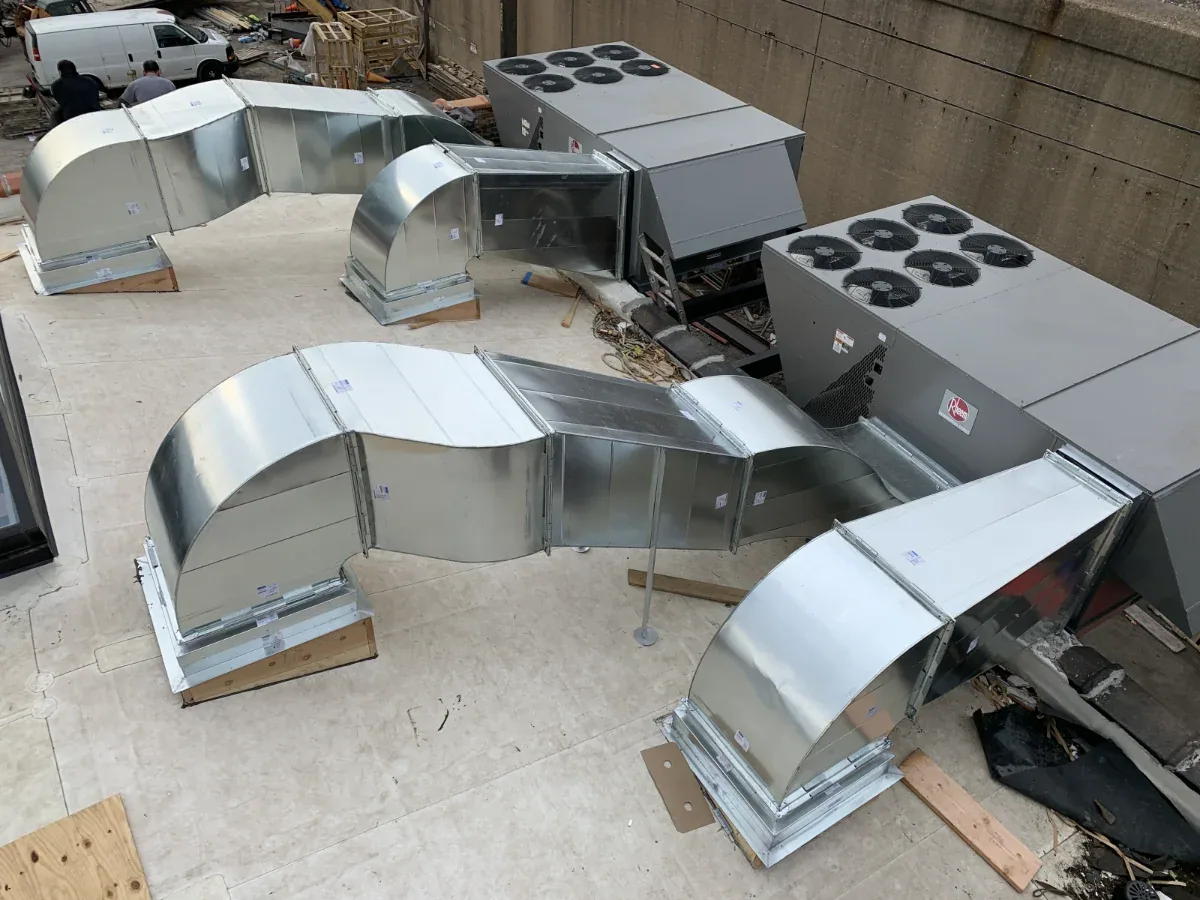
Restaurant roofs carry ventilation, refrigeration and plumbing penetrations that can complicate a leak path. We check the flashing around each curb before assuming the membrane field failed. The roof inspection records the assembly, visible repairs and access needs so the owner can compare a localized repair with broader work.
Where kitchen activity cannot pause, the roof plan also needs a short sequence for access, temporary protection and the return visit. We confirm who can meet the crew and where the affected interior can be isolated. That note helps the manager coordinate the water-control step with food service while keeping the roofing boundary and any mechanical work distinct.
Trace the Curb and the Field
A kitchen exhaust curb may sit beside a seam, drain or prior patch, and water can travel before it reaches the ceiling. We photograph the penetration and surrounding membrane, note grease or service exposure where it affects the roof surface, and identify whether flashing or the field is the likely entry. If insulation feels damp, we mark a test opening rather than closing the area without checking what lies below.
Technology, optics and food-processing operations, including Reser's Fine Foods, fill Beaverton's wider commercial corridor. For a restaurant we inspect the actual curb and support details. A curb and equipment review keeps roof flashing separate from HVAC or kitchen equipment work.
Tanasbourne is a regional shopping area on Hillsboro's eastern edge near 185th Avenue, with Streets of Tanasbourne as a major retail setting. Each restaurant roof there still gets its own assembly check, and we record the curb, drain, flashing and access conditions at the address under review.
Keep the Outlet in the Work Plan
Rain is heaviest in Beaverton from November through January, so drains, sumps and overflow routes need a clear inspection path. A blocked strainer can hold water near an exhaust penetration; a failed flashing detail can leak even when the drain is clear. We record both conditions, identify any ponding limit and list whether the first action is clearing, repair or testing.
At a compact restaurant property, roof access may be through a rear service yard beside deliveries and waste pickup. We confirm the route, staging area and any roof hatch clearance with the owner. If a drain transition needs repair, the drain scope lists the outlet, flashing and adjacent field. For a grocery tenant with similar equipment, the cold-room roof file separates refrigeration details from the roof assembly.
When the restaurant shares a roof with other storefronts, the shopping-center roof map can separate common drains and access lanes from the kitchen's own curb and service boundary. Grease from kitchen exhaust also settles on the membrane near the hood, so the walk notes any slick or discolored area around the curb and whether it has reached the drain, because a coated or stained surface changes which repair material will bond.
Separate Urgent Work From the Permanent Scope
An active leak can threaten food-preparation space, electrical equipment or ceiling finishes. Calls are taken day and night, weekends and holidays included. The intake call identifies the affected room, the access contact and immediate exposure; the make-safe visit documents temporary water control and the roof location. Permanent repair follows after the membrane, flashing and any wet insulation can be assessed.
A repair at an exhaust curb needs compatible material and a boundary on sound substrate. We remove failed flashing or membrane as specified, prepare the transition and photograph the completed detail. If several penetrations show similar separation, that pattern can change the scope from one patch to a larger section. The repair proposal records each area and any test still needed.
A roof record should also distinguish the first temporary seal from the finished detail. We photograph the surface before preparation, note the material removed, and show the completed flashing or patch after the repair is made. If a new stain appears later, the manager can compare the same curb and nearby membrane rather than treat a second report as proof that the first repair failed.
Work Around Service Hours
Roof staging should not block a delivery lane, employee entrance or customer path. We confirm the hours when a lift or material drop can occur, the route to the roof and what protection is needed below active work. If the kitchen must keep an exhaust system running, we coordinate roof access with the site contact and list any roofing task that requires an agreed shutdown window.
The property's rear access and loading rules control the crew sequence. We record those conditions and divide the roof into work zones that can be inspected at the end of each visit. A maintenance visit can later track drains and curb flashings before a leak report returns.
Keep the Closeout Actionable
Closeout includes the roof map, dated photos, curb and drain details, repair materials, excluded areas and any open moisture test. The owner can file the records with kitchen equipment service notes while keeping roofing work distinct. If a second visit is required after drying or access coordination, the file names the roof zone and condition that must be checked before the permanent scope closes.
Cost follows the number of penetrations, flashing transitions, preparation, roof access, wet insulation and whether work must be staged around service hours. We separate those drivers from equipment replacement or interior repairs. The condition record supports a repair-or-replace review, while a Beaverton roof visit begins with the street address and last known leak point. A written scope sheet keeps the decision tied to the roof evidence.
Related Roofing Work
Commercial Roof Inspection
Rooftop Equipment Curbs and Supports
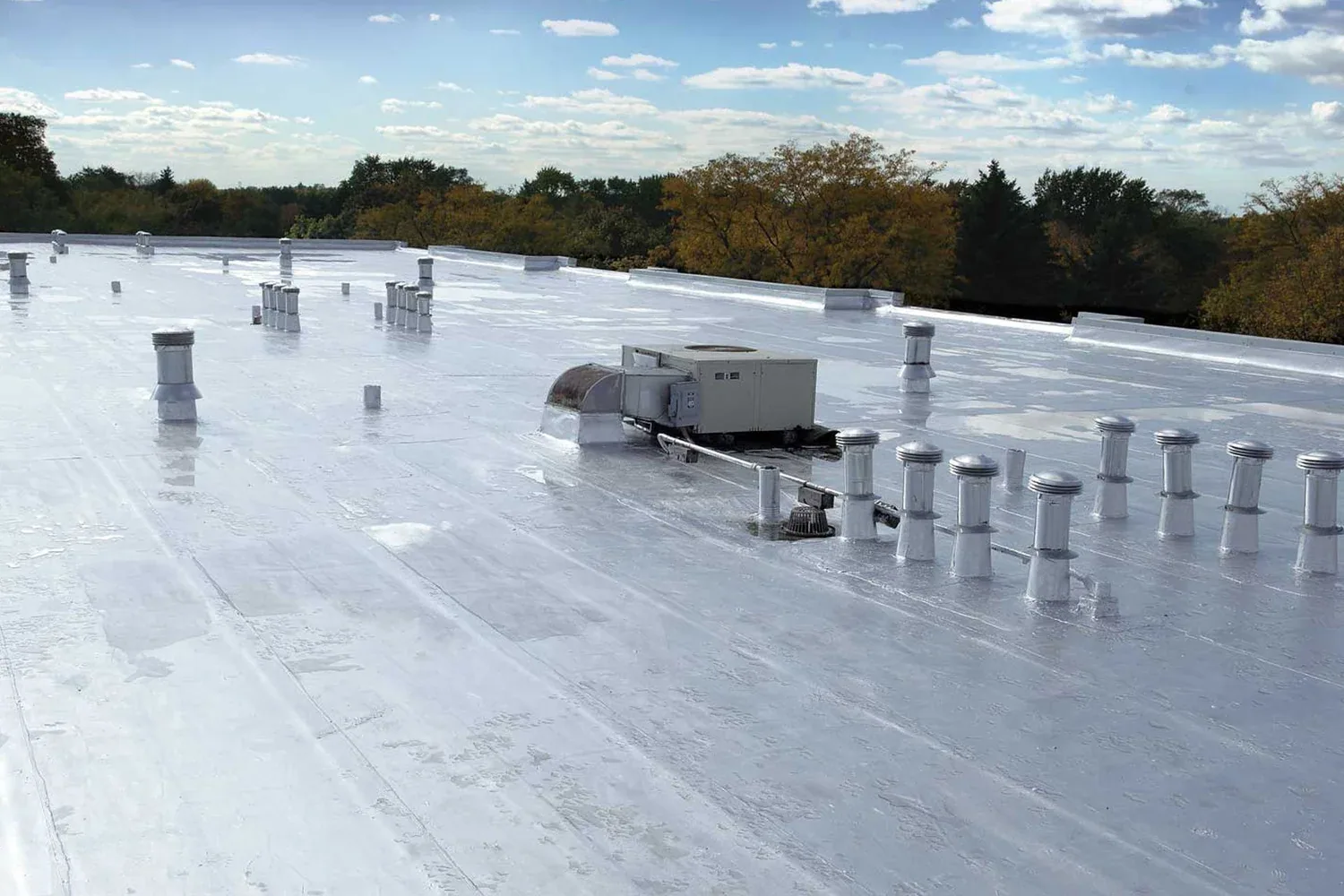
Commercial Roof Drains and Scuppers
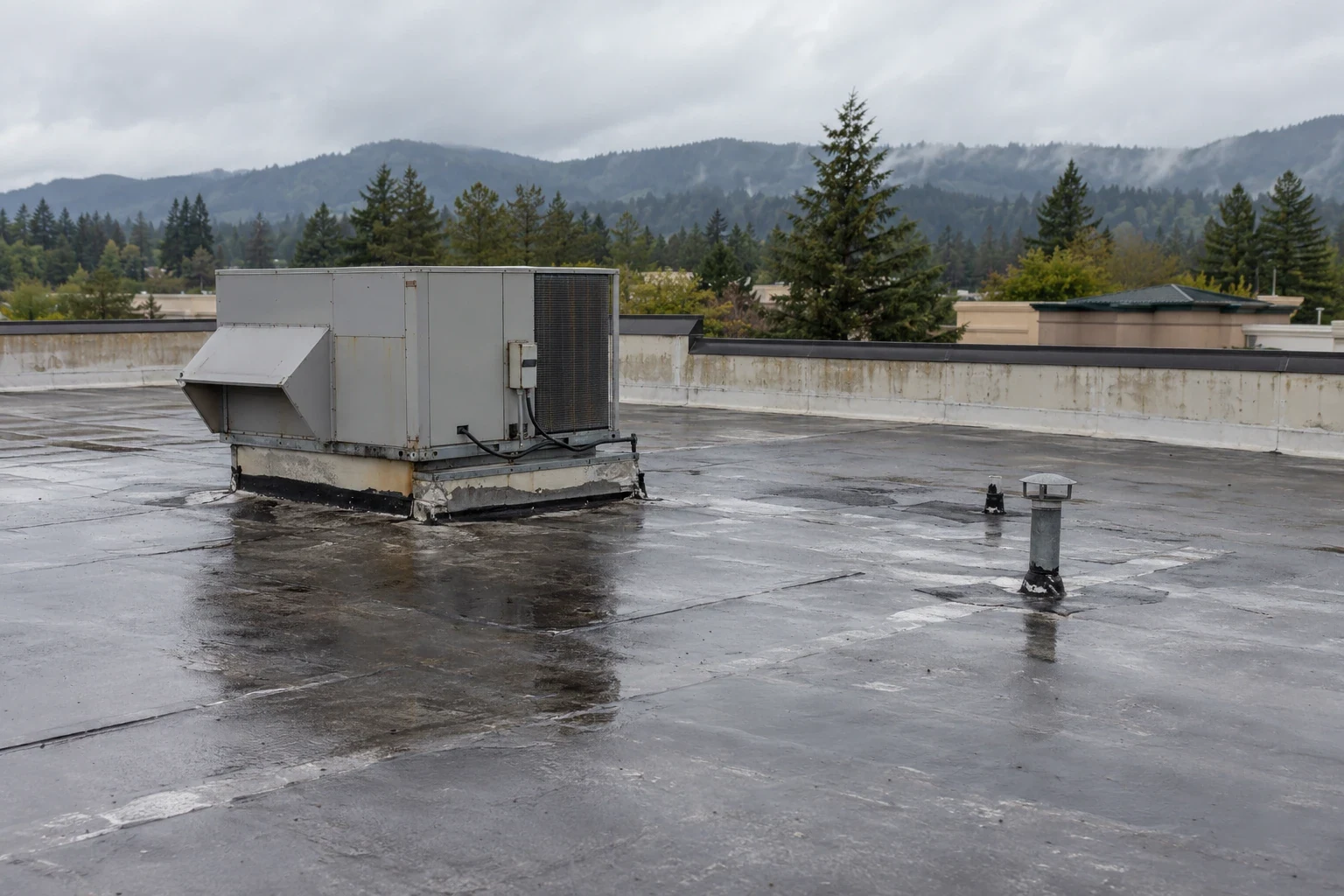
Grocery Store Roofing
Report the Kitchen or Dining Area
Place an intake call with the restaurant address, affected room and last known leak location. We will arrange a make-safe visit, record the curb and membrane condition, and provide a written scope sheet.
Questions About Restaurant Roofing
How do you inspect a leak near a kitchen exhaust hood?
We check the curb flashing, membrane around it, nearby seams and the roof-side support details. The indoor location is recorded separately because water can travel along the deck. If insulation may be wet, the scope identifies testing before the opening is closed.
Can a repair visit happen outside restaurant service hours?
We confirm access and work timing with the owner or manager, including deliveries, exhaust operation and customer routes. Emergency response is available around the clock, while permanent work is scheduled around the site conditions and any agreed equipment coordination.
What if the roof leak is close to a drain and exhaust curb?
Both details are checked and mapped. We determine whether the outlet is blocked, whether the curb flashing has separated, and whether water has reached the field between them. The proposal shows each repair boundary rather than treating the whole area as one unknown.
Does a coating fix recurring exhaust-curb leaks?
A coating does not replace curb flashing repair. We inspect the curb, membrane adhesion, seams and drainage first, then state whether the substrate is suitable for restoration. Preparation, repair and coating coverage remain separate items in the scope.
What records should stay with the restaurant property file?
Keep the marked roof plan, dated photos, curb and drain locations, repair notes, material details and any open test. If equipment service affected access, the record can note the coordination point without combining the roofing and mechanical scopes.