Roofing Manufacturers
Review Sika Sarnafil roofing in Beaverton, OR with seam, flashing, insulation and drainage checks before choosing repair, recovery or replacement.
Sika Sarnafil Commercial Roofing in Beaverton, OR
A Sika Sarnafil label gives the roof visit a starting record, not its conclusion. In Beaverton, OR, we locate the reported water, photograph the nearby membrane and details, and compare the visible assembly with the product documents. The first response makes the affected area safe. The follow-up inspection sets a repair boundary and identifies whether the same condition appears elsewhere.
Beaverton and Hillsboro form a connected technology corridor, but a data-oriented office, production building and retail property still have different roof layouts and access limits. We verify the actual system on each building and keep the photo set with its plan. That gives the property manager a clear place to start when the next leak report arrives.
Confirm the Sheet and Build-Up
We identify the visible membrane, seam construction, flashing material, attachment and number of roof layers where records permit. A product name in an old file cannot establish what was installed after later repairs or a recover. We mark verified and unknown components separately, then explain whether a test cut or product record could change the scope.
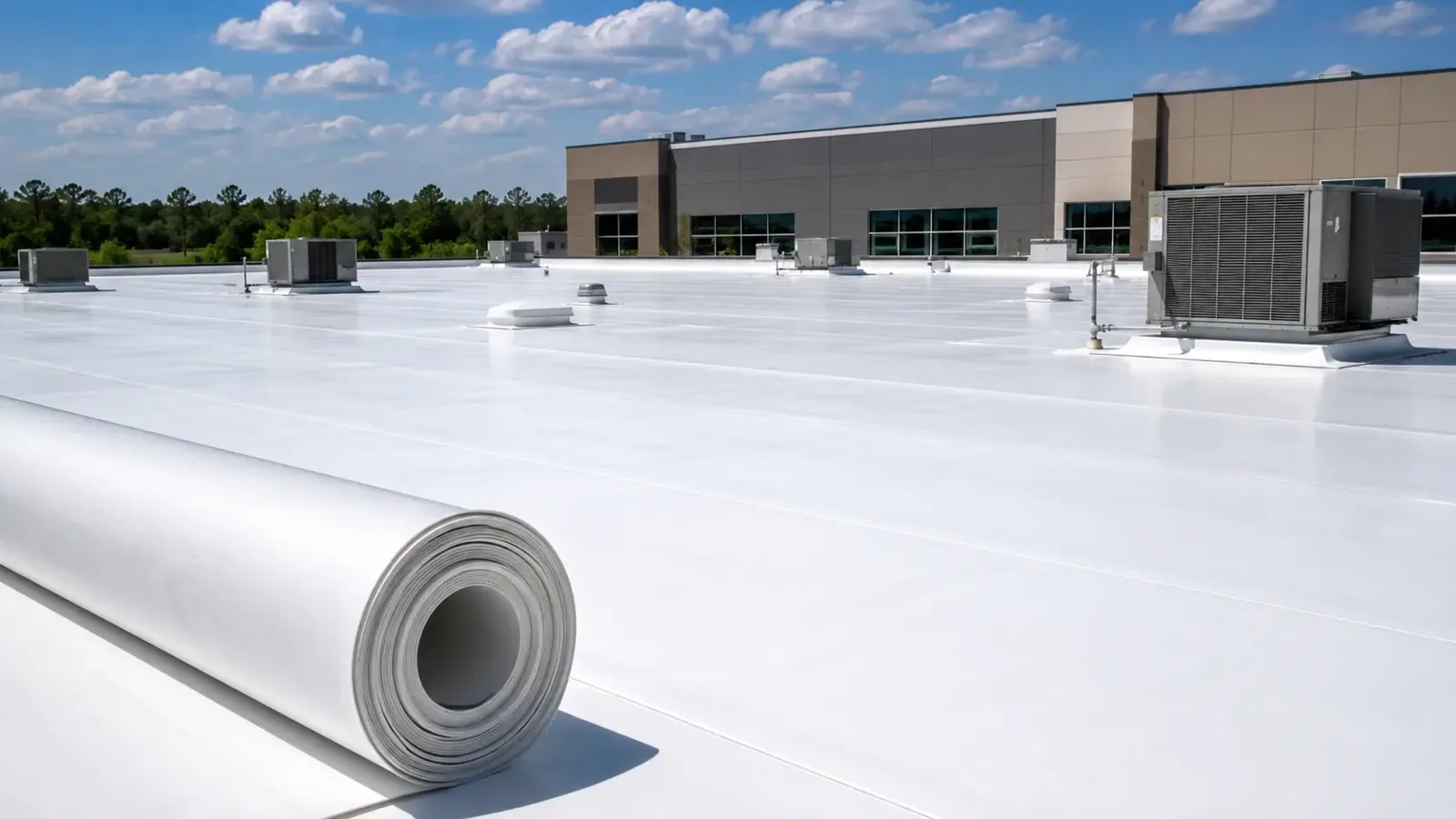
Sarnafil is associated with PVC roof membranes, but a site review still has to confirm the specific product and assembly. We inspect the sheet and transitions, then compare the proposed work with what the building can retain. A PVC membrane assembly depends on sound seams and compatible details. A Soprema system or Duro-Last roof receives the same component-by-component review, with its own records.
Insulation and deck condition can change the recommendation more than the visible field. We look for signs of movement, wet areas, soft spots and recurring ponding, then identify where a selective opening would answer a material question. If testing is declined, that limit appears beside the repair or recover option instead of disappearing into a general note.
Test the Seam Line
PVC membrane laps are heat welded, so an inspection follows the seam line for open edges, contamination, wrinkles, fishmouths and stress around corners. We probe accessible welds, inspect patches and note where service traffic may have affected the surface. If a seam fails, the marked location shows its relation to drains, curbs and interior reports.
Rain on roughly 151 days a year makes a short opening worth tracing before more water reaches the insulation. A roof inspection checks the surrounding field and wall details, while seam repair stays within the portion that can be tied into sound material.
The repair record notes preparation, temperature and the area welded. We clean the surface, remove loose or incompatible material, and check the new tie-in before closing the work. If rain or moisture prevents a permanent weld, a temporary measure is recorded separately, with a return action. The building file should show whether the repair is complete or whether the final seam remains on the schedule.
Inspect Flashing and Penetrations
Field seams are not the only water path. Curbs, pipes, skylights, wall transitions, expansion joints, drains and perimeter edges each move differently from the membrane. We check their corners and terminations for splits, loose flashing, unsupported edges and patches that bridge movement. The scope states whether the repair reaches the detail or stops at the field sheet.
Beaverton properties near Cedar Hills Crossing, Progress Ridge Town Square or the Round each get their own access plan and their own property-specific observation. A penetration flashing review identifies which curb or pipe detail needs work and what remains outside the scope.
A sealant bead can hide a split without rebuilding the flashing. We remove failed material where needed, check how water reaches the opening and tie the new detail into a clean, sound surface. If the curb itself moves or its support is loose, that condition is listed separately. The photo set helps the manager distinguish a corrected transition from a nearby item that remains under observation.
Follow Water to the Low Point
A drain bowl, sump and overflow route can determine whether water leaves the roof or stays around the membrane detail. We check strainers, debris, connection condition and the surrounding slope. Clearing a blockage is a maintenance task; raising a sump or changing slope is a construction scope. The report identifies which one the inspection supports and where standing water was found.
Portland's recorded 116 degrees on June 28, 2021 shows how hot a roof can run, and heat affects material handling and membrane surface conditions, so the selected product's published limits govern work timing. If drainage needs correction, a drain and scupper scope can sit apart from a localized roof repair, keeping both work boundaries visible.
Separate Repair from Replacement
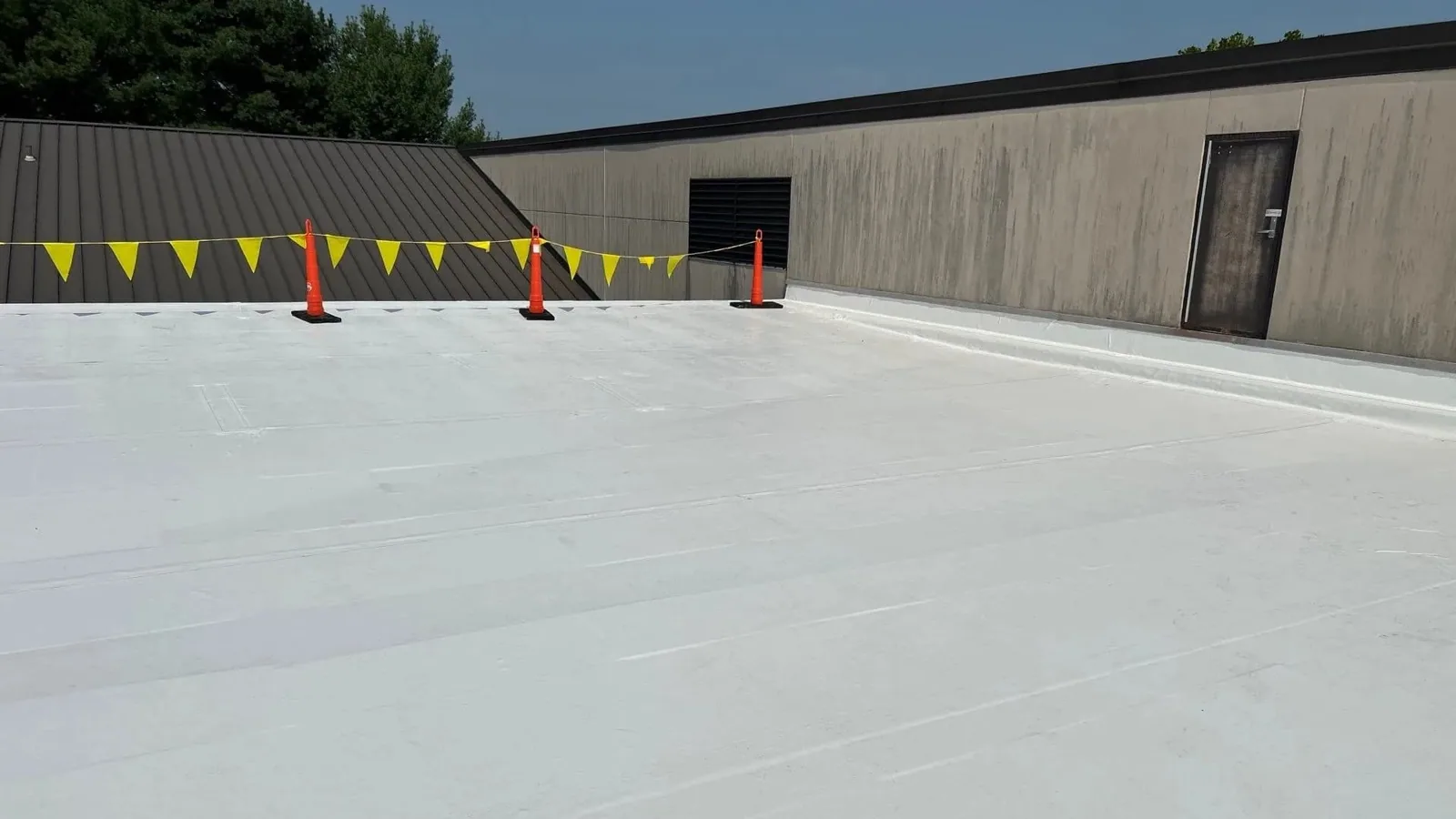
One seam opening may support repair. Repeated failures, broad wet insulation, deck concerns or widespread flashing distress can shift the decision toward replacement. We compare the findings against system age only when records establish it, then show repair, recover and tear-off assumptions in separate lines. A proposal should say what condition moves the recommendation from one option to another.
Cost changes with removal, insulation, cover board, edge metal, penetrations, access equipment and protection inside the building. A recover may retain materials only if they are sound and the roof assembly permits it. A replacement proposal describes the new build-up and each interface, while a capital review can carry the comparison into the owner's budget discussion.
Across the Silicon Forest corridor, rooftop equipment and operating schedules may require coordination before a crew arrives. We confirm shutdown contacts, roof keys, delivery areas and tenant notices; then set a daily limit that can be dried in. The closeout record shows where work stopped, what was secured and which area remains for the next visit.
Keep the Product File Current
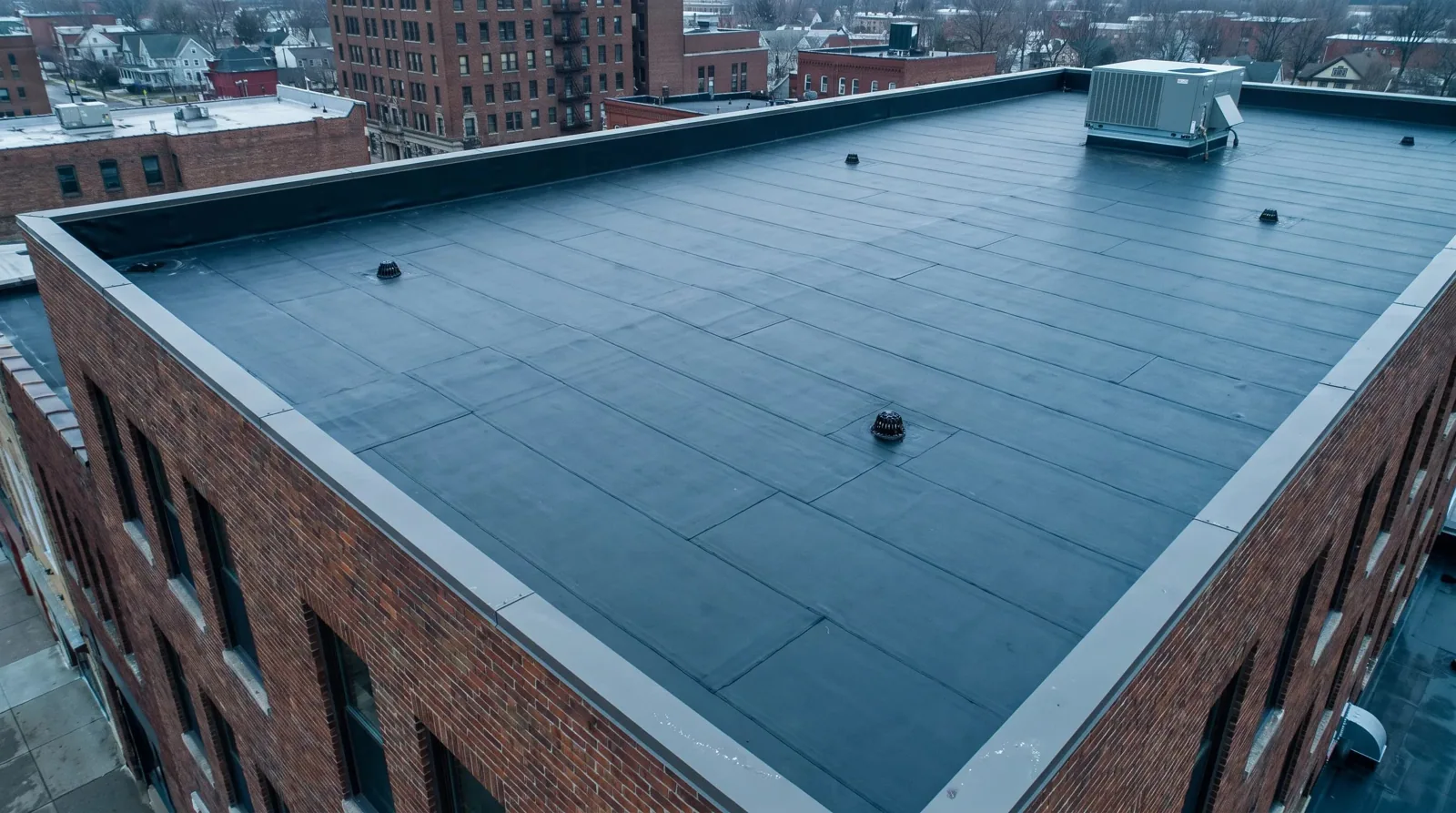
Photos, marked plans, product records, repair notes and warranty papers belong together. We date each entry, identify the detail or seam repaired, and state whether adjacent areas were checked. If a test was not performed, the record preserves that limit. This makes the next inspection a comparison with a known condition instead of another first look.
Warranty terms depend on the documents for that system and the conditions written there. We review available instructions before altering a covered roof, then document the selected method. A product label alone does not promise how coverage will be handled. The owner receives the scope, photos and follow-up item for the building file, with the repair-or-replace threshold stated in plain terms.
Related Roofing Work
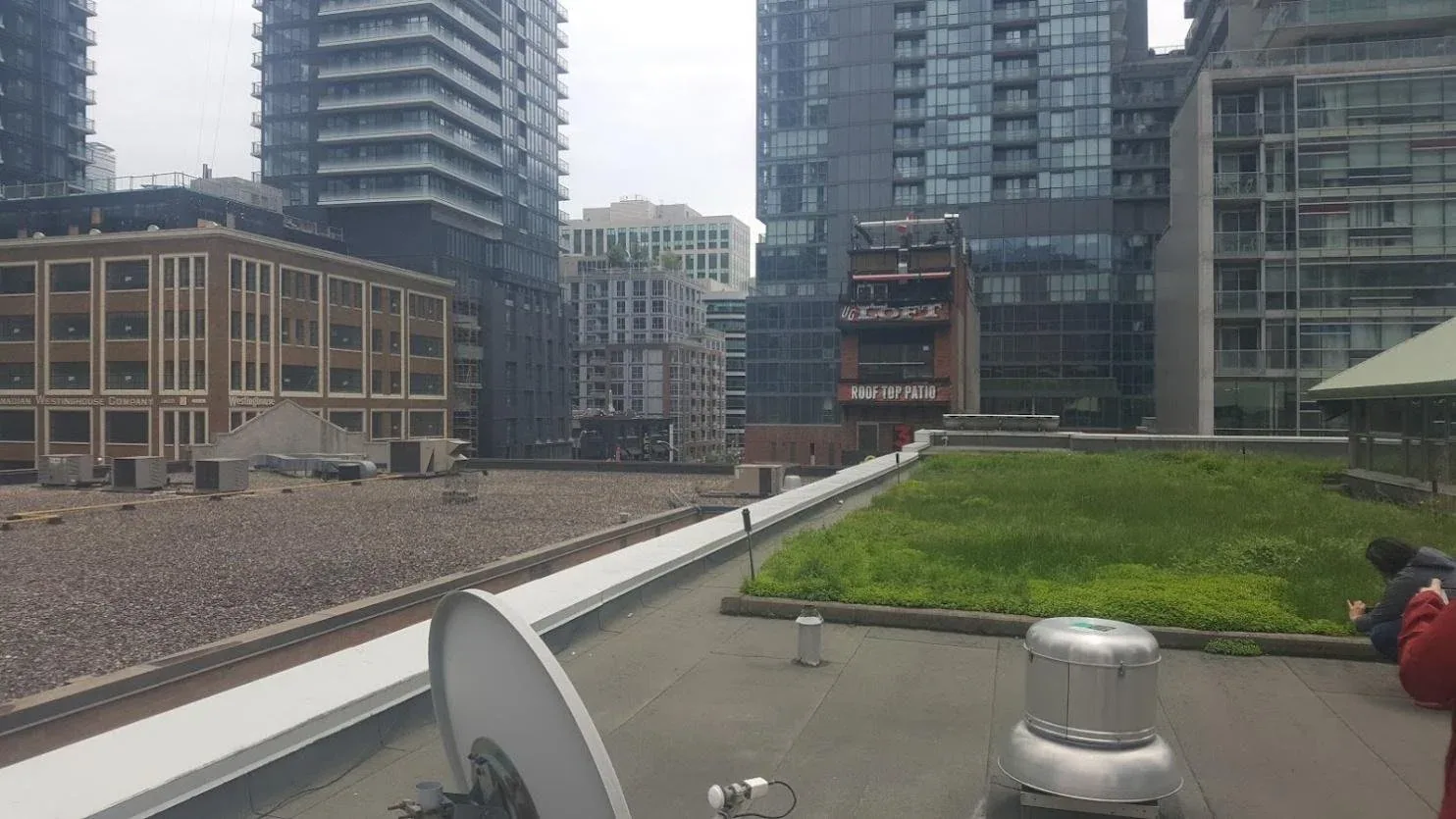
PVC Roofing
Soprema Roofing Systems
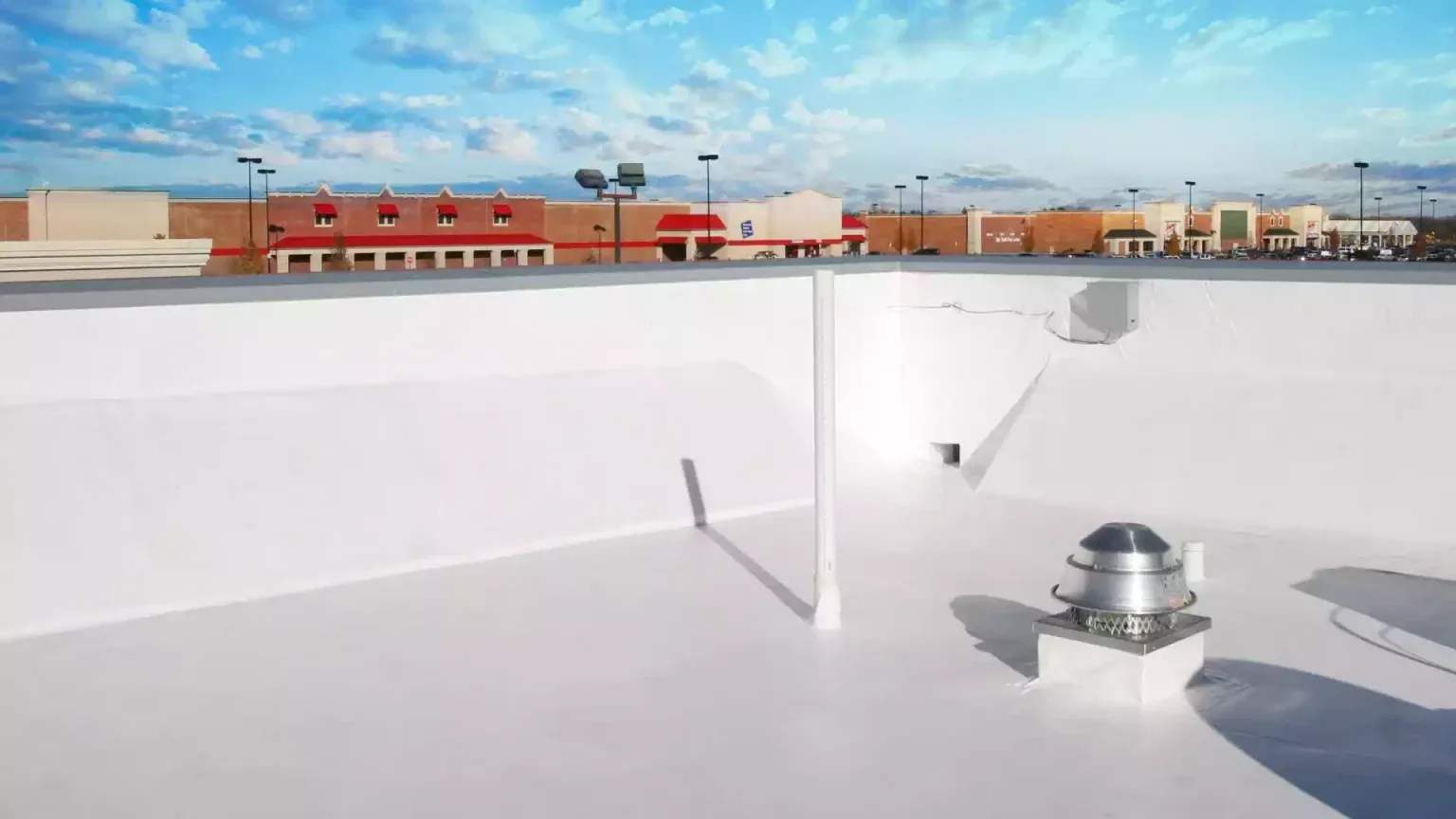
Duro-Last Roofing
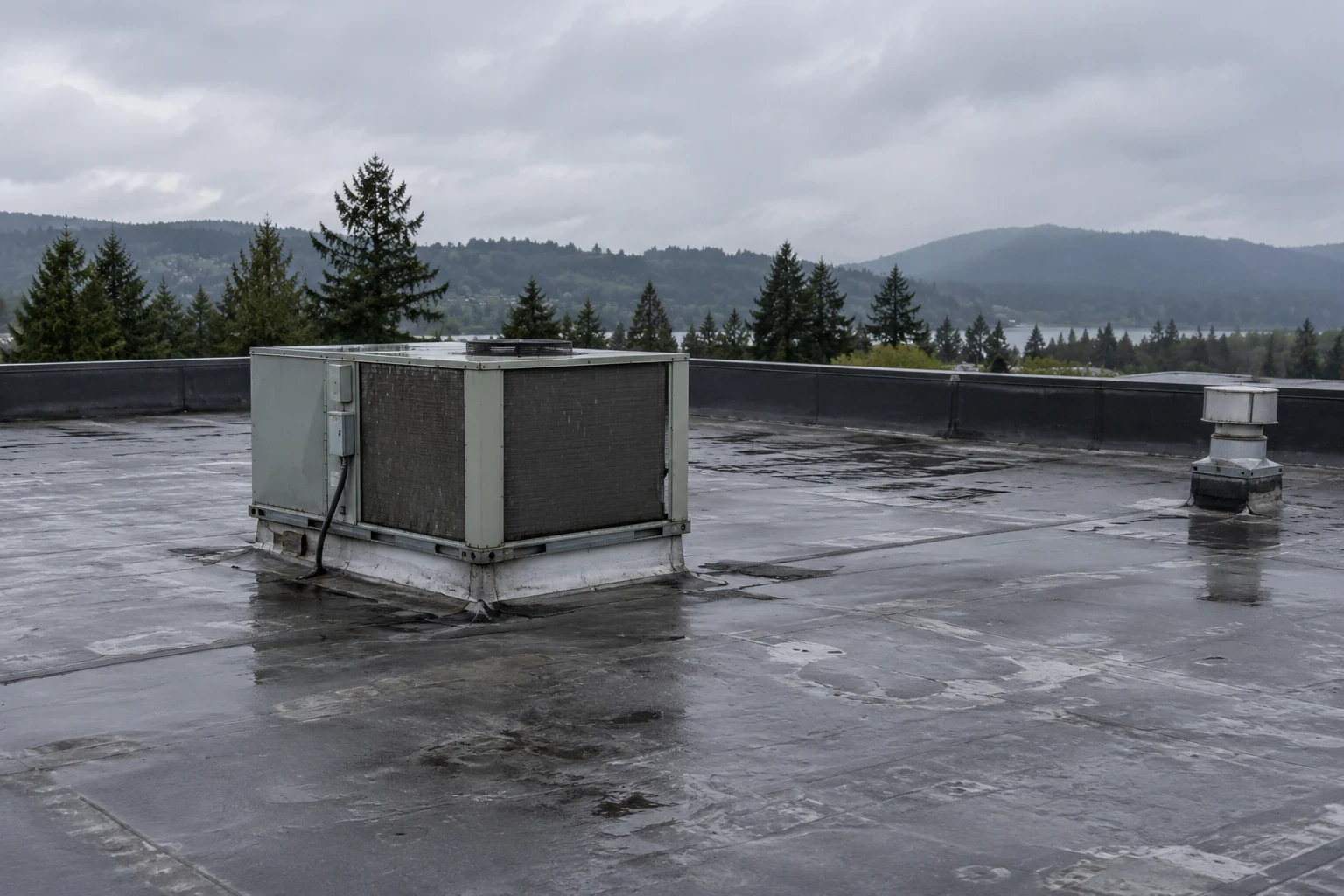
Commercial Roof Inspection
Set a Sarnafil roof review
Call with the building address, available system paperwork and the last known leak location. We will make a safe initial visit when water is active and provide a written scope for the confirmed assembly and details.
Questions About Sika Sarnafil Commercial Roofing
Does Sika Sarnafil identify a PVC roof at every building?
It is a useful clue, but the installed product and later work still need confirmation. We compare labels, seam construction, flashing and records, then separate verified layers from any item that needs testing.
How do you check a Sarnafil seam?
We follow accessible welds, inspect edges and corners, probe where appropriate and record the surrounding condition. A repair is limited to sound material, with the water path and any wet insulation included in the decision.
Can a PVC roof be recovered?
A recover depends on existing layers, moisture, attachment, deck condition, drainage and project requirements. We show what the inspection confirms and list any test needed before recommending that the current assembly remain.
What happens when a leak appears during Beaverton's wet season?
We protect the affected space, make the roof safe where conditions permit and photograph the location. Permanent work follows when the surface and materials meet the selected product requirements, with a temporary measure clearly identified in the log.
What should the owner keep after repair?
The file should include product papers, dated photographs, a roof-plan location, materials used, work limits and the next review item. We return those records with the scope so a later visit can compare the same detail.