Roofing Manufacturers
Versico single-ply roofs in Beaverton, OR: how we identify the membrane, test seams, check wet insulation and decide between repair and replacement.
Versico Roofing Systems in Beaverton, OR
A leak report on a roof tagged as Versico begins like every other intake call in Washington County: where is the water entering, what sits underneath it, and who can get a crew onto the roof today. Versico makes single-ply membranes, and its line is not limited to one polymer, so the name on a submittal does not tell us whether the sheet overhead is TPO, EPDM or PVC. That gets settled on the roof, from the surface, the seam, the fastener pattern and whatever paperwork the building file holds.
In Beaverton, OR, where roughly 151 days a year bring precipitation, the first visit is about stopping water and recording it. We make the area safe, photograph the field and the details before anyone touches a seam, and open a leak log. The scope sheet that follows says which kind of repair the membrane has earned.
Read the sheet before the label
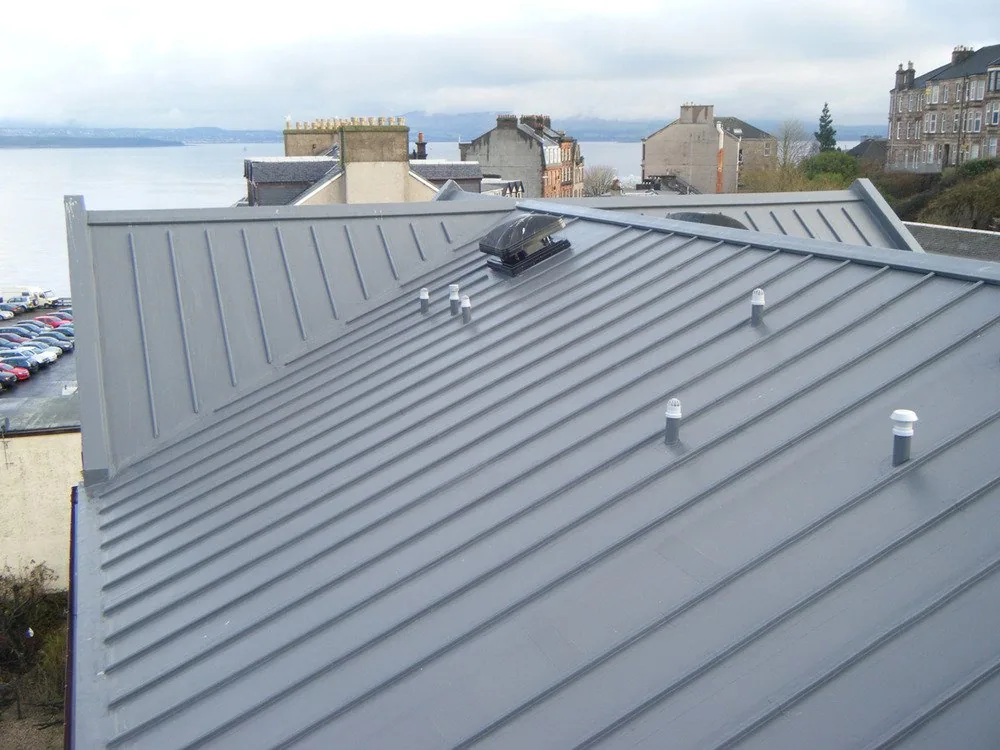
Single-ply roofing is a family of sheets with very different behavior, and a Versico roof can sit in any branch of it. A thermoplastic sheet such as TPO or PVC joins at the lap with a hot-air weld, so the seam becomes part of the membrane. A thermoset sheet such as EPDM is a cured rubber that cannot be welded, so laps rely on tape or adhesive. The repair method changes with the chemistry, and a patch material that bonds well to one sheet can peel off another within a season.
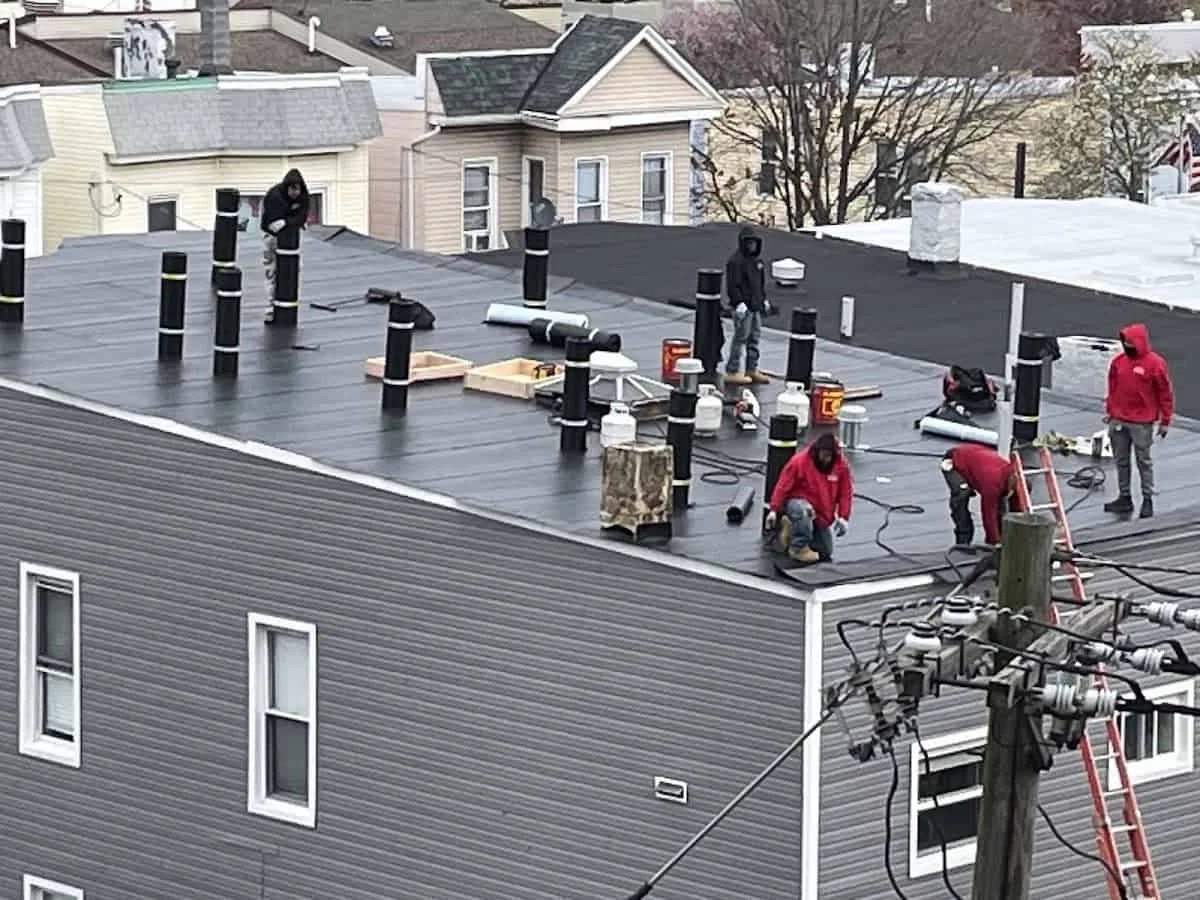
On the make-safe visit we look at the surface texture, the color of the underside of a lifted edge, the way the laps are finished and how the sheet is held down. Fully adhered, mechanically attached and ballasted systems each fail in a different place. The photo set records those clues, and the scope sheet names the sheet type before it prices a single patch.
Seams tell the leak history
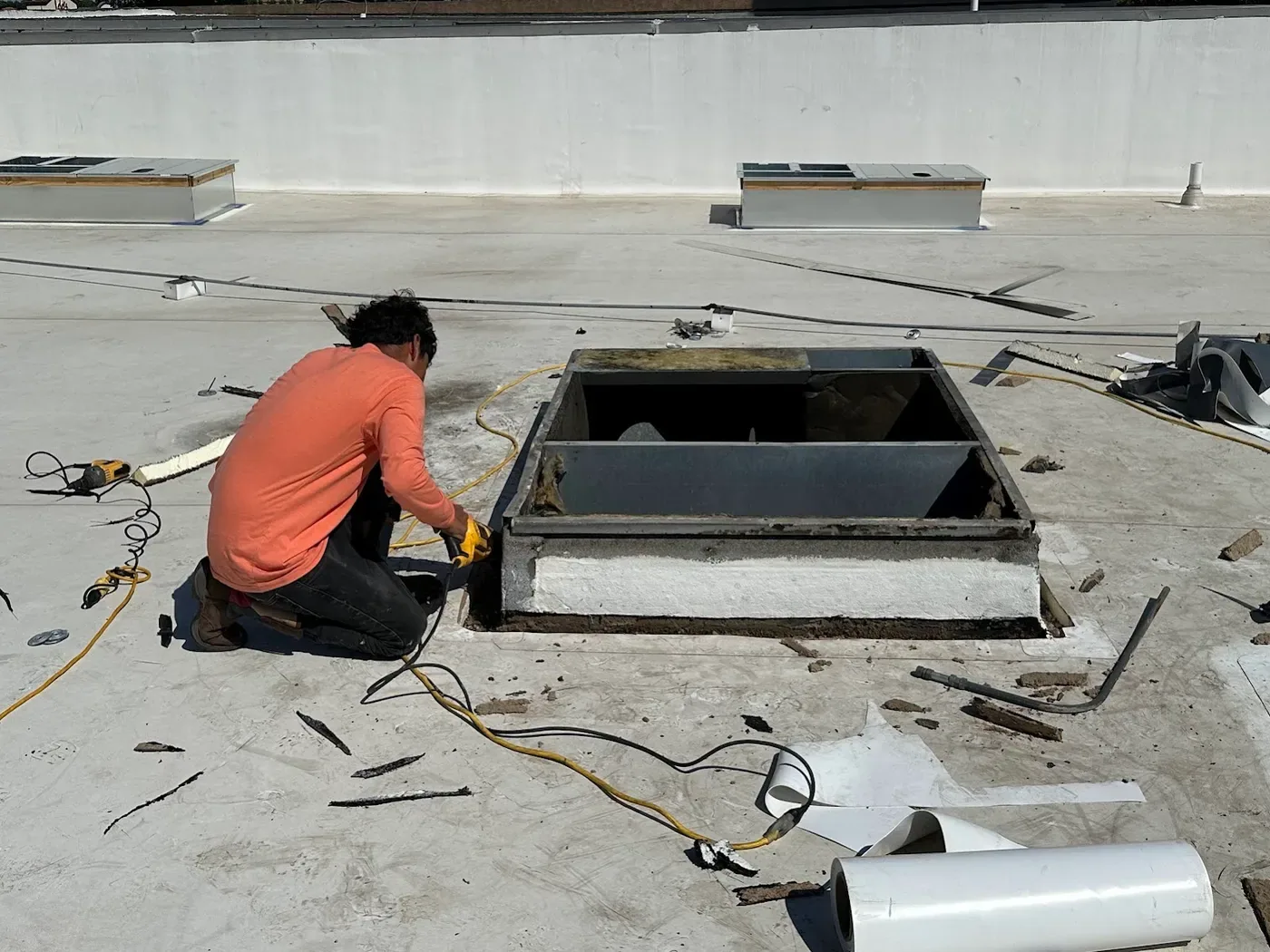
Most single-ply leaks trace back to a lap, a corner or a point where one detail meets another. On a welded sheet we probe the seam edge with a blunt tool, looking for an unwelded gap, a cold weld that sits on the surface without fusing, or a cut where a past trade dragged a tool across it. On an adhered rubber sheet the question is whether the lap tape or splice adhesive still holds after years of wet winters and dry summers.
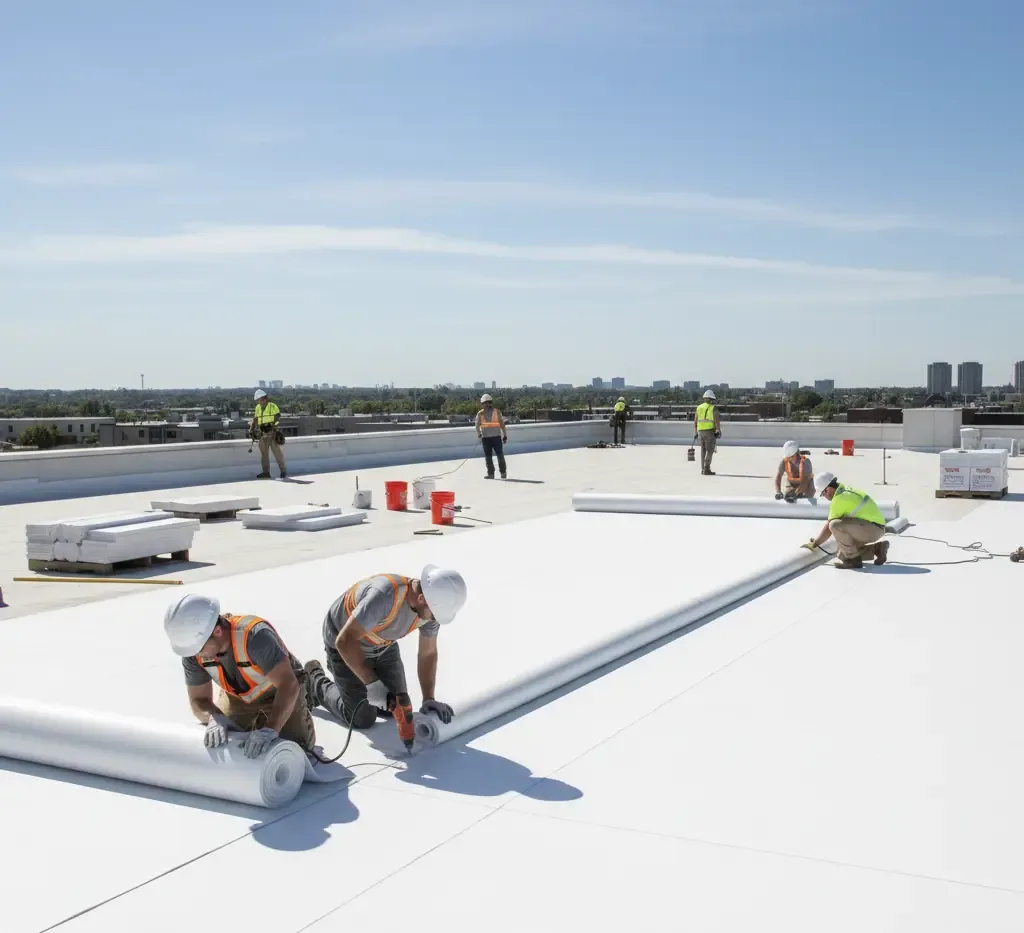
A small seam failure is often a localized fix: clean the lap, restore the bond, test it, and log the location. A seam that opens in several places along one run points to a different cause, such as shrinkage, movement at a long field lap or a lap that was never fully joined. That pattern moves the conversation from the repair line toward the TPO roofing or EPDM roofing replacement question, depending on which sheet we confirm.
Check what the water reached
A single-ply sheet is the weather skin, and the insulation board beneath it is where an old leak keeps working after the drip stops. Polyiso and similar boards lose insulating value when they absorb water, and a saturated board can hold a wet spot long after the surface looks dry. When a patch fails twice in the same area, wet insulation is the usual reason, because the new repair sits on a cushion that is still taking on moisture from below.
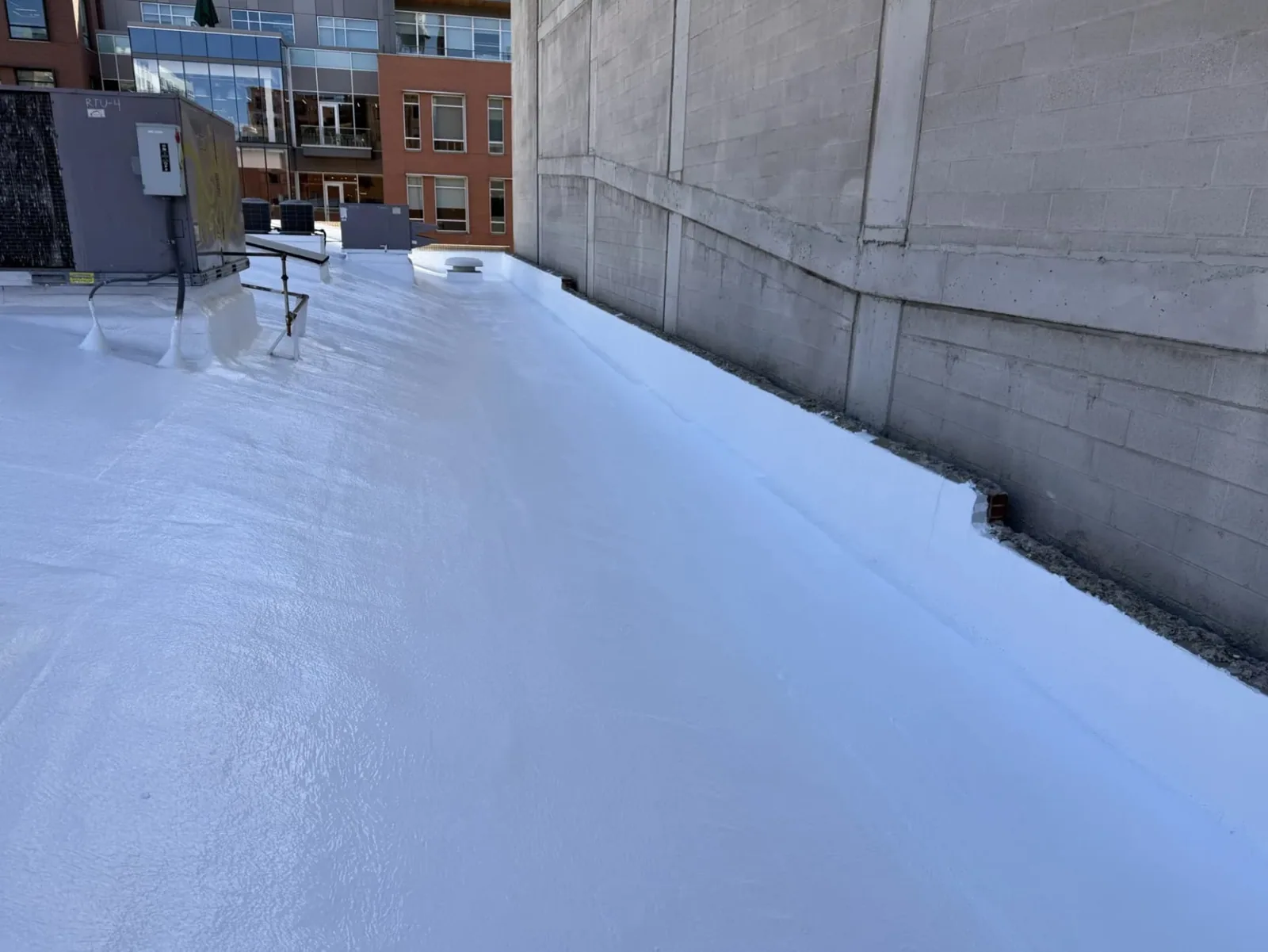
We separate a surface repair from a wet-assembly repair with moisture readings and, when the roof is large or the leak path is unclear, an infrared survey in the evening after a dry day. Where the board is sound and only the sheet is tired, a cover board over the insulation can add puncture resistance before a new membrane goes down.
Rain first, then heat
November, December and January bring Beaverton its heaviest rain, so a single-ply roof here spends much of the year under water on the surface or in the drains. That makes every detail around a penetration a standing test. The same sheet then faces a wide temperature range: Beaverton has recorded 115 degrees and minus 8 degrees, and Portland hit an all-time 116 on June 28, 2021.
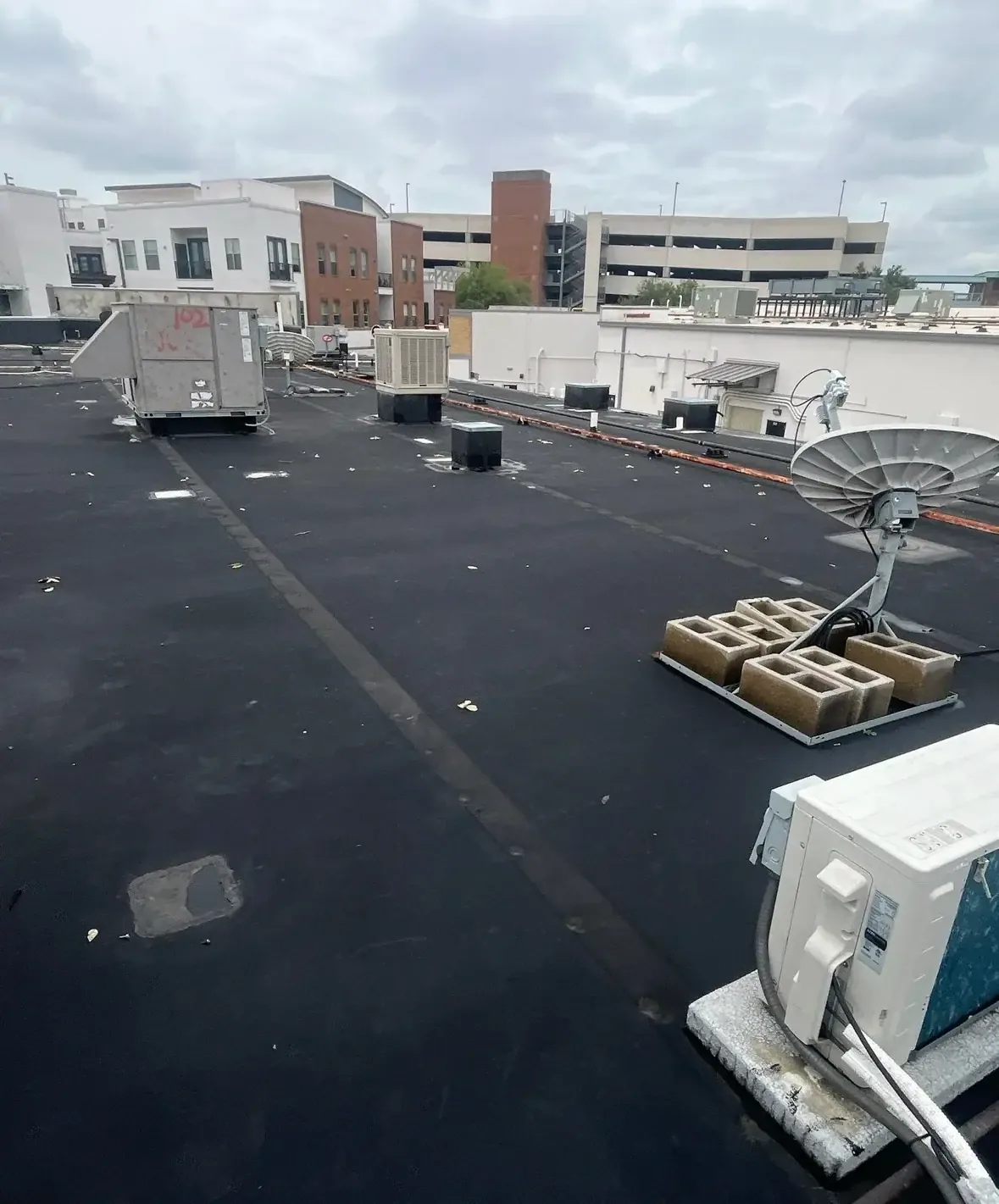
Across the Silicon Forest corridor between Beaverton and Hillsboro, buildings that house technology and production operations often carry rooftop mechanical units. Equipment connections, refrigerant lines and curbs are the details that move first when the roof flexes with temperature. We check them on every visit, and we look at the leak repair history before deciding whether to chase a new leak or look for a pattern.
Set the repair or replace line
A roof should not be replaced because the first repair was expensive, and it should not be patched forever because replacement is large. The threshold comes from three readings: how much of the field is wet, how many seams and details have failed, and how much sound membrane remains to carry a repair.
We write the answer into the scope sheet with each item marked as patch, local replacement or capital line. That lets an asset manager at a distribution center in Hillsboro or a retail owner at Cedar Hills Crossing compare the cost of staying with the roof against the cost of a new one. The roof condition reports we leave in the building file make that comparison possible a year later.
Keep the building file current
After a repair we update the photo set, the leak log and the drawing mark-up. If a membrane change comes later, those records show which areas were wet, which seams were reopened and where equipment moved, so the next roofer starts with facts instead of memory. A property that was recoated or re-covered with a different maker's sheet, such as a prefabricated PVC system or a modified bitumen roof, keeps the same file structure, which helps an owner with several buildings from Beaverton to Hillsboro compare roofs on equal terms. Have the street address ready when you place the intake call.
Related Roofing Work
Commercial Roof Seam Failure Repair
TPO Roofing
EPDM Roofing
Commercial Roof Insulation and Cover Board
Place an intake call on your Versico roof
Call with the building address, the last known leak location and any membrane paperwork you hold. We will send a crew for a make-safe visit and follow with a written scope sheet that names the sheet type, the repair boundary and the point where replacement belongs on your capital line.
Questions About Versico Roofing Systems
Does a Versico label mean the roof is TPO?
Not by itself. The brand sells more than one single-ply chemistry, so the sheet type is confirmed on the roof by looking at the lap construction, the surface and the underside of a lifted edge. Paperwork helps, and we read it against what the membrane shows. Once the sheet is identified, the repair material and the seam method follow from it, and the scope sheet states the finding.
How do you decide between a seam repair and a larger section replacement?
Count and location decide it. One open lap on an otherwise tight field is a repair with a test and a log entry. Several open laps on the same run, or repeat failures after earlier patches, suggest the problem is the sheet or the original joining, and the scope sheet will price a local replacement or a full recover for comparison.
Can a new membrane go over an old Versico roof?
Sometimes, if the existing assembly is dry and the deck can carry the added layer. Moisture readings, a core sample and the condition of the insulation settle it. A wet or crushed insulation board rules out a recover, and the scope sheet will then show the tear-off option beside it so the numbers can be compared directly.
What does a leak visit during a wet November look like?
The first visit is the make-safe step: a tarp or temporary seal, a cleared drain, and a photo set before anyone cuts anything. Permanent work waits for the next dry window if the membrane cannot be welded or bonded in rain. You receive the leak log and a written scope after the second visit, so the repair date is tied to conditions and not to a guess.
What records should stay with the building after the work?
Keep the photo set, the leak log, the moisture readings, any submittal for the membrane and the scope sheet showing what was repaired. Those documents let a later contractor or a new asset manager see which areas were wet and which seams were reopened. We add them to the building file after each visit so the history stays with the property.