
Commercial Roofing Services
Skylight and penetration flashing in Beaverton, OR traces water to the curb, seal or roof transition, then records the repair boundary and interior protection.
Skylight and Penetration Flashing in Beaverton, OR
A skylight leak starts with the interior mark and the assembly above it. We note the ceiling location, check the curb and surrounding membrane, then inspect nearby penetrations before opening anything. Water can travel along a deck or insulation joint, so the stain is a starting point for the trace rather than the repair boundary. In Beaverton, OR, long wet periods test skylight corners and pipe flashings repeatedly; the photo set must show which transition failed.
Our skylight and penetration flashing work rebuilds the roof-to-curb or roof-to-pipe connection using materials compatible with the existing system. We document interior protection, the roof opening and the permanent tie-in separately.
Trace From the Interior
We begin with the room below: the stain, ceiling type, equipment and any change in how the leak appears. The property contact tells us whether water follows rain, wind direction or equipment service. On the roof, we map the point above and inspect the skylight, curb, counterflashing, pipe boots, conduit and nearby seams. A leak that shows at one corner may have entered at a higher transition and traveled before reaching the ceiling.
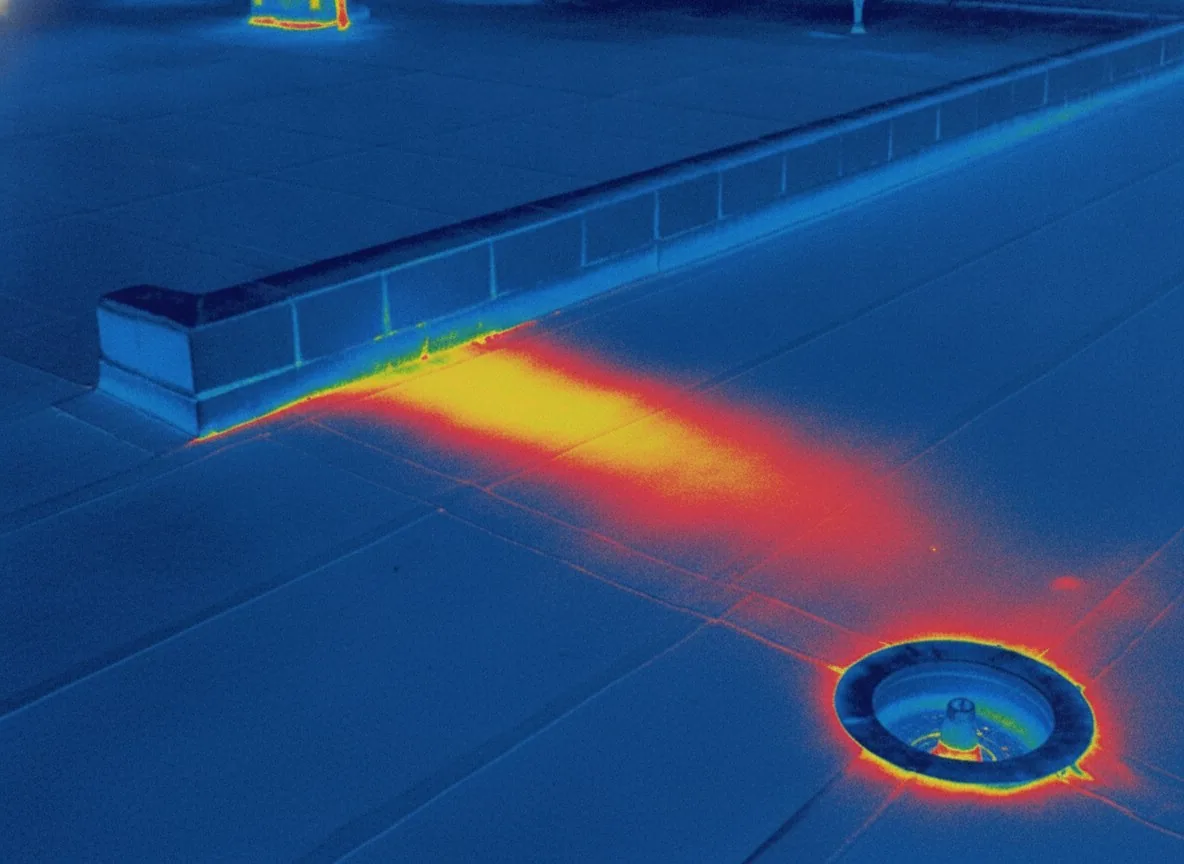
When a suspect area remains uncertain, we use a controlled water test in stages or check for moisture around the curb. An infrared moisture survey can help find wet insulation around a larger roof area, while a test opening confirms the material. We do not cut a curb flashing until the evidence identifies a boundary and the owner understands what will be opened.
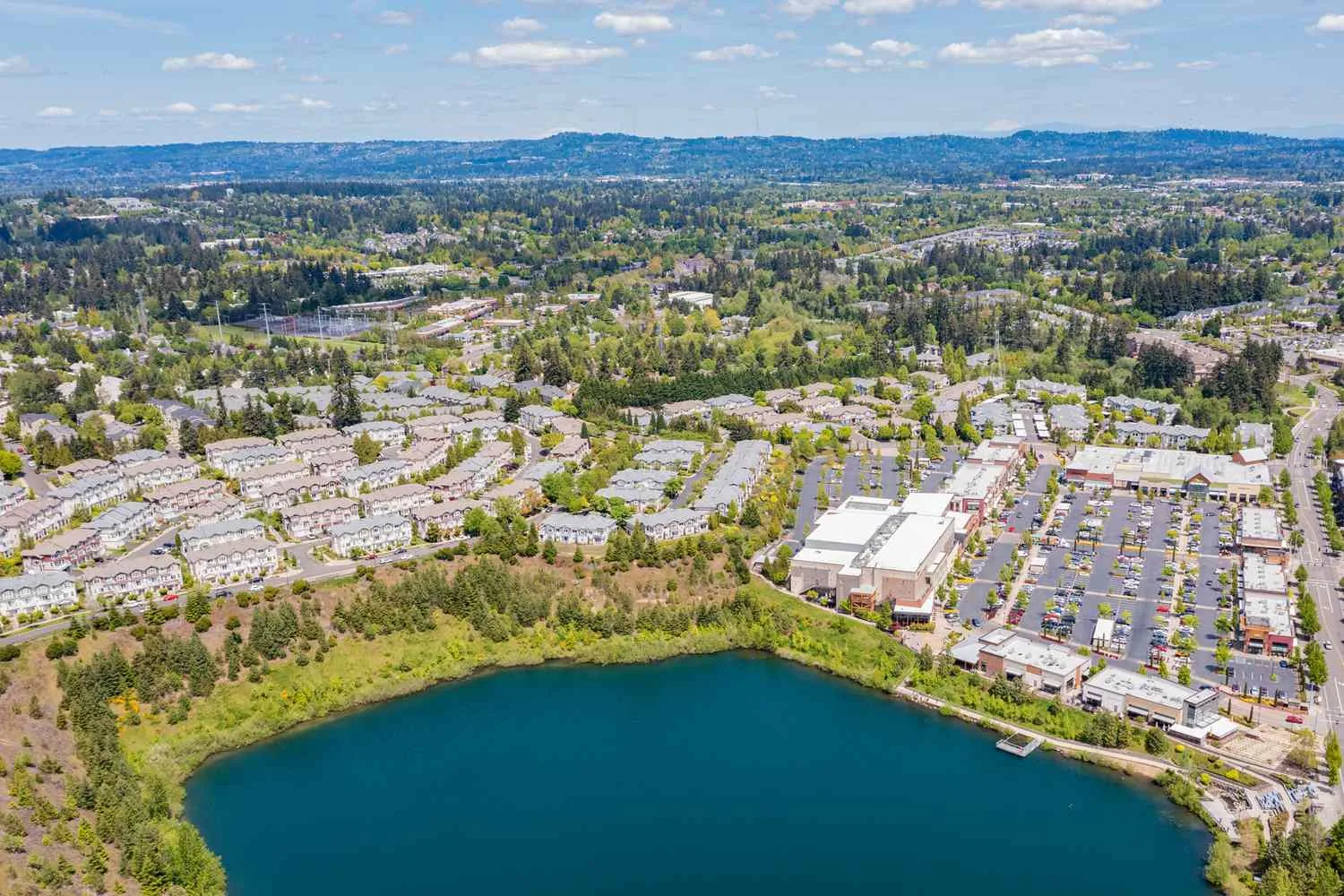
Metro expects Downtown Beaverton to hold compact two- to four-story employment and housing near transit, and in buildings that size occupied space sits directly below the roof details. We coordinate interior access and protect the area before testing, then add the ceiling location and roof point to the leak log.
Inspect the Curb and Frame
A skylight curb has several transitions: membrane up the side, corner reinforcement, counterflashing and the frame itself. We look for open corners, split sealant, corrosion, loose fasteners and gaps where the frame meets the curb. The frame and glazing need separate attention if they are damaged; a roof flashing repair will not correct a failed skylight unit. We mark both conditions if they appear together.
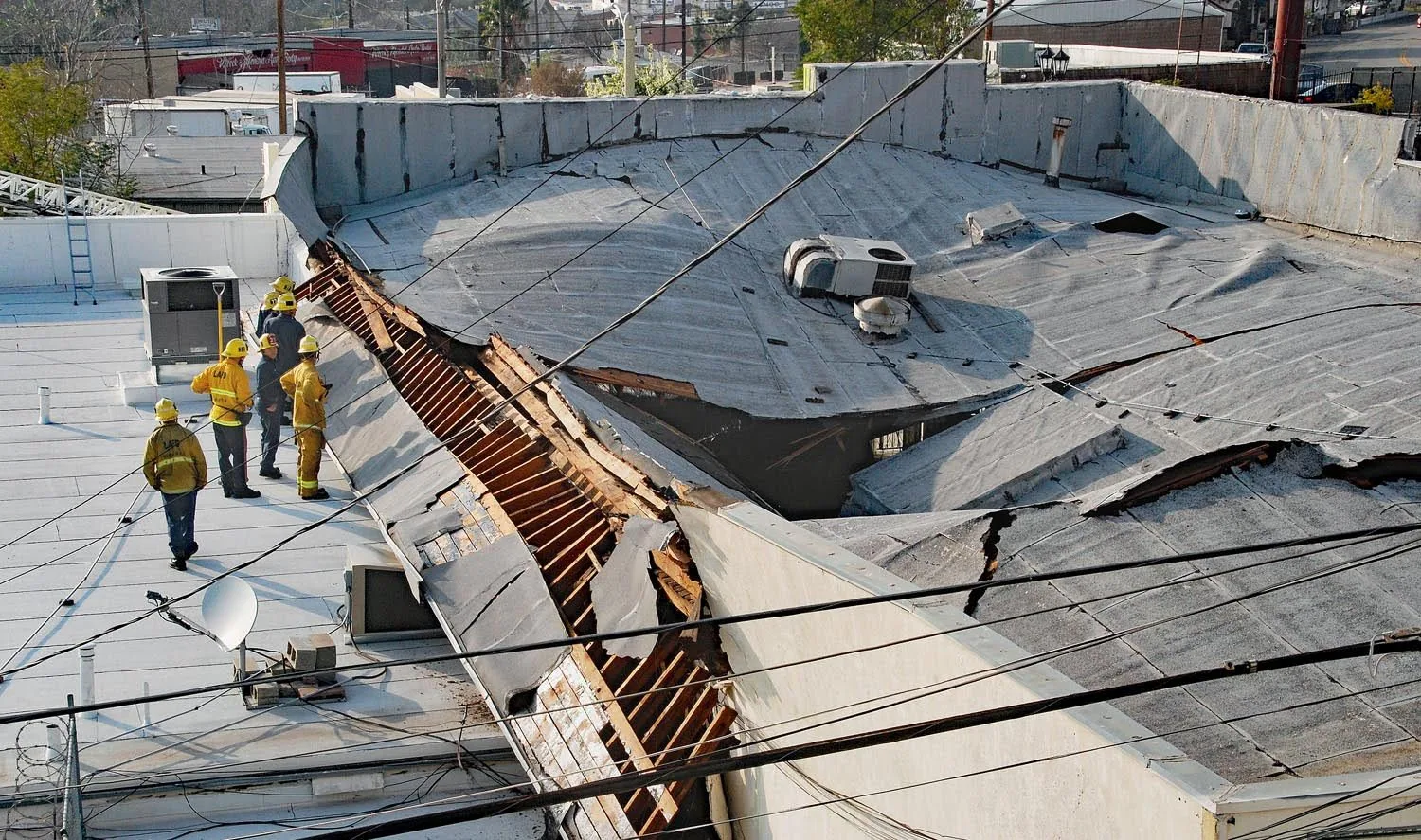
Repairs depend on curb height, existing membrane and whether the assembly can accept new flashing. We remove failed material, clean to a sound surface and rebuild each corner with compatible reinforcement. If the curb or deck is unstable, that work is scoped before membrane is installed. A flashing reconstruction may extend beyond the visible corner so the new material bonds to sound roofing.
With rain on about 151 days a year, the lower curb and interior side are worth checking after the repair. We record whether the opening was tested and what conditions remain for the follow-up visit.
Treat Each Penetration Separately
Pipes, conduits, equipment supports and abandoned lines each need a flashing detail suited to the object and membrane. A boot that has split at its neck differs from a pitch pocket with failed fill or a conduit that moves with the equipment. We identify the type, movement and attachment before choosing a repair. Grouping several unlike penetrations under one sealant line hides the work the building actually needs.
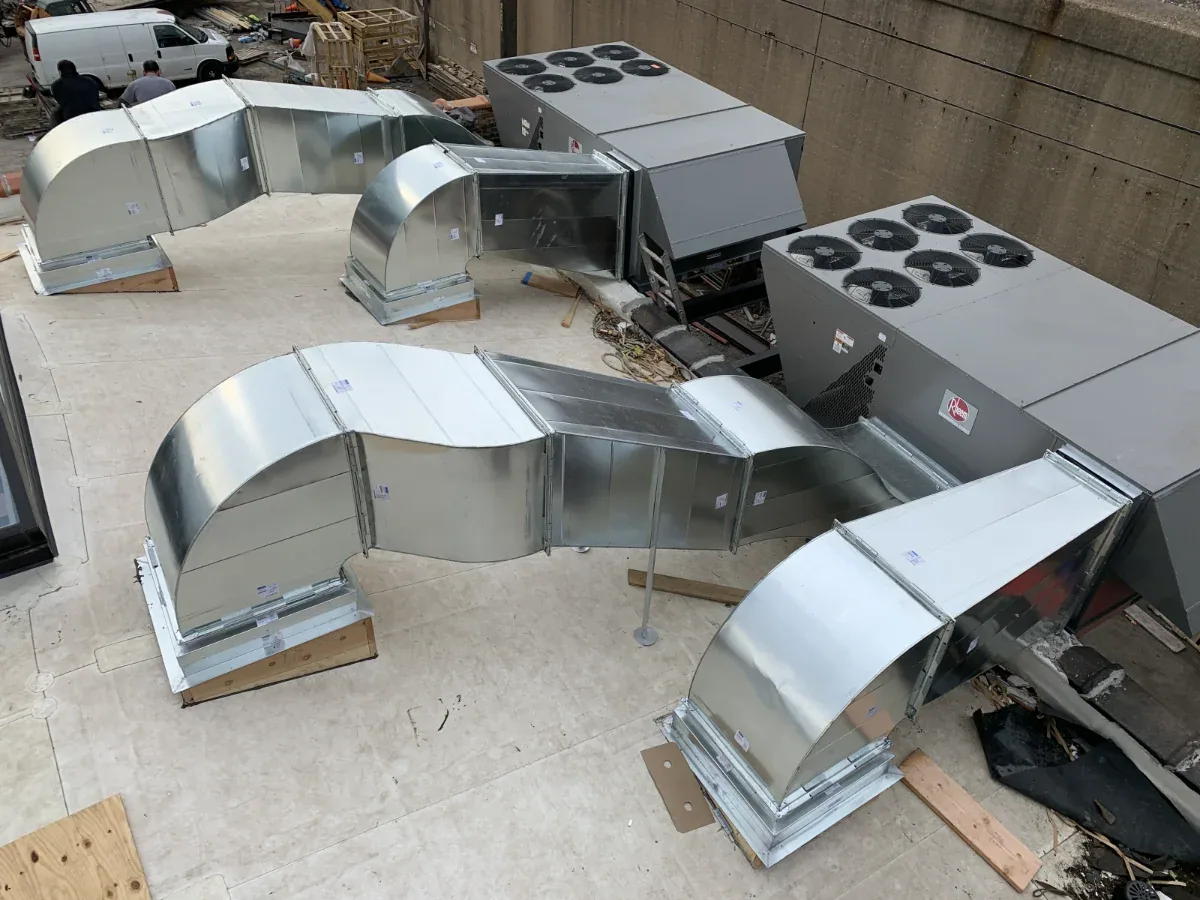
We check for support movement, loose collars and trade damage, then photograph the detail before removing material. If a service contractor needs to move or disconnect equipment, that work is coordinated with the property team and listed as a separate dependency. A curb and equipment support review may be needed where the roof transition and mechanical base move together.
Across the Beaverton to Hillsboro corridor, technology, optics, measurement and food-processing operations mean roofs with varied rooftop equipment, so the first questions are who controls the equipment and what shutdowns are allowed. The inspection then records what is present at that building.
Protect the Opening During Work
Once the repair boundary is marked, we protect the interior and remove the failed flashing without enlarging the opening unnecessarily. Wet insulation is cut back to dry material, and any exposed deck is checked before it is closed. The replacement detail follows the membrane system and curb geometry, with laps and corners reinforced so water sheds onto the roof surface instead of collecting at a seam. A low curb deserves particular attention because splash and shallow ponding can reach the upper edge of a flashing. We measure the curb and note nearby water marks before selecting the detail, then keep the new termination clear of moving frame parts.
Cold or wet conditions can limit some materials and adhesives. Beaverton has recorded a low of minus 8 degrees, so a winter repair may need a temporary dry-in until the substrate and product conditions support permanent work. We label that protection as temporary and schedule the return. The repair scope states the sequence, access needs and what remains open.
For a large skylight or a roof with several suspect details, a full roof inspection can place the repair beside adjacent seams, drains and edge metal. That helps the owner decide whether the leak is isolated or part of a larger condition affecting the building file.
Close the Leak Record
After the detail is rebuilt, we photograph the corners, counterflashing and adjacent membrane. Where conditions allow, we check the repaired area with a controlled water test; otherwise, we note the weather condition required for a return. The closeout states what was repaired, what remains outside the scope and whether interior follow-up is needed.
Portland Airport averages about 32 freezing nights a year, reason enough to keep an eye on sealants and transitions through temperature swings. A maintenance visit can recheck the curb, boots and nearby drain path before another wet season.
The claim or building file receives the dated photo set, marked roof point and repair description. For an intake call, provide the address, room where water appears, last known leak location and any equipment work near the detail. We return a written scope sheet that makes the next visit clear.
Related Roofing Work
Infrared Moisture Survey
Downtown Beaverton
Flashing Failure Repair
Rooftop Equipment Curbs and Supports
Trace the opening
Place an intake call with the building address, room where water appears, last known leak location and any recent rooftop work. We inspect the curb and nearby penetrations, then send a marked scope sheet and photo set.
Questions About Skylight and Penetration Flashing
Could the leak be coming from above the skylight rather than its frame?
Yes. Water can travel across the deck or insulation before it reaches the ceiling. We trace uphill and inspect nearby seams, curbs and penetrations before deciding whether the glazing, frame or roof flashing is involved.
Can sealant fix a leaking pipe boot?
A temporary seal may reduce entry, but a split boot or moving pipe needs a compatible flashing repair. We check the pipe support and membrane around the base, then show whether the boot alone or a larger section needs rebuilding.
Will you need to open the roof around the curb?
Only when the visible assembly or moisture evidence calls for it. We mark the proposed boundary and explain any test opening before cutting, then restore the roof with material that suits the existing system.
Can a skylight be repaired without replacing the whole roof?
Often, if the surrounding membrane and curb remain sound. We separate frame or glazing issues from the roof flashing, then price the defined repair rather than expanding it to unrelated roof areas.
What happens if weather prevents a permanent flashing repair?
We document and install temporary protection when conditions permit, then return when the surface is suitable for the permanent detail. The scope sheet identifies the temporary work and the follow-up condition.