
Property Types We Roof
Hotel roofing in Beaverton begins with guest-area protection, a clear leak record and roof access coordinated around occupied operations.
Hotel Roofing in Beaverton, OR
A Beaverton hotel's water report starts with the room or public area below it. We confirm whether a guest room, corridor, kitchen or equipment space is affected, then coordinate a make-safe visit with the property contact. The roof walk marks the likely entry, nearby drains and penetrations, while photos and the leak log are filed with the building record. A permanent scope follows once the affected assembly is clear.
Hotel work has to account for guests, staff movement, loading and roof access without treating every building the same. We document the exact roof zone and any area below that needs protection. The inspection record gives the manager a marked boundary for repair or replacement review.
Rain Can Travel Before It Shows
Beaverton's wettest months are November, December and January, which puts recurring pressure on drains, seams and roof-to-wall transitions. A ceiling stain can appear away from the opening if water follows a deck or insulation layer. We compare the indoor report with the roof field above it, photograph the likely route and identify whether a test opening is needed before the final repair boundary is priced.
Downtown Beaverton and Washington Square are both regional centers, and a hotel in either one still sets its own rules. At the property, we confirm guest entrances, service corridors and roof staging with the contact. A phased occupied-building sequence records those constraints before crew access.
Protect Rooms Below the Work
We mark the room or public area affected, the route to the roof and any temporary protection needed below. If a leak reaches a corridor or ceiling near active operations, the site contact can establish where guests should be redirected while the opening is made safe. The scope identifies the roof location separately from the interior response, so patch work is not confused with ceiling or finish repair.
A hotel may have several service penetrations, exhausts and rooftop units near a guest-facing area. We inspect the curb, flashing and surrounding membrane, then note equipment or access coordination separately. The roof equipment scope identifies the roofing transition, while an isolated repair describes the material and boundary needed for the membrane detail.
When a leak affects a guest room, we note whether the roof repair can be reached from above without moving through occupied areas. A ceiling opening or interior finish repair may belong to a separate trade, so the roofing record identifies the wet location and the roof-side work but does not combine unrelated restoration. The manager can then keep the building response coordinated while the roof scope stays specific.
Record the Roof Before Choosing a System
A roof assembly can include membrane, insulation, cover board, vapor retarder and several generations of patching. We inspect laps, edge metal, parapets, drains and penetrations, then mark areas where the substrate feels soft or moisture may be present. If the existing membrane remains serviceable, restoration may be considered after preparation and adhesion checks; a wet field needs correction before another layer is applied.
Portland Airport records about 157 wet days and some 32 freezing nights a year, a cycle that works on drains and seams alike. A silicone coating option can be evaluated where the substrate and water exposure fit; an occupied restaurant roof adds different vent and service constraints.
Sequence the Visit Around Guests
Work timing depends on the roof entrance, materials, lift access and spaces below the work. We confirm the site's quiet periods, loading schedule and any restriction on temporary closures. If the roof has to be divided into sections, the work plan names where each phase begins and stops, and what protection stays in place between visits. Those conditions are confirmed with the hotel contact instead of assumed from the property type.
The hotel's own service drive determines staging. A call at any hour, weekends and holidays included, gets a make-safe response, and permanent work is scheduled after the roof and access boundaries are documented. The make-safe response is separated from the completed repair scope.
At close of each phase, we photograph the finished transition and identify any temporary protection removed or left in place. If a seam or flashing needs a second look after the next dry period, that check is scheduled against the roof map. This gives the property contact a clear handoff between the first-hour response and the permanent roof work, especially when different areas have different access windows.
If the leak coincides with a scheduled room turnover or maintenance period, we can use that window to inspect the ceiling report and roof above it together. The scope sheet records which areas are accessible and what remains open, rather than assume all interior access is available at once.
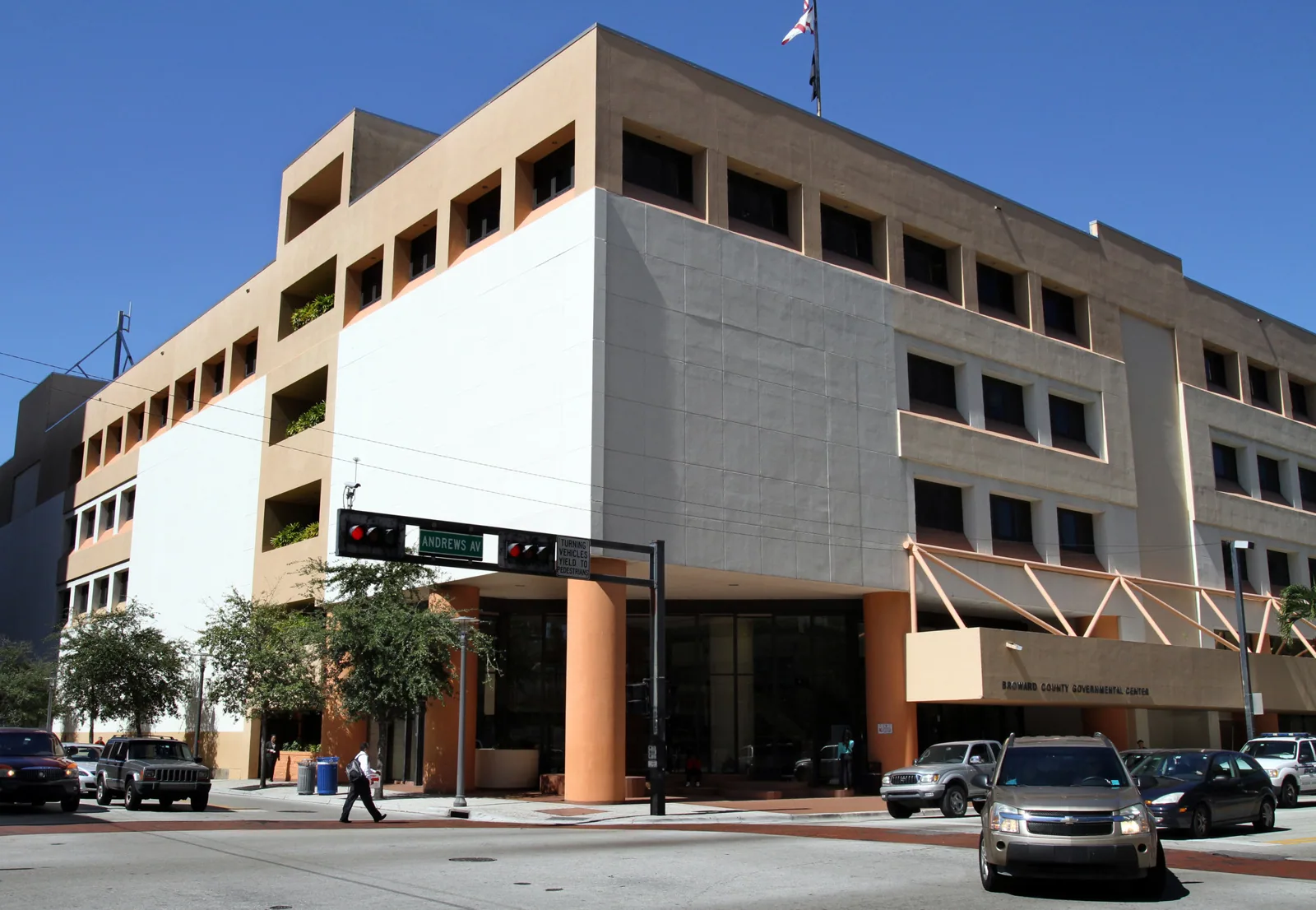
Keep the Record With the Property
Closeout should include dated roof photos, marked leak locations, material and repair notes, areas excluded, and any moisture test that remains open. We note the interior area reported and distinguish it from the roof entry point. If the next visit must confirm a seam after drying or check a second drain, the record identifies that location and the expected next step.
Cost follows the roof area, number of penetrations, flashing condition, access, preparation and any wet insulation or deck work. We list those drivers apart from guest-area protection or interior finishes. A condition file supports the repair-or-replace threshold, while the multifamily roof plan may be relevant when a portfolio includes residential buildings with different access needs. A Beaverton roof visit ends with a marked scope sheet.
For portfolio budgeting, we tag each roof by assembly, visible condition and next action. A property manager can compare a small repair, a monitored area and a replacement candidate without treating all buildings as the same age or system. The record carries the assumptions behind each action, including access limits and testing that could change the scope.
Related Roofing Work
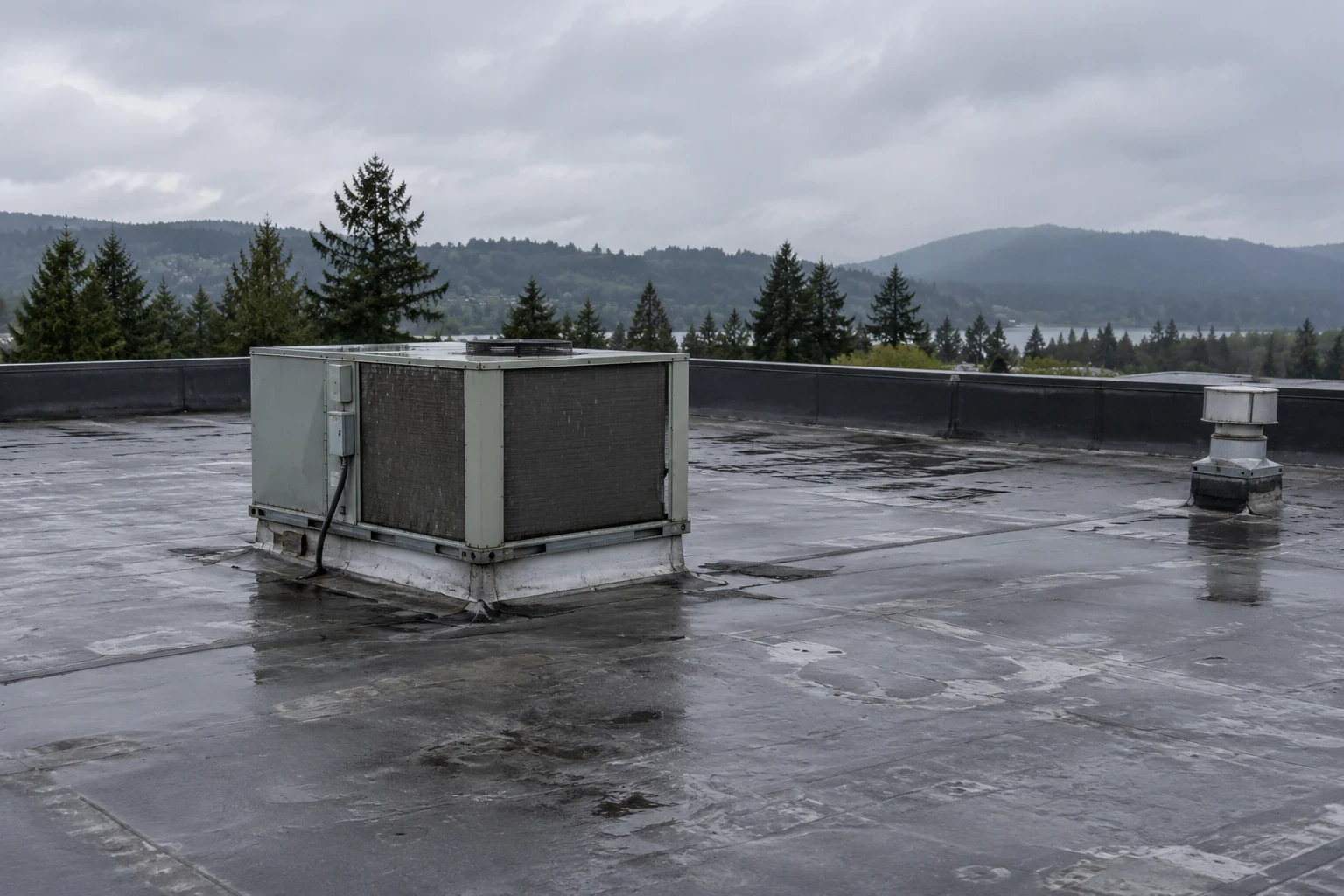
Commercial Roof Inspection
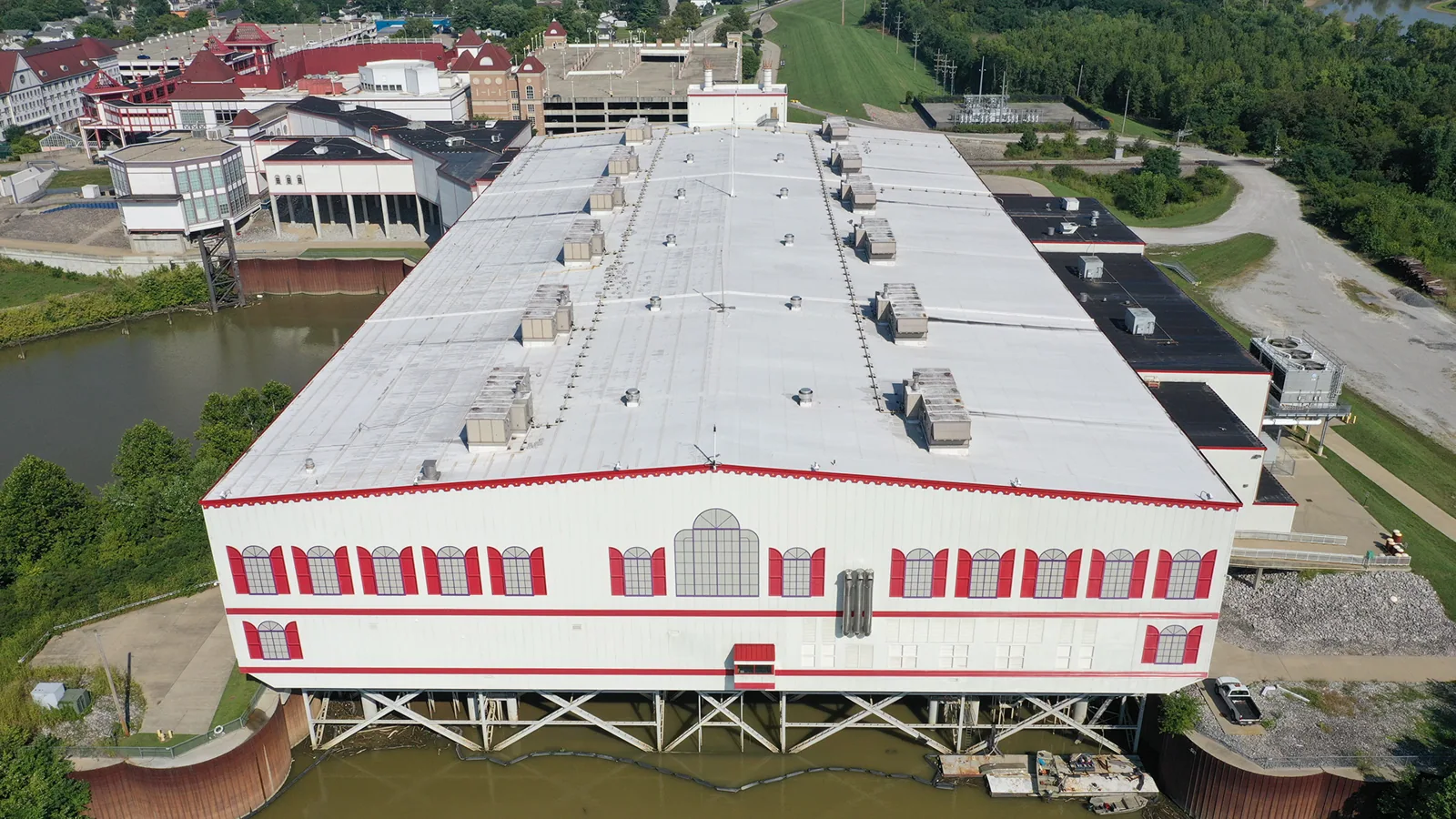
Occupied Building Reroofing
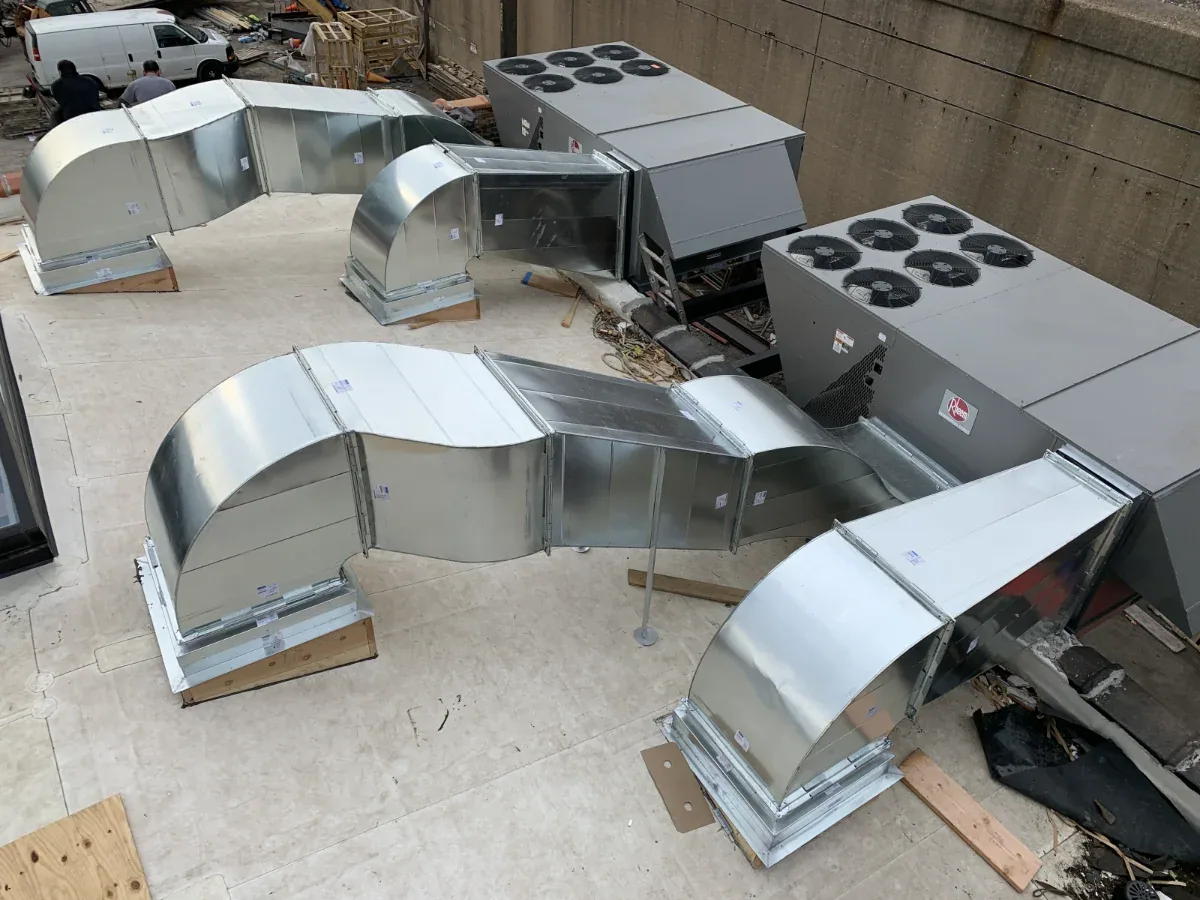
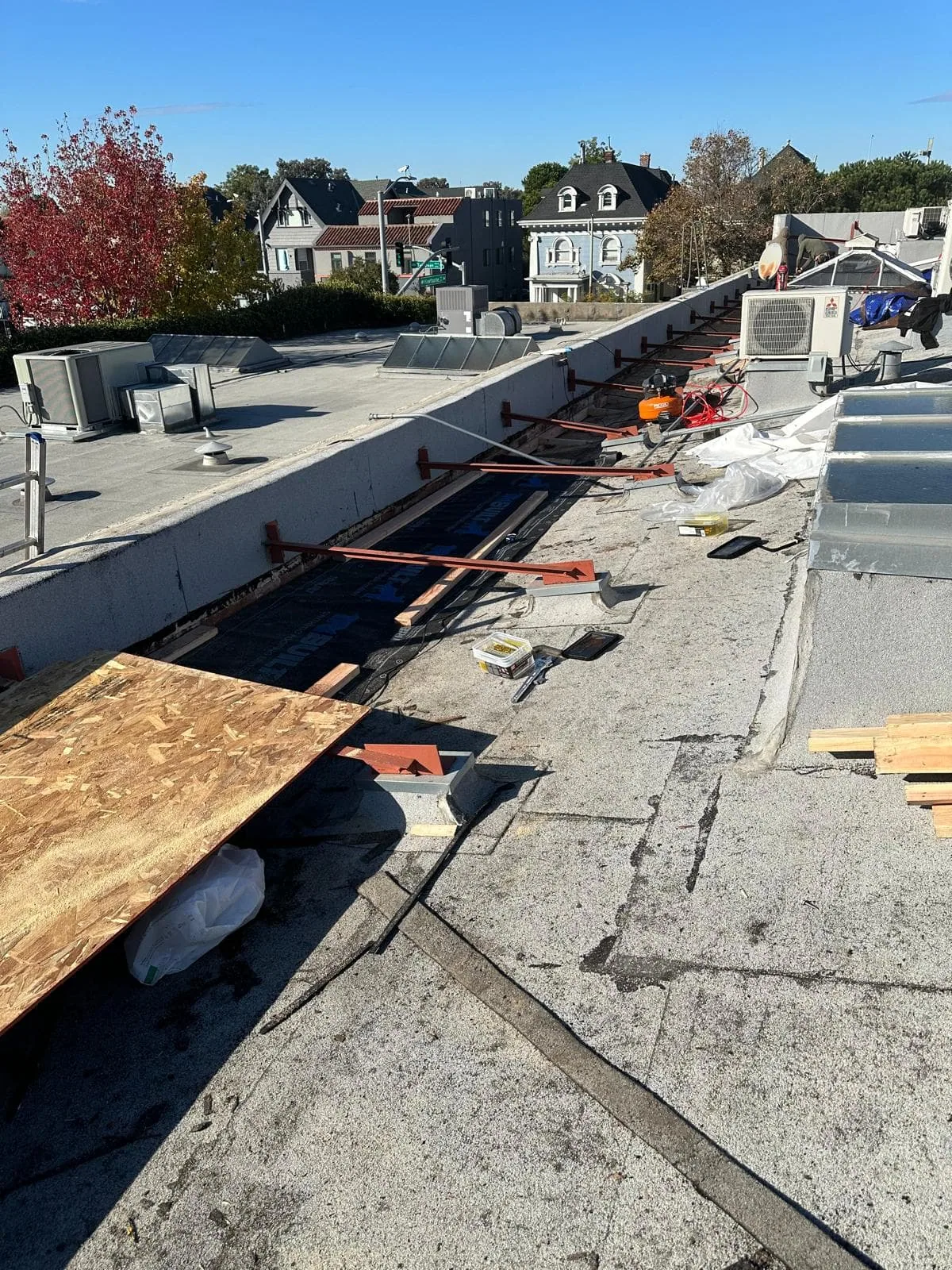
Rooftop Equipment Curbs and Supports
Commercial Roof Repair
Start With the Guest or Service Area
Place an intake call with the hotel address, affected room or corridor and last known leak location. We will arrange a make-safe visit, coordinate roof access and provide a written scope sheet for the next step.
Questions About Hotel Roofing
Can a leak be repaired without closing a guest area?
We confirm the affected room, roof access, work boundary and protection below with the hotel contact. The immediate make-safe step may require a temporary restriction around the leak. Permanent work is sequenced once the roof location and the area below it are documented.
What if water appears in a corridor below a different roof section?
We record the corridor and likely roof zone separately, then check seams, drains, curbs and deck paths between them. Water can travel before it surfaces. A test opening is noted when the roof walk cannot establish the wet area without exposing the assembly.
How do you plan roof access around hotel operations?
The site contact confirms the roof entrance, service drive, loading hours, lift location and guest routes. We include any restricted area and the sequence for each roof zone in the written scope, then coordinate a return visit if testing or drying must happen first.
Can a coating be applied over an older hotel roof?
The membrane and substrate need inspection first. We check adhesion, repairs, moisture, ponding, flashing and product conditions before deciding whether restoration is appropriate. If the field is wet or details are open, those issues are corrected or carried separately.
What belongs in the hotel roof file after a repair?
Keep the marked roof plan, dated photos, leak location, completed repair boundary, material notes, excluded work and open tests. The interior area reported should be recorded separately from the roof entry point, so a later complaint can be compared with the original visit.