
Property Types We Roof
Senior living roof work in Beaverton starts with room-level leak control, resident protection, clear access and a documented repair boundary.
Senior Living Community Roofing in Beaverton, OR
Resident rooms and care areas set the order when a Beaverton senior living community reports water. We confirm whether water is active, what staff need protected and who can provide roof access. A make-safe visit controls active water where it can, and the roof walk that follows marks the likely entry along with the drain and flashing conditions. The photographs and leak location are filed so the next visit begins from a clear starting point.
An occupied care setting needs a roof sequence that respects resident routes, staff handoffs and areas that cannot be blocked without coordination. We identify each affected room and roof zone separately. The inspection record gives the manager a repair boundary and any testing still needed.
Track Rain at the Drain
Beaverton's wettest months run from November through January. That repeated rain makes drains, low points, parapets and roof-to-wall flashings worth checking before a leak reaches a resident area. We compare the room report with the roof above it, follow seams and penetrations between those points, and note whether a test opening is needed to confirm wet insulation before the permanent repair is priced.
Downtown Beaverton and Washington Square are regional centers where Metro expects compact employment and housing near transit. We inspect the actual roof and entry route. A drainage review logs the sump, overflow path and surrounding membrane so a clear outlet is not confused with a sound flashing detail.
Keep Resident Routes Clear
We confirm the roof hatch, staging area, lift path and any public or staff entrance below the work. If the repair is over a dining room, medication area or corridor, the site contact identifies how residents move through the building while a crew is above. The scope marks any temporary boundary and the time needed for each roof zone, rather than leaving staff to interpret an open-ended work area.
Weekend and holiday calls are handled the same way: the intake call gets the address, affected room, access contact and immediate exposure. A phased occupied-building sequence separates water control from the permanent repair and records where materials will be staged without crossing resident routes.
We also confirm whether staff need a continuous route to dining, therapy or medication areas while work is staged. If the lift or material path crosses a resident entrance, the manager can identify a temporary alternative before the roof is opened. The work order records the route and protection needed below, giving the care team a specific notice instead of a general warning about roofing activity.
Choose Repair by the Roof Area
A roof assembly can change from one wing to another, especially where additions meet older sections. Each wing's membrane, insulation, edge metal, drains and penetrations are identified separately, then we note where prior patches or soft decking affect the repair. A seam problem on one wing does not establish the condition over every resident room. Each map holds the observed details and any test area separate.
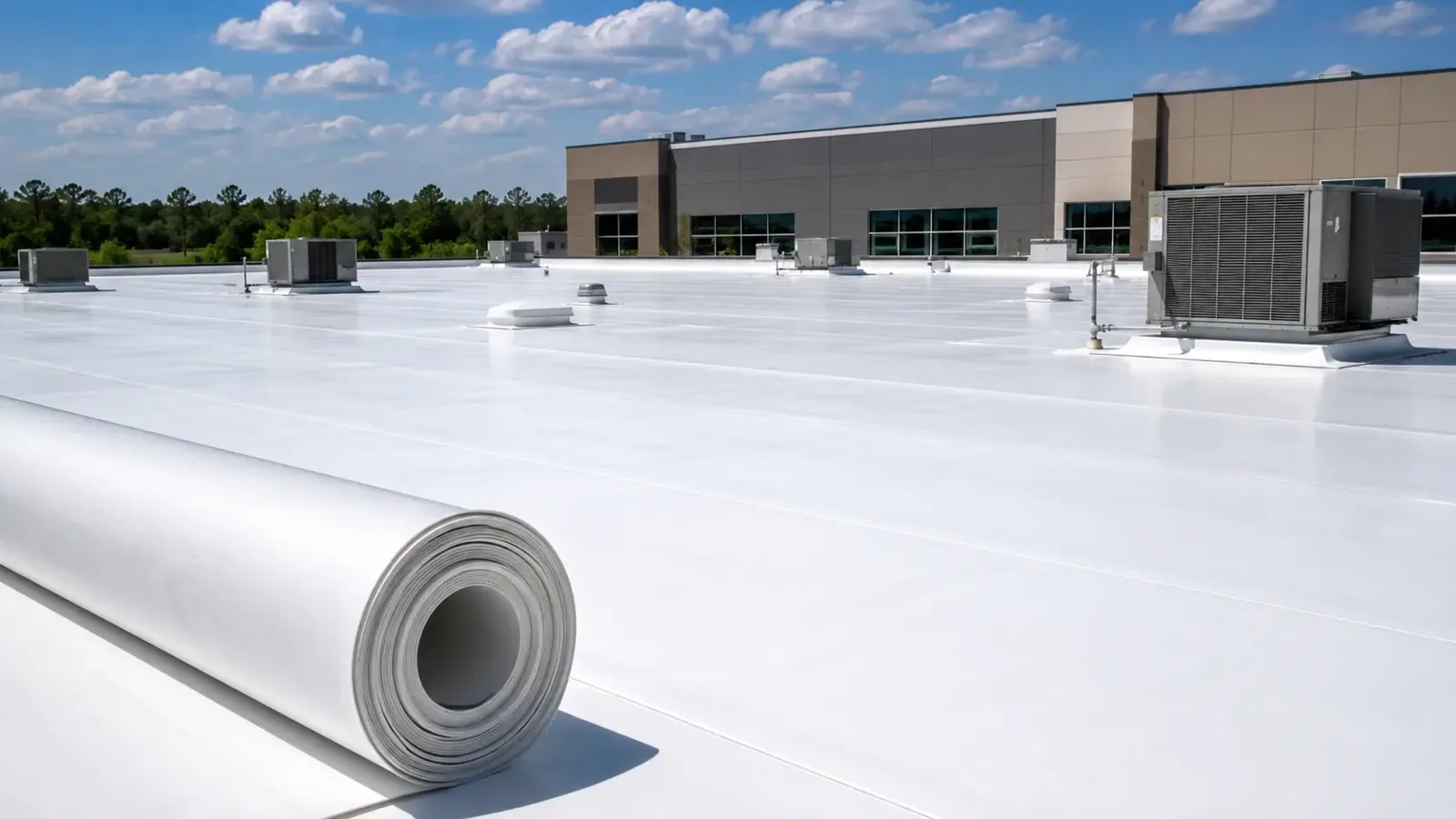
A PVC membrane and a EPDM system have different seam and flashing methods. We match the repair to the installed assembly and state where moisture or substrate testing may change the scope. If repeated failures extend across a roof zone, a replacement comparison is priced separately from a localized patch.
Where a roof has multiple layers or older repairs, we document the visible sequence before proposing a cover layer. Test cuts can confirm whether insulation is dry and whether the deck is suitable for the next assembly. If the test shows a wet area, we mark its limits and price removal or replacement separately. That keeps the capital line tied to a known roof zone rather than an assumption about the full building.
Edge metal, parapet caps and wall flashings also belong on the map because water can enter where the field ends. We photograph those transitions and identify whether a repair can be isolated or needs a longer run. The record helps the property contact compare the same detail after the next wet period.
Sequence Work With the Care Team
Roof access can affect resident patios, dining areas, service drives and emergency routes. We review those points with the administrator or facilities contact, confirm where a lift can sit and identify when noise or material movement should be coordinated. If a second visit is required after drying or testing, the file records the reason and the area so staff can plan resident notices and the follow-up route.
Whatever retail sits near The Round or Cedar Hills Crossing, a senior living community has its own occupancy and access needs. A multifamily roof review can help a portfolio track common access fields, but each residence keeps its own map and work sequence.
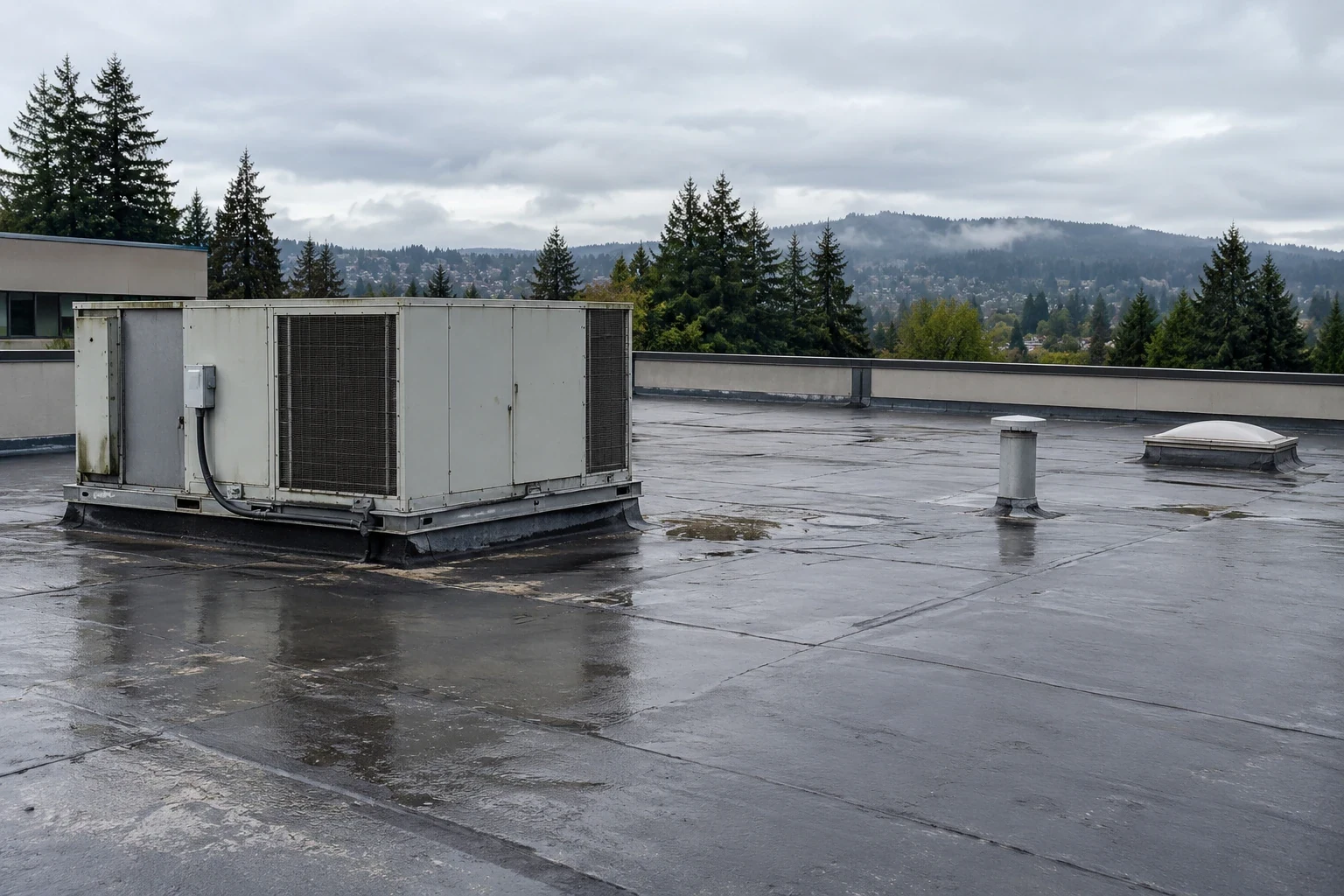
Leave a Clear Shift Handoff
At closeout the manager receives dated photographs, a marked roof plan, the repair location, material notes, finished work, exclusions and any open test. We identify the resident or staff area reported without putting private resident details in the roofing record. If the same room reports water later, the next manager can compare the roof entry point with the first visit instead of starting from a verbal description.
Cost follows the number of details, roof area, access restrictions, preparation and any wet insulation or deck work, while interior restoration and resident support are priced elsewhere. A condition record keeps the repair or replace threshold visible, while the hotel roof file shows a related occupied-building workflow. A Beaverton service visit starts with the building address and last known leak location.
For a group of residences, the summary can rank roofs by active leak, repair need, monitoring item or capital review, while each site's underlying photos and scope remain separate. We state what evidence supports the priority and what testing could change it. That gives the asset manager a usable sequence without implying that buildings with similar names or layouts share the same roof condition.
Related Roofing Work
Commercial Roof Inspection
Commercial Roof Drains and Scuppers
Occupied Building Reroofing
PVC Roofing
Start With the Room and Building
Place an intake call with the residence address, affected room or common area and last known leak location. We will arrange a make-safe visit, coordinate access with staff and provide a written scope sheet.
Questions About Senior Living Community Roofing
How do you handle a leak over a resident room?
The intake call identifies the room, active water and staff contact. We arrange a make-safe visit, document the likely roof opening and coordinate any protected area below. The permanent repair is scoped once the membrane, flashing and wet boundary are clear.
Can residents remain in the building during roof repairs?
We confirm access, staging, areas below the work and any route that needs a temporary boundary. The property contact supplies resident and staff movement rules. We record the sequence by roof zone and identify any visit that requires a quieter or restricted window.
What if the leak appears in a hallway far from the roof opening?
We note the hallway report and inspect the roof above it, including nearby seams, drains and penetrations. Water can move along the deck before it reaches the ceiling. If the wet area remains uncertain, the scope identifies the test opening needed before closing the repair.
How do you compare repair and replacement?
The repair scope identifies the failed detail, preparation, boundary and any moisture test. Replacement lists removal or recovery, insulation, flashing and access by roof zone. We show both on the same map so the administrator can compare immediate work with a capital decision.
What should be included in the handoff file?
Keep the marked roof plan, dated photos, repair location, materials, exclusions and open tests. The record should identify the reported room without personal resident information and state whether a second visit remains due.