Service Areas
Commercial roof repair, inspection, drainage work and replacement scopes for Gresham, OR, with a make-safe visit and a written scope sheet.
Commercial Roofing in Gresham, OR
Gresham, OR lies across the metro from Beaverton, OR, and the first hour of a water report there is planned accordingly. The intake call settles the address, the wet room and the roof access by phone, so the crew arrives with the right temporary materials and does not spend the first part of the visit looking for a ladder. Gresham had 114,247 residents at the 2020 census and is an economic center for eastern Multnomah County, with Metro naming Downtown Gresham a regional center and I-84 and US 26 providing access.
Every visit ends with a photo set and a written scope sheet, and each building gets its own file.
Planning the Long Run Out
Travel across the metro changes how a call is prepared, not how it is handled. Before the truck leaves, we confirm the room, the building hours, the person who will meet the crew and the means of reaching the roof. We bring enough tarp, tape, sealant and drain tools for a range of likely causes, because a second trip for a missing part wastes a dry hour.
On arrival the crew checks the interior first, covers anything exposed, and then goes to the roof. The walk follows the water backward from the stain, the way it would have traveled, and ends at the nearest opening. Each detail is photographed before it is touched. The time of the report, the weather that day and the temporary step taken all go into the log.
Dry-In, Then the Wait
The make-safe visit is temporary by design. A taped seam, a sealed boot cap or a tarp at the edge stops the water for now. The permanent repair needs a dry deck and a dry membrane, and in a region where Beaverton gets rain on roughly 151 days a year, that can mean waiting for the next dry window.
The wait is part of the plan, not a delay. We schedule the second visit as soon as the forecast permits, check that the temporary work held, and finish the repair. If wind or rain moved the cover, the record says so. Portland Airport averages roughly 32 nights at or below freezing, so a cold snap after a wet week can also open seams and cracked sealants, and we look for that on the second visit.
Between visits, the building contact can help by sending a time-stamped photo of any new stain, which shows whether the temporary cover holds or water has found a second path. We add those photos to the leak log so the permanent scope covers every opening and not only the first one reported.
The Condition Report
A written condition report is the document that lets a property manager or asset manager decide what to fund. Ours is organized by roof area and lists the membrane type if visible, seam condition, flashing terminations, edge metal, penetrations and drains. Photos are attached to each finding, and each finding is marked monitor, repair or replace.
A commercial roof inspection can be followed by a drone inspection for large or difficult roofs and an infrared moisture survey where wet insulation is suspected. The report names the method used. Gresham Central Transit Center and Mount Hood Medical Center on Stark Street are among the city's main institutions. Public and healthcare buildings carry their own access and interior protection rules, and we ask about those at the intake call for any property of that kind.
Pricing the Threshold
The repair or replace threshold is a comparison we put on paper. On one side sits the cost of the current repair plus the next probable repairs. On the other sits a recover or a replacement. When the first total approaches the second, the roof belongs on the capital line, and we show the date range when that decision should be made.
Cost drivers are the area involved, the amount of wet insulation to remove, access for equipment, tenant hours and the code in force. The code in force matters too: the 2025 Oregon structural edition has been mandatory since April 1, 2026, and the ASHRAE 90.1-2022 energy edition since July 1, 2025. We check both against the existing assembly, because they set insulation depth and fastening in any new roof.
Where Standing Water Settles
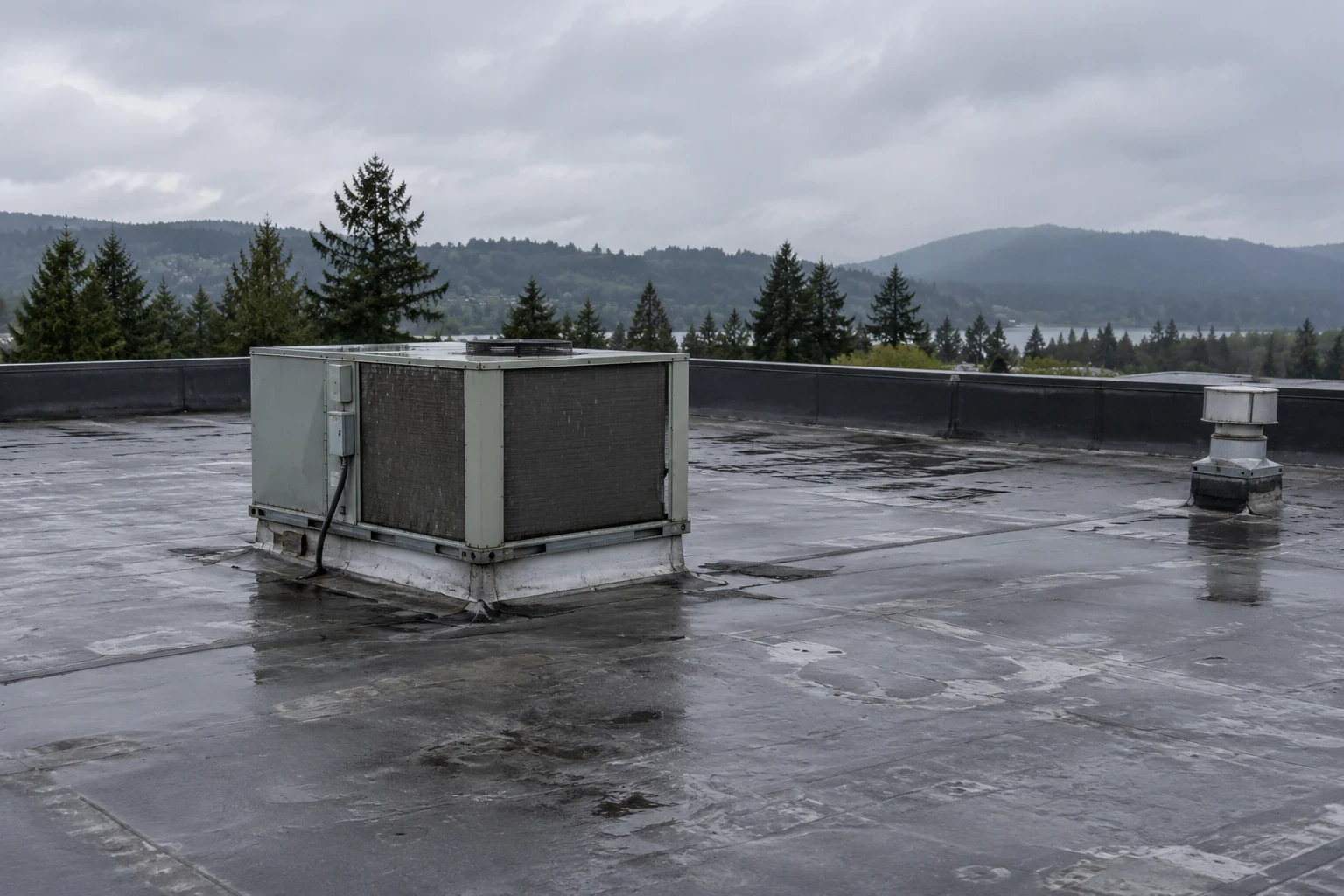
On a low-slope roof, the ponding check is the quickest way to see whether the drains are working. We look at the roof after rain, mark the outline of any standing water and photograph it next to a fixed reference such as a drain bowl or curb. A pond that clears in a day is usually a drain problem. A pond that stays points to a low spot or a compressed insulation board.
Drain and scupper work here means clearing, resetting and adding overflow openings. We also check the edge detail, because water pushed to the perimeter finds the gutter or scupper there. Gutter joints and coping splices move with temperature, and Beaverton's recorded range, from 115 degrees down to minus 8, is wide enough to open a joint that was tight last season.
Occupied Buildings and Traffic
With I-84 and US 26 providing access, deliveries reach most sites easily, but the last few hundred feet depend on the lot. We confirm where the crane or lift can stand, where material can be stored, and where foot traffic must be kept clear. On an occupied building, our occupied building reroofing sequence works section by section, with debris protection set first and every section dried in before the crew leaves.
Where a property needs service in more than one city, the file format stays the same, and the same photo conventions, roof-area labels and condition scale apply to each. A building in Happy Valley or Clackamas gets the same layout, so an owner can place several roofs side by side when planning the budget.
Related Roofing Work
Commercial Roof Inspection
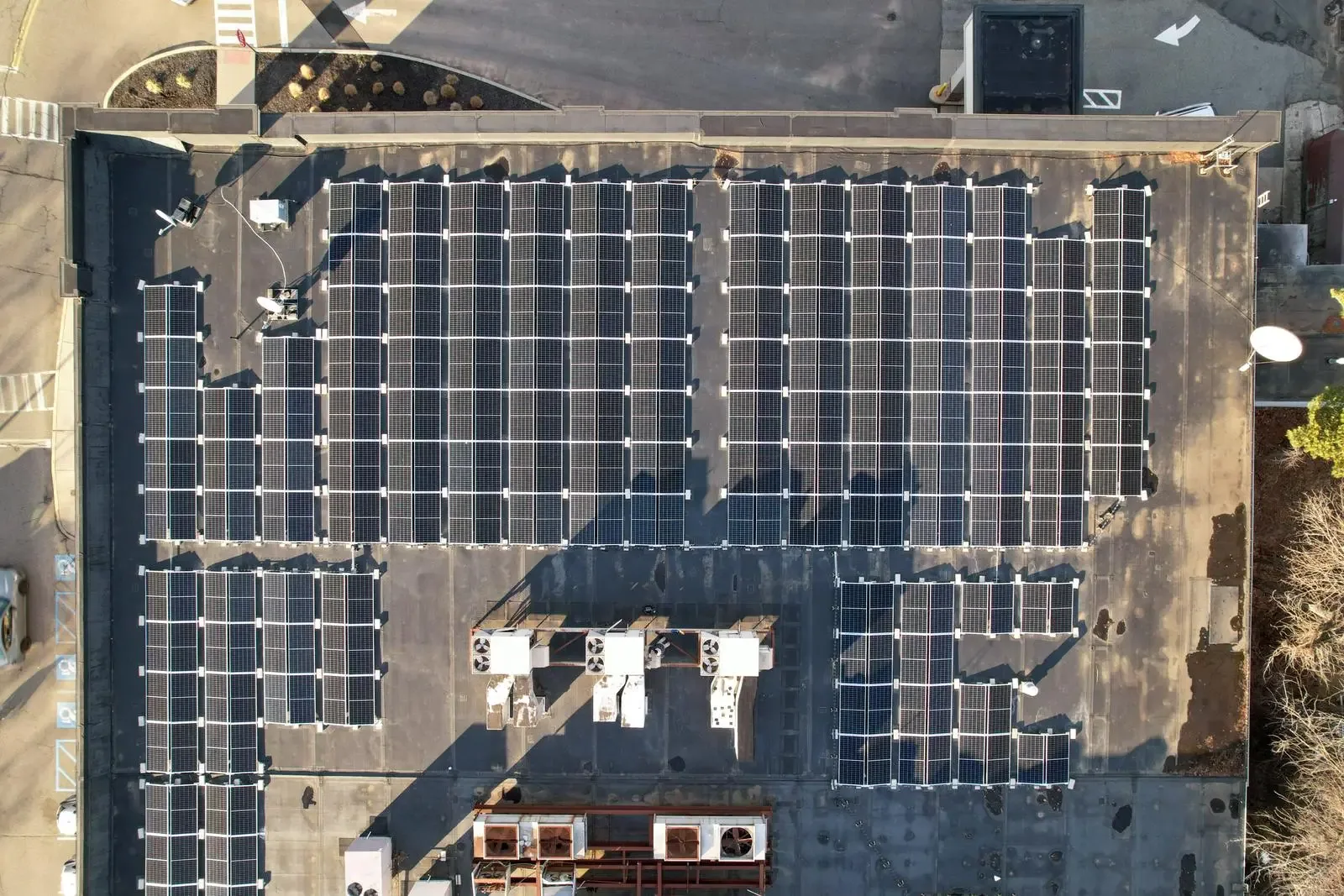
Drone Roof Inspection
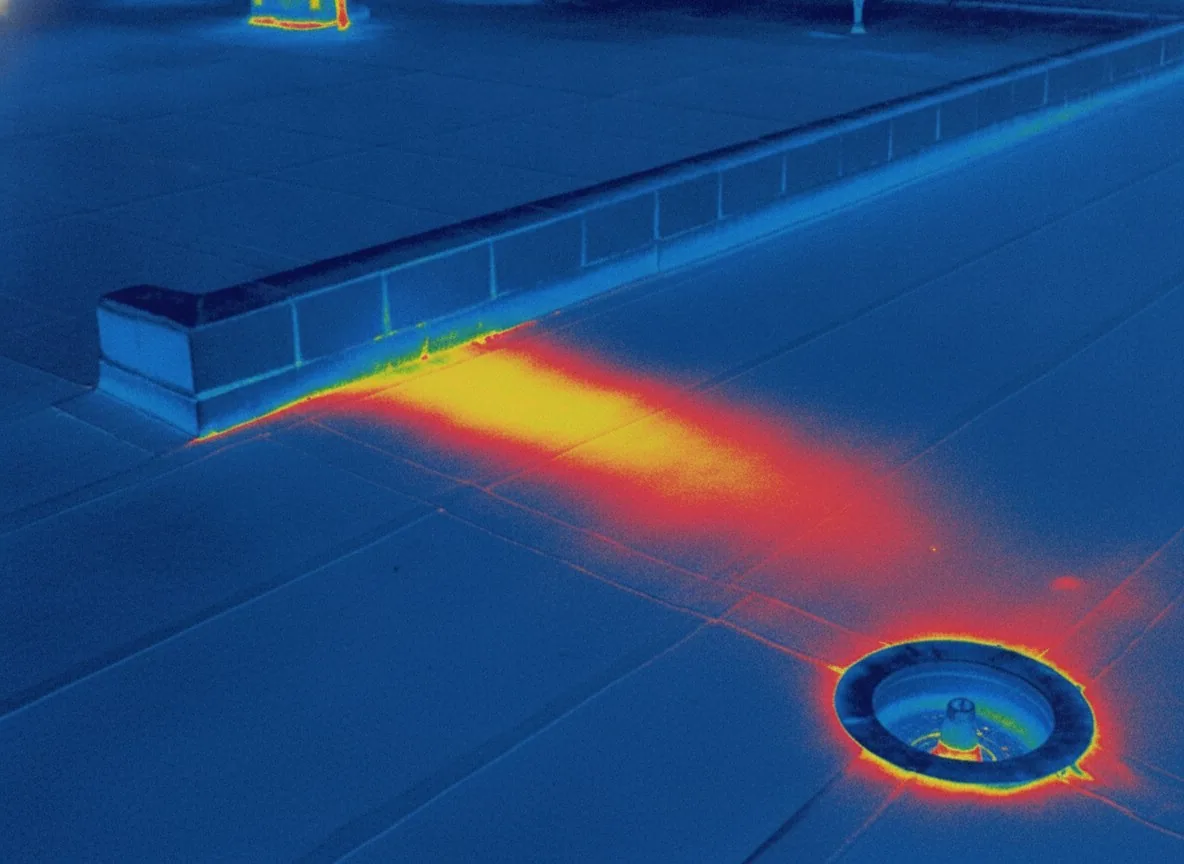
Infrared Moisture Survey
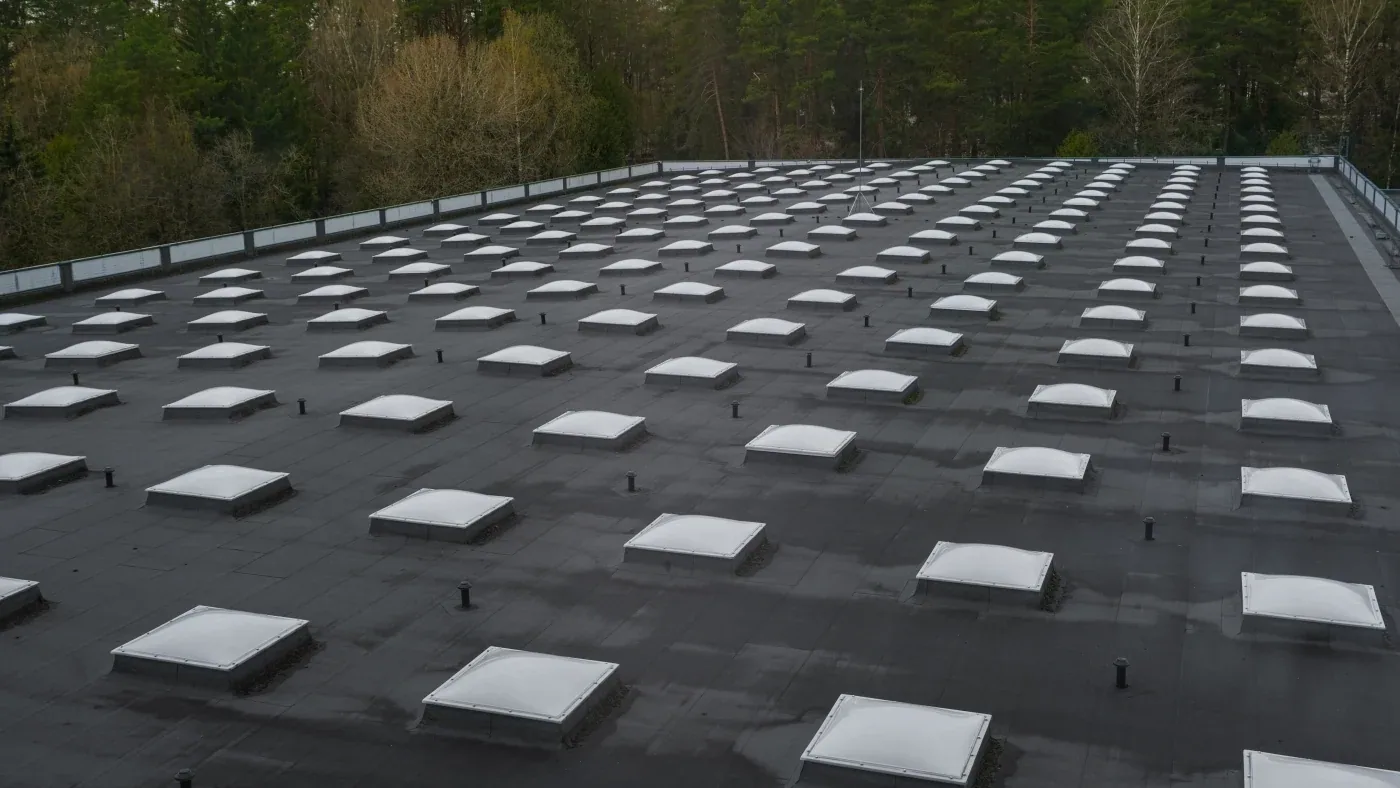
Roof Recover and Overlay
Place an intake call for your Gresham roof
Give us the building address, the wet room and the last known leak location. We will schedule the make-safe visit and follow it with a written scope sheet.
Questions About Gresham
How do you prepare for a call across the metro from Beaverton?
We confirm the room, the contact, the access and the roof type by phone before the truck leaves, and we load for several likely causes. That keeps the crew from losing a dry hour to a missing part, which matters most in wet weather.
What happens if the temporary cover fails before the second visit?
Call the intake line again. We return, reset the cover, and record why it moved. The log of that failure often points to the real weak spot on the roof, such as an exposed edge or a poorly supported section.
Can a roof near a medical or public building be worked during hours of operation?
Often yes, with planning. We agree on noise windows, protect interior spaces and arrange the sequence so sensitive areas are worked at set times. The agreed plan goes in writing before the first day on the roof.
Why does a ceiling stain sometimes appear far from the leak?
Water follows the deck, the insulation layers and the framing before it drops. We trace it back uphill from the stain to the nearest opening, and we use moisture mapping when the path is hidden.
What goes into a scope sheet for a larger Gresham property?
Failed items by roof area, the repair method, cost drivers, the repair or replace threshold, and photographs. For larger properties we add a phasing plan, so work can proceed in sections around operations.