
Roof Damage Repair
Address heat and UV roof damage in Beaverton, OR with membrane checks, seam testing, moisture review and a repair or restoration scope.
Heat and UV Roof Damage Repair in Beaverton, OR
A brittle corner, chalked surface or open seam needs a mapped inspection before a coating or patch is chosen. For heat and UV roof damage in Beaverton, OR, we record the roof system, exposed area and last known leak point, then check whether the surface change continues into the membrane or flashing. Photos show the field before cleaning or repair. The leak log keeps cosmetic wear separate from a confirmed opening or moisture condition.
Beaverton has recorded a high of 115 degrees and a low of minus 8, a wide local temperature span for roof materials and details to accommodate. Portland reached 116 degrees on June 28, 2021, while its overnight low that day also set a record at 75. Heat exposure can affect membrane surfaces and rooftop equipment, but each recommendation still follows the installed assembly and inspection evidence.
Map the Exposed Areas
We mark where the membrane looks brittle, faded, cracked or loose and compare those areas with seams, drains, curbs and equipment paths. A change in color alone does not show whether the sheet has lost thickness or attachment. We inspect laps and flashing, check the substrate and note any puncture or water entry nearby. The plan identifies what is visible and which point needs a test.
Wide swings between summer heat and winter cold concentrate movement at laps and flashing, so those get the first look. Our hands-on roof inspection maps the field and details. The condition report pairs the photo set with a marked roof zone so later maintenance can compare the same surface.
Read the Surface Evidence
Ultraviolet exposure, heat cycling, trapped moisture and foot traffic can affect different layers in different ways. We check whether a crack reaches through the membrane, whether a lap remains attached, and whether the insulation or deck shows a separate issue at approved openings. Readings, visual findings and test results stay distinct. If the roof is dry and attached, restoration may remain possible; if the assembly has failed more broadly, the scope should say so.
Heat events like the 2021 record push membrane surface temperatures well above air temperature. We inspect the material on site and note equipment clearances, seams and flashing condition. A seam failure review follows an open lap, while a puncture assessment records a discrete opening.
Choose Restoration or Removal
A coating can restore a suitable surface only when the existing roof is secure, clean, dry and compatible with the proposed system. We check adhesion, seams, flashings, drainage and substrate condition before specifying preparation. A coating does not repair wet insulation or correct a low deck. If a test finds moisture below the surface, that area is addressed before restoration work proceeds.
Where restoration is supportable, we compare coating restoration with repair or replacement using the same roof boundaries. A silicone or acrylic system follows its product requirements and existing assembly; the silicone coating details are not interchangeable with every surface. If brittle material, recurring seams or wet layers extend across multiple zones, a replacement scope may be the clearer capital option. The written estimate separates preparation, repairs, coating or removal, and perimeter detailing. We also note how the chosen system meets drains, curbs and existing metal, since each edge needs a compatible termination. If adhesion testing is recommended, the locations and decision affected by its result are stated before the owner approves a larger area. This keeps the restoration boundary tied to verified surface and assembly conditions. Surface wear on a roof in Tigard or Hillsboro is read the same way: a core or adhesion test settles whether the sheet still has thickness and bond before anyone prices a coating. The test location goes on the plan with the result, so the next owner can see what the decision rested on, and every test hole is resealed and photographed the day it is opened.
Check Seams and Drainage
Surface restoration depends on water leaving the roof. We inspect bowls, strainers, scuppers and low points, then note whether water remains against a seam or curb. A drainage obstruction can be corrected separately; a slope or deck issue may require design review. The repair boundary includes the water path as well as the worn membrane, so a new finish does not cover an unresolved low area.
Portland Airport records about 32 nights at or below freezing each year alongside persistent precipitation, which keeps drainage and detail transitions relevant through changing seasons. The inspection marks the actual outlets and material condition. If water stands after the outlet is clear, a ponding-water repair review can define the low area before restoration is priced.
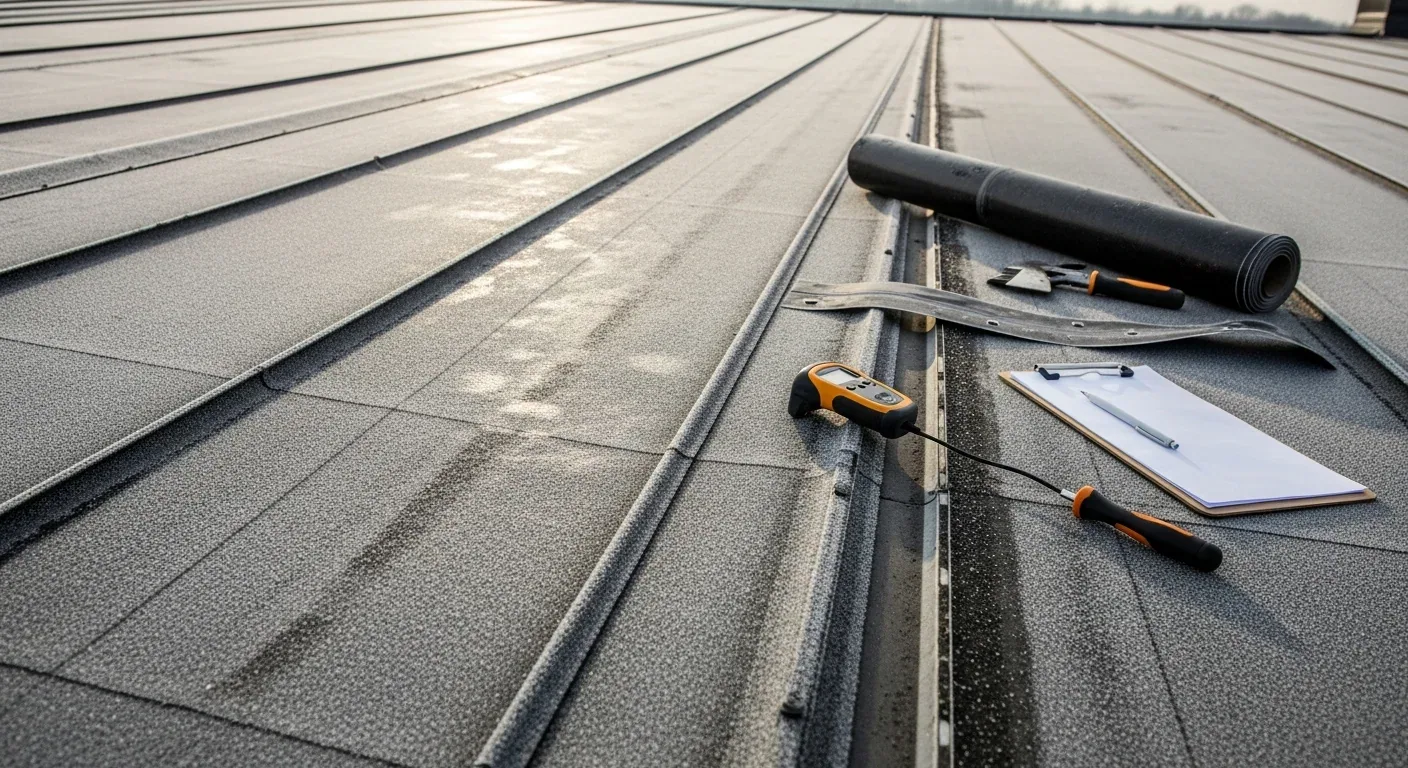
Plan for Hot and Wet Windows
Coating and membrane work need an appropriate surface condition, access and time for the selected material to cure or set. We identify preparation steps, the area that can be completed in one shift and how the roof will be protected if the weather changes. Equipment servicing, lift placement and occupied rooms below can affect staging. The daily note lists the secured edge and any work waiting for a suitable window.
Building access and roof entry set the actual sequence. We confirm staging, rooftop equipment clearance and the route that maintenance staff need to keep open. A phased plan records each zone's preparation, repair, coating and closeout so the owner can schedule work without treating the whole roof as one uninterrupted surface.
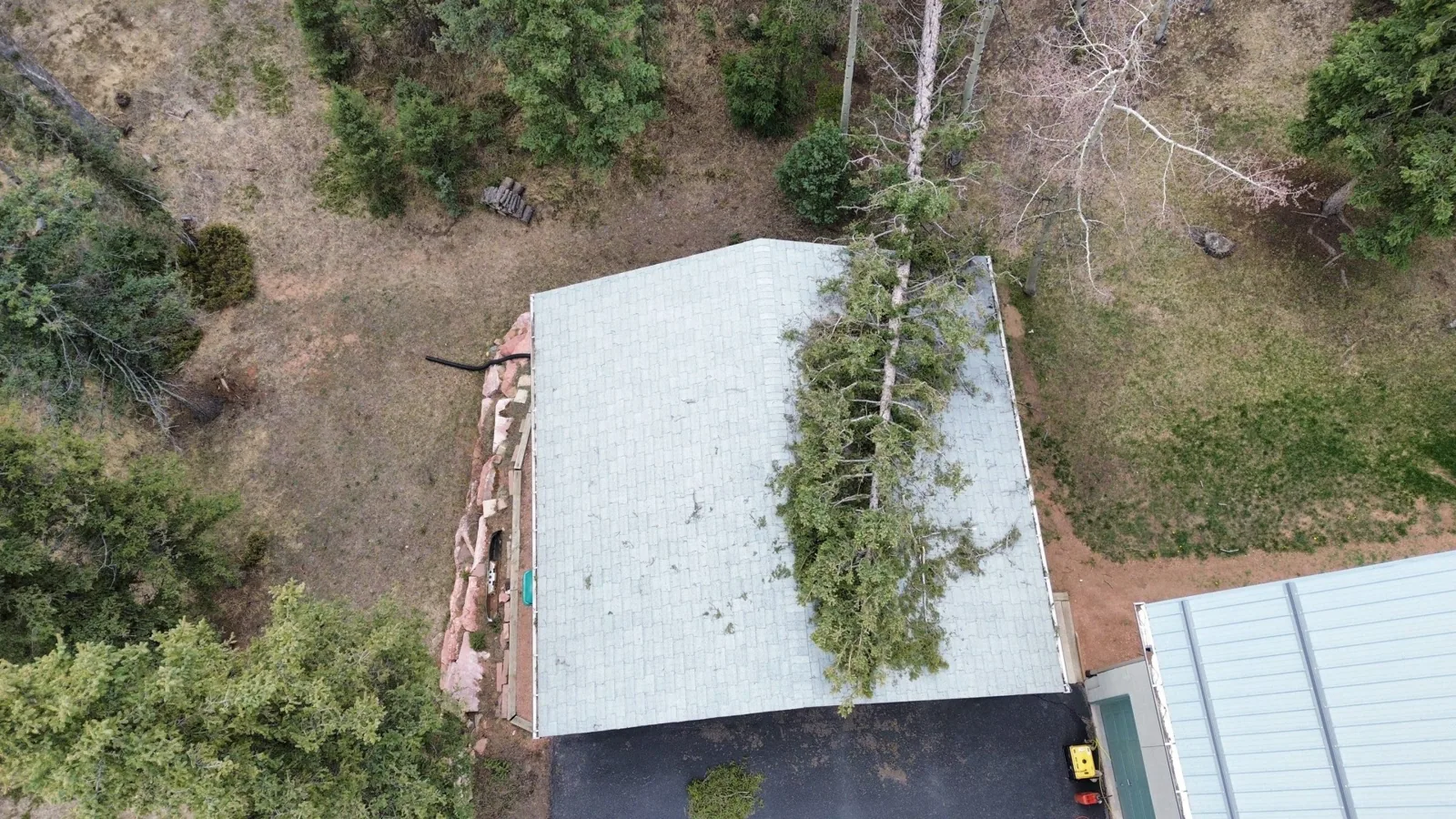
Track the Next Surface Check
Closeout includes dated photos, a marked roof plan, surface and seam findings, preparation notes, material details, drain observations and any area left for monitoring. We state whether the scope repaired a breach, restored a suitable surface or deferred work for testing. A maintenance visit can return to the same seams, penetrations and outlets after seasonal exposure and record any change.
For an intake call, give the building address, affected roof zone and last known leak point; a make-safe visit goes out first when needed, and the written scope sheet follows with test needs and the repair-or-replace threshold. A Beaverton visit starts from the recorded surface condition. Active water gets temporary protection at any hour, holidays included, and permanent restoration is scheduled when the substrate and weather allow it. Each tested spot is marked.
Related Roofing Work
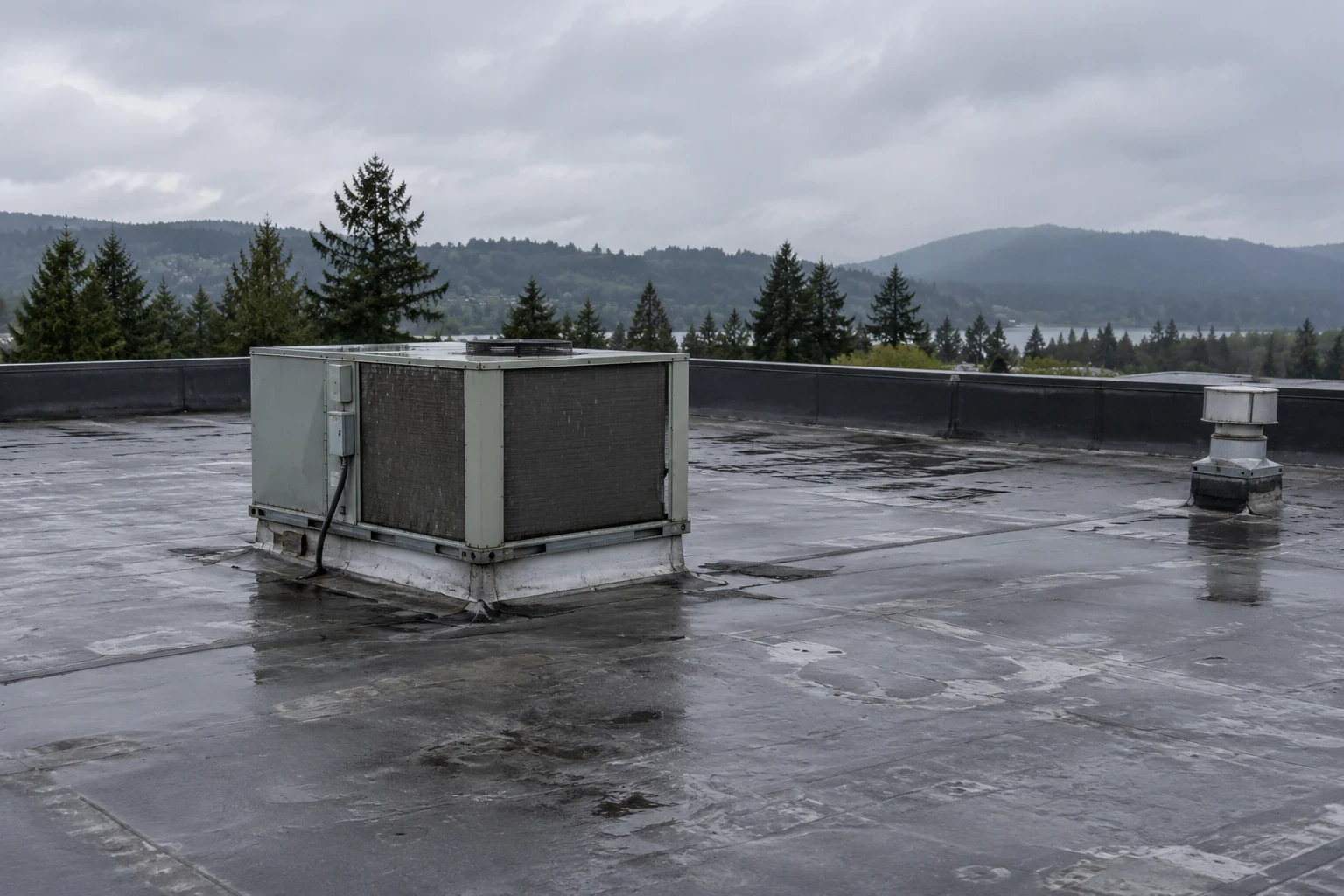
Commercial Roof Inspection
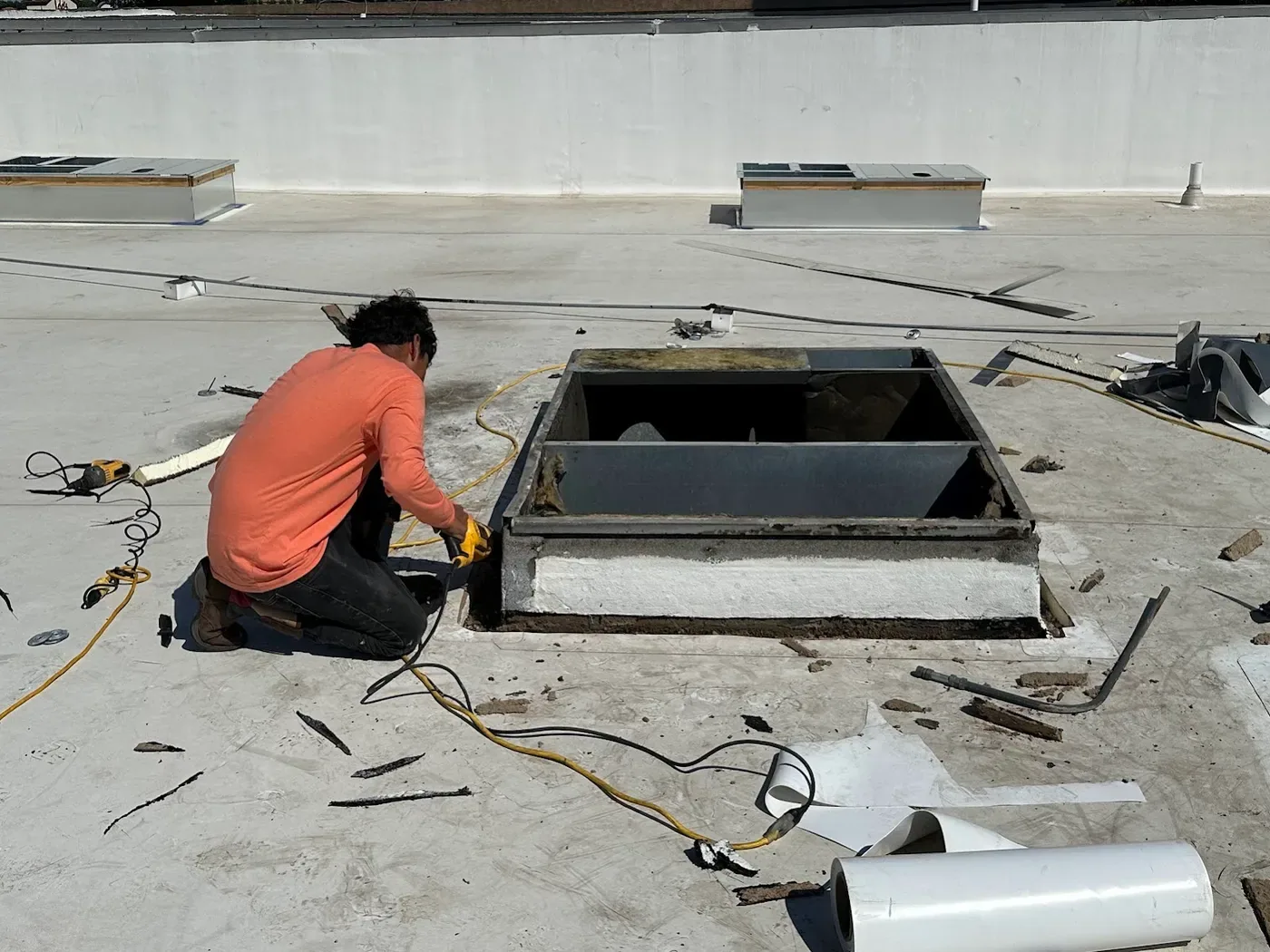
Commercial Roof Seam Failure Repair
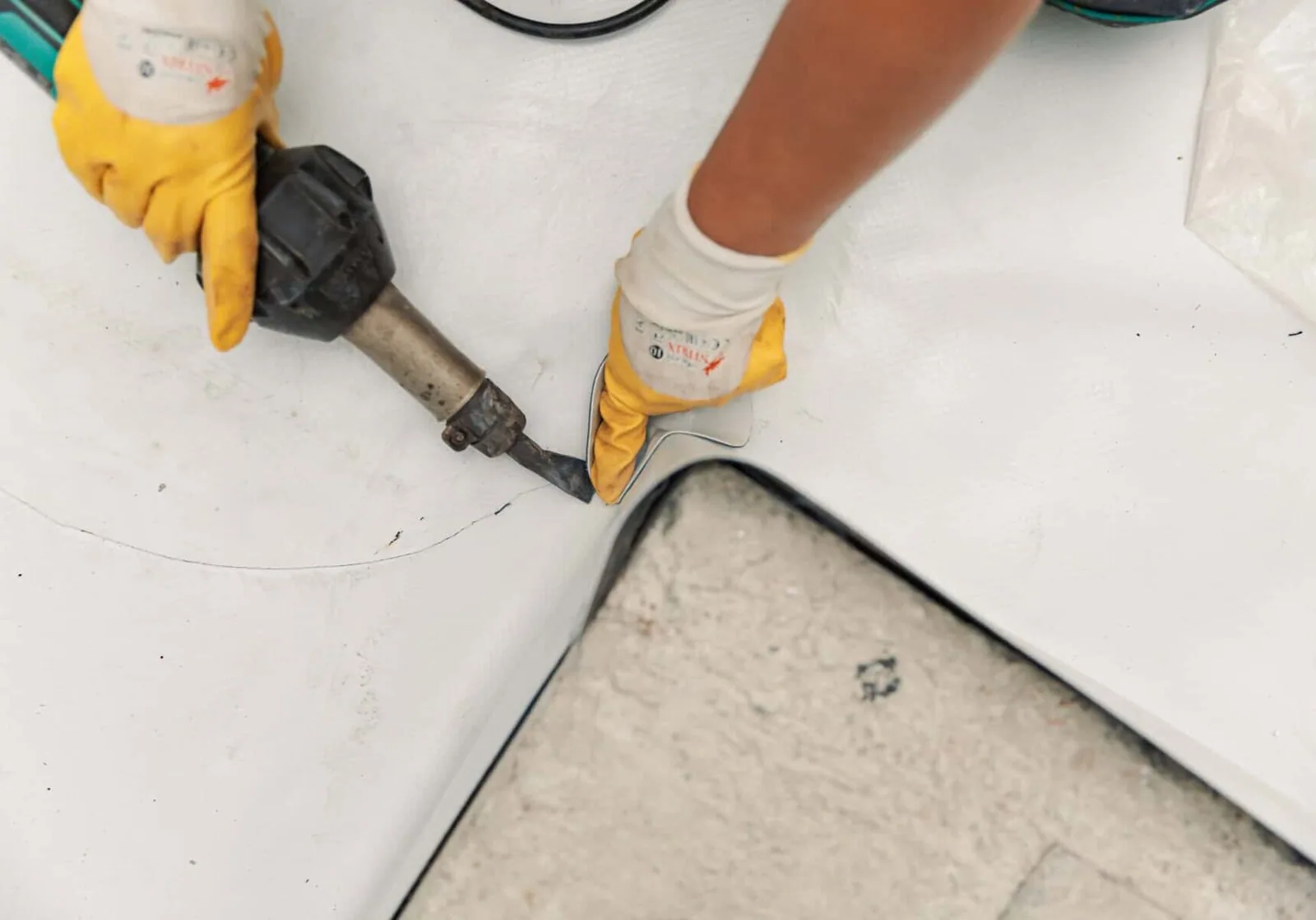
Commercial Membrane Puncture Repair
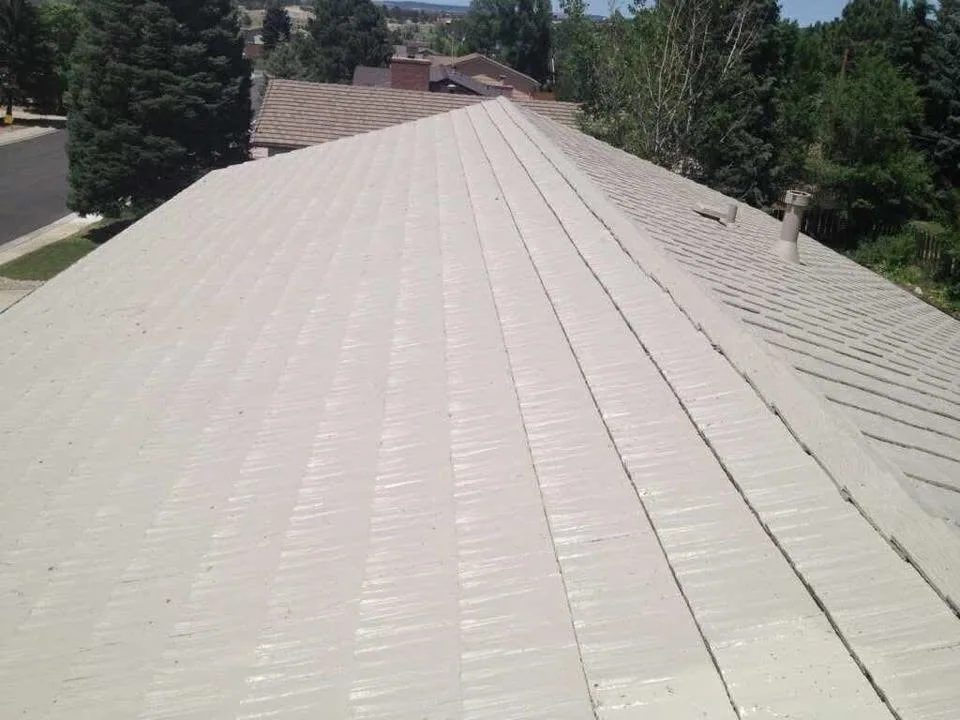
Roof Coating Restoration
Review Heat-Affected Roof Areas
Place an intake call with the building address, roof zone and last known leak point. We arrange a make-safe visit when needed, then provide a written scope sheet with surface findings, test needs and restoration or replacement options.
Questions About Heat and UV Roof Damage Repair
Does a faded or chalked membrane need replacement?
Appearance alone does not set the scope. We check thickness, seams, attachment, flashing, drainage and moisture evidence, then distinguish surface wear from a failure that reaches the assembly.
Can a coating restore a roof exposed to high heat?
A coating may fit when the existing surface is sound, dry and compatible with the system. We inspect the substrate and details first, then state preparation, repair and drainage work separately from the coating area.
What if the membrane looks brittle around seams?
We follow the lap beyond the visible change and check whether it remains attached and can accept a tie-in. Repeated openings or wet layers may point to a wider repair or replacement recommendation.
Does a hot summer day prove the roof was damaged?
A regional heat record provides climate context, not a diagnosis for one roof. We document the actual membrane, flashing and equipment condition and base the recommendation on that inspection.
Which records should facilities keep after restoration?
Retain dated photos, the marked roof plan, preparation and material notes, seam repairs, drain findings and monitoring items. The next visit can compare the same area and confirm whether the surface remains suitable.